


Fame has a strange way of breaking the very people it was supposed to reward. For most artists, reaching the top of the music industry represents the fulfillment of a lifelong dream. Sold-out arenas, chart-topping records, critical praise, the kind of cultural footprint that spans generations. Yet for a small but fascinating group of musicians, that exact moment became the starting point of their exit.
What drives someone to walk away from everything the industry offers? The answers are rarely simple. Mental health, creative suffocation, personal tragedy, and outright disillusionment have all played a role in these departures. These seven stories are as different from each other as the music they left behind.
Lauryn Hill: Five Grammys and Then Silence

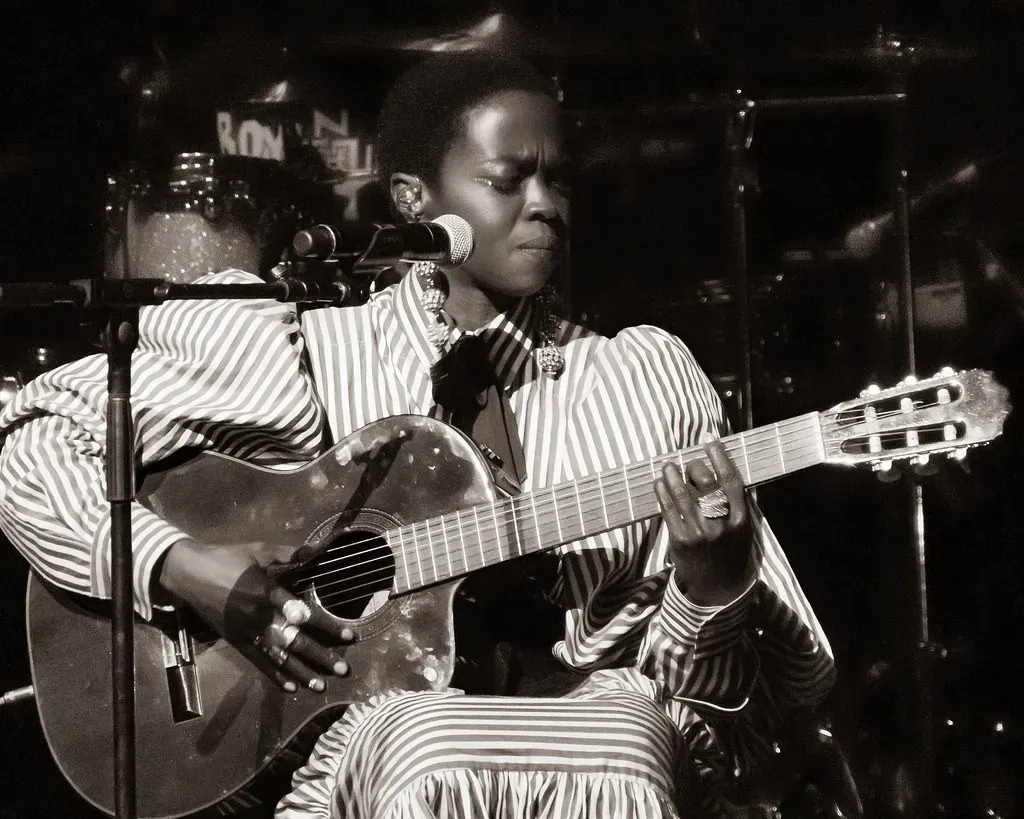
Hill released her debut album “The Miseducation of Lauryn Hill” in 1998, a work that blended neo-soul and rapping almost entirely written and produced by herself. After its release, she became an instant superstar. The album won five Grammys and sold over twelve million copies worldwide. Her only solo studio album peaked at number one on the Billboard 200, making her the first solo female hip-hop act to reach that position. The album sold more than four hundred and twenty thousand copies in its first week, breaking the record previously held by Madonna for highest first-week sales by a female artist.
Hill’s decision to step away from music came down to her skepticism about the way the industry works and the pressure put on artists. Her lack of trust began after she was named in a 1998 lawsuit by four musicians who demanded writing and production credit on her album. Her life drastically changed after settling that lawsuit. She began to trust people less and sought a closer connection with her spirituality, dipping out of the public eye as the pressures of celebrity began to take a toll on her. Though she occasionally performs today, Hill never released another studio album. Her self-imposed exile represents one of music’s most puzzling departures, an artist who chose authenticity over commercial success when the world was at her feet.
D’Angelo: Undone by a Music Video
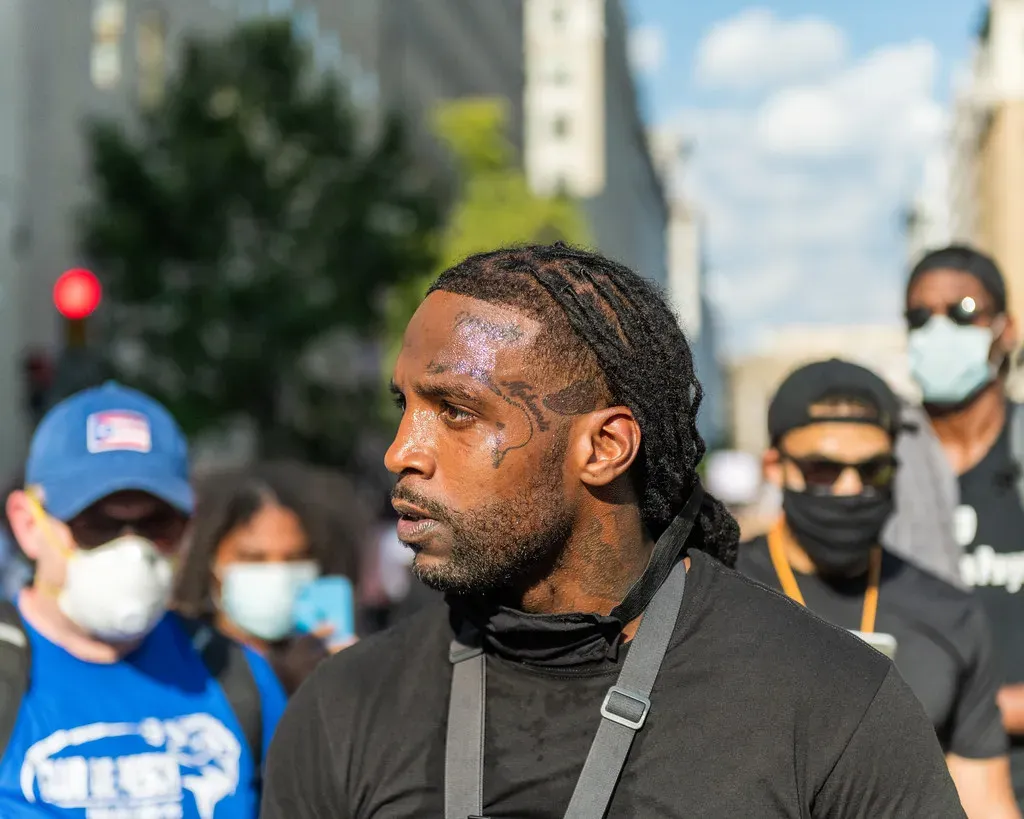
Following heavy promotion and public anticipation, D’Angelo’s album “Voodoo” was met with commercial and critical success. It debuted at number one on the US Billboard 200, selling three hundred and twenty thousand copies in its first week, and spent thirty-three weeks on the chart. It was promoted with five singles, including the hit “Untitled (How Does It Feel).” Critically, “Voodoo” was acclaimed as a masterpiece and earned D’Angelo several accolades, including the Grammy Award for Best R&B Album.
D’Angelo became uncomfortable with his growing status as a sex symbol and had numerous personal struggles including depression, drug addiction, and alcoholism, which resulted in limited musical output for several years. While the “Voodoo” tour was a major success and cemented his popularity, D’Angelo largely disappeared from view for the next decade, splitting with at least two managers and one record label. After “Voodoo,” D’Angelo went over a decade without releasing music, finally ending that long hiatus at the end of 2014 with “Black Messiah.” He passed away in October 2025 after a battle with cancer, leaving behind just three albums, each considered a masterpiece.
Kate Bush: The Recluse Who Proved Absence Makes the Heart Grow Fonder

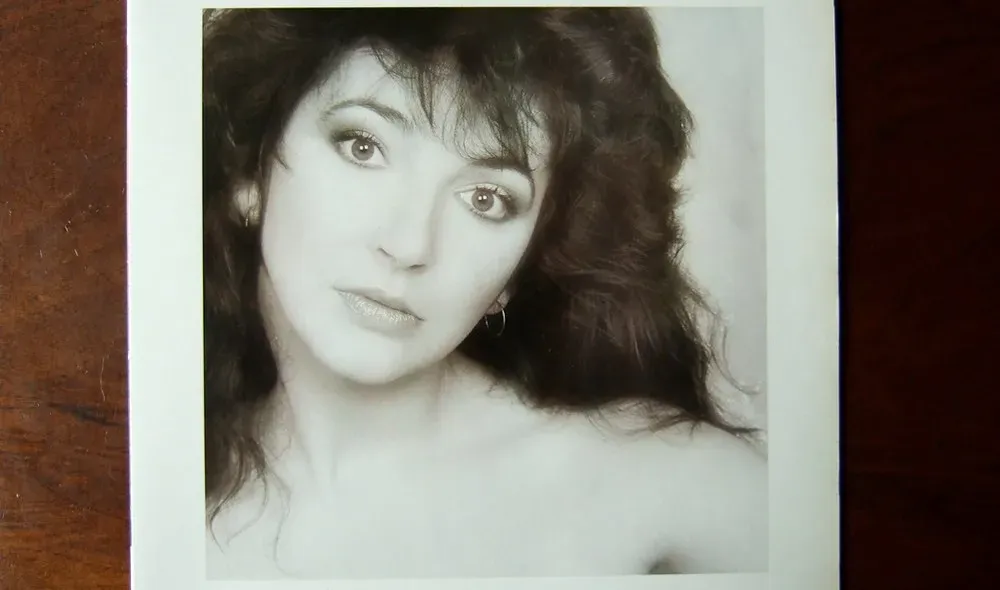
Bush reached a critical and commercial apex with the lush “Hounds of Love” in 1985. Its moody single “Running Up That Hill” even provided a breakthrough for Bush in the United States. The greatest-hits collection “The Whole Story” and the single “Don’t Give Up,” a duet with Peter Gabriel, further increased her popularity. After the release of “The Red Shoes” in 1993, Kate Bush dropped out of the public eye. She had originally intended to take one year off, but despite working on material, twelve years passed before her next album release.
In March 2014, Bush announced her first live concerts in decades: “Before the Dawn,” a 22-night residency in London running from August to October at the Hammersmith Apollo. Tickets sold out in fifteen minutes. The concerts received widespread acclaim. Bush, who has developed a reclusive reputation, reemerged briefly in 2022 with words of gratitude when her 1985 track “Running Up That Hill” became one of the biggest tracks of the year thanks to its inclusion in the fourth season of “Stranger Things.” Her music connected with a new generation, and she was finally inducted into the Rock and Roll Hall of Fame in 2023.
Bill Withers: The Soul Giant Who Simply Walked Away

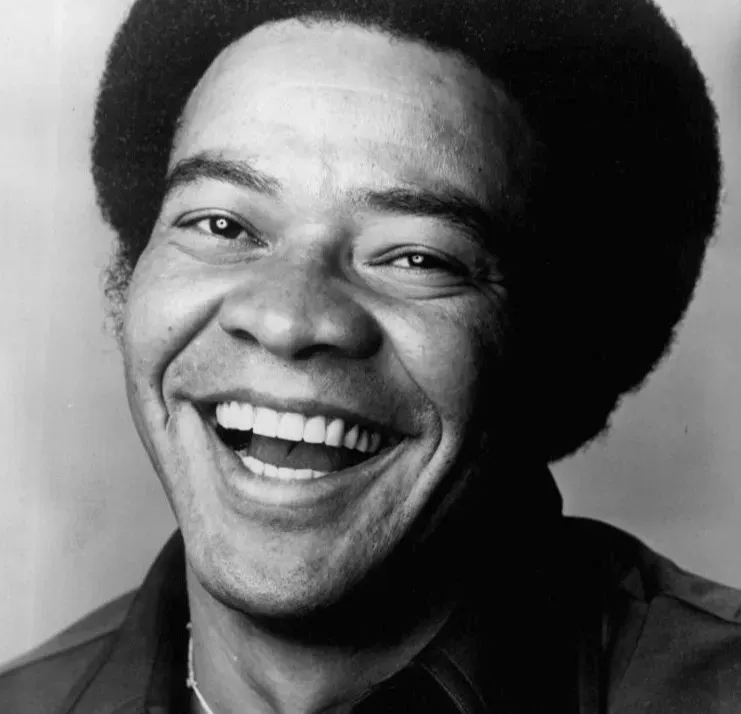
By the mid-1970s, Bill Withers had become a soul and R&B icon, penning timeless classics such as “Ain’t No Sunshine,” “Lean on Me,” and “Use Me.” Yet at the peak of his career, he quietly stepped away from the industry, frustrated by the music business’s demands and politics. Interviews later revealed his frustration with record label politics, constant creative interference, and the feeling that music was being treated like factory output. Rather than spend years arguing with executives, he simply chose something calmer. Withers moved into business ventures, family life, and everyday routines far removed from the touring circuit.
Partner offer

Fans often assume artists disappear because they fail commercially, but his situation was the opposite. He left while still respected, still played, and still deeply relevant. That calm confidence made the decision feel even more powerful. His catalog kept growing in cultural importance without needing constant new releases. In a way, he trusted the songs to keep speaking for themselves. Withers died in 2020, and the outpouring of love that followed made clear that his instinct had been correct. The songs had never needed him to stay.
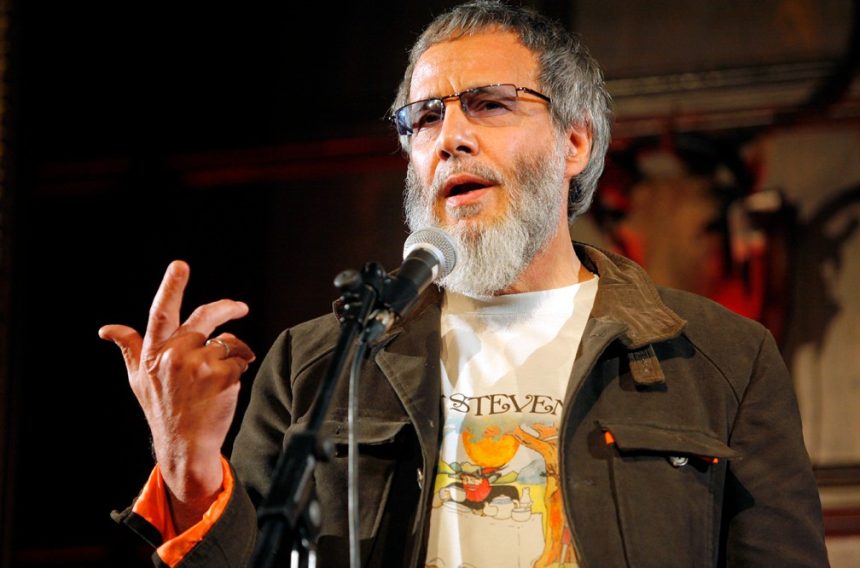
Cat Stevens: From Superstar to Spiritual Seeker

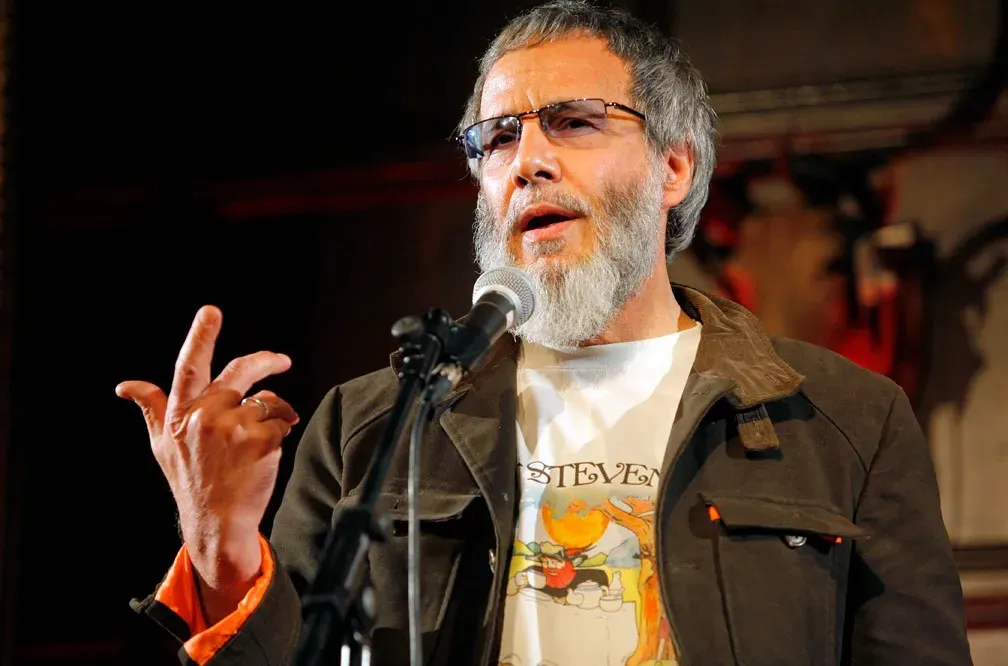
Cat Stevens, riding the global success of “Tea for the Tillerman,” renounced pop superstardom entirely, seeking spiritual solace and a life far removed from the music industry’s glare. His conversion to Islam in 1977 came after a near-drowning experience he described as transformative. Almost immediately, he donated his music proceeds, withdrew his catalog, and stepped fully out of the spotlight at a time when he was one of the most celebrated singer-songwriters in the world.
For decades, the man who had written some of the era’s most beloved folk-pop songs lived outside the industry entirely, dedicating his life to education and humanitarian work. His eventual return to music under the name Yusuf Islam offered some new material, though it never carried the commercial weight of his earlier work. What makes his story distinct is the completeness of his departure. He didn’t slow down or take a break. He simply stopped, with full intention and no visible regret.
Gotye: One Song, One Grammy, Then Gone


When Prince said “I love this song” and handed Gotye the Grammy for “Record of the Year” in 2013, it was obvious that Gotye couldn’t fully grasp that his musical hero was handing him an award in front of hundreds of TV cameras, so following that, he just disappeared. He could be seen working on small-time compilations for other artists, forming his own tiny record labels, drumming in his old pre-fame band, and occasionally contributing vocals to friends. Gotye eventually put out his first new single in 2024, after a hiatus of eleven years.
His case stands out for its immediacy. There was no dramatic falling-out with a label, no public breakdown, no scandal. The Australian musician simply reached the highest possible commercial moment in pop music and then retreated from it as if the attention itself was the problem. There were indications he was working on new songs, and a co-writing credit on Justin Bieber’s 2021 album “Justice” suggested he might still be engaged with the broader music world. Whether his 2024 single marked a genuine return or simply another brief surface appearance remains to be seen.
Mark Hollis: Perfection as a Reason to Stop

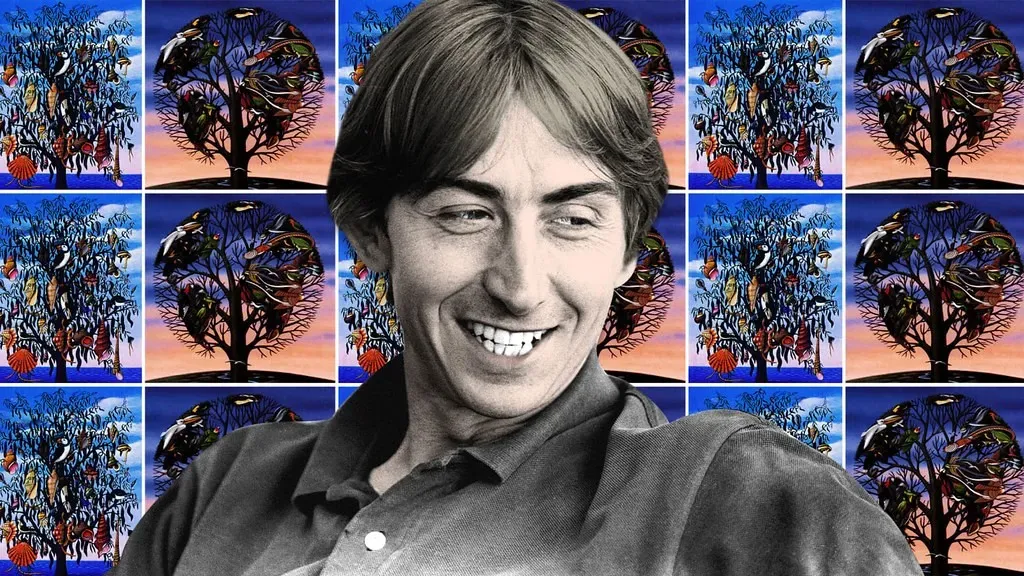
By the late eighties, Talk Talk had transformed from synth-pop chart success into something far more experimental and critically respected. Mark Hollis stood at the center of that artistic evolution, widely admired for pushing the band into deeper musical territory just as their creative reputation peaked. Then, instead of expanding that success further, he gradually stepped away from the industry. His final solo work arrived with almost no promotion, sounding intimate and intentionally restrained. It felt less like the start of a new era and more like someone gently closing a creative door.
Hollis later made it clear that family life mattered more than maintaining public visibility. He wanted to be present as a father and live outside the relentless cycle of touring and recording deadlines. There was no dramatic farewell announcement, only a quiet disappearance from professional music making. Over time, musicians began citing his decision as deeply inspiring. Hollis passed away in 2019, and in the years since, his reputation has grown considerably. He had decided, apparently with great clarity, that he had said what he needed to say. Not many artists ever feel that way, and fewer still act on it.
A Pattern Hidden in Plain Sight


Across these seven stories, a few threads keep appearing. Creative suffocation, distrust of industry structures, the psychological cost of sudden and enormous fame, and in some cases a simple but rare self-awareness about what truly matters. Few moments in music are as arresting as when an artist at the peak of their powers simply vanishes from the stage, leaving fans, critics, and collaborators stunned. These departures often carry an air of mystery, as if the musician has stepped out of time, retreating from fame and the relentless pressures of public life.
What separates these artists from those who simply burn out is the element of choice. Each of them, in their own way, weighed the options and decided the cost of continuing was too high. Some found peace, some found other callings, and some left legacies that grew larger in their absence than they ever could have managed by staying. The music industry rewards relentless output. These seven musicians quietly proved that sometimes the most powerful career move is simply to stop.
Partner offer
Planning a trip to Vegas?
Compare hotel rates and show tickets on VEGAS.com.


