Ask around at any musicians’ union hall or backstage green room, and you’ll hear the same murmured warnings about certain zip codes. It’s not the kind of thing that makes headlines, but it shapes real decisions. Retired performers who’ve spent decades reading a room know how to read a city too, and some places just don’t add up once the touring income stops.
1. New York City
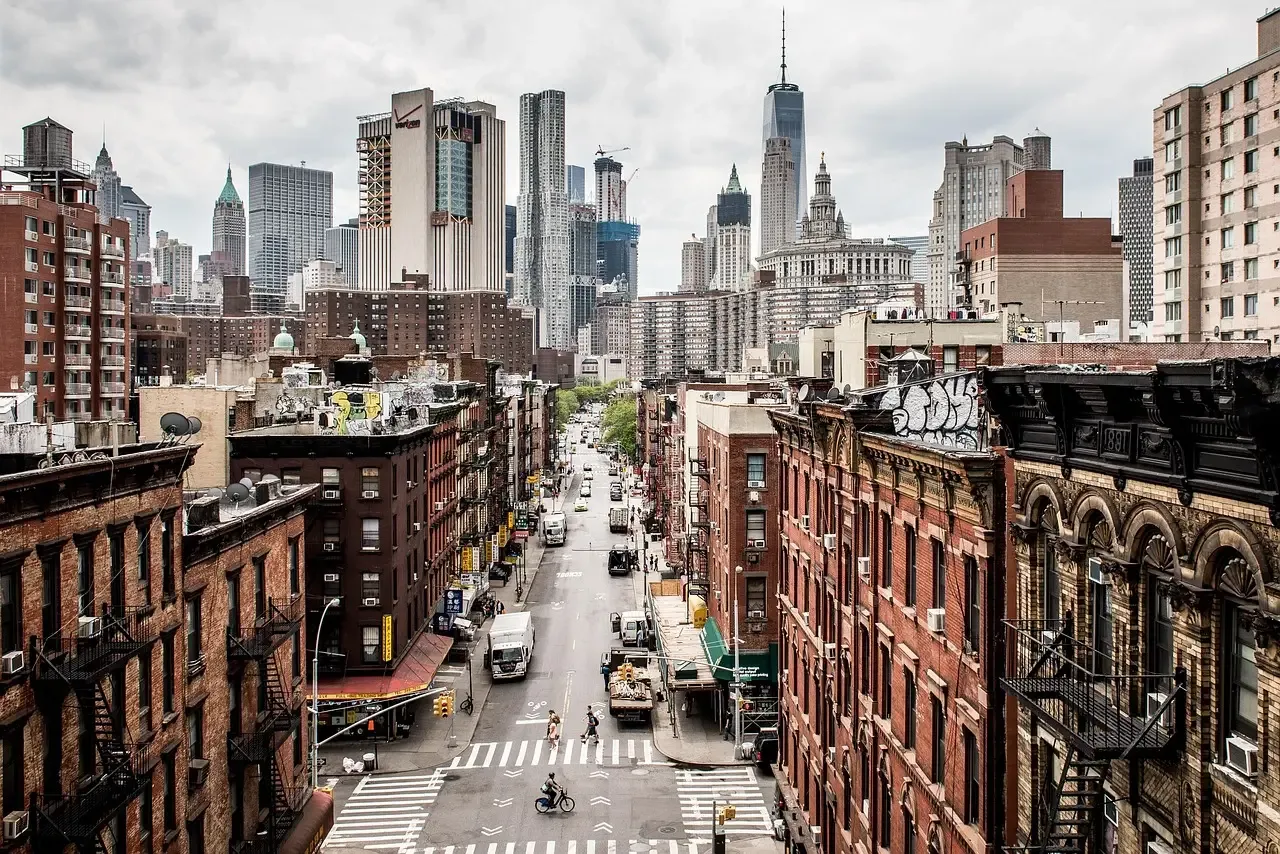
For a working musician, Manhattan or Brooklyn can feel like the center of the universe. For a retired one living on royalties and Social Security, the math turns brutal fast. Retirees may get access to world-class entertainment in New York City, but small apartments can take a massive chunk of a fixed income.
It’s not only rent either. The city is walkable, but subway fares, fees, and tipping culture still add to monthly costs. On top of that, New York has some of the tightest indoor sound rules in the country, which means even playing casually at home can invite a noise complaint. The city has indoor rules where music must not exceed 42 dBA in a neighbor’s apartment after 10 PM. For someone who spent a career around amplifiers, that kind of restriction feels almost personal.
2. San Francisco
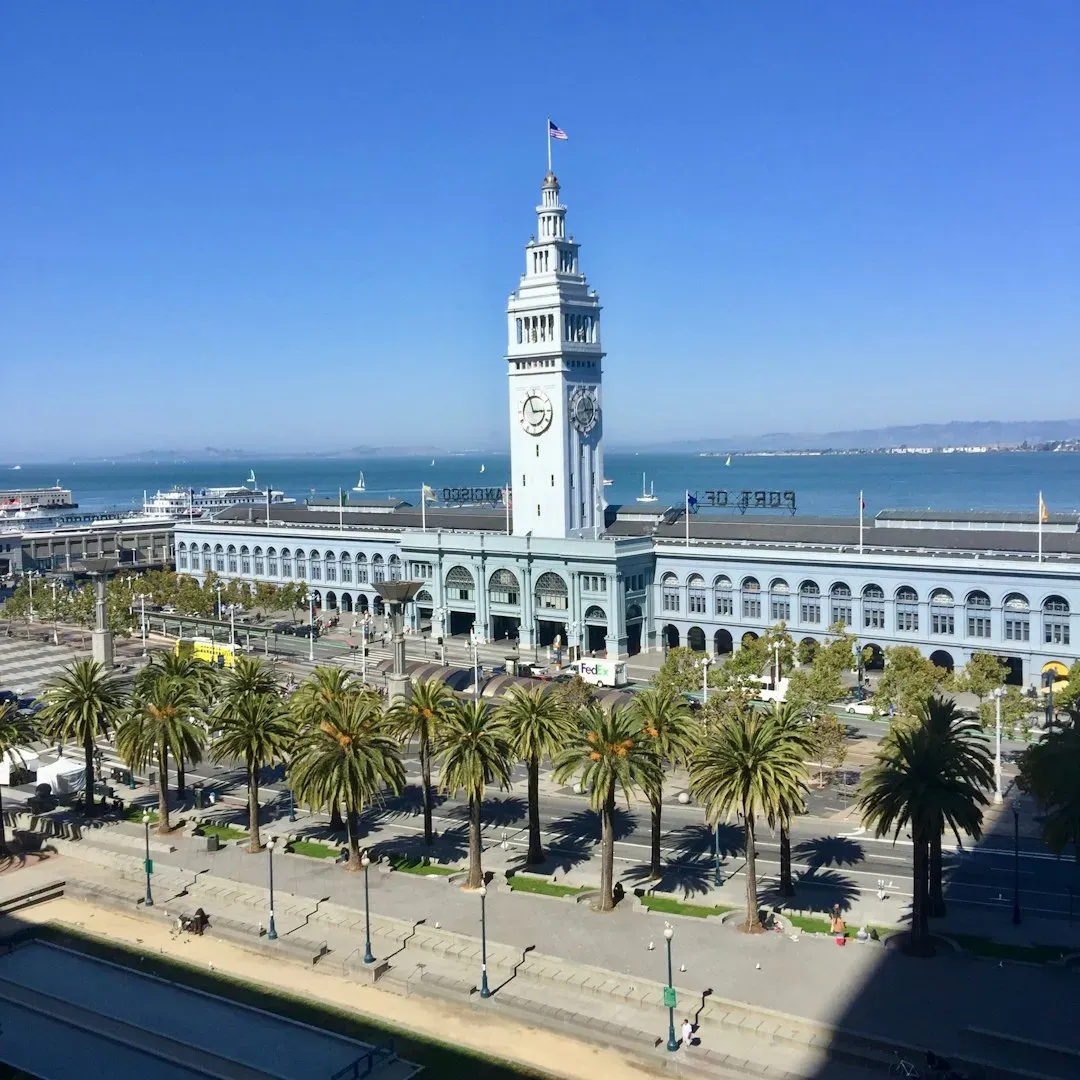
San Francisco’s musical pedigree is unmatched, from the Fillmore ballroom era to decades of singer-songwriters passing through. But the city’s own leadership has admitted the live music scene is under real pressure. With escalating rent and new residential developments popping up, city officials proposed legislation to save long-standing venues from closing.
Several beloved rooms have already shut their doors. Cafe Du Nord in Upper Market, The Lexington in the Mission, Cafe Cocomo in Dogpatch, Red Devil Lounge, and The Sound Factory have all closed or been on the chopping block in recent years. Retired musicians who once played those stages have watched the ecosystem that made the city special quietly erode, and combined with housing costs among the steepest in the nation, it’s easy to see why many look elsewhere.
3. Honolulu
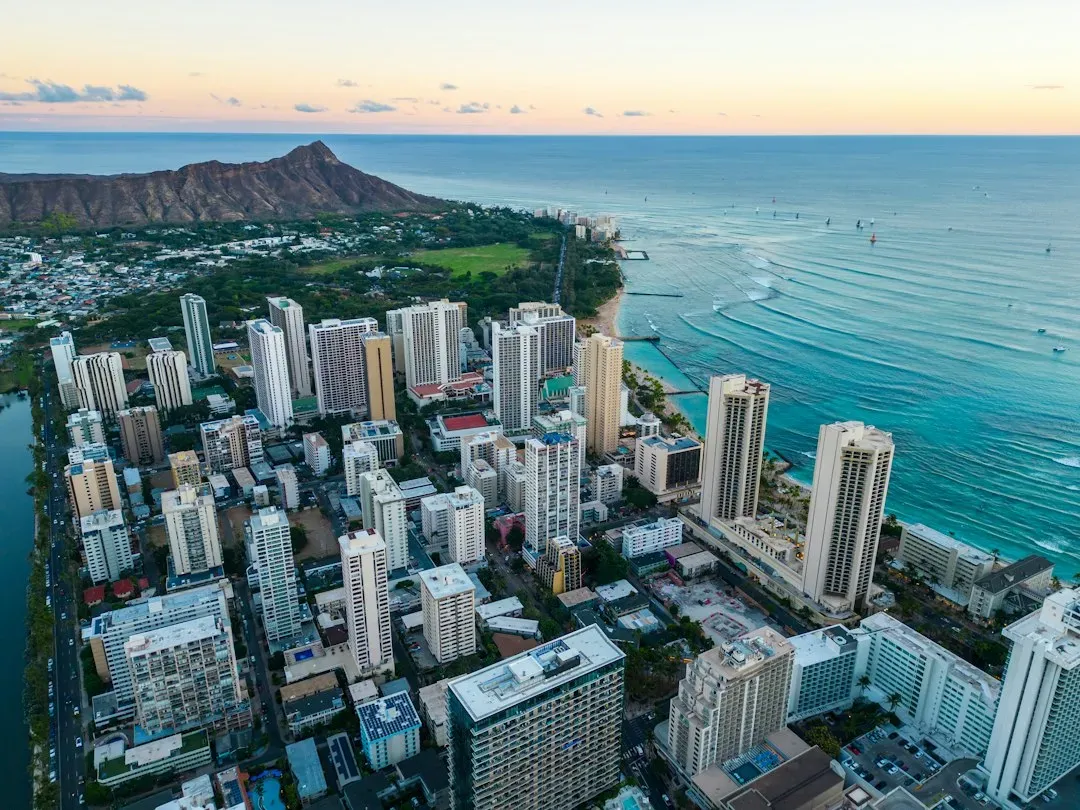
Hawaii sells itself on scenery, and it delivers. But the cost of simply existing there is staggering, and that’s before factoring in retirement-specific expenses. Honolulu is the second most-expensive urban area in the nation with a cost of living index of 182.1, almost double the national average.
Musicians who’ve spent their working lives absorbing irregular income know how to budget carefully, but a nearly doubled cost of living leaves little margin even for the disciplined. There’s an upside worth noting: Hawaii ranks second in the nation for health system quality, which matters for aging performers with decades of hearing strain and physical wear. Still, for many, the tradeoff between healthcare quality and everyday affordability doesn’t tilt in Honolulu’s favor.
4. Santa Rosa, California

Wine country charm has a price tag most touring musicians never quite budgeted for during their working years. Santa Rosa consistently ranks near the bottom of national retirement livability studies once cost is weighted heavily. Santa Rosa, CA, ties for near-last place in a broad ranking of best and worst U.S. cities to retire in.
The ranking methodology behind that placement leans hard on affordability. The analysis assumes retirees will rely on a fixed income, and the lower their expenses, the better they’ll fare, with adjusted cost of living given triple weight. For a retired musician whose income is often unpredictable year to year, a city where fixed costs eat that unevenly distributed money fast is a hard sell, no matter how good the vineyards look from the porch.
5. San Jose, California

San Jose gets lumped in with the broader Bay Area’s appeal, and it’s easy to understand why on paper. Beaches, mild weather, and proximity to San Francisco’s cultural pull all sound appealing to someone winding down a performing career. San Jose has qualities that make it an ideal place for some people to retire, including its quality of life, climate, and proximity to nearby cities.
The reality of the housing market tells a different story once someone runs the numbers. San Jose, CA ties for one of the lowest-ranked cities in a comprehensive retirement livability study. Musicians who spent their careers moving between mid-sized markets often find Silicon Valley’s tech-driven cost structure incompatible with a retirement built on royalty checks and pension payouts rather than stock options.
6. Chicago

Chicago has one of the richest live music histories in the country, from blues clubs to jazz rooms that shaped entire genres. That legacy hasn’t been enough to shield the city from the same noise-ordinance and zoning tensions playing out elsewhere. Venue operators have described how sound ordinances, zoning practices placing residences near existing venues, and developer building requirements collide, as an influx of residents near live music venues creates more conflict over noise issues.
For a retired musician thinking about settling near old haunts or even just attending shows regularly, watching venues get squeezed by these overlapping pressures is discouraging. Illinois also carries a heavier state tax burden than many retirement-friendly states, which compounds the concern for anyone living off a mix of pension, Social Security, and residual royalty income. It’s less about nostalgia and more about whether the infrastructure that made the city musically vibrant will still be standing in ten years.
7. Austin, Texas

Austin built its identity around live music, branding itself as a live music capital for decades. Yet the same growth that made it famous has created friction that longtime musicians describe as exhausting. Venue operators have commented that the combined effects of the sound ordinance, current zoning practices, and developer building requirements collide in a way that catches venues in the crosshairs.
Partner offer
The city’s rapid population growth over the past decade has pushed new residential development right up against historic entertainment corridors, and that proximity fuels noise complaints against clubs that have operated for years. Retired musicians who once counted on Austin’s affordability as much as its scene have watched both erode simultaneously. What used to be a retirement-friendly music town increasingly feels like a city optimized for newcomers with tech salaries, not veterans living on residuals.
Partner offer
Planning a trip to Vegas?
Compare hotel rates and show tickets on VEGAS.com.