The Pulitzer Prize for Fiction (called the Novel category until 1947) has been awarded since 1918. Over the decades it has picked out books that range from sweeping family sagas to short, strange, intimate studies of one life. Plenty of people own a few of these winners, and fewer have finished them all.
Here are ten winners from different eras, with a quick look at what each one is about and why it earned the prize. Count the ones you’ve read as you go. No one’s checking.
To Kill a Mockingbird by Harper Lee
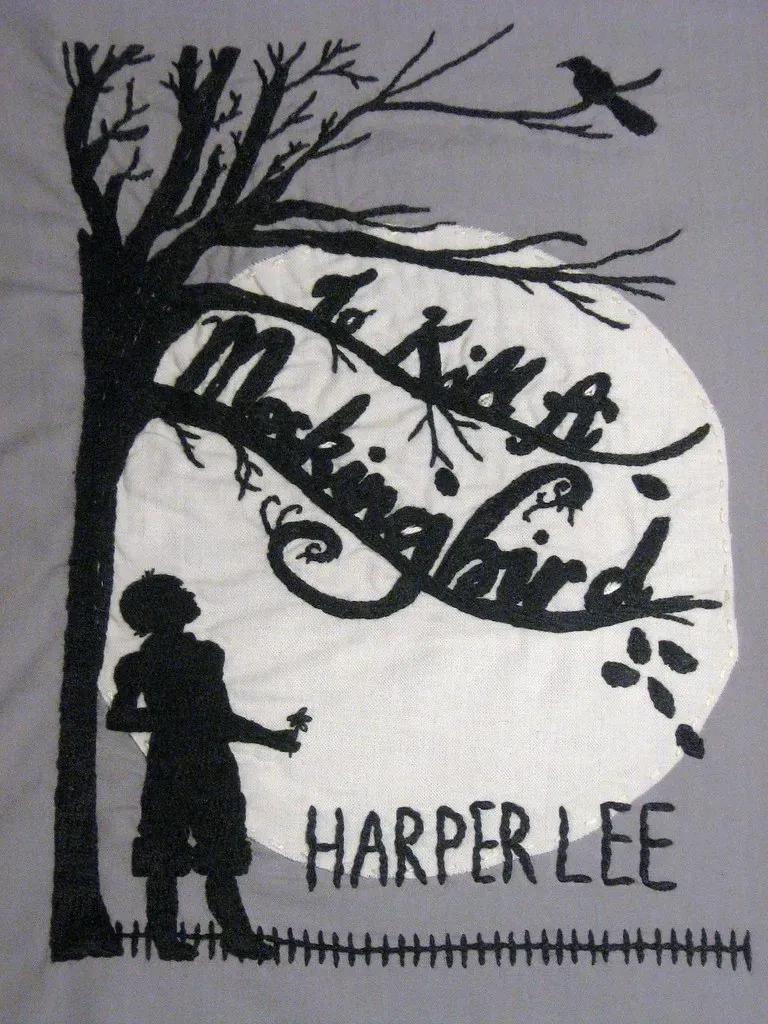
Harper Lee’s novel won the Pulitzer in 1961, one year after it was published. It’s set in a small Alabama town in the 1930s and told through the eyes of a young girl named Scout Finch. Her father, the lawyer Atticus Finch, defends a Black man falsely accused of a crime.
It’s still a fixture on school reading lists. Many readers meet it in their teens, then return decades later and notice different things. Its place in American classrooms has also kept it at the center of ongoing debates about what schools should assign.
The Grapes of Wrath by John Steinbeck

Steinbeck’s 1939 novel won the Pulitzer in 1940. It follows the Joad family, Oklahoma farmers pushed off their land during the Dust Bowl, as they travel west to California looking for work. The book alternates between the family’s story and wider chapters describing the economic forces behind their journey.
Steinbeck later received the Nobel Prize in Literature, in 1962. This novel is a major reason his name carries the weight it does. It’s long, and often bleak, yet it reads quickly once you settle into it.
Gone with the Wind by Margaret Mitchell
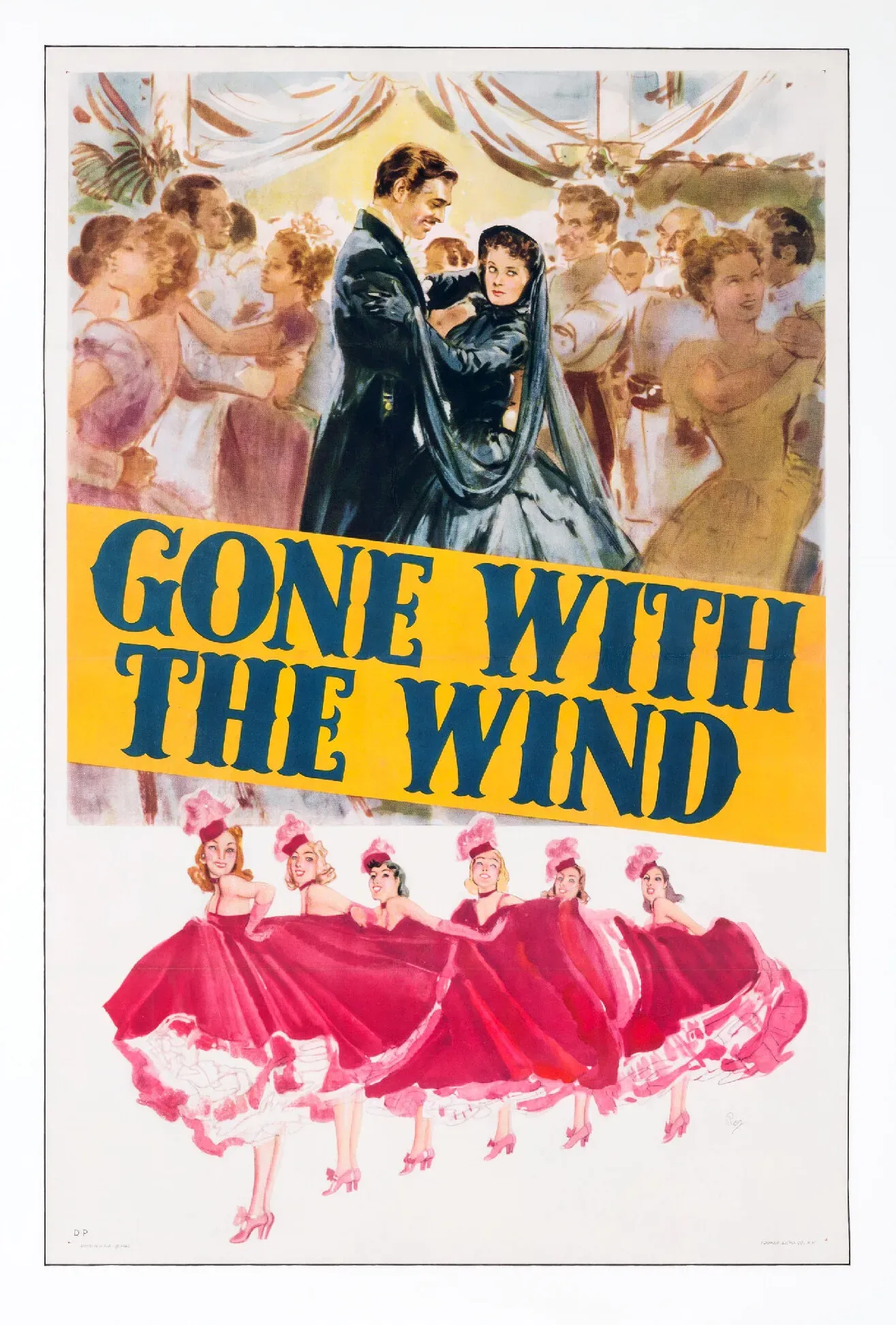
Margaret Mitchell’s Civil War epic won in 1937, a year after publication. It centers on Scarlett O’Hara in Georgia during and after the war. The book was a huge commercial success and was adapted into the 1939 film.
Its reputation today is complicated. Critics and historians have long challenged its romanticized portrait of the antebellum South and its treatment of slavery. It remains an important book to know, even for readers who approach it critically.
Beloved by Toni Morrison
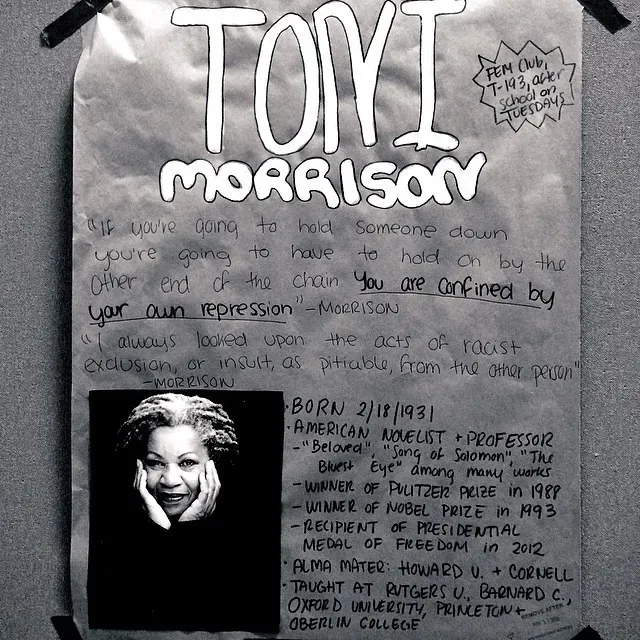
Toni Morrison won the Pulitzer for Fiction in 1988 for Beloved. The novel is inspired by the story of Margaret Garner, an enslaved woman who escaped and, when caught, killed her child rather than see her returned to slavery. Morrison turns that history into a haunting story set after the Civil War.
Morrison received the Nobel Prize in Literature in 1993. Beloved is frequently named among the great American novels of the late twentieth century. It asks a lot of the reader, and gives plenty back.
The Road by Cormac McCarthy

McCarthy’s The Road won the Pulitzer in 2007. A father and his young son walk through a burned, ashen America, trying to reach the coast and avoid the dangers along the way. The prose is stripped down, with sparse punctuation and short bursts of dialogue.
Partner offer
It’s a quick read in terms of page count, but an emotionally heavy one. The relationship between the two characters is what carries the book. A film adaptation followed in 2009.
The Goldfinch by Donna Tartt
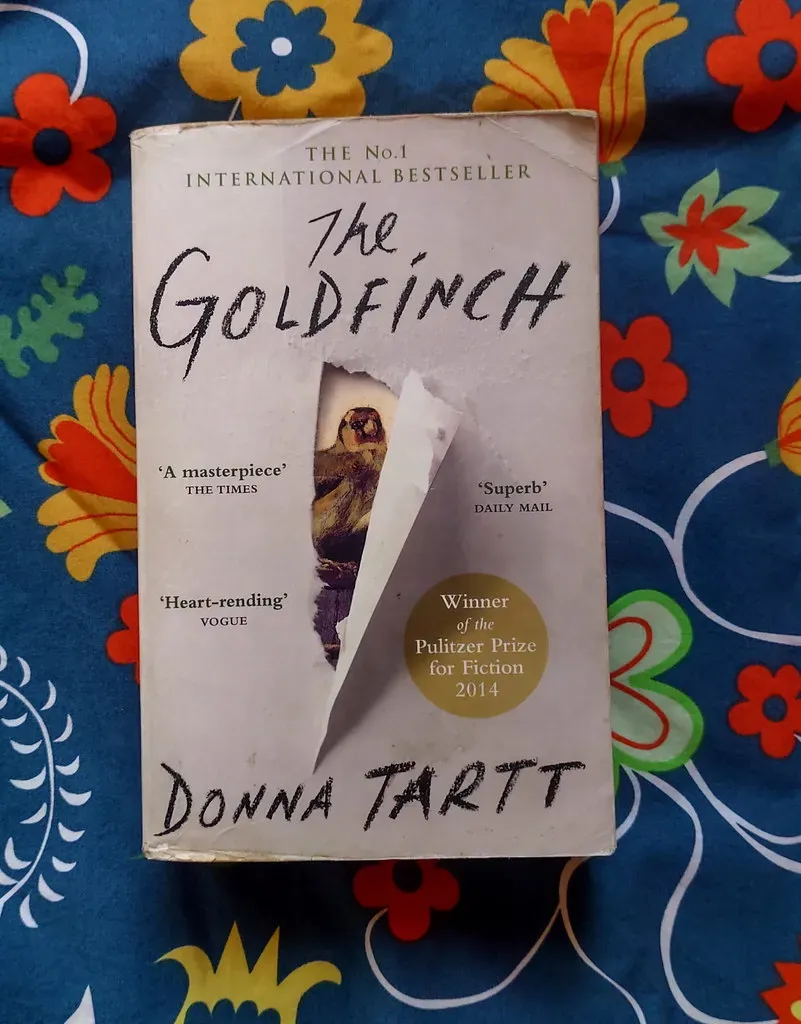
Donna Tartt’s The Goldfinch won in 2014. It follows Theo Decker, who survives an explosion at an art museum as a boy and takes a small famous painting with him. The story then tracks him into adulthood, through New York, Las Vegas, and Amsterdam.
At well over seven hundred pages, it’s a commitment. Some readers love the Dickensian scope, while others find it overlong. It was adapted into a film in 2019.
The Underground Railroad by Colson Whitehead

Whitehead won the Pulitzer in 2017 for this novel, which imagines the Underground Railroad as an actual network of trains and tunnels. Cora, a young woman enslaved in Georgia, escapes and moves from state to state, each one presenting a different version of American racism. The literal railroad is an invention, but it frames real historical brutality.
Whitehead went on to win the Pulitzer again in 2020 for The Nickel Boys. That made him one of only a few authors to win the fiction prize twice. The Underground Railroad was adapted into a television series in 2021.
All the Light We Cannot See by Anthony Doerr

Doerr’s novel won in 2015. It alternates between Marie-Laure, a blind French girl, and Werner, a German orphan with a gift for radios, during World War II. Their paths converge in the walled port city of Saint-Malo.
The chapters are short, which helps the pace. The book spent a long stretch on bestseller lists and was adapted into a Netflix series in 2023. It’s one of the more accessible recent winners.
The Overstory by Richard Powers
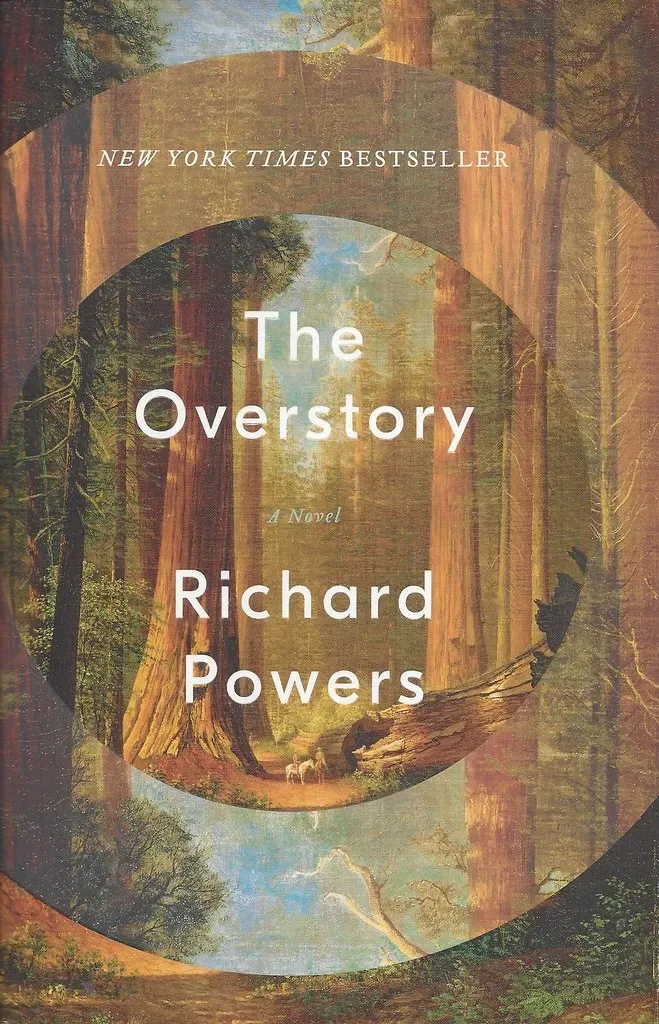
Richard Powers won the Pulitzer in 2019 for The Overstory. The novel follows nine characters whose lives are changed by trees, and it gradually draws them into environmental activism. Trees themselves are treated almost as characters, with real attention to forest science.
Its structure is unusual, starting with separate short stories before the threads connect. Some readers find the opening slow, then discover the payoff. It’s a good pick if you like fiction with ideas at its core.
Demon Copperhead by Barbara Kingsolver

Barbara Kingsolver shared the 2023 Pulitzer for Fiction with Hernan Diaz, who won for Trust. Demon Copperhead reimagines Charles Dickens’s David Copperfield in modern Appalachia. Its narrator is a boy born to a teenage mother in a trailer in southwestern Virginia.
The novel deals with foster care, poverty, and the opioid crisis. Kingsolver’s earlier books had been finalists and award contenders, yet this was her first Pulitzer. It’s one of the more recent winners on this list, and a strong place to start if you’ve read few of the others.
Partner offer
Planning a trip to Vegas?
Compare hotel rates and show tickets on VEGAS.com.