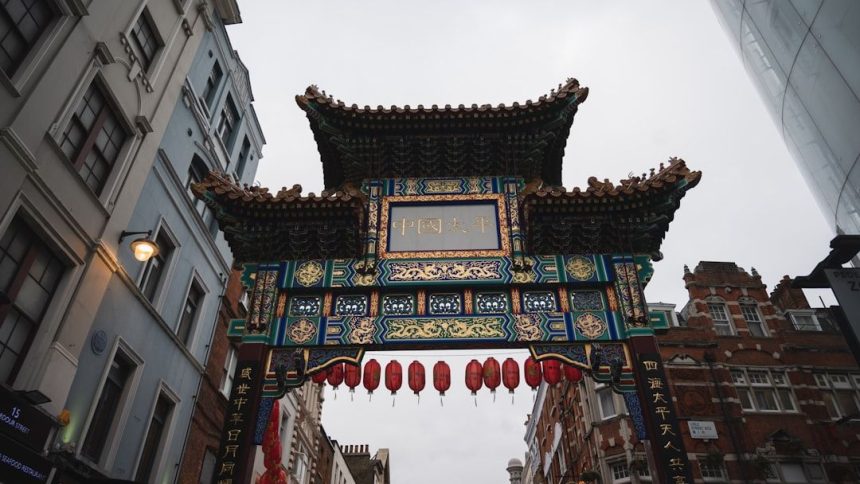
Most people pass through Chinatown on their way somewhere else. They grab something quick, snap a photo of the lanterns, and move on. What they miss is one of the most quietly dynamic food stories happening in American cities right now. The neighborhoods that carry the Chinatown name have been doing something remarkable since 2024. They are not just surviving. They are expanding, reinventing, and drawing in diners who never would have wandered in a decade ago. The numbers back this up, and so does the food.
An Industry That Refuses to Stand Still
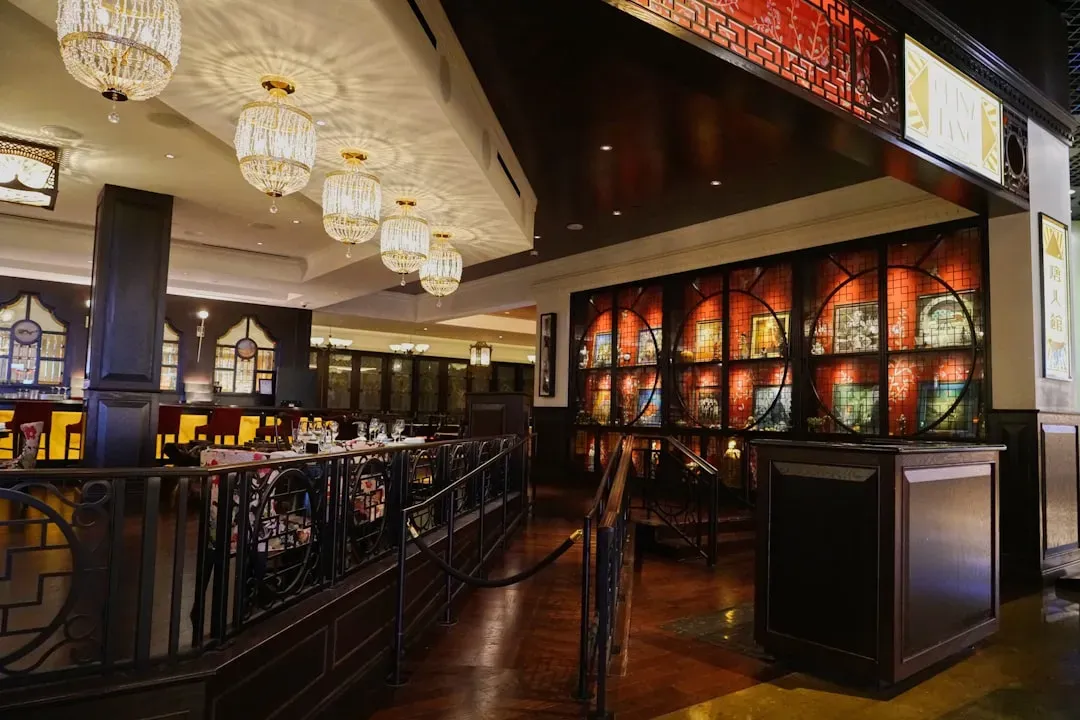
Despite grappling with increasing inflation since 2021, the Chinese restaurant industry in the United States has shown real resilience, with a projected industry value reaching $28.4 billion by 2025. That is a notable trajectory for any food sector. There are roughly 24,913 businesses in the Chinese restaurant industry in the United States, a figure that has grown steadily between 2020 and 2025.
The Chinese takeout market alone is forecast to increase by over $23 billion at a compound annual growth rate of around six percent between 2024 and 2029. That kind of momentum signals something deeper than a passing food trend. The market is being driven by the increasing popularity of Chinese cuisine and the rising adoption of food delivery services, fueled by consumers’ growing appreciation for diverse culinary experiences.
New York’s Chinatown: Where Old Roots Grow New Branches
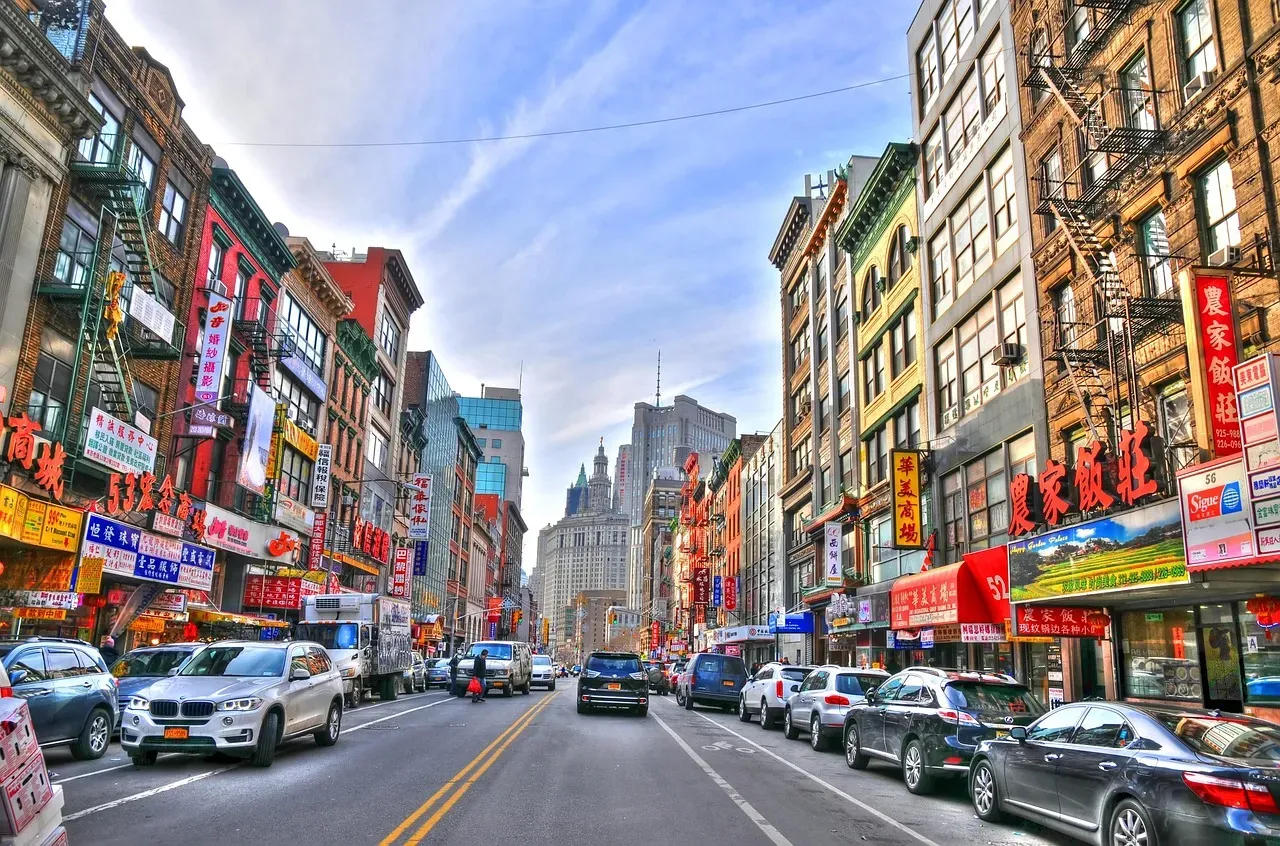
When people think of New York’s Chinatown, the one in Manhattan is usually the first that comes to mind. With over a century of history, it stands as a home for the Chinese diaspora and a cultural landmark rich in food and tradition. That legacy is far from static today.
Restaurateur Cory Ng, a 37-year-old born and raised in Manhattan’s Chinatown, opened Potluck Club in 2022 alongside his wife, executive chef Zhan Chen, and childhood friends Justin Siu and Ricky Nguyen – a millennial Cantonese American restaurant that serves shatteringly crisp salt-and-pepper fried chicken. Through that space, and his most recent restaurant Phoenix Palace which opened in 2024, Ng hopes to help his community continue to thrive in Chinatown. It is this model of neighborhood-native chefs reinvesting in their own blocks that gives the current revival its genuine texture.
Las Vegas Chinatown: The Most Underrated Food Mile in America
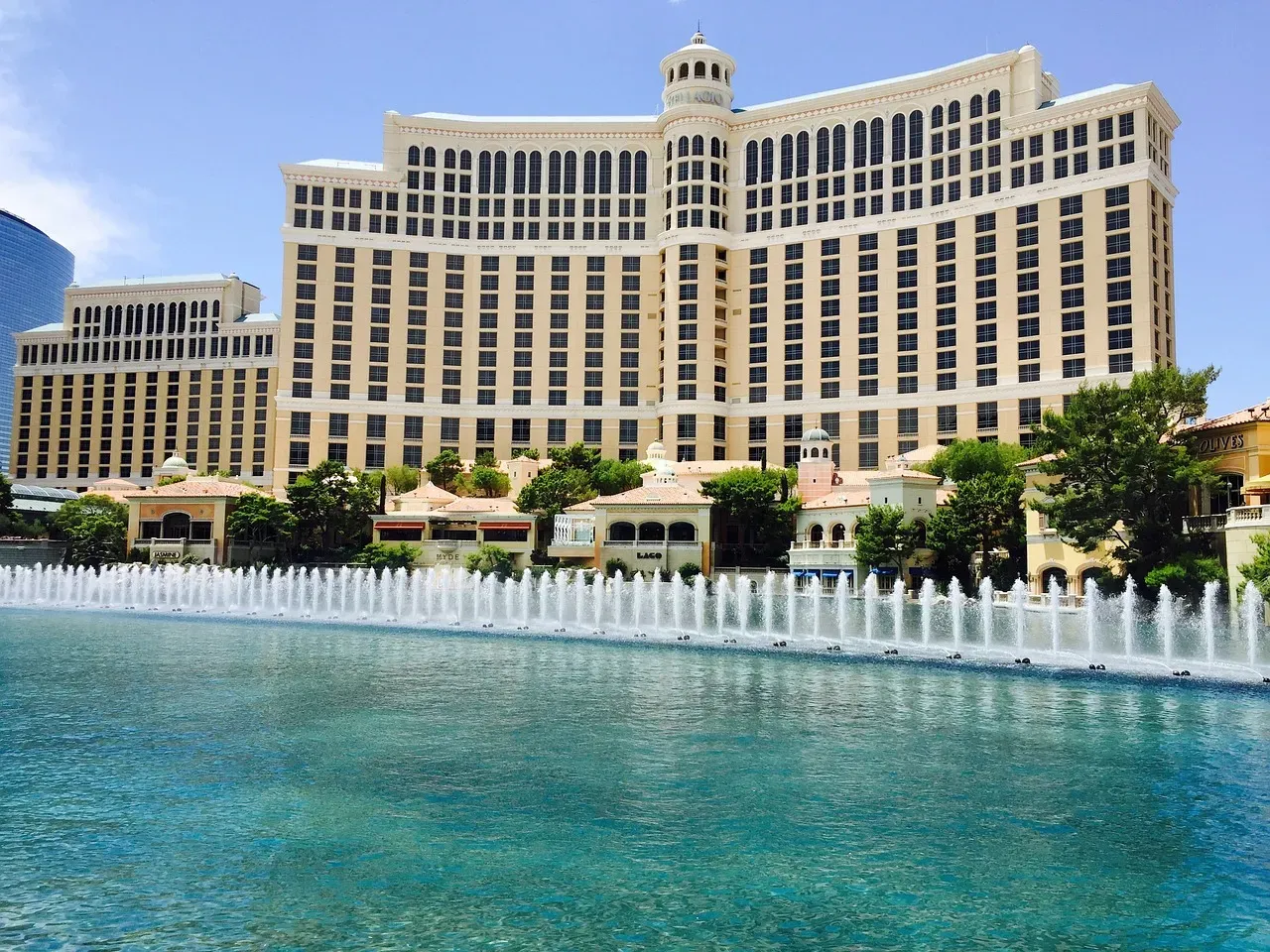
Spring Mountain Road’s dining corridor in Las Vegas keeps growing, featuring over 25 strip malls that define it as a “New Chinatown,” attracting visitors from across the city and beyond. The pace of new openings there has been almost relentless. Shoo Loong Kan Hotpot is set to bring new life to the historic Chinatown Plaza, ushering in what many consider a new era of hotpot dining in the district.
Seoul Plaza in Las Vegas Chinatown may be one of the smallest plazas in the entire district, but it has quietly become ground zero for some of the very best Japanese dining in the entire city, earning the nickname “Tokyo Plaza” among regulars. Step inside its parking lot and you’re surrounded by acclaimed names including Raku, Monta Ramen, Zen Curry House, and Trattoria Nakamura-ya. Few food districts this compact punch this far above their weight.
The Food Hall Moment: Reinventing the Plaza
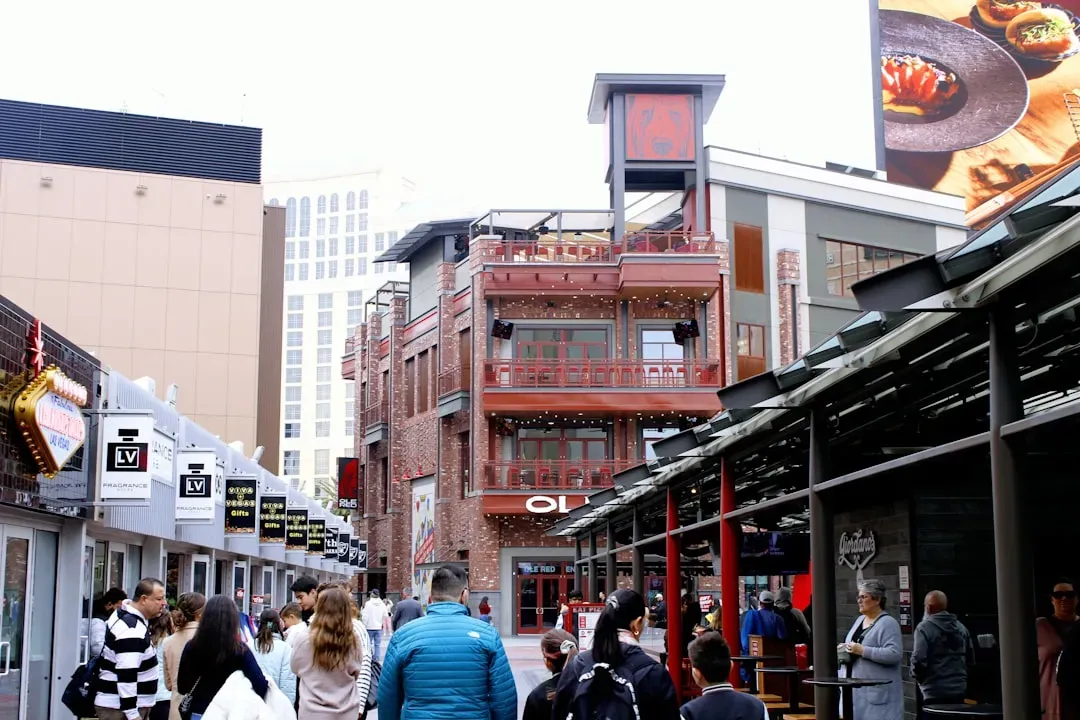
Bold plans are underway to reimagine the enclosed mall space inside the historic Chinatown Plaza in Las Vegas as a dedicated Asian Food Hall, turning what was long-standing interior retail and office space into a buzzing, centralized showcase for the neighborhood’s food scene. It reflects a broader shift in how Chinatown districts are thinking about their own futures.
The Chinatown Mall, which has anchored the plaza since its 1990s debut, is planned to undergo a complete renovation to emerge as a modern, communal dining destination. The food hall format fits Chinatown particularly well. Variety, shared tables, and walk-in accessibility are things these neighborhoods have always understood intuitively.
Flushing, Queens: A Second Chinatown Comes Into Its Own
In the past decade, new Chinatowns have emerged across other boroughs of New York. Flushing in Queens has quickly become a major destination for recent Chinese immigrants, bringing with them a new wave of regional culinary specialties. What Flushing offers that Manhattan Chinatown sometimes cannot is sheer freshness. The menus are newer and the regional range is wider.
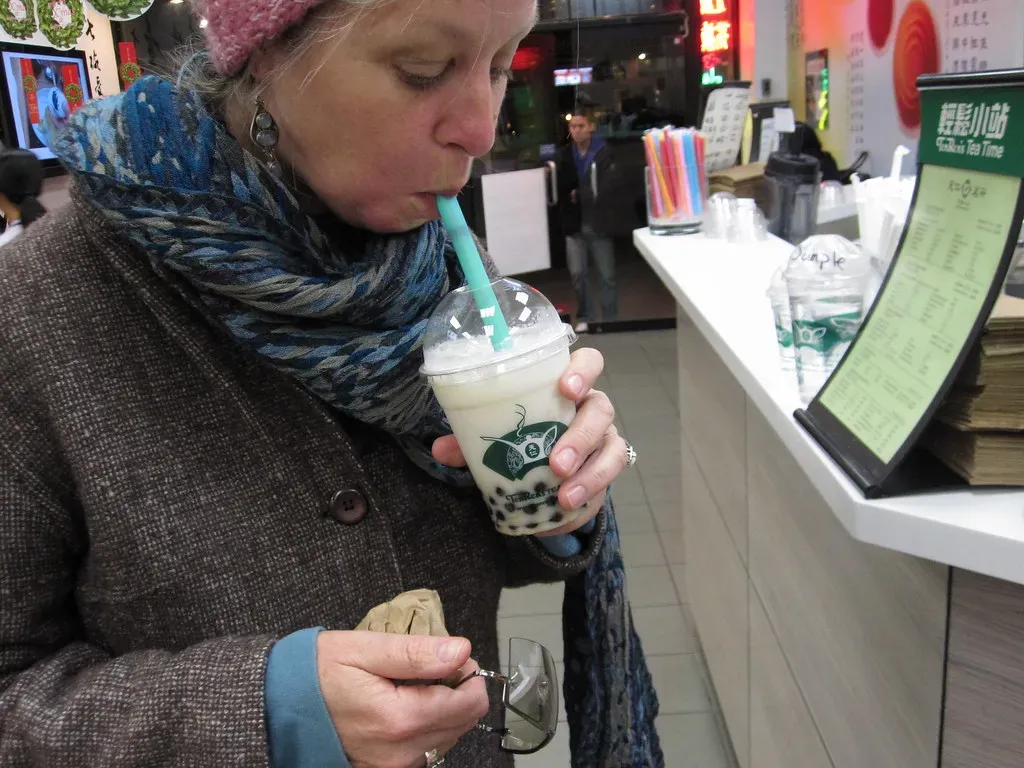
Chinese bubble tea has evolved far beyond simple milk tea with tapioca pearls. These days, many boba shops focus on the tea itself rather than the toppings, and in Flushing they are everywhere, making it the perfect destination for a dedicated tea crawl. Many of China’s largest tea chains have landed in Flushing in recent years, with HEYTEA being among the most popular, known for high-quality teas with tropical ingredients like fresh mango, coconut, and guava.
The Boba Boom and Its Complicated Legacy
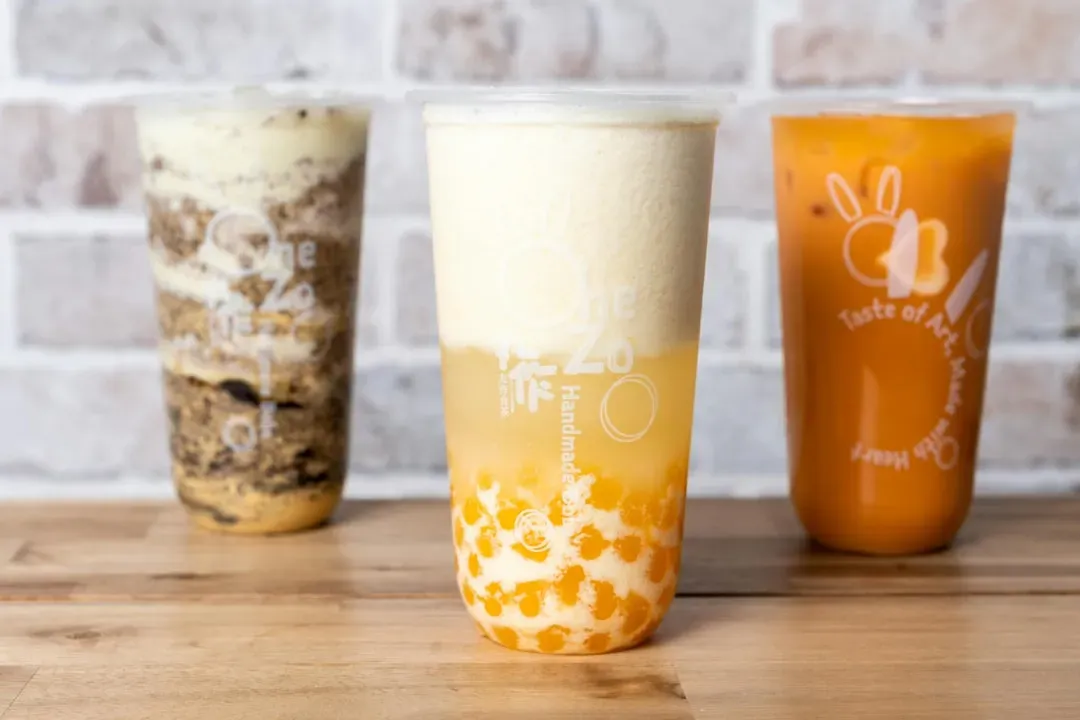
Today, there are more than 30 standalone boba shops in Manhattan Chinatown’s two-mile radius, each an average of 230 feet from the next. At least 15 of these appeared since the beginning of 2024, more than the number that opened in the entire decade between 2013 and 2023. That is a remarkable density for any single beverage category.
The global bubble tea market is estimated to see a compound annual growth rate of nearly eight percent from 2025 to 2032, and in 2024 the global market reached $2.63 billion. Still, the story is not purely celebratory. The boba boom has supplanted houseware shops, Chinese dry goods stores, pharmacies, and salons, unfolding amid widespread small-business closures and a residential population that has become less working-class and less Asian. Progress and loss are happening at the same address.
The New Generation of Chinatown Chefs
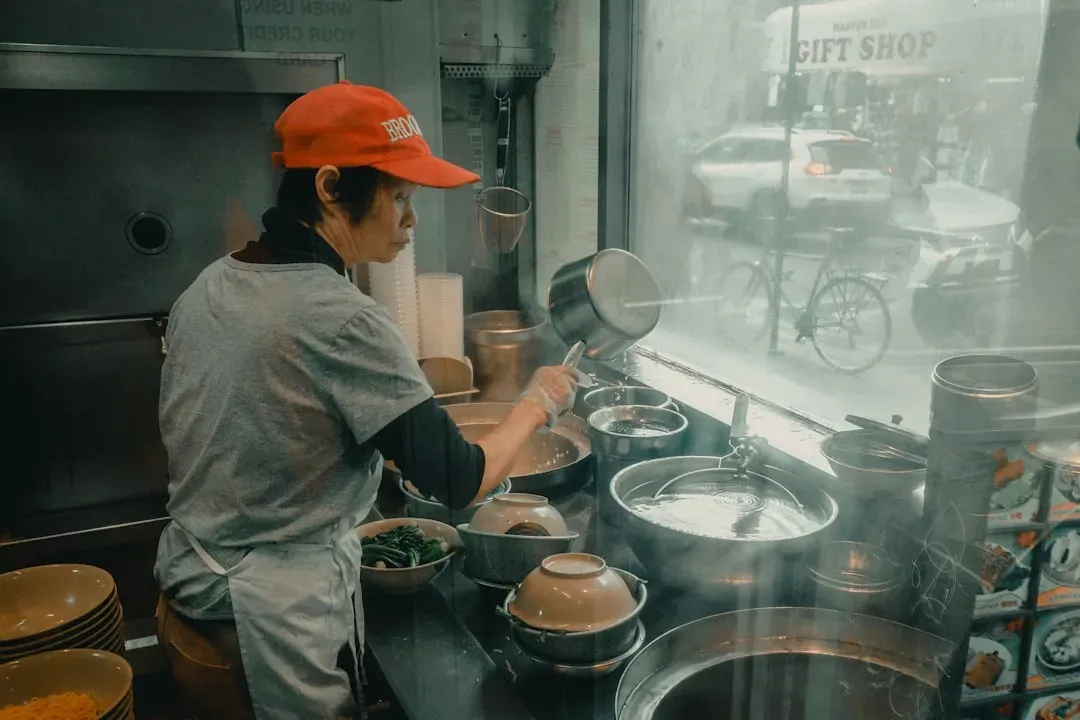
Chef Steve Kestler, a 2024 James Beard Award finalist for Best Chef: Southwest, made a high-profile move to the heart of Las Vegas’s Spring Mountain corridor. His arrival signals something important: Chinatown is no longer just a destination for immigrant comfort food. It has become a place where acclaimed chefs want to be.
Potluck Club in New York’s Chinatown serves everything family-style, from salt and pepper chicken with scallion biscuits to jellyfish salad and oyster mushroom rice roll noodles. It is also a nod to NYC’s famous and increasingly dwindling banquet halls. These chef-driven spaces thread a careful needle: honoring tradition while creating something the next generation can actually claim as its own.
Hotpot, Dim Sum, and the Communal Table
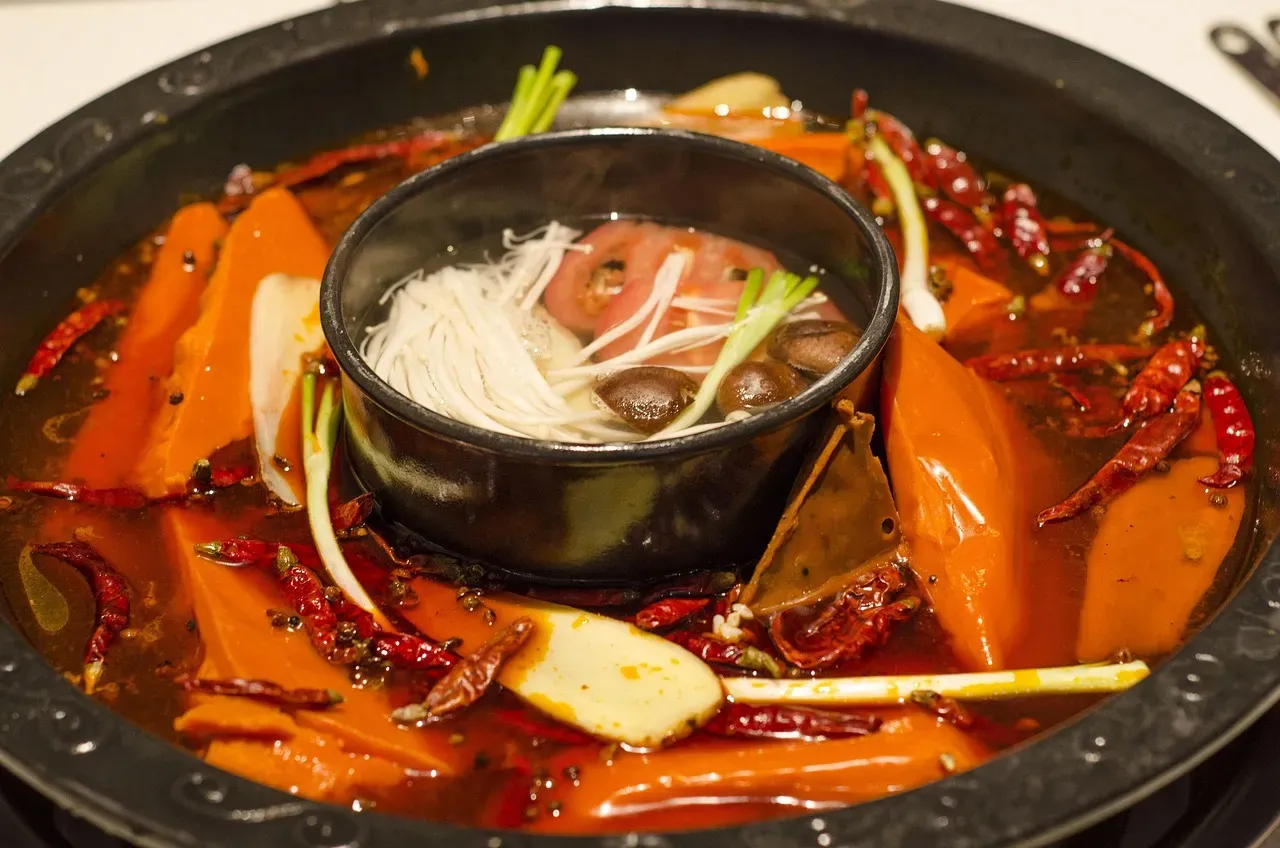
Chinese restaurant chains expanding internationally are offering everything from bubble tea and dim sum to hotpot and malatang, with some brands working to integrate Chinese flavors into everyday meals for mainstream local consumers. Hotpot in particular has become a crossover phenomenon. One hotpot operator noted that roughly seven in ten of their customers are local non-Chinese diners, and that Chinese customers started bringing their non-Chinese friends, who then brought others.
At the heart of New York’s Chinatown, Nom Wah Tea Parlor on Doyers Street remains the oldest dim sum parlor in the neighborhood, having been in business since 1920. That a century-old dim sum parlor still draws lines today, sitting alongside trendy new openings, tells you everything about the range this neighborhood holds. Chinatown’s culinary identity is not one thing. It never was.
Cultural Programming as an Anchor for the Food Scene
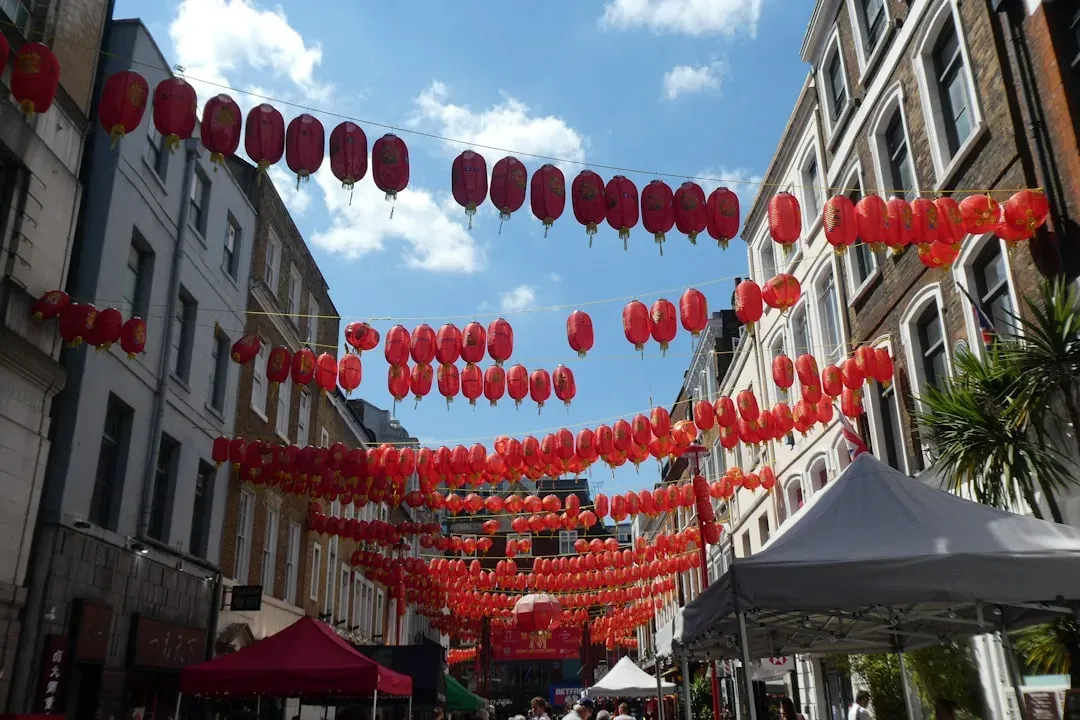
The Chinatown Arts Festival in New York returned for its eighth year in October 2025, celebrating a whole month of culture, creativity, and community through Cantonese opera, mooncake afternoons, puppets, and sound baths. Think!Chinatown showcased both traditional Chinese cultural arts groups and emerging Asian American artists through visual art, music, dance, food culture, and storytelling.
The festival included workshops on the centuries-old tradition of Chinese pickling through guided tastings of preserved vegetables from Chinatown small businesses, with participants assembling their own paocai jars of tangy, savory vegetables and spices to take home. Food culture and community programming are reinforcing each other in ways that give the revival real staying power, not just foot traffic spikes around Lunar New Year.
What the Revival Actually Means Going Forward
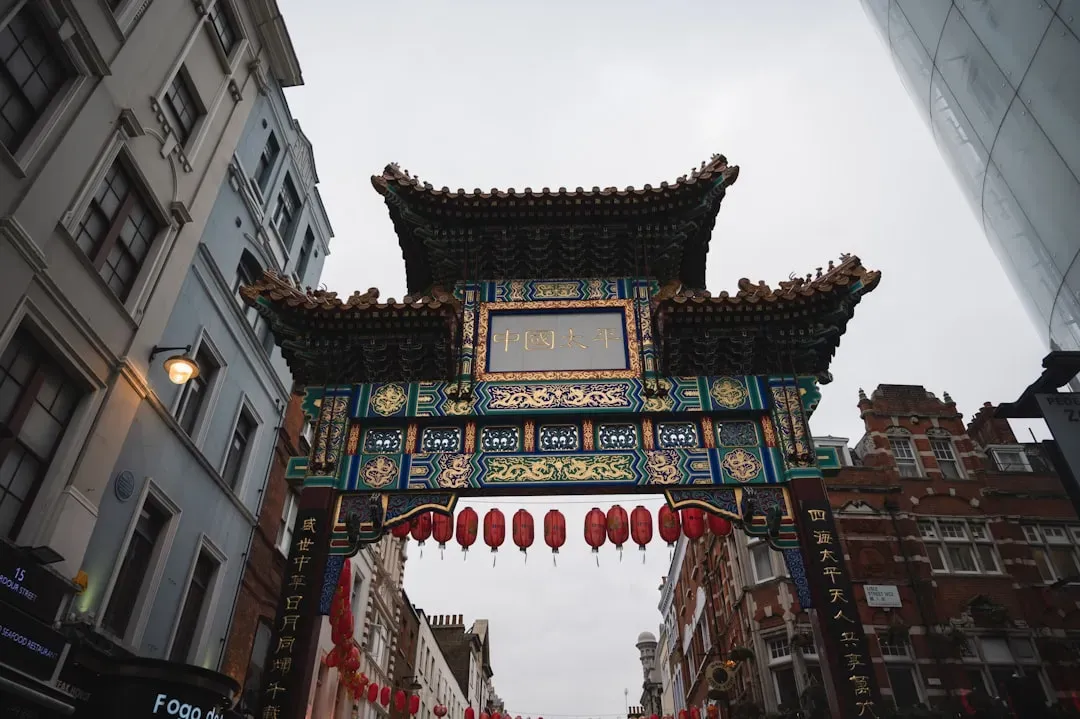
Rather than catering largely to immigrants seeking a taste of home, Chinatown businesses now aim to serve international students, tourists, and other adventurous non-Asian diners. That shift is both an opportunity and a tension worth watching carefully. Many traditional small businesses operated on razor-thin margins and struggled to catch up after the pandemic, especially amid record inflation and rising rents. Largely run by immigrants whose businesses often didn’t even have a website, many couldn’t lean on digital marketing the way newer chains have.
National Geographic in 2024 named Chinatown a top U.S. destination for its authentic Asian culture and community vibrancy. Recognition like that draws visitors. Whether those visitors are guided toward the century-old noodle shops alongside the gleaming new hotpot chains is a question each Chinatown is answering in real time, one restaurant at a time.
The culinary heart of these neighborhoods beats louder than it has in years. The more interesting question is whose heartbeat it follows: the long-rooted communities that built these blocks, or the new wave riding their coattails. The most promising version of a Chinatown revival is one where both get to stay at the table.