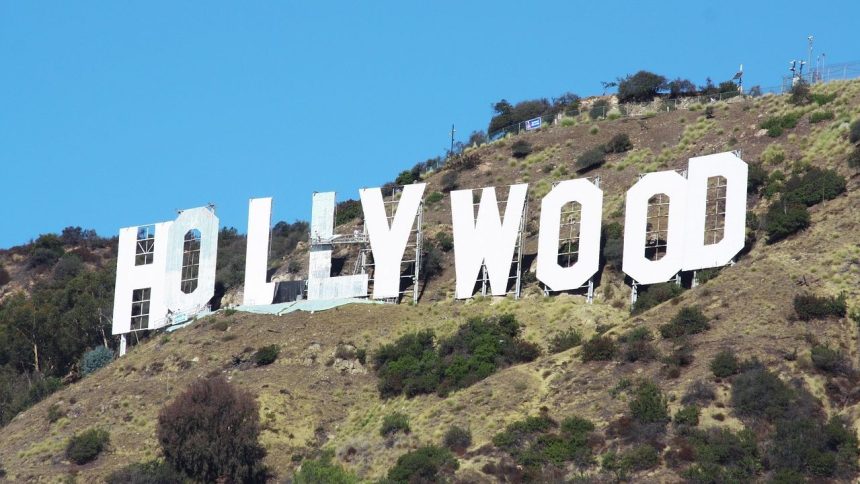
There’s a pattern playing out across America’s most celebrated music cities, and it’s uncomfortable to talk about. The cities that once promised aspiring musicians a community, affordable rehearsal space, and a shot at a real career are increasingly delivering the opposite: sky-high rents, shuttered venues, and a creative atmosphere quietly hollowed out by real estate speculation and consolidation. The dream still gets sold. The math often no longer works.
This is not to say these cities are musically dead. Talent still exists in all of them. The question is whether an emerging or working-class musician can realistically survive there today, in 2026, without burning through savings or working a full-time day job just to keep the lights on. For many, the honest answer is no.
Austin, Texas: The “Live Music Capital” That’s Pricing Out Its Own Artists
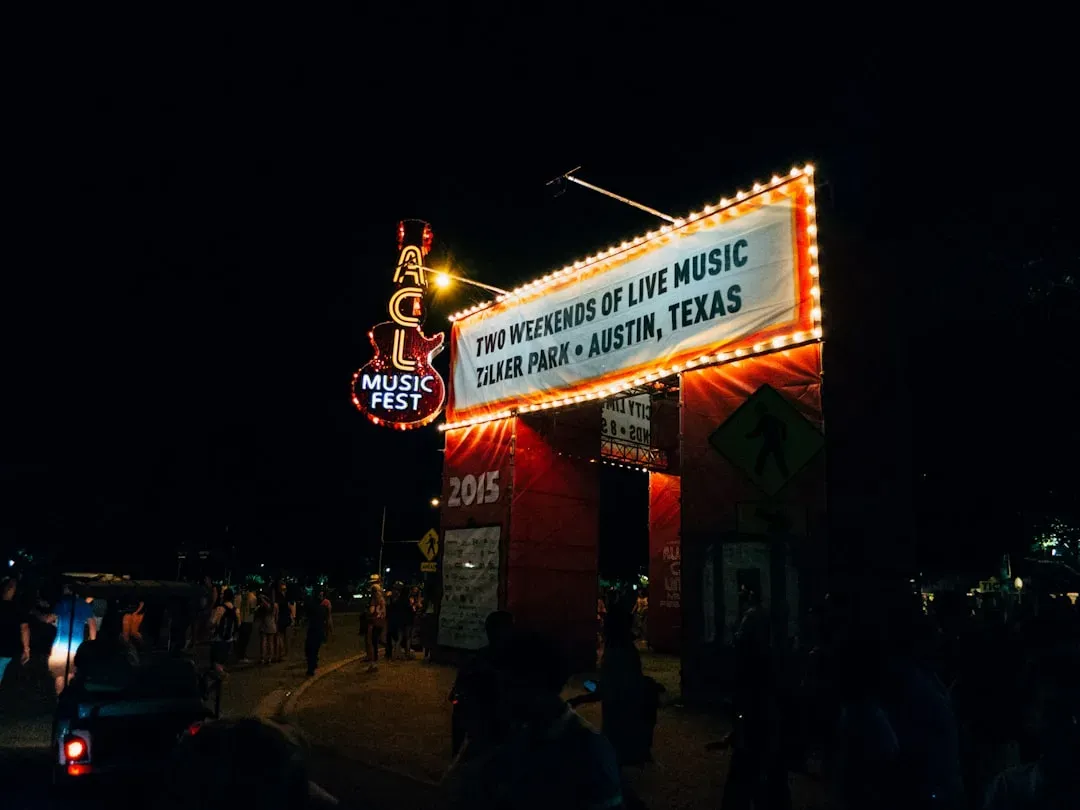
Austin’s reputation as a quirky, creative haven where musicians and tech workers lived harmoniously has collided with harsh economic realities. Between 2023 and 2024, population growth slowed to a small fraction of what it once was – a dramatic shift for a city that previously led the nation in attracting newcomers. The affordability crisis has fundamentally transformed Austin’s character, pricing out the very artists and creative types who gave the city its unique flavor.
Austin’s music ecosystem now faces mounting pressure from rising rents, venue closures, and an increasingly expensive cost of living that pushes some artists to Austin-adjacent towns like Cedar Park, Lockhart, and San Marcos. Venues feel the same squeeze, battling increasing rent, increasing taxes, and increasing insurance costs, with only so much room to raise ticket prices. The “Live Music Capital of the World” title is starting to feel like a marketing slogan rather than a lived reality for working musicians.
San Francisco, California: Where You Can Sell Out a Show and Still Not Afford Rent
As discussions at San Francisco’s 2025 Music Week Industry Summit deepened, the tone shifted from local pride to unpacking the dire situation holding the city back from its full potential as a music hub. Exorbitant rents require artists to move away or hold down multiple jobs, leaving no time for music. Small venues face impossible economics. A collective post-COVID mood shift towards introversion has hurt turnout. Large labels and promoters are profiting while small businesses are in crisis. There’s even a brain drain toward New York and Los Angeles.
The situation is absurd enough that it was voiced plainly at the summit itself. One working musician summarized the struggle perfectly: he had just sold out The Independent, a 500-person-capacity club, but still couldn’t afford his apartment. San Francisco musicians average a weekly wage of just over $1,300, with roughly 2.36 venues per 100,000 people – modest numbers for such a legendarily musical city.
Nashville, Tennessee: Still Functional, But the Romance Is Gone
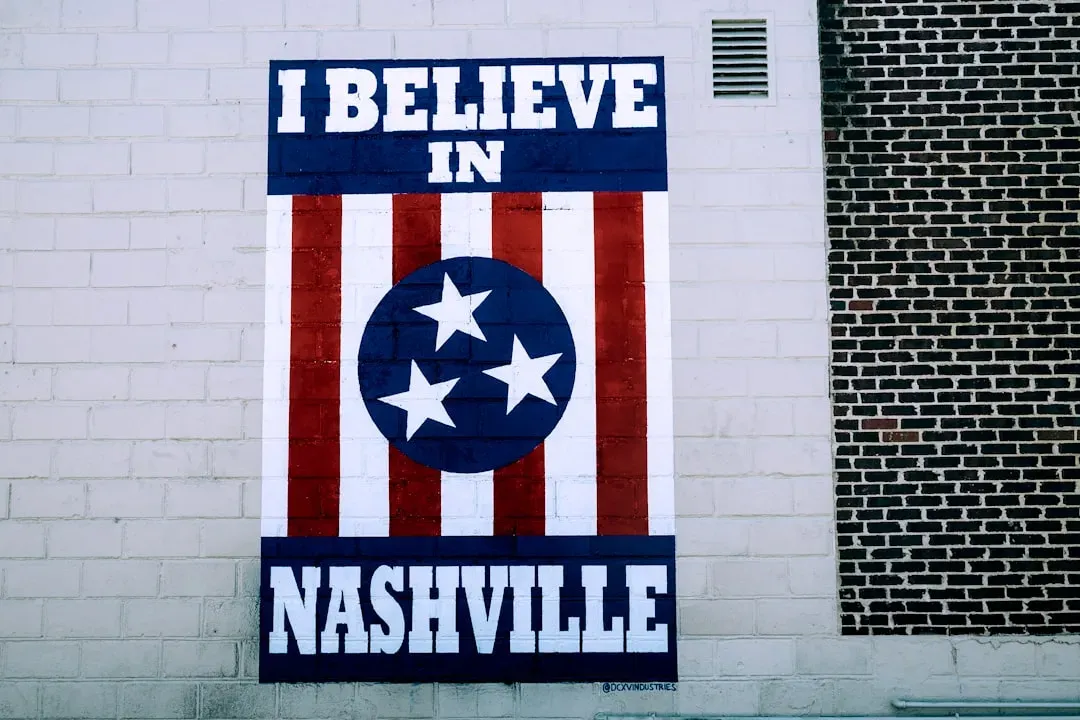
Nashville tops many “best cities for musicians” lists, and the infrastructure is genuinely there. It ranks first in at least one major 2025 analysis, partly due to having around 4.66 music venues per 100,000 residents – plenty of places to perform on paper. The problem is that the city’s rapid growth has pulled its cost of living firmly away from what once made it so attractive to working artists.
In 2025, Nashville’s cost of living index sits at roughly seven percent above the national average, with that rise primarily driven by higher housing and transportation costs. The median home price hit around $478,000, up roughly six percent year over year. The honky-tonk bars on Broadway are thriving, but many serve tourists, not the local musician community. The city functions. It just doesn’t feel the way it used to.
Los Angeles, California: High Wages, Higher Everything Else
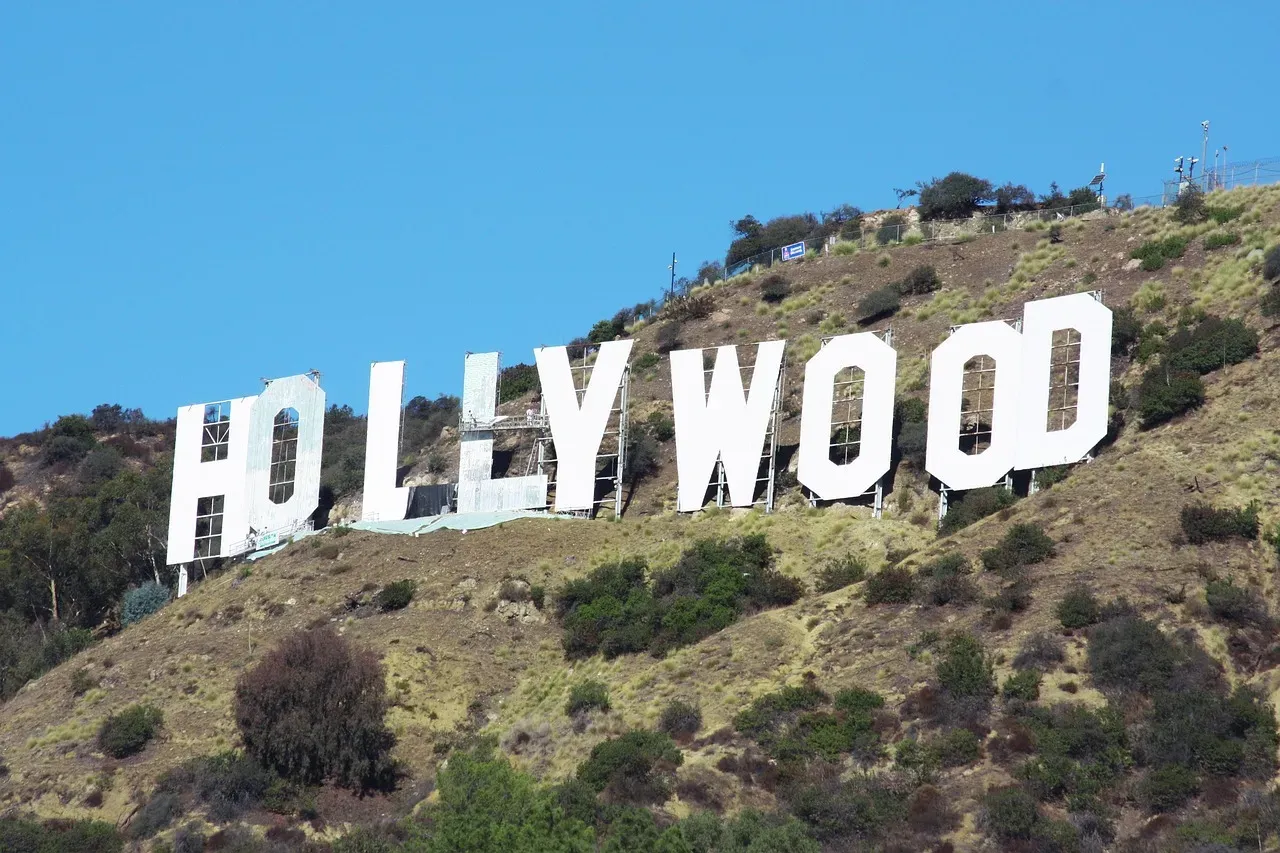
On paper, Los Angeles looks like a musician’s paradise. The average weekly wage for musicians in LA ranks among the highest in the country, driven largely by music production, film scoring, recording, and licensing work rather than live gigging. That distinction matters a great deal. Those jobs go to a relatively small circle of industry insiders – not to the independent artist who just moved to town chasing a dream.
While major ticketing companies thrive, the independent music scene faces significant challenges, with rising costs and intense competition from mega-tours and large-scale events making survival difficult for smaller players, including artists, venues, promoters, and festivals. LA’s creative mythology is real and documented, but its cost of living is punishing. Many emerging artists who move there simply exhaust themselves financially before they ever break through.
Seattle, Washington: Nearly Half of Its Musicians Are Thinking About Leaving
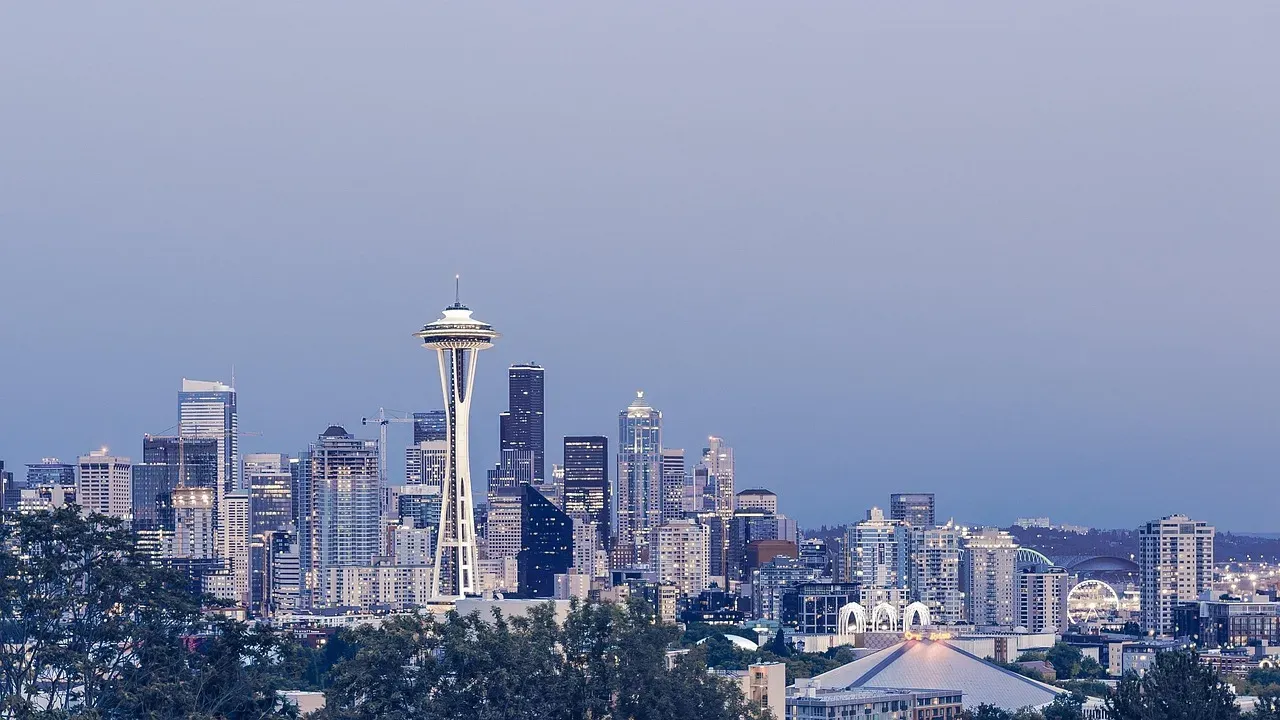
Washington’s music sector directly contributes roughly 6.4 billion dollars annually to the state’s GDP. Yet a first-of-its-kind Washington Music Census found a troubling reality: musicians in the state earn only about 29 percent of their income from music, and nearly half of the state’s artists are actively considering relocation due to housing costs. That’s a staggering number for a city that built its entire modern identity on being a music town.
The findings paint a mixed picture of the current state of Washington’s music and nightlife sector. Revenue figures for venues look healthier than they did right after the pandemic, but the human cost is visible: working musicians who cannot pay rent from their craft, and who are seriously weighing whether staying makes any financial sense at all. Seattle concert ticket prices have also been rising, which squeezes both fans and the artists who depend on consistent local turnout.
New York City, New York: Legendary and Nearly Impossible
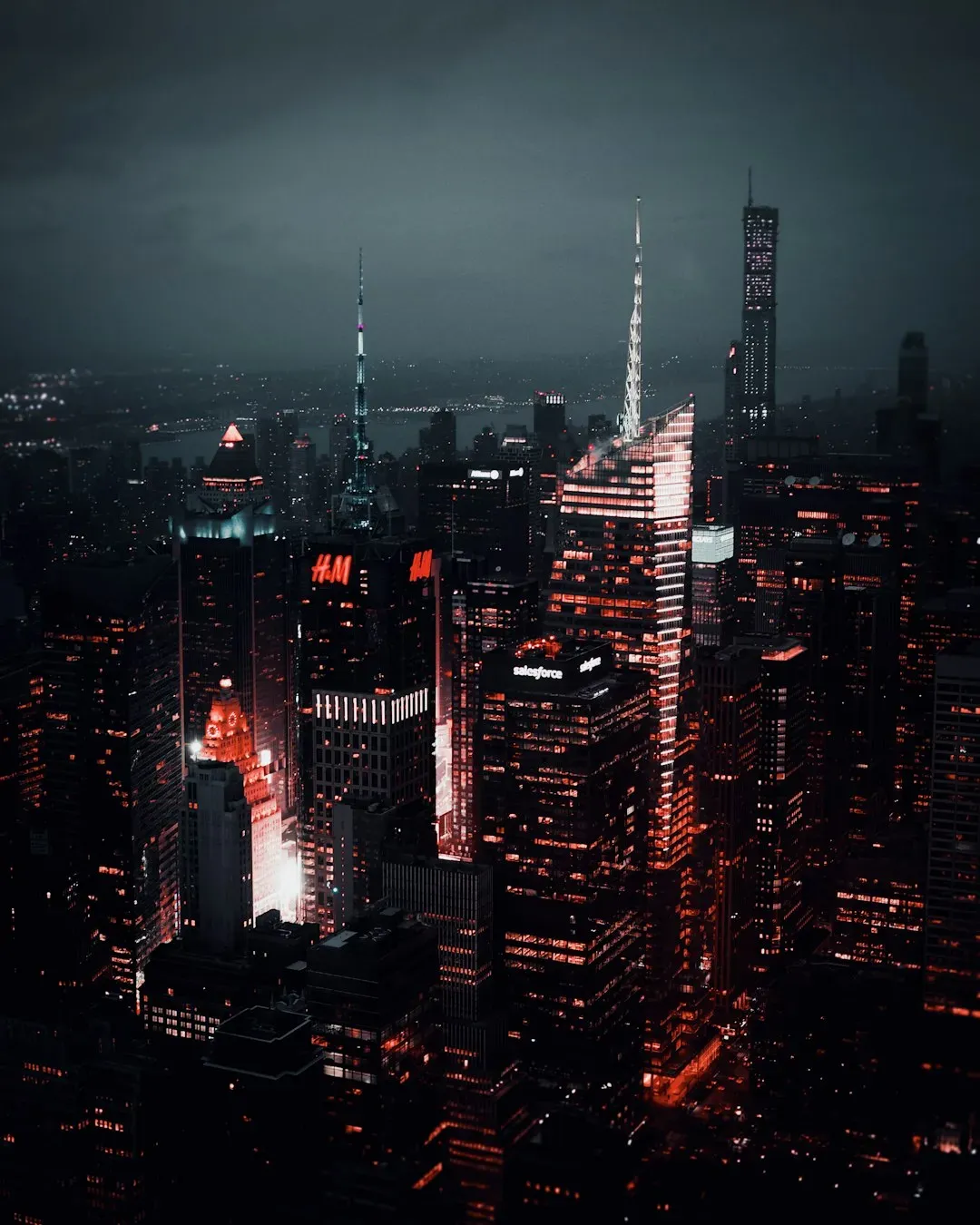
New York will always produce incredible music. That’s not the question. The question is whether a new or mid-career musician can actually build a sustainable life there in 2026 without a trust fund, a second income, or an unusually fortunate break. New York is no longer the be-all and end-all when it comes to making it big as a musician, and the economics increasingly explain why. Rents in the neighborhoods that historically incubated music scenes – Brooklyn, the Lower East Side, Harlem – have climbed to levels that make the bohemian-artist lifestyle essentially fictional.
Beyond financial concerns, many industry insiders worry about the long-term impact on artist development, since small and independent venues have traditionally served as the primary breeding grounds for emerging talent. In New York, those small venues are under relentless pressure from real estate development and rising operating costs. Venues being threatened by new housing developments are symptoms of a lack of music ecosystem policies, even though such closures tend to be treated as individual one-off events.
Minneapolis, Minnesota: A Scene Under Quiet but Real Pressure
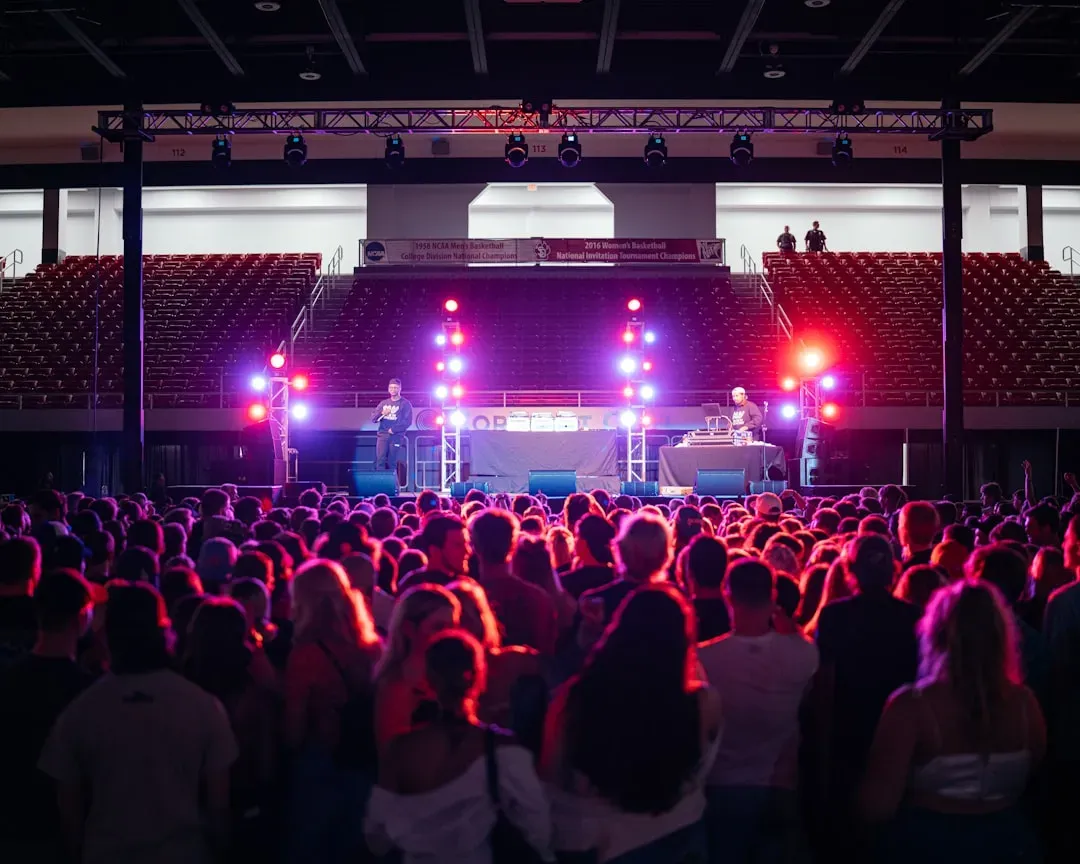
According to NIVA’s groundbreaking national research, nearly two thirds of independent venues, promoters, and festivals nationwide were not profitable in 2024. Minneapolis is no exception, and the numbers there tell a quiet story of attrition. The shuttering of Palmer’s Bar in 2025 after 119 years of operation was a particularly visible symbol of what’s been happening to the city’s independent music infrastructure over several years.
Live performance remains the most significant income source for local musicians, according to a 2024 survey of more than 2,200 Minneapolis music industry professionals. Those artists worry primarily about stagnant pay and want more opportunities to perform. Yet venues have continued to close in recent years, including The Garage in Burnsville, The Treasury in St. Paul, and others across the metro area. The city still has a real and committed music community. The structural conditions, though, are grinding it down steadily.
The Bigger Picture Behind Every City on This List
Across these cities, a consistent set of pressures emerges: inflation, monopolistic pressures, and predatory ticket resale practices all contributed to the fact that nearly two thirds of independent venues, promoters, and festivals operated without profitability in 2024. Looking ahead, roughly three in five venues expect artist fees to increase, and a similar share anticipate rising costs for employees, insurance, rent, maintenance, and even beverages. The numbers point in one direction.
Although people move to cities to experience culture and nightlife, policymakers don’t pay sufficient attention to the infrastructure required for a thriving cultural scene. That gap between what cities promise culturally and what they actually protect structurally is at the heart of every story on this list. None of these cities set out to push musicians away. None of them had a plan to stop it either. The result is a slow erosion that rarely makes headlines until the last beloved venue closes and the line finally wraps around the block – one day too late.