Winning an Oscar is supposed to be permanent. The statuette sits on a shelf, the speeches get archived, and the film gets its name chiseled into the history of cinema. Except that’s not always how things play out. Some films collect awards with staggering efficiency, dominate an entire awards season, and then fade from conversation with almost equal efficiency. The Academy is not some sacrosanct institution, and Oscar winners are often decided by the pressures and climate of the moment rather than by whether something will be worth watching in ten or twenty years. That quiet truth makes certain Best Picture victories feel strange in hindsight. Here are the films that swept the room and then, somehow, left barely a trace.
How Green Was My Valley (1941): The Film That Beat Citizen Kane
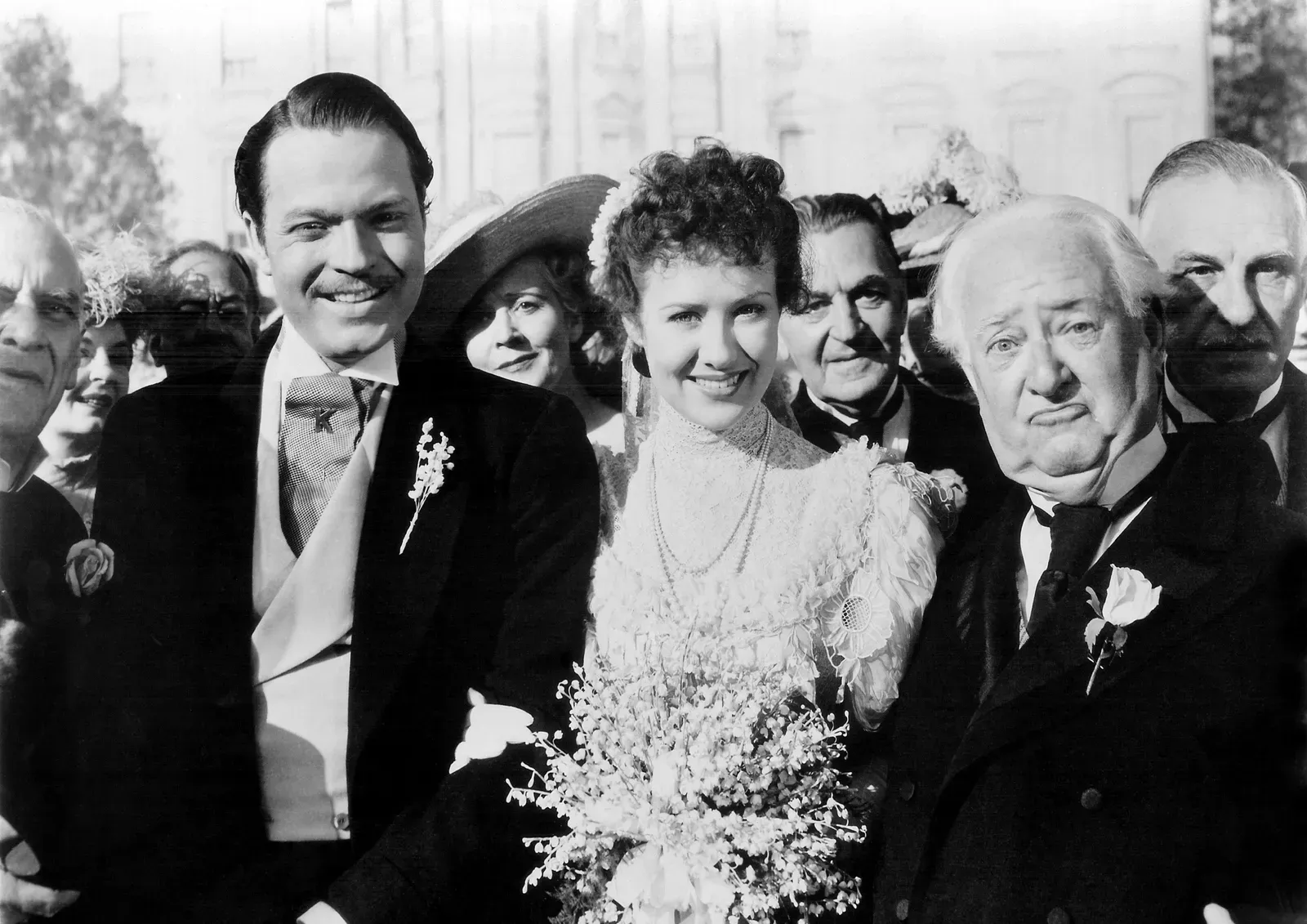
No Oscar controversy ages as strangely as this one. The 1941 ceremony is now considered notable as the year Citizen Kane failed to win Best Picture, losing to John Ford’s How Green Was My Valley. Later regarded as the greatest film ever made, Citizen Kane was nominated for nine awards but won only one, for Best Original Screenplay.
The outright seminal Citizen Kane is widely considered the greatest film ever made, yet it only won one Oscar. For its part, How Green Was My Valley walked away with five, including Best Picture and Best Director. Today, this solid albeit unremarkable movie is mostly remembered as the one that stole Orson Welles’ Oscar glory. It’s a genuinely well-crafted film that simply had the misfortune of competing against a masterpiece.
Around the World in 80 Days (1956): A Spectacle Without Staying Power

The 1950s are often seen as a safe and predictable decade for Best Picture winners, and Around the World in 80 Days is a prime example. It’s a fun, visually appealing film with good cinematography, but that’s about it. That year, George Stevens’ Giant was the frontrunner with ten nominations, and Stevens even took home Best Director. Around the World in 80 Days managed to snag Best Picture along with four other Oscars without even having acting nominations.
Today, nobody talks about Around the World in 80 Days, and it feels like a flashy spectacle rather than a truly great film. It’s a pattern the Academy would repeat more than once across the following decades: rewarding ambition and scale over genuine, enduring artistry.
The Greatest Show on Earth (1952): Cecil B. DeMille’s Most Forgotten Victory

Cecil B. DeMille’s circus drama The Greatest Show on Earth is widely considered one of the worst Best Picture winners ever. Similar to Around the World in 80 Days, this movie was a flashy, crowd-pleasing spectacle but not an actual great film. It had the right elements, with bold colors, choreography, actors performing their own incredible stunts, and a respected director with decades of experience.
The Greatest Show on Earth won Best Picture and Best Writing, yet it beat out films like High Noon, which to this day remains a beloved Western classic. The gap between what won and what endured is particularly stark here. Almost no one revisits The Greatest Show on Earth, while High Noon is still routinely taught, screened, and cited as a model of the genre.
Gentleman’s Agreement (1947): A Worthy Cause, a Forgettable Film
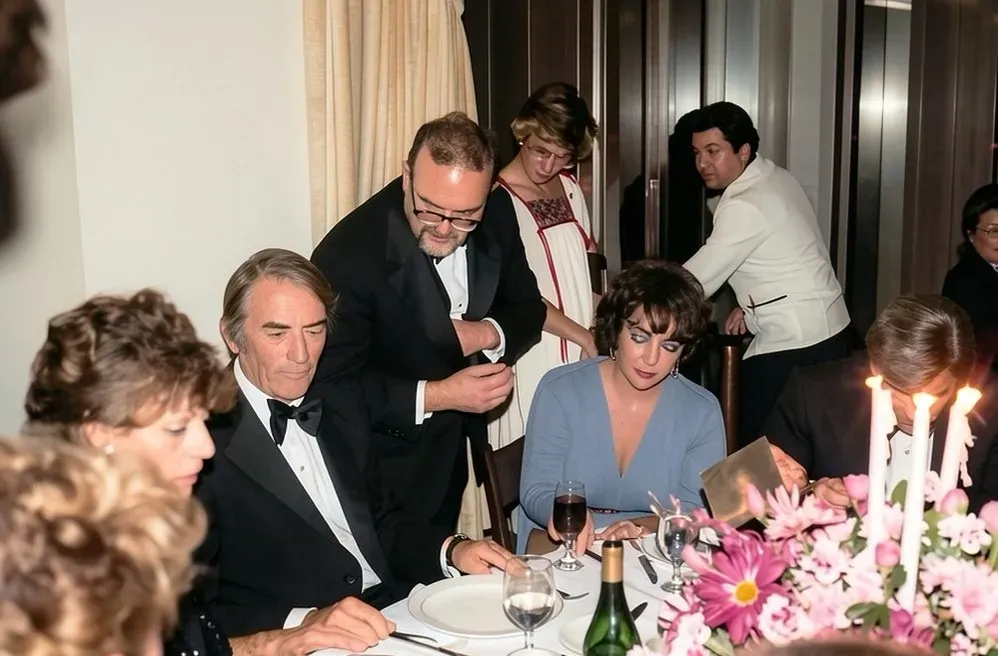
Gentleman’s Agreement certainly isn’t a terrible film. It stars the reliably charismatic Gregory Peck as a journalist who changes his identity to pose as a Jewish man, to best understand antisemitism in post-World War II America. The subject matter was genuinely daring for its time, and the film drew serious critical attention during its release.
While Gentleman’s Agreement was important in its time, it’s rarely mentioned today, making it feel like an Oscar win that happened for its theme rather than its execution. It beat Crossfire and the holiday classic Miracle on 34th Street, both of which have aged better. The lesson being that good intentions don’t automatically translate into lasting cinema.
American Beauty (1999): A Masterpiece That Became a Relic

American Beauty swept the awards in 1999 and was hailed as a modern American masterpiece. It has seldom been heard from again. At the time, its suburban satire felt piercing and original. Five Oscars, universal critical praise, and a cultural moment that seemed destined to compound over time. It didn’t quite work out that way.
The film’s cultural reputation shifted dramatically in the years that followed its release, tied partly to changing views about its director and partly to the sense that its themes now read as self-congratulatory rather than genuinely subversive. There are films in recent memory that, despite receiving raving reviews and numerous accolades, have in one way or another failed to stay relevant. Films like The King’s Speech and Babel are brilliantly crafted but gradually fading into Western cinema’s obscure corner.
Crash (2005): The Win That Almost Everyone Regrets

By the time Jack Nicholson came on stage to present Best Picture at the 2006 Academy Awards, most viewers were confident that Ang Lee’s gay-themed Western romance Brokeback Mountain would take home the prize, having already won Best Director, Adapted Screenplay, and Original Score, as well as the top awards at the Golden Globes and BAFTAs. What happened next remains one of the most scrutinized moments in Oscar history.
Partner offer
Many film fans regard Crash as the least deserving Best Picture winner in Academy history, due in part to its comparison to fellow nominee Brokeback Mountain as well as its stereotypical treatment of people of color. Even the film’s director Paul Haggis agreed that it didn’t deserve a win among a competitive field that also included Capote, Good Night and Good Luck, and Munich. Ang Lee’s Brokeback Mountain was the clear and celebrated favorite going in and is still remembered as one of the century’s landmark movies, while Haggis’ morality tale has been mercifully forgotten outside of its Oscars victory.
The Artist (2012): A Novelty Dressed as a Classic

The Artist was nominated for ten Oscars in total, winning five including Best Picture. This saw it become the first black-and-white movie to win Best Picture since 1960’s The Apartment, and the first predominantly silent movie to win since Wings won at the very first Oscars in 1929. The film genuinely celebrated the craft of silent-era filmmaking with affection and detail.
As a filmmaking curio and a bold narrative exercise, The Artist is a roaring success, but this doesn’t necessarily mean that the public would appreciate it as much as other modern movies. It seems to have had its time in the spotlight, but the novelty can wear off pretty quickly, which helps explain why some people might never have even heard of The Artist today. The Artist also benefited from competing in a relatively lean year at the Oscars. Although Moneyball, Midnight in Paris, and The Help were all highly rated, The Artist would have faced stiffer competition in other years.
Argo (2012): A Well-Made Film the Decade Has Quietly Passed By
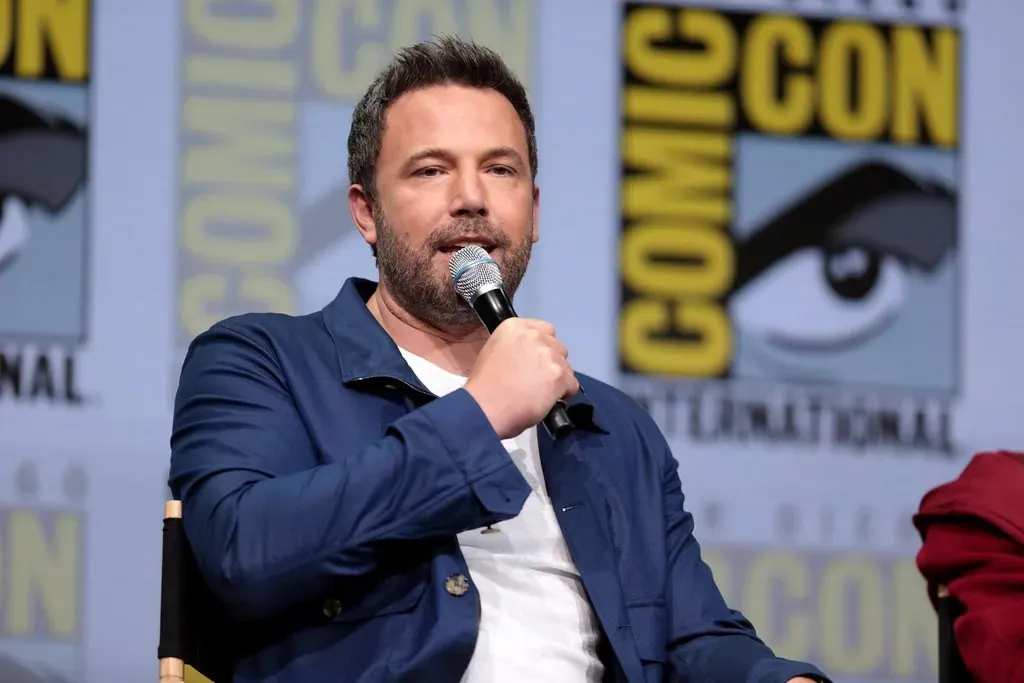
Argo gave Ben Affleck his second Oscar, the first being for writing Good Will Hunting, and this one for producing. The film won Best Picture despite Affleck not being nominated for Best Director, making it an unusual victor. Only six films have been awarded Best Picture without receiving a Best Director nomination, including the equally divisive Green Book and Driving Miss Daisy.
Ben Affleck’s loose approach to history in Argo becomes more damning by the year. Yes, the film proved the actor was as technically skilled a director as almost anyone working in Hollywood. That doesn’t change the fact that his film stands today as a jingoistic and unforgivable puff piece for the CIA that valorizes and ahistorically centers American operatives while demonizing Iranian citizens. Despite all that, it’s perhaps the most forgotten of all the Best Picture winners from the 2010s.
Green Book (2018): A Crowd-Pleaser the Crowd Stopped Talking About

A win so infuriating it sent Spike Lee storming out of the building, Green Book rivals Crash as the worst Best Picture winner of the century. The Academy overlooked the superior BlacKkKlansman and Roma in favor of a white-savior road trip drama that exposed an obvious bias against foreign-language features and films that actually explore America’s ugly, racist history.
Critics compared Crash to fellow controversial Best Picture winners Driving Miss Daisy and Green Book, arguing that all three films present racism as nothing more than a personality issue in need of a fix, absolving the white audience of any sense of collective responsibility. Green Book performed well at the box office and earned genuine warmth from general audiences at the time. Within a few years, though, the critical and cultural consensus hardened considerably against it.
Spotlight (2015): Important, Respected, and Somehow Almost Forgotten

Spotlight was an important film, shedding light on the Catholic Church abuse scandal, yet it remains one of the least discussed Best Picture winners in recent years. Perhaps it was an Oscar-bait movie, but that does not mean it was a bad picture or a bad win. It only won two Oscars, Best Picture and Best Original Screenplay, while other major awards that night went to The Revenant and Mad Max: Fury Road.
The biggest story that year was Leonardo DiCaprio finally winning an Oscar for The Revenant. Despite its powerful subject matter, Spotlight has not remained in the public consciousness the way other films from that year have. It’s a curious case of a genuinely worthy film being crowded out by the noise surrounding everything it competed against. The journalism holds up. The movie does too. It’s just rarely the one people reach for.
Why the Pattern Keeps Repeating

Too often, filmmakers with bold new voices are shunned in favor of more traditional fare for older audiences. That frequently leads to Oscar bait movies winning Best Picture before being largely forgotten, while the bolder films that they defeated go on to become classics. The Academy’s tastes have always skewed toward a particular kind of respectability, and respectability doesn’t automatically age well.
The truth of the matter is that even with the clout and prestige of winning an Oscar, no one is guaranteed a movie people are going to remember and enjoy for generations to come. Winning awards doesn’t guarantee a movie leaves a mark. Sometimes the opposite is true. The films that endure tend to do so on their own terms, through rewatching, through cultural conversation, through scenes and lines and feelings that refuse to leave the collective memory. A gold statuette can’t manufacture any of that.
Partner offer
Planning a trip to Vegas?
Compare hotel rates and show tickets on VEGAS.com.