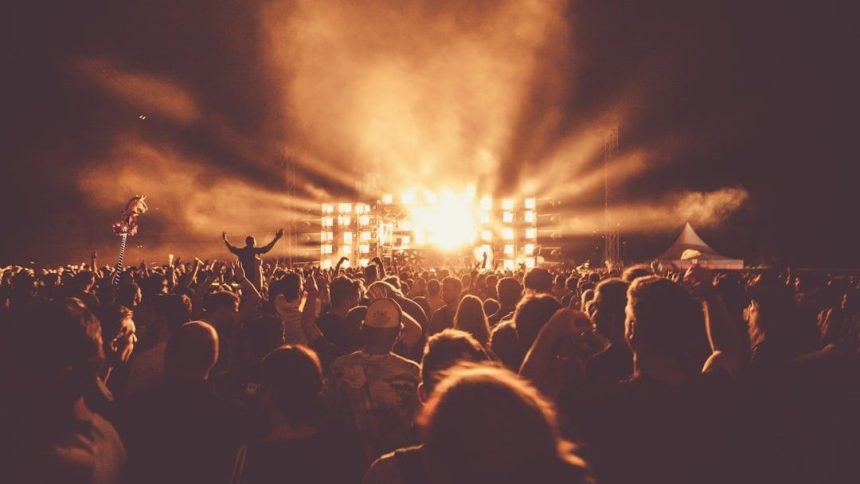
Something has quietly shifted in the way people think about music festivals. What once felt like an unmissable summer ritual now prompts a genuinely hesitant pause before opening a ticketing app. Fans are doing the math more carefully, and in many cases, the numbers aren’t adding up.
Following announcements that over 40 festivals were canceling their editions, surveys of festival-goers found that many were cutting back significantly on their ticket spending. According to one survey, roughly two in five respondents indicated they were attending fewer festivals. That’s not a minor dip. That’s a signal. Here are five major festivals that fans increasingly place on their personal avoid lists, and the reasons they give are hard to dismiss.
Coachella: The Brand Outlasted the Magic
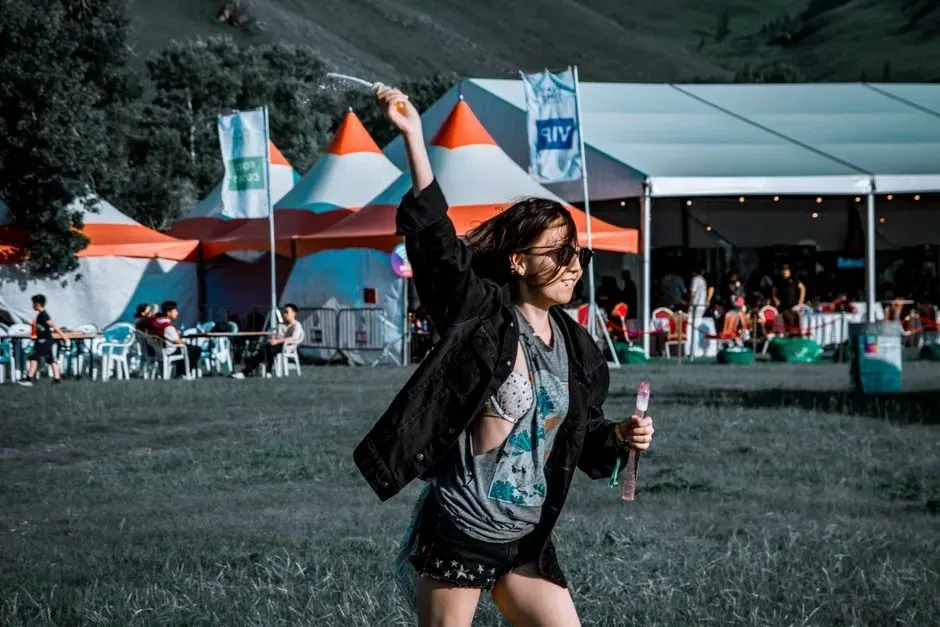
Coachella, the festival that went viral every year for over a decade, may have entered what many are calling its “flop era,” with ticket demand experiencing a notable decline. According to reports, the festival hadn’t seen ticket sales this slow in roughly a decade. Coachella experienced a roughly fifteen percent decline in ticket sales in 2024 compared with the previous year, a striking drop for an event once considered bulletproof.
Booking agents from major agencies have argued that festivals need more lucrative financial incentives to attract better headliners, while many independent agents link the decline directly to price increases that have made tickets unaffordable. Ticket prices for Coachella increased by fifty dollars from 2022, with three-day general admission passes reaching $499 in 2024. Critics have been blunt: “The larger ones are plateauing because they haven’t changed for the better. I don’t think that Coachella is doing anything unique or radical anymore,” one industry observer told CNN.
Burning Man: When the Ethos Becomes the Price Tag

A standard ticket to Burning Man in 2024 cost $575, and that’s before the full picture emerges. Additional expenses ranging from parking and camp fees to RV rental and flights pile on quickly, with some attendees reportedly spending up to $8,000 to attend. Burning Man failed to sell out in both 2024 and 2025, which for the Nevada desert event marked the first time in over a decade that tickets lingered.
Beyond escalating costs and repeated bad weather seasons, longtime attendees say the vibe of the event has changed over the past decade, and not for the better. The rise of so-called “plug-and-play” camps, where participants pay others to haul in lavish accommodations and clean up after them, has fundamentally altered the community-minded gift economy the festival was built on. For many original Burners, that tension is precisely why the price no longer feels justified.
Lollapalooza: A City Festival Running on Fumes
Lineup fatigue has become a serious complaint across the festival circuit, with the same artists headlining multiple events. Acts appearing at both Bonnaroo and Lollapalooza make once-unique events feel generic, and fans are noticing and opting out. Industry observers have pointed to aging lineups and the sense that classic festivals like Lollapalooza have started to feel stale, noting that their formulas need to be changed and revised.
Festival tickets are more expensive than ever, and once travel, accommodation, food, and service fees are factored in, a single weekend can easily exceed $700. For a city-based festival that doesn’t even offer the camping immersion of more remote events, that total price feels particularly hard to defend. Many music festivals now feel like carbon copies of one another, with the same headliners, the same influencer presence, and the same trending formats. Fans are catching on and some are opting out, questioning why they’d spend hundreds to see the same six artists they saw the previous year in a different setting.
Electric Forest: Beautiful Setting, Broken Trust
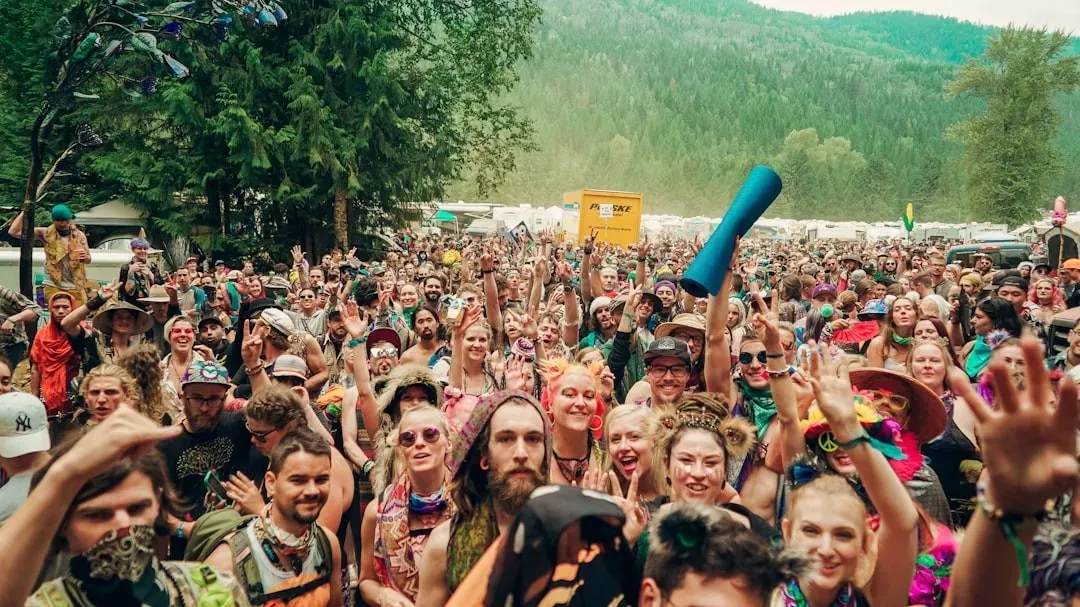
Electric Forest, where single-day passes were priced at $175 in 2025, was plagued with severe rain and thunderstorms in 2024, forcing the festival to end early and cancel performances from its headliners. That misstep still haunts its ticket sales, as fans who experienced or heard about the early shutdown haven’t forgotten the sting of paying full price for a truncated experience.
The refund situation made things worse. Trust issues around refunds have damaged festival reputations broadly, with some events offering attendees only a narrow window to request their money back before passes were automatically rolled over to a new date. After significant backlash, organizers extended refund options, but the damage was already done. When the weather turns and the music stops, the goodwill a festival has spent years building can evaporate in a single weekend.
Glastonbury: A Beloved Institution Priced Beyond Its Fanbase
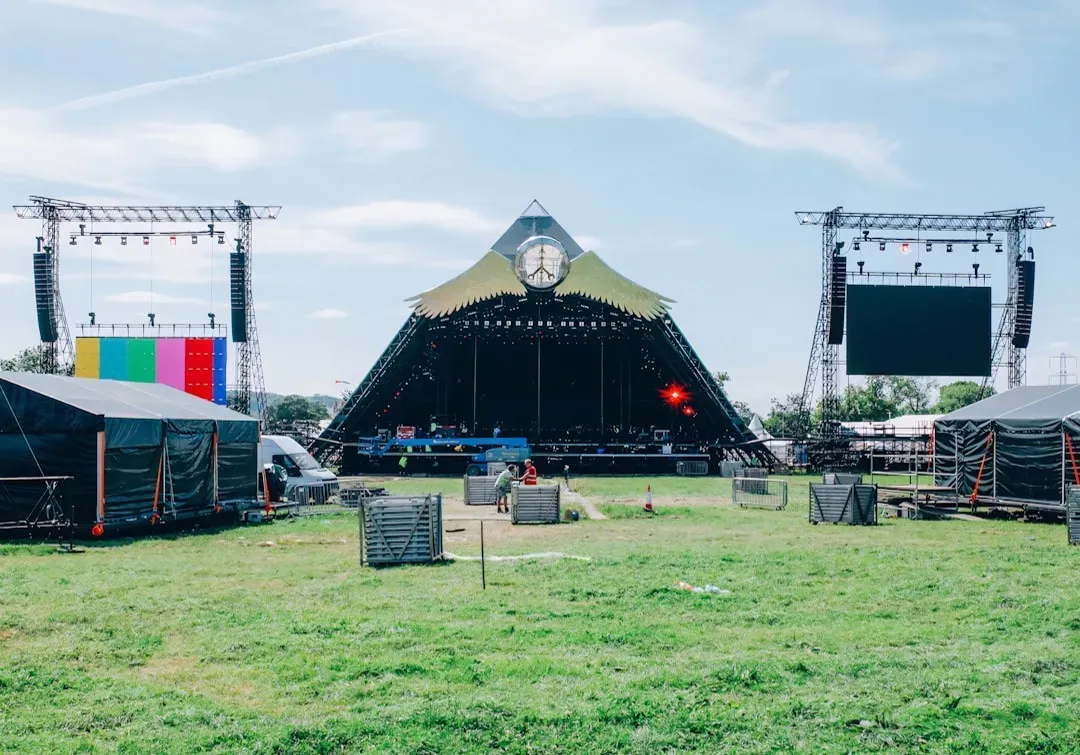
Glastonbury’s 2025 pricing represented a forty percent increase from the 2019 festival, arriving during a prolonged cost of living crisis that has left many fans genuinely unable to justify the outlay. Full-price tickets for 2025 were set at £373.50 plus a £5 booking fee, and that’s just the entry cost before accommodation, travel, and the notoriously expensive food and drink vendors inside Worthy Farm are considered.
Each year, fans of the festival have continued to complain about the climbing prices, while organisers have assured them that the hikes are necessary to keep the festival operational rather than to generate profit. Some fans have taken a more measured view, acknowledging that Glastonbury offers comparative value against individual concert tickets, while also noting that the rising price point prices out a lot of people, which is a real shame. The institution endures, but its relationship with accessibility grows more complicated every year, and the voices calling it out are getting louder.