Summerlin has long been one of those places that people brag about living in. Pristine parks, mountain views, beautifully planned streets – it almost feels too good to be real. For a decade, I was one of those people. Then something shifted, slowly at first, then all at once.
The decision to leave wasn’t dramatic. It wasn’t a single bad day or one annoying HOA letter. It was a slow accumulation of numbers, frustrations, and honest self-reflection – the kind that only happens when you finally allow yourself to ask: “Is this still the right place for me?” Let’s get into it.
Summerlin Is One of America’s Largest Master-Planned Communities – and That’s the Problem

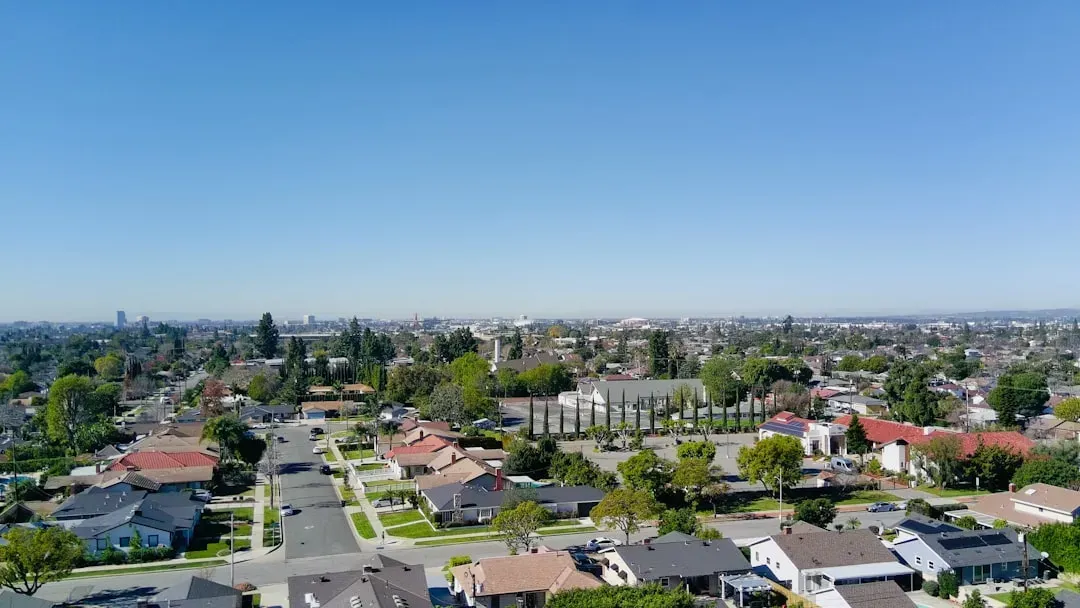
Summerlin, located in the western part of Las Vegas, is a 22,500-acre master-planned community developed by The Howard Hughes Corporation. That scale is genuinely impressive. It’s also, honestly, part of why it starts to feel overwhelming after years of living there.
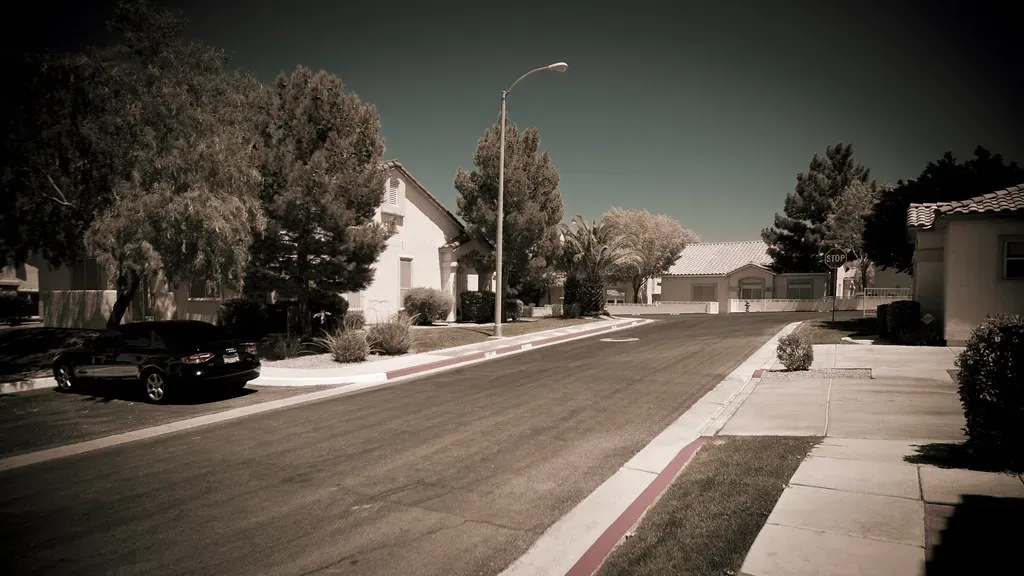
Summerlin is a master-planned community located on the western edge of Las Vegas, renowned for its meticulously designed neighborhoods and proximity to natural attractions like Red Rock Canyon. The design is beautiful – but “meticulously designed” can start to feel stifling when you realize that every house looks vaguely the same and every landscape follows the same rulebook.
Summerlin encompasses over 30 distinct neighborhoods organized into villages, including The Ridges, Red Rock Country Club, The Cliffs, and Summerlin Centre. The entire community follows cohesive design standards and planning, creating a unified aesthetic throughout. Unified. That’s a polite word for it. After ten years, it started to feel less like a community and more like a theme park where you happened to own a house.
Home Prices Crossed a Threshold That Changed Everything


In Summerlin, the median home price has grown to approximately $600,000, reflecting a 5% year-over-year increase. That figure alone is striking, but it doesn’t tell the whole story. Home values in specific sub-sections of Summerlin have pushed even further.
The average home value in Summerlin South Las Vegas, NV is $712,766, up 2.2% over the past year. For context, when I first moved into Summerlin, that number felt a universe away. A decade later, it had quietly crept up to define the neighborhood I lived in.
After years of fast price growth during the pandemic, the Las Vegas market cooled and balanced out in 2025. Inventory is up, buyers have more choices, and interest rates around the mid-6% range are shaping what people can afford. The market may be stabilizing, but the starting price in Summerlin was already high enough that the math stopped making easy sense for many longtime residents – including me.
The HOA Fees Kept Growing With No End in Sight

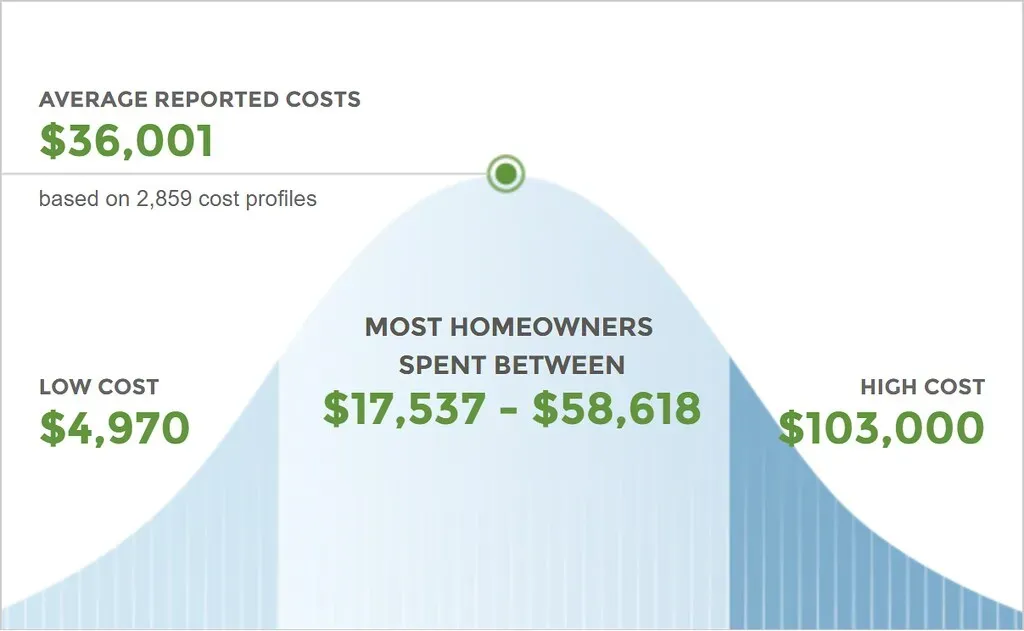
All residents of the Summerlin master-planned community in Las Vegas will pay more in HOA fees starting Jan. 1, 2026. Every Summerlin resident is set to see an increase in their monthly master association dues, and the increases affect all three major associations – Summerlin North, South, and West – as well as the Summerlin Council, which oversees the community’s extensive network of parks, recreation centers, and public programming.
While fees vary by village, home type, and community amenities, most Summerlin homeowners can expect a master-planned community fee of roughly $55–$65 per month paid to the Summerlin Master Association, a neighborhood HOA fee of $50–$150 per month, and in gated or luxury communities, additional assessments or higher dues – on average, expect $100–$200 per month total for most single-family homes. That adds up to well over a thousand dollars a year just to live according to someone else’s rules.
Most neighborhoods in Summerlin West fall under HOA governance, which, while beneficial for maintaining community standards, can also be seen as limiting. Rules around home appearance, landscaping, exterior modifications, and even holiday decorations may feel overly strict for some homeowners who value personal freedom. Here’s the thing – I value personal freedom quite a bit. And after years of painting-approval requests and parking warnings, that freedom felt increasingly theoretical.
Car Dependency and Commute Realities Nobody Talks About Enough

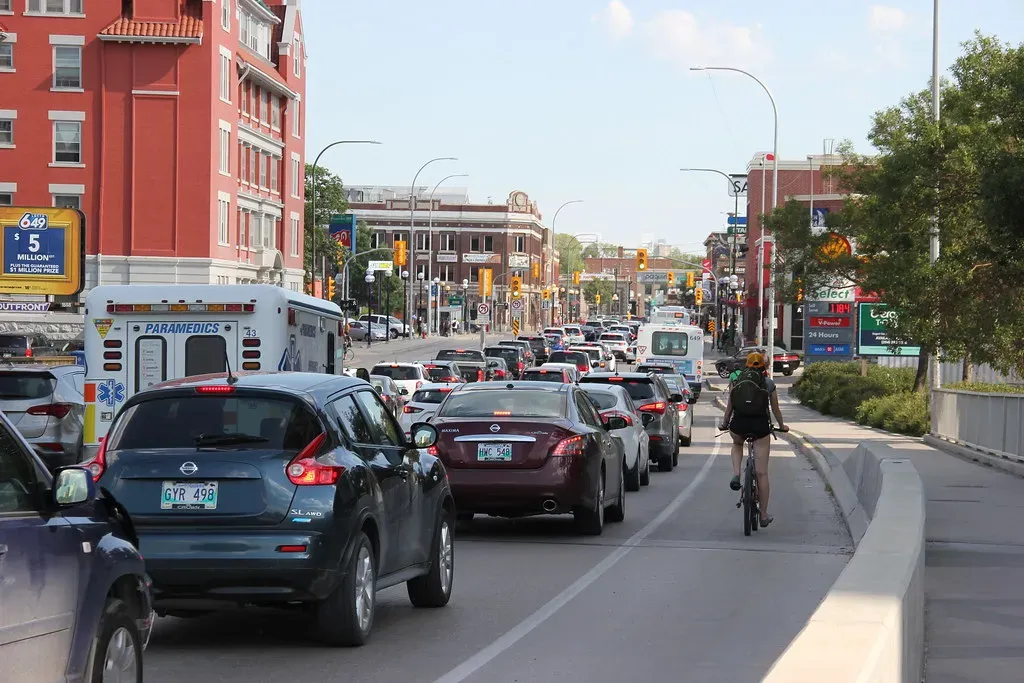
Despite its well-maintained paths and scenic trails, Summerlin West is still primarily car-dependent. Shops, services, and schools are often spread out, making walking to everyday destinations impractical for most residents. Those used to high walkability or public transit access may find the layout inconvenient. I know it sounds crazy, but after a decade of driving everywhere, I started to genuinely miss the simple act of walking somewhere useful.
Summerlin has a Walkscore of 22, as a car is needed to get around the area. That number is hard to argue with. In a city already defined by driving culture, Summerlin doubles down on it completely.
Summerlin is located about 20 minutes from the Las Vegas Strip and 30 minutes from McCarran International Airport. Major employers in the area include Summerlin Hospital, Google’s data center, and several corporate offices. However, traffic on Summerlin Parkway and I-215 can be heavy during rush hours. If your job sits anywhere east of the valley, that commute becomes a daily tax on your time that compounds over years.
Water Scarcity Is a Long-Term Concern That’s Hard to Ignore

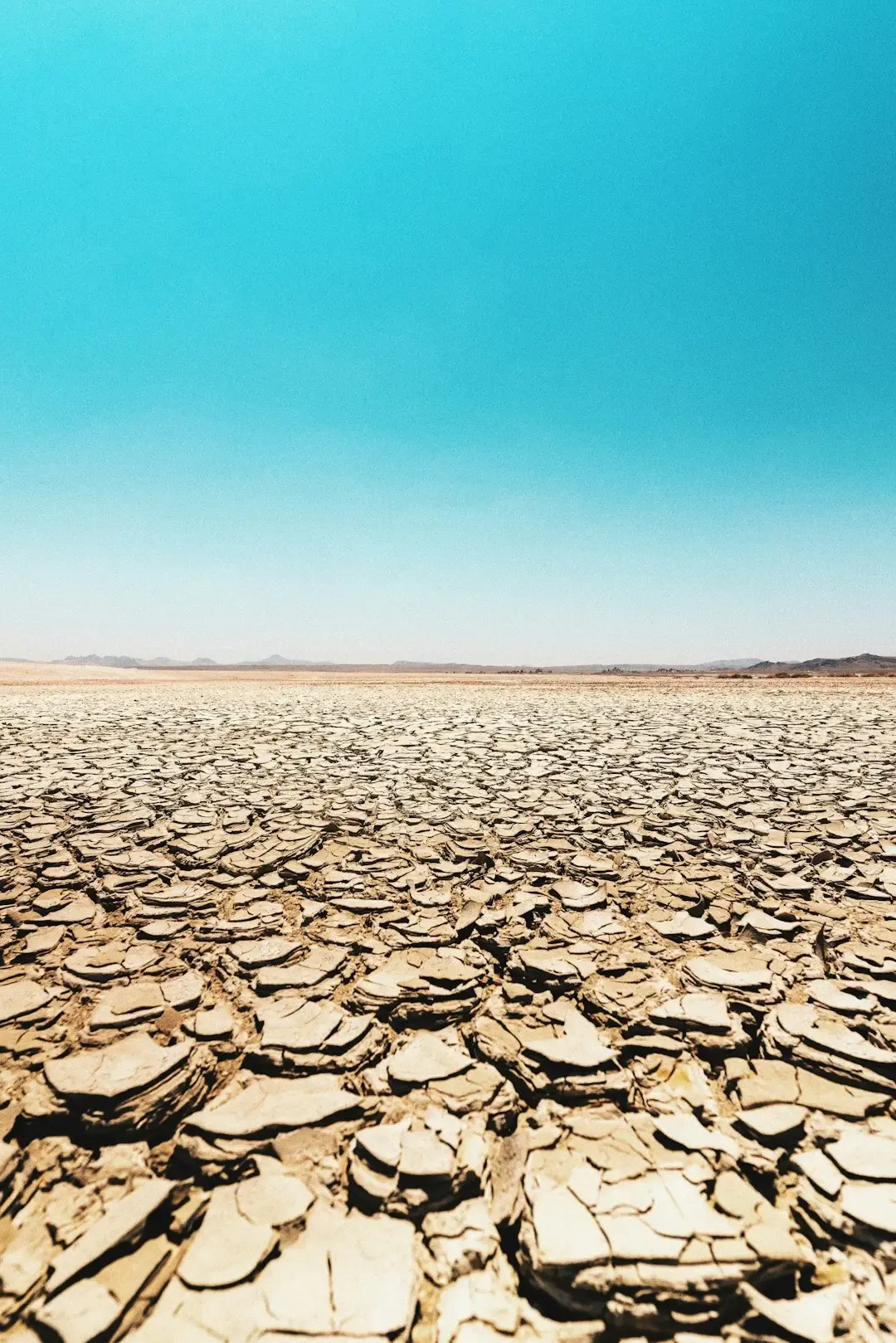
Southern Nevada gets around 90% of its water from the Colorado River. That statistic alone should give any long-term Las Vegas resident pause. It’s not a doomsday number, but it’s one that sits quietly in the back of your mind when you’re making a multi-decade commitment to a community.
Through one of the nation’s most progressive and comprehensive water conservation programs, Southern Nevada has reduced its per capita water use by 55 percent between 2002 and 2024, even as the population increased by approximately 829,000 residents during that time. That’s genuinely impressive progress, and credit where it’s due. Still, the structural challenge hasn’t disappeared.
These agreements expire at the end of 2026 and stakeholders are currently negotiating rules for post-2026 Colorado River operations. What happens after 2026 is a real open question. For anyone thinking about where they’ll be living in ten or twenty years, that uncertainty matters – and Summerlin’s manicured landscaping doesn’t exactly suggest a community built for desert-level water rationing.
The Cost of Living Comparison Became Impossible to Ignore

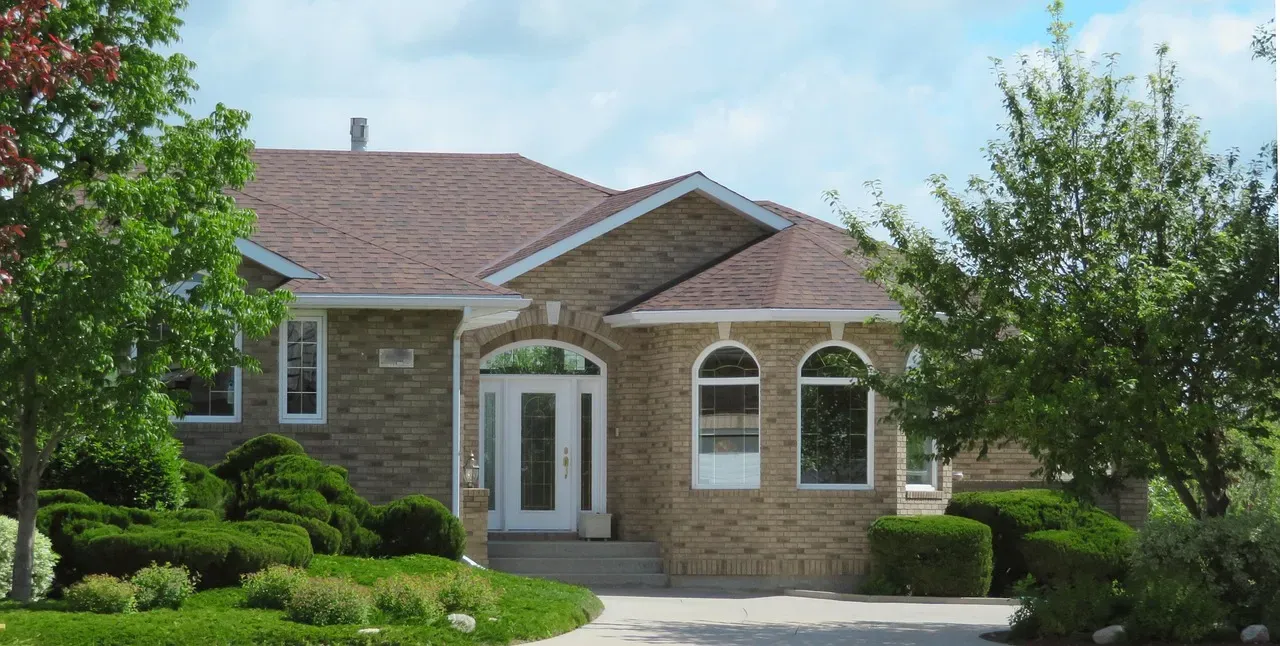
Summerlin continues to be more expensive than the Las Vegas average. This is driven by higher real estate prices, luxury amenities, and meticulously maintained neighborhoods. While residents enjoy superior parks, schools, and healthcare, these benefits come at a premium. For a long time, I was happy to pay that premium. Then I started doing the math more carefully.
Property taxes in Summerlin range from $3,500 to $5,400 annually, which is higher than Las Vegas’s range of $2,000 to $3,200. Stack that on top of HOA fees, higher grocery costs, and elevated utility bills during scorching desert summers, and the lifestyle premium adds up to a serious annual figure.
The average cost of living in Summerlin is in the top 10% of the most expensive cities in the world, ranked 810th out of 2,202 in the United States. That ranking surprised even me when I first saw it. Summerlin feels like a suburb. It prices like something considerably more than that.
Henderson Emerged as the Obvious Alternative

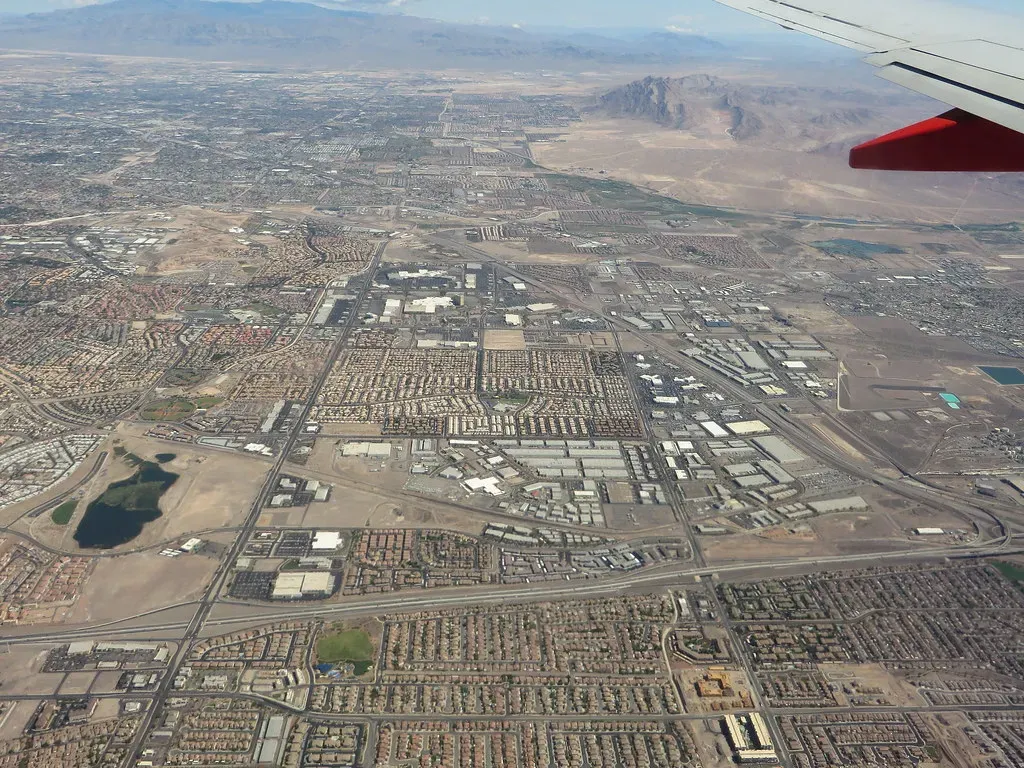
Henderson is Nevada’s second-largest city, situated southeast of the Las Vegas Strip. It operates its own government, police force, and public services, offering a self-contained suburban experience. That matters more than most people initially realize. Henderson is a real city – not a community governed by a private developer with a brand to protect.
Henderson’s housing market shows a median home price of around $520,000, demonstrating a 4% year-over-year increase. That represents a meaningful discount compared to Summerlin, especially when you factor in everything else that comes with Henderson’s price tag. Think of it like getting roughly the same house for significantly less – and keeping the difference for yourself.
Henderson remains more affordable than neighboring upscale areas like Summerlin, making it an attractive option for potential homebuyers seeking value without compromising on amenities. That balance – value without sacrifice – was exactly what I was looking for. It turns out a lot of people in the Las Vegas Valley are finding the same thing.
Henderson’s Safety Record and Community Feel Won Me Over

Henderson has consistently ranked as one of the safest cities in the United States, attributed to its dedicated municipal services and community-focused policing. Safety wasn’t the reason I left Summerlin – both neighborhoods are genuinely safe – but it was one less box I had to worry about when making the switch.
The livability score for Henderson is high at 77, and the area gets an A+ when it comes to crime rates. For comparison, Summerlin receives a livability score of 67, which takes into account amenities, cost of living, employment, housing, weather, and more. That gap is meaningful. Henderson isn’t just affordable – it’s actively livable in a way the numbers support.
Henderson is recognized for its peaceful neighborhoods, excellent schools, and low crime levels. The city is known for attracting families seeking a safe and calm environment. It offers a balanced mix of amenities, including parks and community events, at a more affordable price. Honestly, that last part is what sealed it for me. The same quality of life, for less money. It’s hard to argue against that.
Outdoor Life in Henderson Is Different – Not Worse

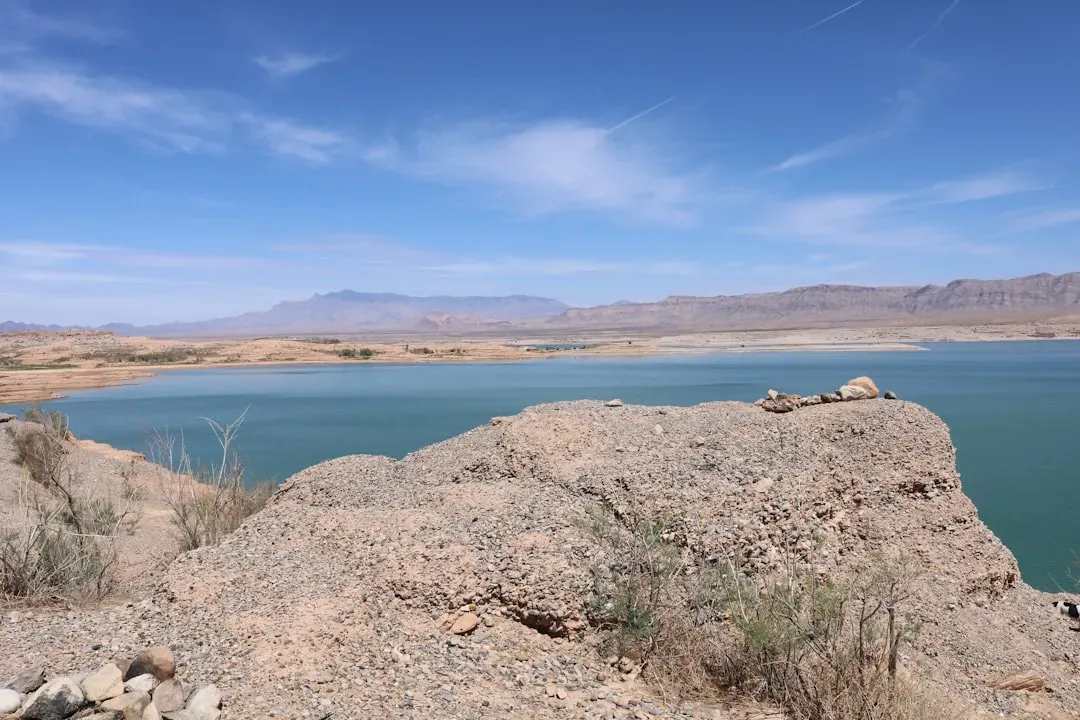
Henderson is closer to Lake Mead, offering water-based recreational activities such as boating, fishing, and kayaking. The city also features numerous parks and trails, promoting outdoor engagement for all ages. Summerlin has Red Rock Canyon virtually at its doorstep, which is stunning – but Henderson’s proximity to Lake Mead and the Hoover Dam area offers a completely different kind of outdoor adventure.
The city of Henderson has 64 parks, and the Green Valley area has a few of the nicest ones, including Discovery Park and Paseo Verde Park. Sixty-four parks. That’s not a small number. After years of trail-running through Summerlin’s well-maintained paths, I’d argue Henderson holds its own in terms of outdoor infrastructure – just with a lake instead of a canyon.
Summerlin’s higher elevation results in slightly cooler temperatures, often by 5 to 7 degrees, compared to Henderson. This can be a consideration for those sensitive to heat, particularly during the peak summer months. I’ll be honest – this was the one trade-off I genuinely thought about. A few degrees hotter in August is real. But the financial breathing room made it easier to afford air conditioning and then some.
The Schools, Commute to the Strip, and Nevada’s Tax Advantage Sealed the Deal

Both communities are served by the Clark County School District and host a selection of top-rated public and private schools. Summerlin is home to several nationally recognized private institutions, such as The Meadows School, and high-performing public schools. Henderson also boasts excellent educational facilities, including Green Valley High School and Coronado High School, as well as a variety of charter schools offering specialized programs.
Nevada has no state income tax, which is a major draw for residents. This benefit applies equally whether you live in Summerlin or Henderson – but in Henderson, your lower property taxes and housing costs mean more of that saved money actually stays in your pocket. The math compounds nicely over time.
It takes about 15 to 20 minutes to reach the Strip, Harry Reid International Airport, and downtown Las Vegas from Henderson. That accessibility was the final piece. After years of feeling tucked away on the western edge of the valley, the idea of being centrally positioned – close to the airport, close to work, close to everything – genuinely appealed to me in a way I hadn’t fully anticipated.
Conclusion: It Wasn’t About Summerlin Failing. It Was About Growing.

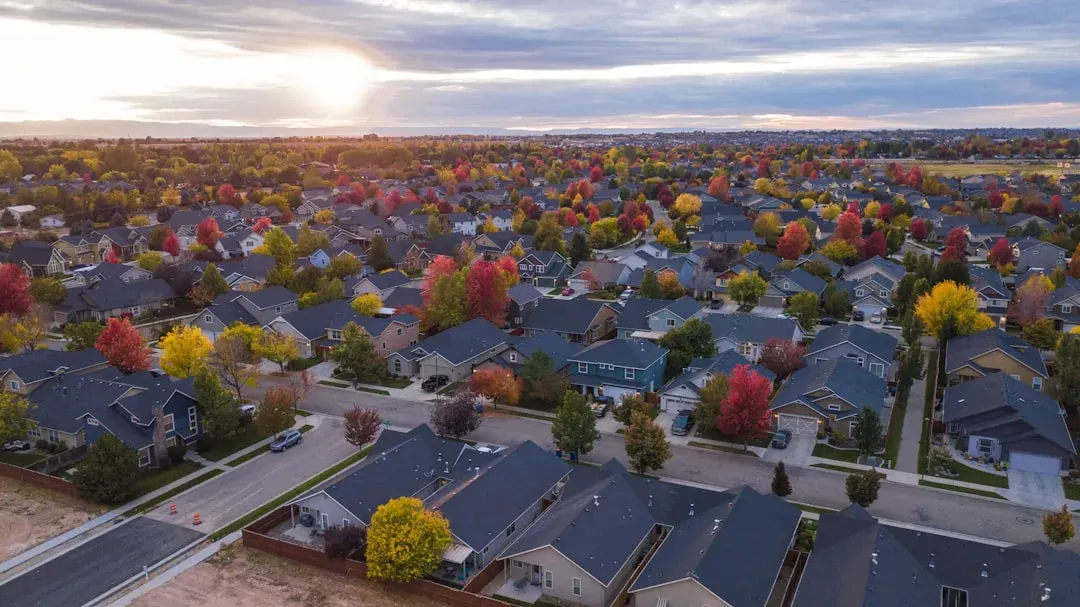
Let’s be real – Summerlin is not a bad place to live. It’s a genuinely well-designed, well-maintained, and aesthetically impressive community. If you value polished surroundings, mountain access, and a very specific kind of curated suburban life, it might be exactly right for you.
But after a decade, the rising home prices, layered HOA fees, car-only lifestyle, and growing water uncertainty added up to a picture that no longer matched what I needed. Henderson offered a city with its own identity, real government accountability, comparable schools, better access to the wider valley, and meaningfully lower costs – without sacrificing the quality of life I’d grown used to.
Moving neighborhoods isn’t a failure. Sometimes it’s the most honest thing you can do. If any part of this story sounds familiar, it might be worth asking yourself: has the place you live grown with you – or have you simply grown comfortable with what no longer fits? What would you have done differently after ten years?