You grab a bottle of water off a store shelf, crack it open, and assume you’re making a healthy choice. That assumption is becoming harder to justify. Over the past few years, scientists have made a string of discoveries about what’s actually swimming inside that clear, innocent-looking liquid – and the findings are, to put it mildly, unsettling.
Micro-plastics. Nano-plastics. Particles so small, some of them are invisible even under a conventional microscope. Researchers are now asking whether the very bottles we use to stay hydrated are quietly loading us up with synthetic polymers. So which brands came out cleanest? What do the actual numbers say? Let’s dive in.
The Groundbreaking 2024 Study That Changed Everything
Most people had heard vague concerns about plastic in drinking water for years. Then January 2024 arrived, and the conversation shifted dramatically. Researchers from Columbia University and Rutgers University found roughly 240,000 detectable plastic fragments in a typical liter of bottled water, published in the Proceedings of the National Academy of Sciences. That is not a typo. Nearly a quarter of a million particles per liter.
The researchers found that, on average, a liter of bottled water included about 240,000 tiny pieces of plastic – with about 90% of these plastic fragments being nanoplastics. This total was 10 to 100 times more plastic particles than seen in earlier studies, which mostly focused on larger microplastics.
The researchers tested three popular brands of bottled water sold in the United States, declining to name which ones, analyzing plastic particles down to just 100 nanometers in size. They spotted between 110,000 and 370,000 particles in each liter, with 90% being nanoplastics. The range between those brands was enormous – think of it like comparing a light breeze to a Category 3 hurricane. Same weather, wildly different intensity.
What Are Nanoplastics – and Why Are They Scarier Than Microplastics?
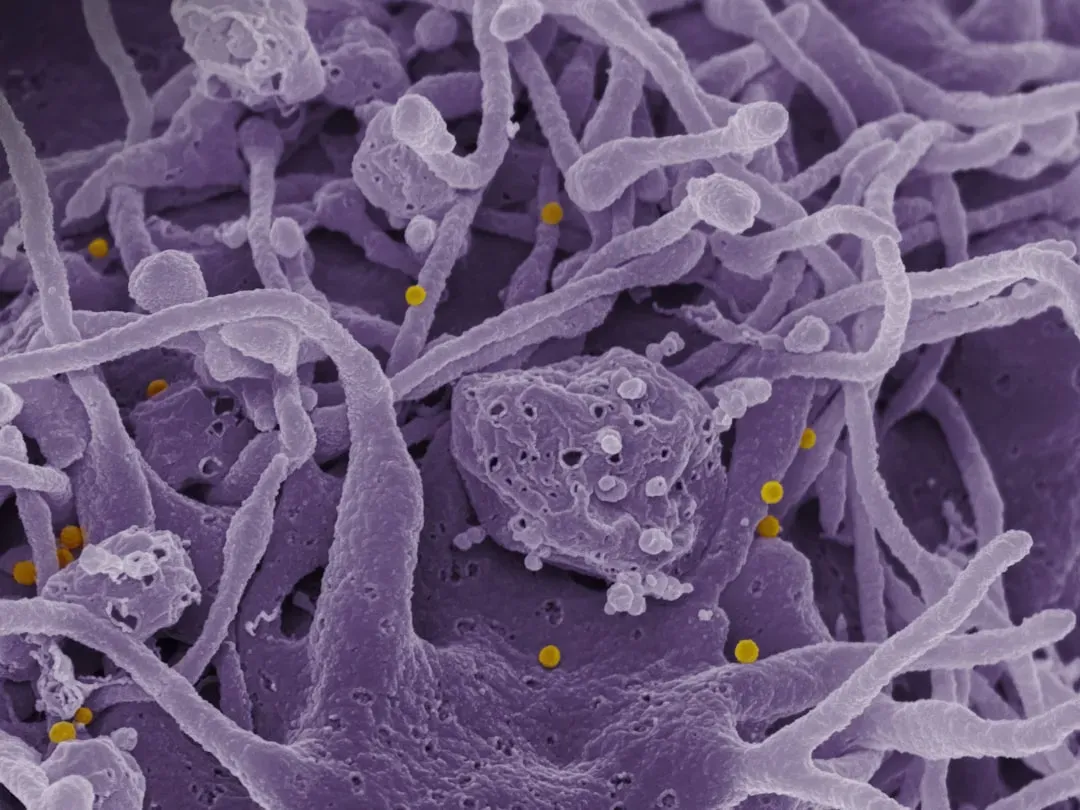
Here’s the thing about size: smaller is not always better. Microplastics are defined as particles under five millimeters. Nanoplastics go even further, clocking in below one micrometer. At roughly 1,000th the average width of a human hair, nanoplastics are so tiny they can migrate through the tissues of the digestive tract or lungs into the bloodstream, distributing potentially harmful synthetic chemicals throughout the body and into cells.
Nanoplastics are so tiny that, unlike microplastics, they can pass through the intestines and lungs directly into the bloodstream and travel from there to organs including the heart and brain. That is a sobering thought. We are not just talking about particles passing through the gut unabsorbed.
Their size is exactly why experts are concerned about them, as they are small enough to invade human cells and potentially disrupt cellular processes. Honestly, it is like the difference between a pebble you can step around and a fine dust that coats every surface you touch.
The 2018 Baseline: How Did We Get Here?
Eleven globally sourced brands of bottled water, purchased in 19 locations in nine different countries, were tested for microplastic contamination using Nile Red tagging. Of the 259 total bottles processed, 93% showed some sign of microplastic contamination. This was the study that first rattled the industry, and it came out in 2018.
Including smaller particles, an average of 325 microplastic particles per liter of bottled water was found, with a contamination range of 0 to over 10,000 microplastic particles per liter, and 95% of particles being between 6.5 and 100 micrometers in size. By 2024, researchers had discovered the previous numbers were only the tip of the iceberg.
Half of the confirmed particles were polymeric in nature using FTIR spectroscopy, with polypropylene being the most common polymer type, comprising more than half – which matches a common plastic used for the manufacture of bottle caps. So the very cap you twist off to take a sip is one of the main culprits. Ironic, to say the least.
Which Brands Have Come Out Ahead in Testing?
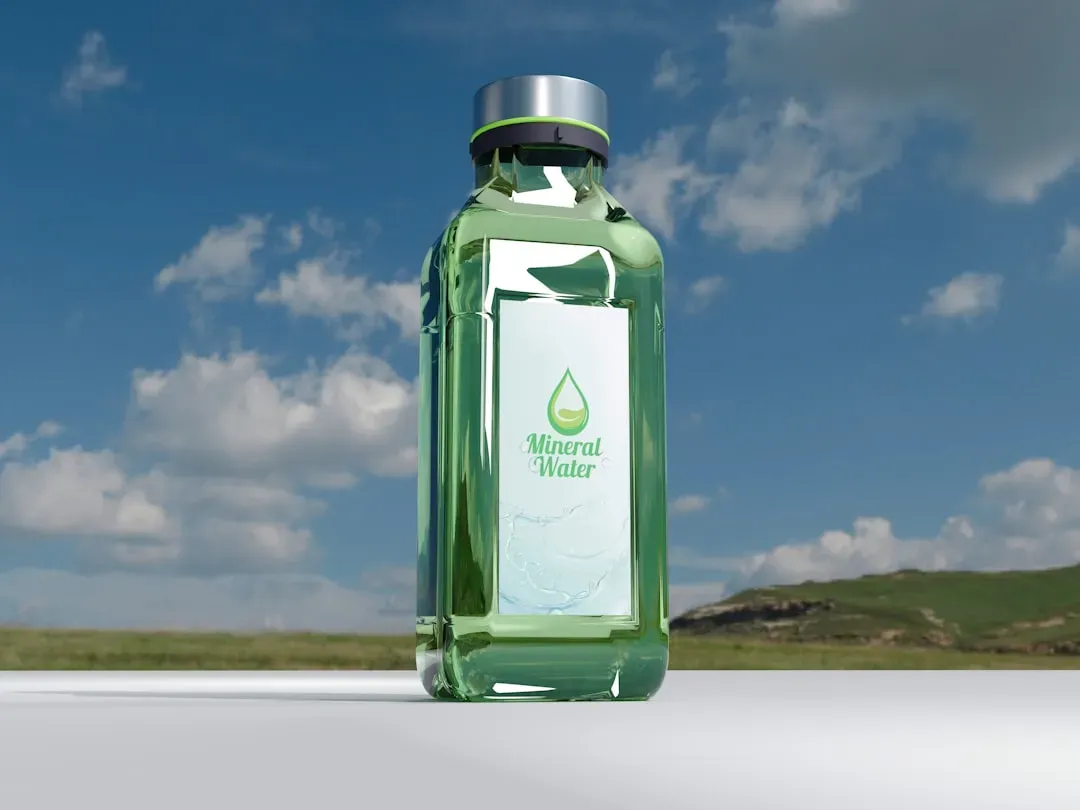
Let’s be real – this is the part everyone wants to know. The truth is, comprehensive and fully independent brand-by-brand rankings are harder to find than you might expect. Still, some useful data has emerged. In a French consumer study, Montclar, Carrefour’s bottled water, ranked closely alongside the top performer, praised for its balanced mineral content and similarly low levels of microplastics. Badoit sparkling water also demonstrated low contamination levels, while Evian ranked fourth, with just one microplastic particle detected per litre.
Leading brands like Evian, Fiji, Voss, and Penta Water have been cited as prioritizing sustainability and rigorous testing to ensure clean, safe water. However, these claims deserve scrutiny. An independent laboratory evaluation found Evian bottled water products to contain synthetic microplastics and BPA, substances described as harmful to both the environment and human health – a finding that forms the basis of active legal proceedings as of early 2025.
FIJI Water is promoted as “natural artesian water,” “protected from external elements,” and “untouched,” despite test results revealing that these products contain health-harming microplastics and plastic chemical bisphenol-A (BPA). An independent laboratory evaluation revealed both microplastics and bisphenol-A in FIJI bottled water products. That should give anyone pause the next time they reach for that iconic square bottle.
The French Consumer Study: A Closer Look at Volvic, Badoit, and Montclar
France, with its enormous bottled water culture, has been one of the more active countries in consumer-level testing. A consumer study identified Volvic, Montclar, Badoit, and Evian as among the least polluted bottled water brands in France based on low plastic contamination levels. These findings gave millions of European shoppers something concrete to hold onto.
A 2022 survey conducted by the environmental group Agir pour l’environnement found that 78% of bottled waters analyzed contained varying levels of plastic microparticles. Among them, Vittel Kids, a brand marketed specifically for children, exhibited the highest contamination, with an average of 121 microplastic particles per litre. That last detail is particularly disturbing.
In 2024, a report from the General Inspectorate of Social Affairs noted that nearly 30% of bottled water brands available in France – particularly those from Nestlé and Alma, which owns Cristalline – had used strictly prohibited purification treatments such as activated charcoal filters. So some brands were not just contaminated; they were also illegally treating their water to hide it.
The Packaging Problem: Plastic Bottles Are Part of the Contamination
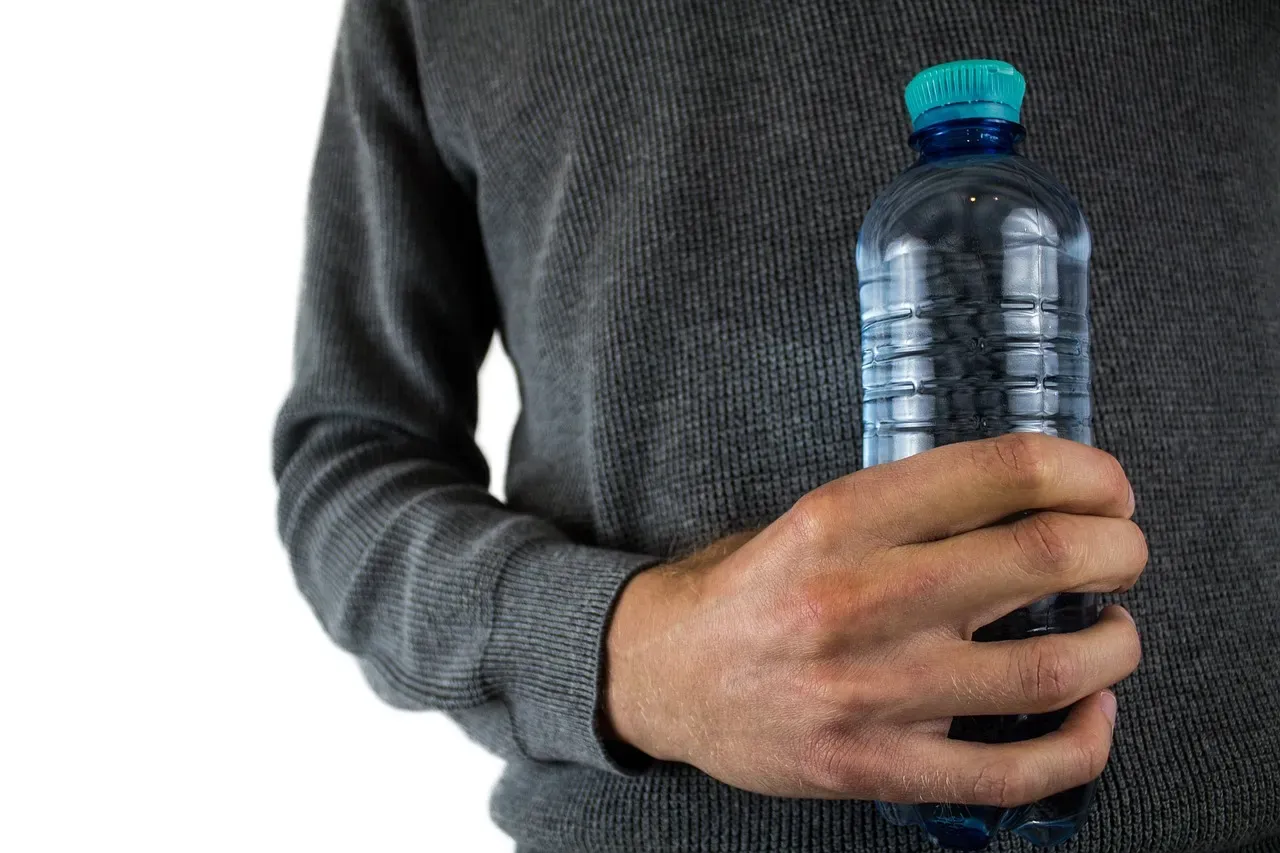
Think about it this way: bottled water is essentially plastic-flavored water that started clean. The source might be a glacial spring in the French Alps or a volcanic aquifer in Fiji. It does not matter much if the packaging then loads it up with synthetic particles. A controlled study found that plastic bottles leached 32 to 108 times more particles than glass alternatives. Heat exposure – such as in cars or hot environments – increased microplastic shedding by up to 550%.
PET plastic probably gets into the water as bits slough off when the bottle is squeezed or gets exposed to heat. One recent study also suggests that many particles enter the water when you repeatedly open or close the cap, as tiny bits abrade. Every squeeze of a half-empty water bottle in a hot car is a micro-plastics delivery mechanism.
Reverse osmosis and microfiltration are effective in removing microplastics, while artesian wells and spring water sources offer natural filtration, reducing contamination risks. The cleanest brands tend to combine both good source water and intelligent filtration – not just marketing language about purity.
Bottled Water Versus Tap Water: The Surprising Truth
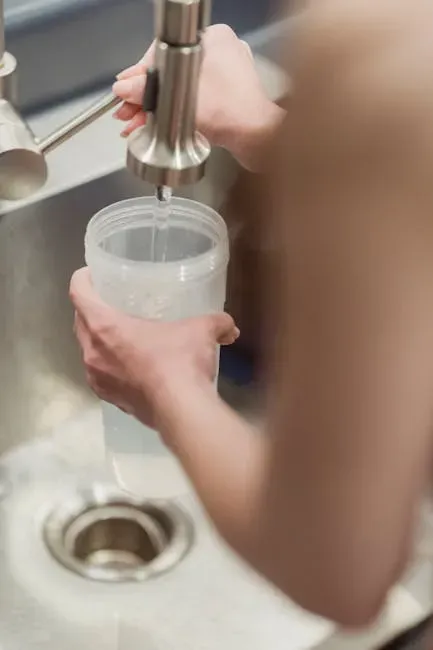
I know it sounds counterintuitive, but the data consistently shows that grabbing a bottle is often the worse choice for microplastic exposure. Some brands of bottled water contain significantly higher levels of microplastics than tap water. Results from an Ohio State University study showed that bottled water contained three times as many nanoplastic particles as treated drinking water.
Research generally reveals higher concentrations in bottled water than in tap water, suggesting that plastic packaging may contribute to increased microplastic levels found in bottled liquids, as noted by the WHO in 2022. The packaging is doing at least as much damage as the source water itself.
Research published in 2024 in Environmental Science and Technology Letters found that boiling tap water and allowing the resulting limescale to settle – then filtering through a simple coffee filter or fine cloth – removed up to 90% of nanoplastics in some hard water samples. The calcium carbonate that forms when hard water is boiled effectively traps and encapsulates plastic particles, which can then be filtered out. A coffee filter is sometimes a better tool than an expensive brand name.
What Does This Mean for Your Body? The Health Evidence
The health implications of all this are still unfolding, but the early findings are concerning enough to take seriously. One of the first papers to directly examine the risks of microplastics exposure in humans, published in The New England Journal of Medicine in March 2024, studied patients undergoing surgery to remove plaque from their arteries. More than two years after the procedure, those who had microplastics in their plaque had a higher risk of heart attack, stroke, and death than those who didn’t.
Microplastics, such as polystyrene, polypropylene, and polyethylene, significantly impact human health, causing inflammation in the respiratory and gastrointestinal systems, compromising immune function, and increasing the risk of cardiovascular diseases and neurotoxicity. These effects are largely attributed to the role of microplastics in disrupting hormonal regulation, which can lead to reproductive disorders and an elevated risk of cancer.
A landmark 2025 study in Nature Medicine analyzed brain, liver, and kidney tissue from human cadavers collected in both 2016 and 2024. Microplastics and nanoplastics were confirmed in all three organs, with brain tissue showing the highest proportion of polyethylene. Crucially, the 2024 samples contained meaningfully higher concentrations than the 2016 ones, suggesting accumulation is increasing over time. Our bodies are literally storing more plastic with each passing year.
The Legal Battleground: Brands Facing Accountability
The gap between marketing claims and laboratory reality has finally started generating legal consequences. Six lawsuits targeting the companies that own Arrowhead, Crystal Geyser, Evian, Fiji, Ice Mountain, and Poland Spring have been filed in U.S. courts, all challenging whether these products can legally be called “natural.” Studies have linked microplastics to an array of health concerns, including heart disease, reproductive problems, metabolic disorder, and, in one recent landmark study, an increased risk of death from any cause.
The Danone lawsuit, brought in July 2024, alleges that Danone Waters of America violated consumer protection law by representing Evian bottled water as “natural” and “sustainable,” despite the presence of microplastics and BPA. In March 2025, the D.C. Superior Court rejected Danone’s arguments for dismissal, ruling the case could move forward.
It is hard to say for sure where these cases will land, but they represent a significant shift. Consumers are no longer just accepting marketing labels at face value. The courtroom is becoming the new testing lab for accountability.
How to Choose Smarter: What the Research Actually Recommends

So what should a reasonably informed person actually do? First, understand the testing hierarchy. Look for brands using FTIR or Raman spectroscopy to detect microplastics – these are the gold-standard detection methods that actually identify particle types, not just quantities. Brands that publish independent third-party test results using these methods deserve more trust than those relying on vague “purity” language.
Glass bottles are a better choice than plastic, as they carry less contamination risk. Voss, sourced from a pristine artesian aquifer in Norway, offers a clean and refreshing taste and undergoes rigorous filtration, with the glass-bottled version remaining free from the plastic contamination concerns associated with PET packaging.
The uncomfortable truth is that switching from tap to bottled water to avoid microplastics is likely to increase your exposure, not reduce it – while also generating the very plastic waste that contributes to the problem in the first place. If you value clean hydration above branding, a quality reverse osmosis filter on your tap is still one of the most effective and affordable choices available in 2026.
Conclusion: Clean Water Is More Complicated Than the Label Suggests
The micro-plastic map is still being drawn. Science is advancing faster than regulation, and marketing is outrunning both. What we know for certain in 2026 is this: no bottled water brand can honestly claim to be completely free from plastic contamination when stored in a plastic bottle. The source matters. The filtration matters. The packaging matters enormously.
Brands like Volvic, Badoit, and Montclar have shown comparatively lower contamination in consumer testing, while glass-packaged options from Voss or Acqua Panna reduce the packaging risk factor significantly. Evian and Fiji, despite premium reputations, are now facing active legal challenges over microplastic content found in independent tests. The picture is genuinely complicated.
What is not complicated is the direction the science is pointing. While avoiding microplastics is impossible, experts at Stanford Medicine point out that individuals can take steps to reduce their exposure. Addressing the problem on a broader scale will require action from industry leaders and policymakers. The cleanest water you can drink might not come in a bottle at all. What would you change about your daily hydration habits knowing this? Let us know in the comments.