


There’s a particular kind of spending that doesn’t feel reckless. It happens in small steps, always with a reasonable-sounding justification, and it tends to target people who’ve done enough research to feel confident but not quite enough to feel finished. In the audio world, this describes a huge portion of the market: buyers who’ve moved past basic consumer gear, who read the forums, who know what a DAC is, and who now face an endless staircase of upgrades that always seems to go one floor higher.
This is the middle-class audio trap. It’s not about wealthy enthusiasts dropping five figures on esoteric gear. It’s about the far more common pattern of steady, incremental spending that accumulates quietly into something genuinely significant. The gear is real, the improvements are sometimes real, but the gap between what you’re spending and what you’re actually hearing gets wider the further you climb.
The Law of Diminishing Returns Is Not a Theory – It’s Your Credit Card Statement


When people talk about upgrading audio gear, the phrase that always surfaces is the “law of diminishing returns.” You start with modest equipment, and the first upgrades are usually transformative. As you climb higher, though, each step costs more and delivers less. This is not a cautionary tale invented by people who can’t afford better gear. It’s a structural feature of how the market is built.
The first thousand dollars you spend gets you roughly half the potential quality improvement. The next five thousand gets you perhaps a fifth more. Once you cross into five-figure gear, you’re often paying ten, twenty, or thirty thousand dollars for what amounts to the last five percent of performance, or less. Most middle-tier buyers don’t reach that level, but they do keep purchasing inside a range where each additional dollar returns progressively less.
The Upgrade Treadmill: Why One Purchase Never Feels Like Enough

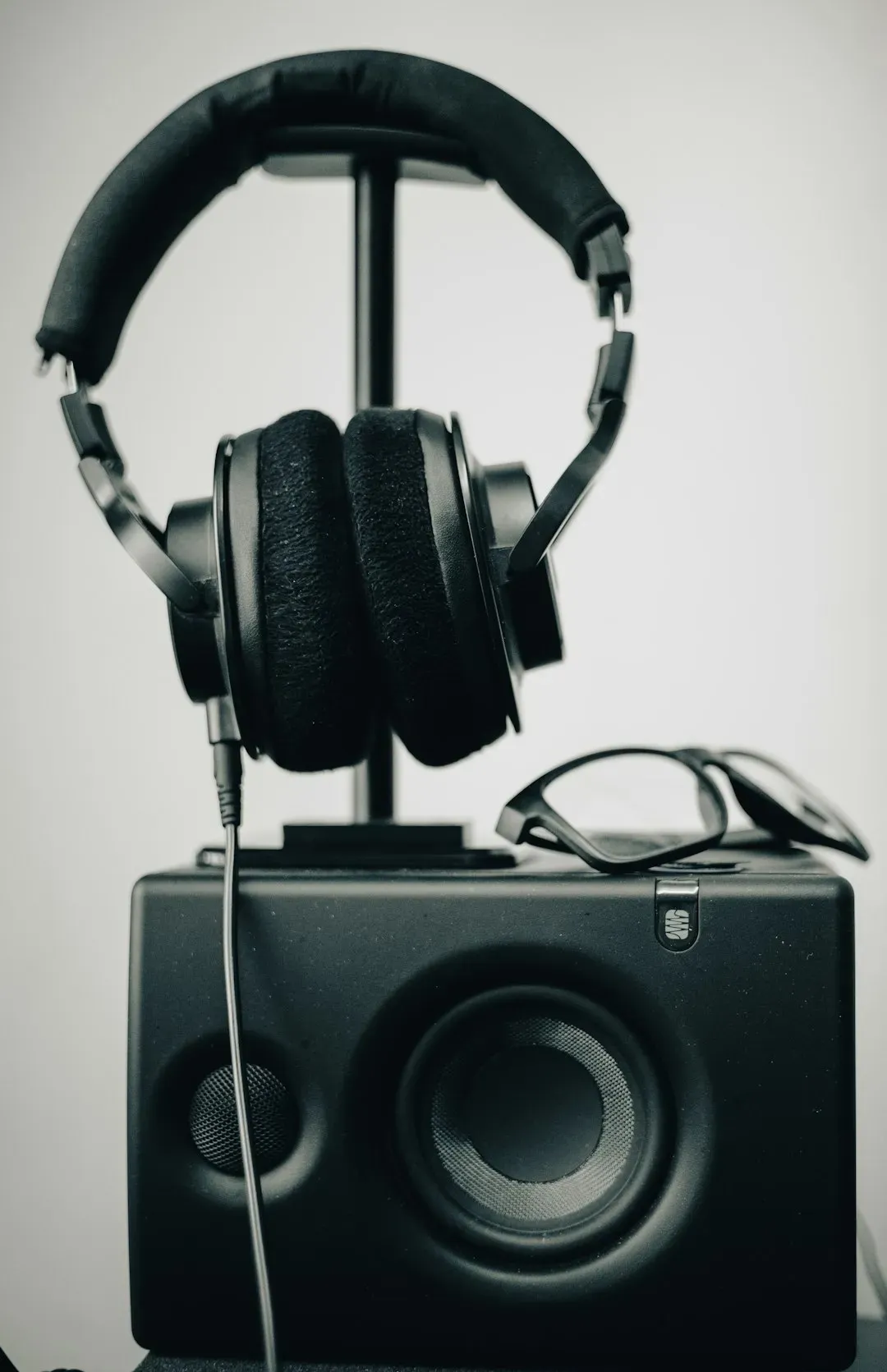
For many, hi-fi is like an ongoing midlife crisis, always looking for that next hit of excitement from a new acquisition – and it never quite scratches the itch. The cycle is familiar to anyone who’s spent real time in the hobby. You buy an amplifier, it sounds great for a while, and then you start noticing the speakers. Fix the speakers, and now the source sounds like the weak link. The system is always one component away from being finished.
Audiophiles often tell themselves they have the available funds, regardless of how much those funds actually are, and yet frequently feel circumspect or even guilty about considering a new component. For those with families who absolutely come first, deciding to purchase new equipment becomes even more difficult. There is also the ever-lurking law of diminishing returns, quietly whispering that you don’t actually need the next thing. Most people hear it and buy anyway.
Mid-Tier Headphones: Solid Value or a Slippery Slope?


The best-selling audiophile headphones aren’t always the most expensive or shiniest models; they’re the ones that deliver exactly what serious listeners demand, year after year. That’s a sensible principle, but the market doesn’t always make it easy to act on. The mid-tier headphone space – roughly the five hundred to two thousand dollar range – is particularly effective at generating buyer regret, because the gains are real but the price jumps are steep.
As you push toward the five-hundred-dollar mark on in-ear monitors, you can obtain a bit more refinement and slightly stronger technical performance, but even by this point the differences won’t be night and day. Past five hundred dollars or so, diminishing returns start kicking in quite hard. New hobbyists often assume they’ll experience major across-the-board improvements by spending more money, but things don’t necessarily work that way – even the most expensive products usually have shortcomings.
The Cable Rabbit Hole: Where Marketing Meets Physics

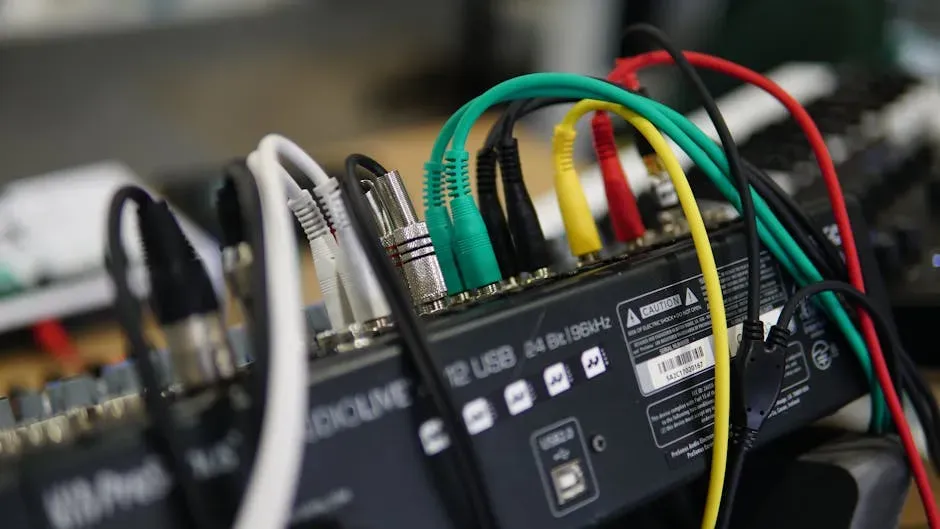
You can currently spend nearly five hundred dollars on an “audiophile fuse” to replace the one-dollar generic fuse in your amplifier. Ten thousand dollars will buy a set of “audiophile speaker cables” to replace twenty-dollar wires from a hardware store. We’re then told those cables can be improved further by adding three-hundred-dollar “cable elevators” to dampen vibrations. This is not a fringe phenomenon. It is a functioning, multi-billion-dollar segment of the audio industry.
Some cables marketed as premium produce no measurable change in audio. Others are built from the wrong type of wire or optimized for incorrect electrical parameters, which can actually degrade measured audio quality. Speaker cables costing ten thousand dollars measure identically to twenty-dollar hardware store alternatives. Professional recording studios, the ones producing the music audiophiles obsess over, use standard cables.
Partner offer

The Room Nobody Wants to Talk About

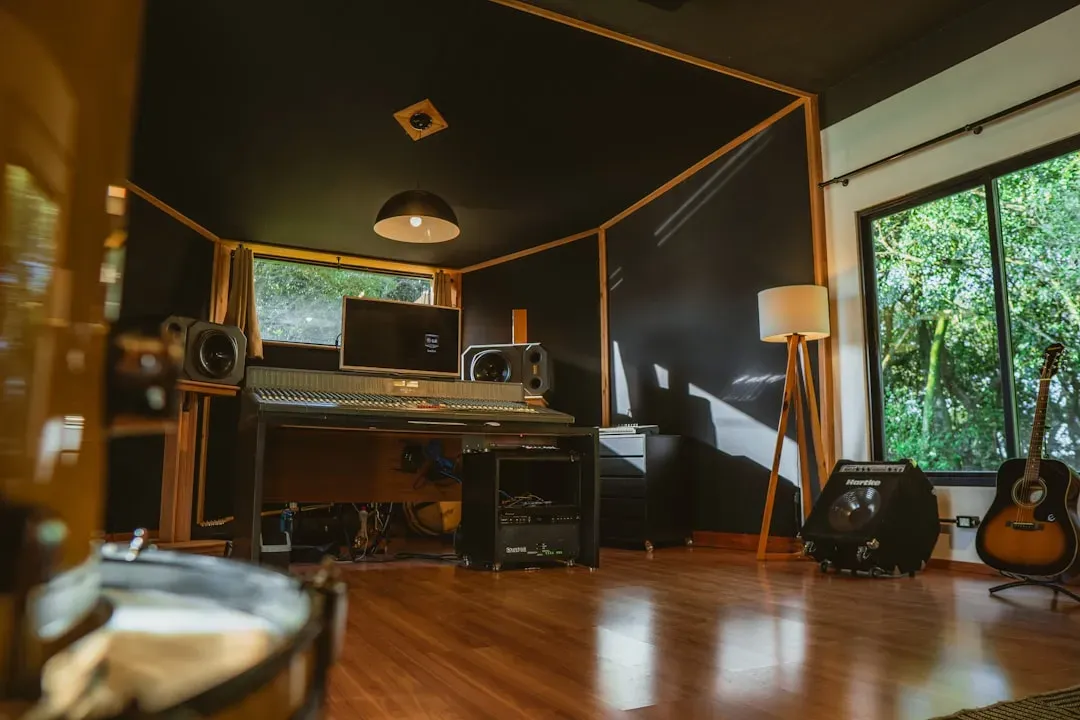
Optimizing the room where a system lives may offer a sonic improvement on par with, and often better than, a very expensive new component. Very often, changing the room yields better sonics for free or for very little cost. This is genuinely one of the most well-supported insights in audio, and yet it remains persistently unpopular. Nobody posts glamour shots of bass traps.
A shiny new DAC or amplifier is something you can post about online and that sparks conversation in audiophile communities. Acoustic panels and bass traps? They don’t have the same appeal. But that same money spent on proper room treatment could often yield a far greater audible improvement than the component upgrade. Basic treatment, like bass traps, first-reflection control, and sensible placement, yields bigger and more reliable improvements than most electronics swaps – and acoustic treatment is one of the most cost-effective upgrades you can make.
Boutique Brands and the Price Premium That Isn’t Always Earned

“Boutique” brands often carry much higher price tags than direct-to-consumer companies, meaning that with the latter you can end up getting far more performance per dollar spent than with traditional retail names. This is a dynamic that quietly costs middle-tier buyers real money. The brand name, the distribution chain, the retail margin, and the marketing all get folded into a price that has little to do with what the driver, the cabinet, or the circuit board actually costs to produce.
The higher you go in price, the better the build quality generally gets. However, there are also instances where a more budget-friendly product will outperform one that is two to three times the price, making the notion that you need to spend thousands of dollars to get the best sound somewhat questionable. The middle-class audio buyer is particularly vulnerable here, because they’re informed enough to believe in the price-to-quality relationship, but not experienced enough to identify where it breaks down.
The Psychology of Upgrades: When Status Enters the Equation

Beyond a certain point, the gains from upgrading become subtle, the percentages shrink, and status can start to creep into the equation. The honest question becomes: are we truly upgrading to improve our own listening experience, or are we subconsciously trying to keep up with others – impressing them as much as ourselves? This distinction matters financially, because status-driven spending doesn’t have a natural stopping point.
For many, like any other form of compulsion, the constant need to upgrade is seldom purely about the pleasure of music, but is often a surrogate for something else – always seeking a kind of audio nirvana that is just out of reach. The more you spend, the closer it appears to get, yet the further away it actually becomes, because it is never quite there. Recognizing this pattern is genuinely useful. It doesn’t mean the gear is bad. It means the goal has shifted without you noticing.
Where the Sweet Spot Actually Lives

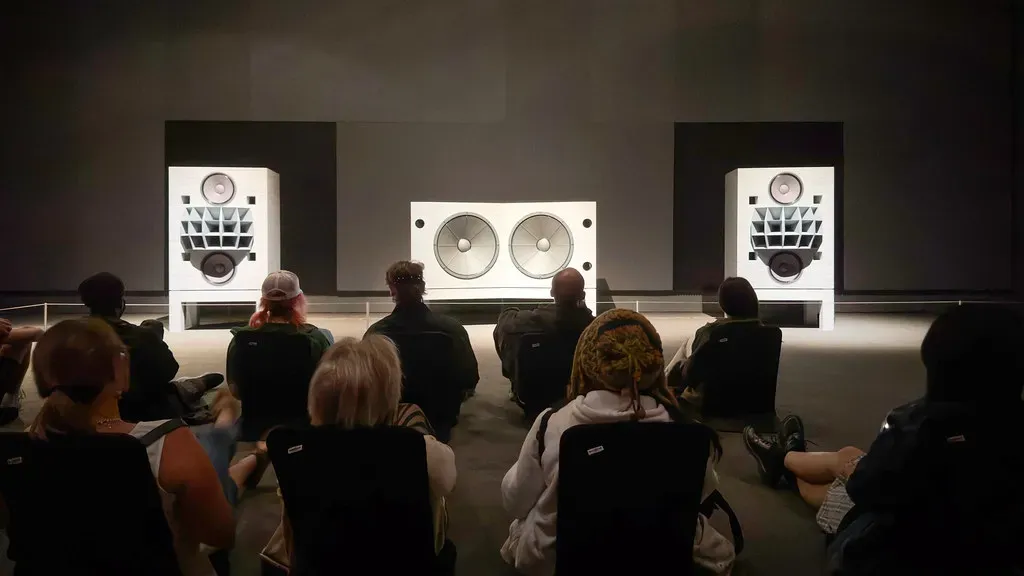
The point of diminishing returns in hi-fi audio is a topic of much debate. The concept is that beyond a certain price point, the incremental improvement in sound quality becomes smaller and smaller for each additional dollar spent. You might get a significant improvement by spending a little more in the budget or mid-range sector, but once you reach high-end equipment, you may have to spend a great deal more to achieve a relatively minor improvement.
The sweet spot is different for everyone. For some, it’s a mid-tier system that gets ninety percent of the way there without breaking the bank. If an upgrade brings more enjoyment and you can comfortably afford it, it may be worth it even for a small improvement. But if you’re straining finances or buying mainly for the badge on the front, the law of diminishing returns has likely caught up with you. That last sentence is worth sitting with before the next purchase.
The Smarter Way to Spend: Used Gear, Room Treatment, and Knowing When to Stop

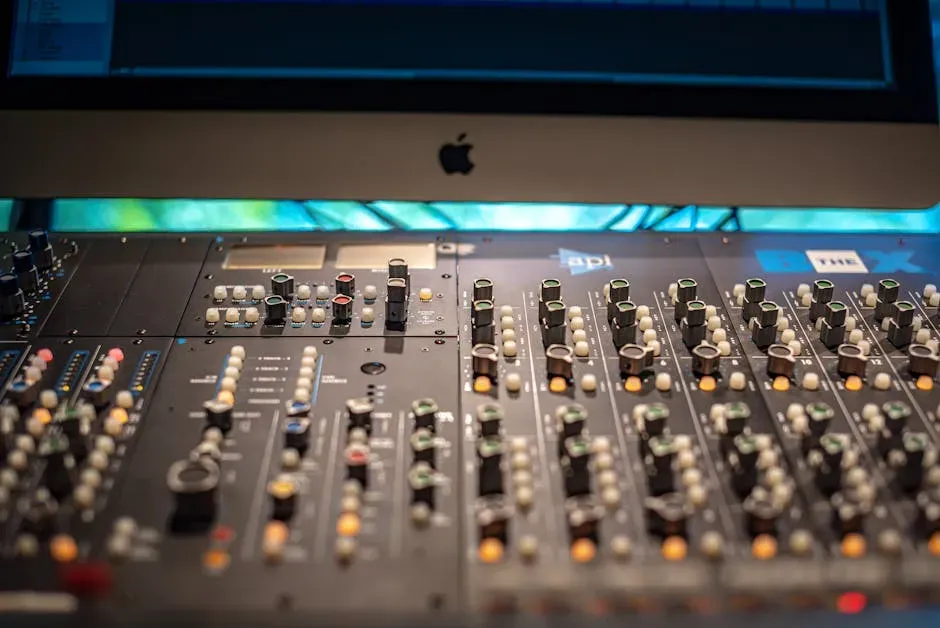
Looking for refurbished or second-hand gear can stretch a budget considerably. DIY acoustic solutions are another option. Checking expert reviews and user feedback ensures you’re getting real value for your money – and by carefully selecting components based on actual preferences and real constraints, you can create a satisfying experience without overspending.
As time in the home audio hobby accumulates, things keep getting more expensive. The balance is to find that point of diminishing returns and realize contentment there. Most enthusiasts, if honest with themselves, have already blown past that rational point. Stopping isn’t giving up. Sometimes it’s the most expensive thing you’ll ever not do.
Partner offer
Planning a trip to Vegas?
Compare hotel rates and show tickets on VEGAS.com.


