


We all know about “I Have a Dream.” We know about Churchill’s defiance during the Blitz and Lincoln’s Gettysburg Address. These speeches live in textbooks, on classroom walls, and in the cultural air we breathe. But honestly, for every speech that became famous, there are dozens that shaped nations, changed minds, and cracked open injustice – all without ever landing a spot in the popular imagination.
Some of these words were spoken in courtrooms, at women’s conventions, or on the floors of collapsing democracies. Some were so radical in their moment that the institutions of power worked overtime to ignore them. Others simply got swallowed by time. What you’re about to read is a gallery of the overlooked – speeches that, once you encounter them, feel impossible to forget. Let’s dive in.
Sojourner Truth’s Original 1851 Speech – the One Nobody Actually Knows
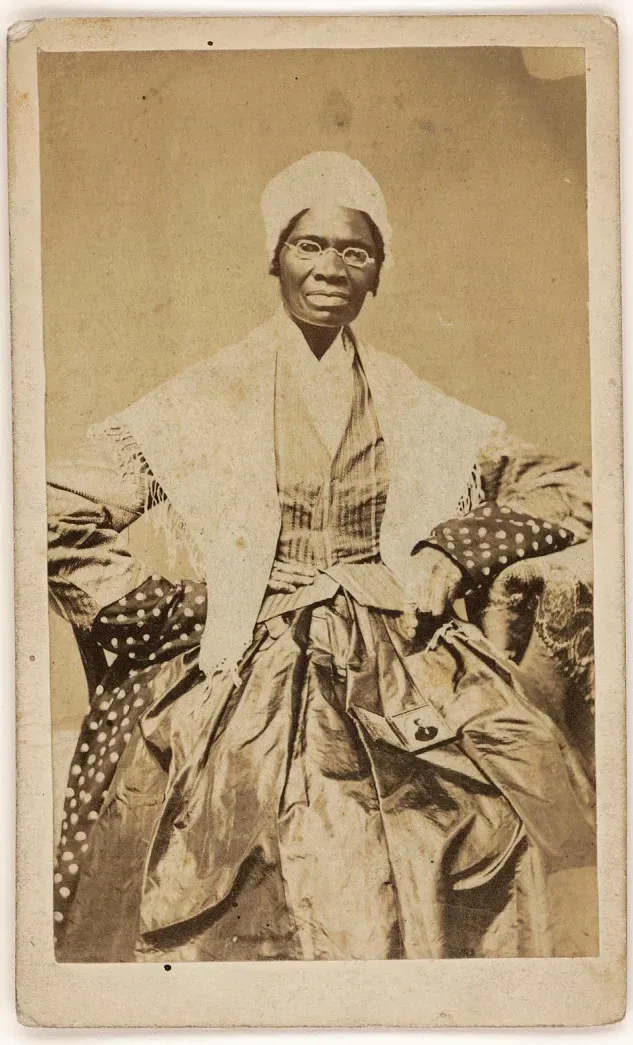
Here’s a jaw-dropping fact: the famous version of Sojourner Truth’s “Ain’t I a Woman?” speech that most people have heard is not what she actually said. Most people are familiar with the 1863 popular version of Sojourner Truth’s famous speech, but this popular version, while based off of Sojourner’s original 1851 speech, is not her speech and is vastly different from the original.
In 1863, during the American Civil War, Frances Dana Barker Gage published a significantly different version with speech more typical of Southern African Americans. This version became known as “Ain’t I a Woman?” because of its oft-repeated question, which does not appear in the earlier version. Think about that. A phrase that became iconic was never actually spoken.
Truth never lived in the South and spoke only Dutch until she was nine years old, according to the Narrative of Sojourner Truth. She could have retained some sort of Dutch accent when speaking English, but that would be nothing like the dialect Gage gave her. It’s a kind of historical erasure dressed up as tribute.
At the 1851 Women’s Rights Convention held in Akron, Ohio, Sojourner Truth delivered what is now recognized as one of the most famous abolitionist and women’s rights speeches in American history. It is interesting to note that Marius Robinson and Sojourner Truth were good friends and it was documented that they went over his transcription of her speech before he published it. The original, authenticated version is the one we should be teaching – and most of us have never read it.
Frederick Douglass and the Question That Shook a Nation
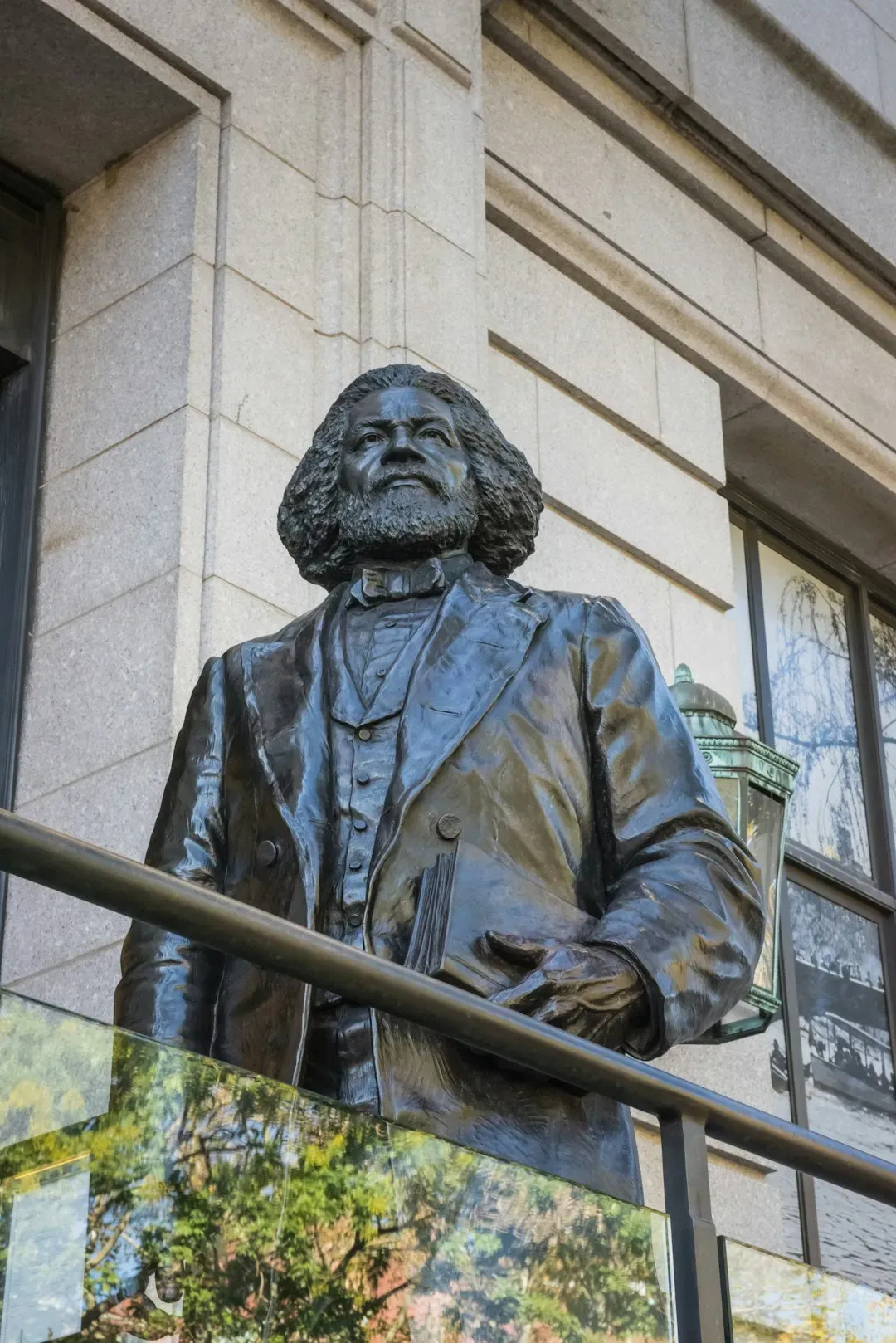
Frederick Douglass delivered “What to the Slave Is the Fourth of July?” on July 5, 1852, at Corinthian Hall in Rochester, New York, at a meeting organized by the Rochester Ladies’ Anti-Slavery Society. The choice of speaking on July 5 rather than July 4 was itself a statement – sharp, deliberate, and devastating.
Douglass’ speech laid bare the hypocrisy of American ideals of freedom at a time when millions were living in Constitutionally-sanctioned bondage across the United States. Noted for its biting irony and bitter rhetoric, and acute textual analysis of the U.S. Constitution, the Declaration of Independence, and the Christian Bible, the speech is among the most widely known of all of Douglass’s writings.
The speech began with a sympathetic account of the American Revolution and its great promise for freedom but then pivoted to a second half which detailed the gross hypocrisy of American enslavement on the legacy of that freedom struggle. Many historians consider this effort to be Douglass’s finest oration, and arguably one of the most powerful American political speeches ever written.
During an Independence Day celebration in Rochester, New York on July 5, 1852, Douglass delivers what would become his most celebrated speech, serving as a searing reminder that at the time, only a fraction of the U.S. population enjoyed the freedom celebrated by the nation. Yet for much of the 19th century, its audience was tiny. It took more than a hundred years for it to reach its rightful place in the American consciousness.
Václav Havel’s New Year’s Address – Radical Honesty from a New President
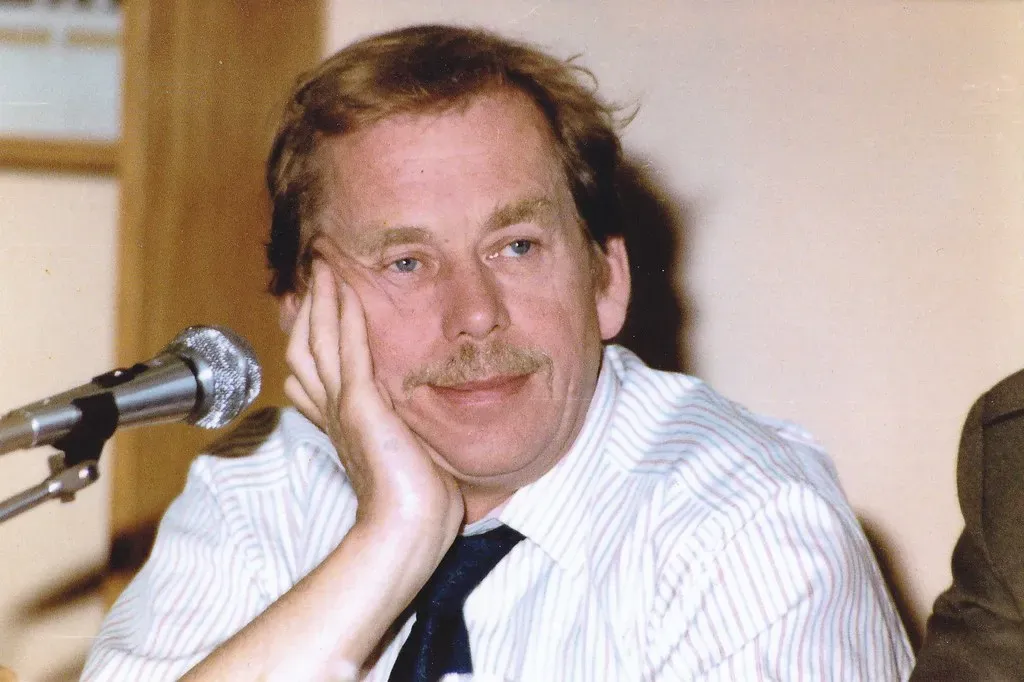
Imagine a newly elected president who, in his very first address to the nation, refuses to pretend everything is fine. When Václav Havel spoke to the citizens of Czechoslovakia as their president on New Year’s Day in 1990, it was the first time in 40 years a democratic leader delivered the annual address. It was a moment unlike anything the country had lived through in living memory.
His inaugural address to the nation in 1990 was notable for its frankness. He described the country’s economy, educational system and environment as being effectively in ruins. He also used his inaugural address to promise transparency, the restoration of the country’s important institutions from decades of neglect, and respect for all citizens.
On December 29, 1989, the transitional parliament unanimously elected Havel as President of Czechoslovakia. This marked an incredible transformation for the nation and for Havel – just months before he had been sent to prison for the third time for speaking out against the government. From prison cell to president in a matter of months. Let that sink in.
The speech called the Czechoslovak people to both recognize their complicit role in perpetuating the life of the regime and to shift from the prevailing national attitude of self-interestedness to one of mutual cooperation and understanding. Havel appealed to the Czechoslovak people to continue the project of accessing and implementing their suppressed democratic and moral values that they had begun during the Velvet Revolution. The text is commendable for its refusal to paint the citizens as passive victims of the previous regime and its resulting recognition of the citizens’ agency and thus their profound potential to enact a moral politics.
Otto Wels Speaks Against Hitler – Alone in a Room Full of Silence
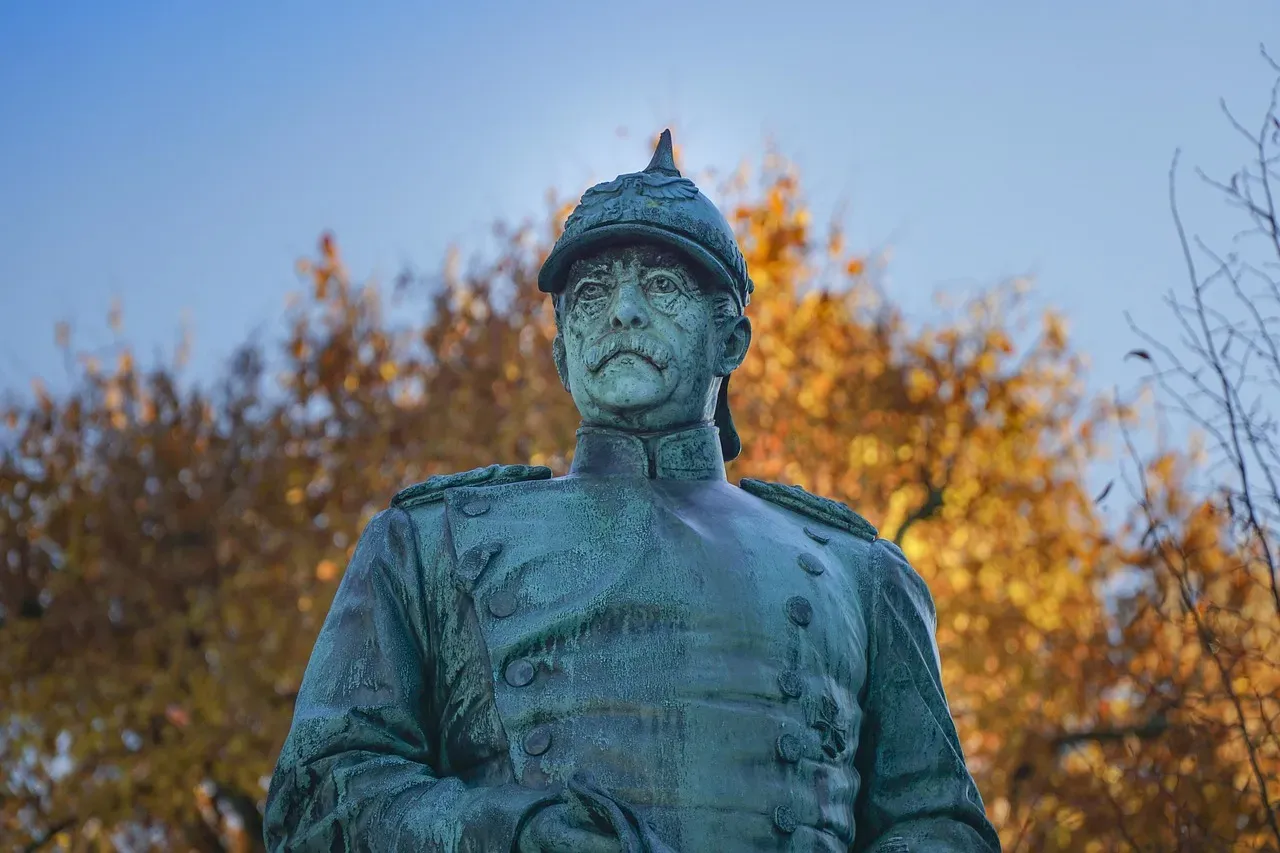
In March 1933, inside the German Reichstag, one man stood up and said no. Otto Wels was the only German parliamentarian to speak against the Enabling Act, which took the power of legislation away from the Parliament and handed it to Adolf Hitler’s cabinet. Every other party voted to hand Hitler absolute power. The Social Democrats voted no, and Wels was their voice.
I think this is perhaps the most quietly heroic act of speechmaking in recorded history. Standing in that chamber, knowing what kind of men surrounded him, and speaking anyway – that’s not bravery on a battlefield. It’s something colder, more deliberate, and arguably more difficult. His words were a formal goodbye to German democracy, spoken while democracy was still technically alive.
The speech became one of the most powerful denunciations of American hypocrisy in the antebellum period. Delivered in 1852 by a formerly enslaved man, it condemned the celebration of American independence while millions remained enslaved. Wels’ speech carried that same energy – speaking truth to power in a room where power had already decided to stop listening.
Wels had to flee Germany shortly after delivering his remarks. His speech was suppressed. Most Germans never heard it. Yet today it stands as a document of what moral courage looks like when the stakes could not possibly be higher – and it deserves far more space in history classrooms than it currently occupies.
Chief Joseph’s Surrender Speech – Words That Carry the Weight of a World Lost
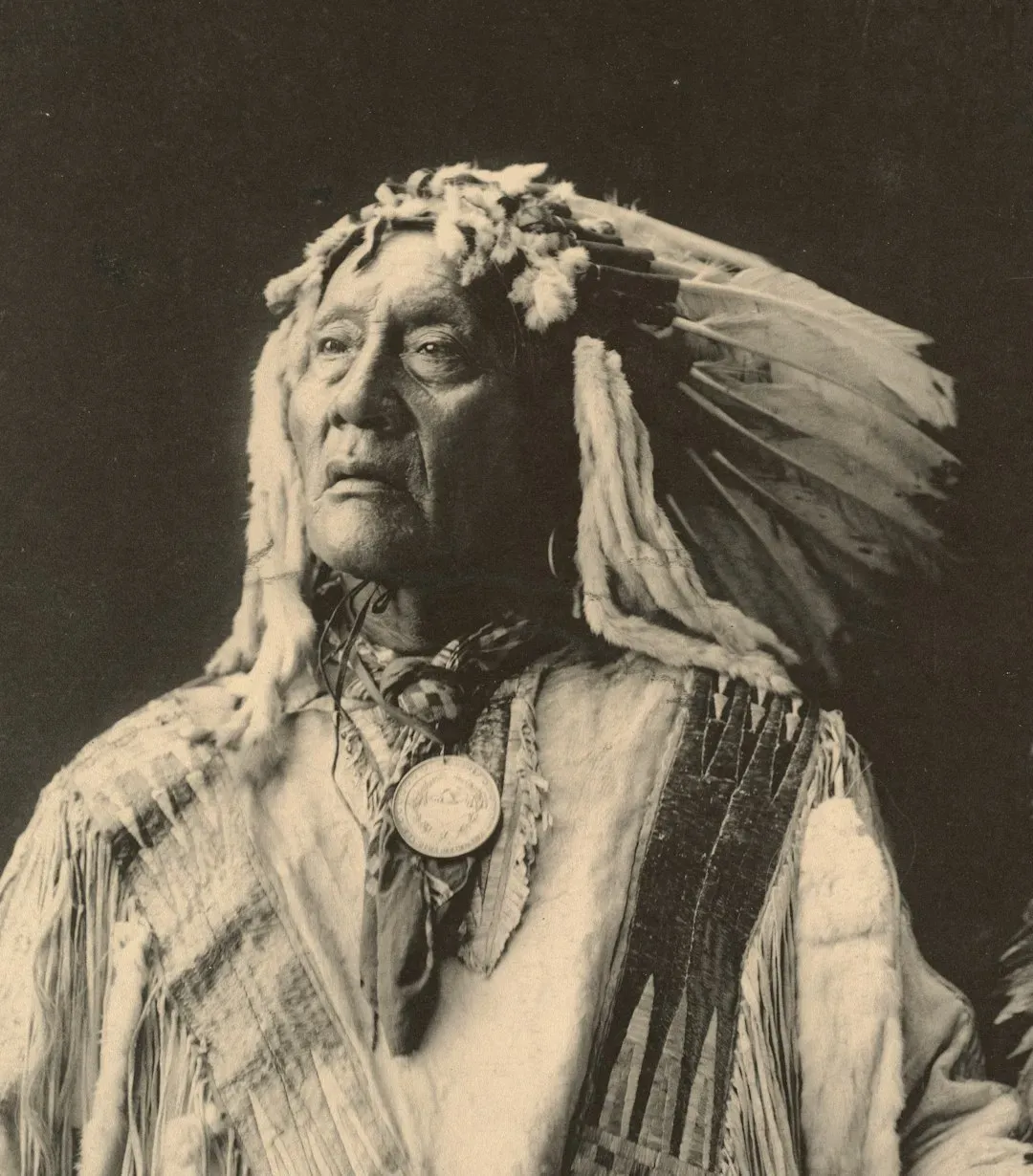
Spoken in 1877 upon surrendering to U.S. forces, the speech marked the tragic end of the Nez Perce resistance. Chief Joseph, leader of the Nez Perce people, had led his band on a nearly 1,200-mile flight toward Canada, pursued relentlessly by the U.S. Army. They were caught just forty miles from the border.
The Nez Perce Indians were one of the last indigenous tribes still fighting the Indian Wars. They were forced off their native land in Oregon and fled for Canada. What followed his capture was one of the most emotionally devastating speeches in human history – short, spare, and utterly without self-pity.
Spoken in 1877 upon surrendering to U.S. forces, the speech marked the tragic end of the Nez Perce resistance. It expressed sorrow and dignity, cementing Chief Joseph’s legacy as a voice for Native American humanity. There are no rhetorical flourishes here, no calls to arms. Just grief. And in that grief, a kind of power that academic oratory rarely achieves.
Honestly, if you read it for the first time today, it stops you cold. His final known words on the occasion – that he would fight no more forever – have often been called the most moving surrender statement in recorded history. The problem is that too many people have never been given the chance to encounter it at all.
Khrushchev’s Secret Speech – The Speech That Cracked the Soviet World in Half
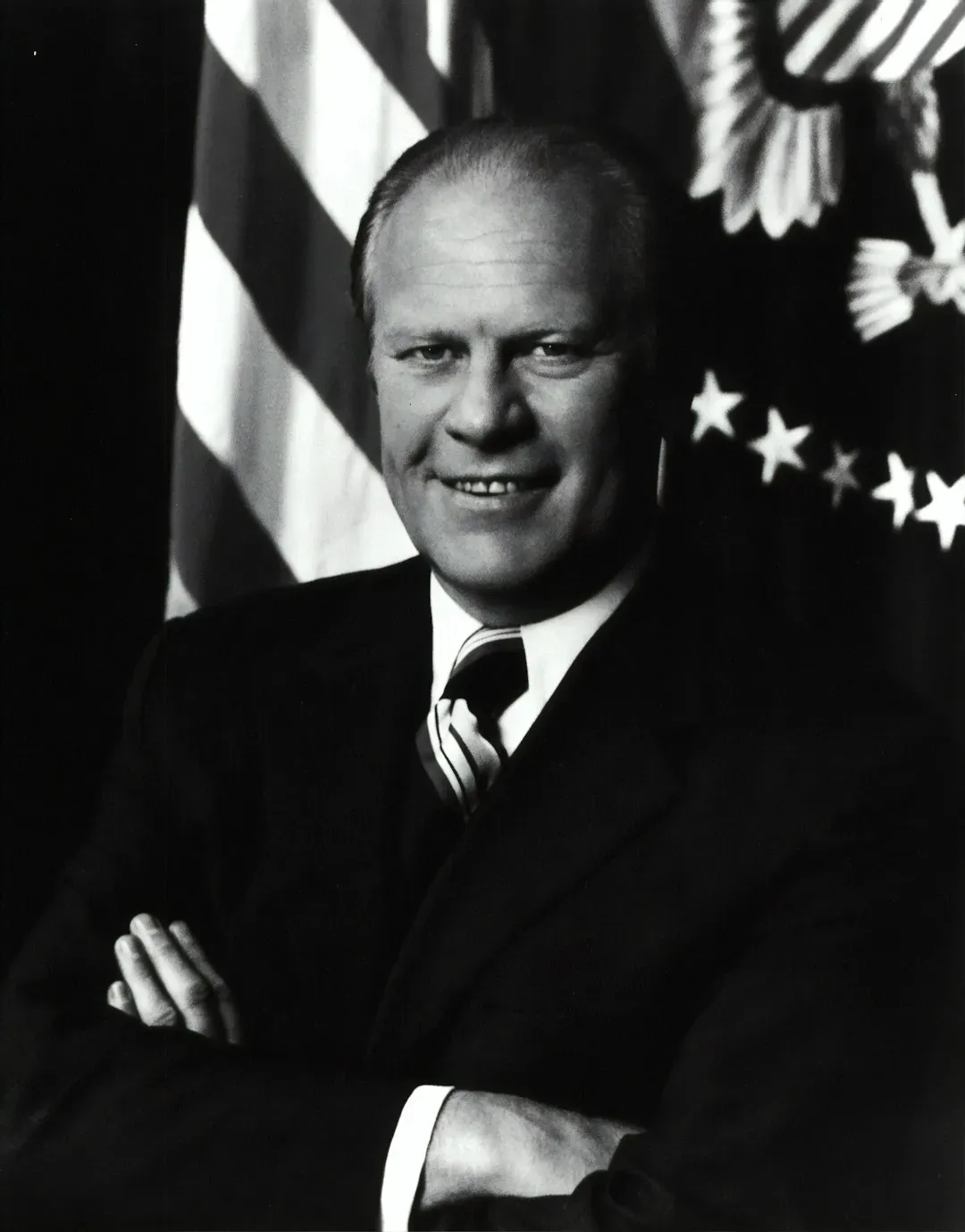
In 1956, Nikita Khrushchev delivered “On the Personality Cult and Its Consequences,” castigating actions taken by the regime of deceased Communist Party secretary Joseph Stalin. It is widely known as the “Secret Speech” because it was delivered at a closed session of that year’s Communist Party Congress. No press. No public. No recording devices, officially at least.
Yet the contents leaked. And when they did, the political shockwave was enormous. For millions of people inside the Soviet Union and in communist parties across the world, this was the moment the ideological ground shifted beneath their feet. Stalin, worshipped for decades as an infallible leader, was now being condemned by his own successor.
The speech ran for several hours. It was dense, specific, and at moments, absolutely damning. It documented executions, purges, the fabrication of confessions, and the systematic destruction of loyal party members. It’s hard to say for sure just how many people’s worldview it permanently altered, but historians agree: the effect was enormous.
The reason it belongs on this list is simple. Most people know that Stalin was a brutal dictator. Far fewer know that his own party publicly dismantled his legacy while he was barely cold in the ground – in a speech most of the world wasn’t allowed to hear. That’s a story worth telling.
MLK’s “Beyond Vietnam” – The Speech History Tried to Bury
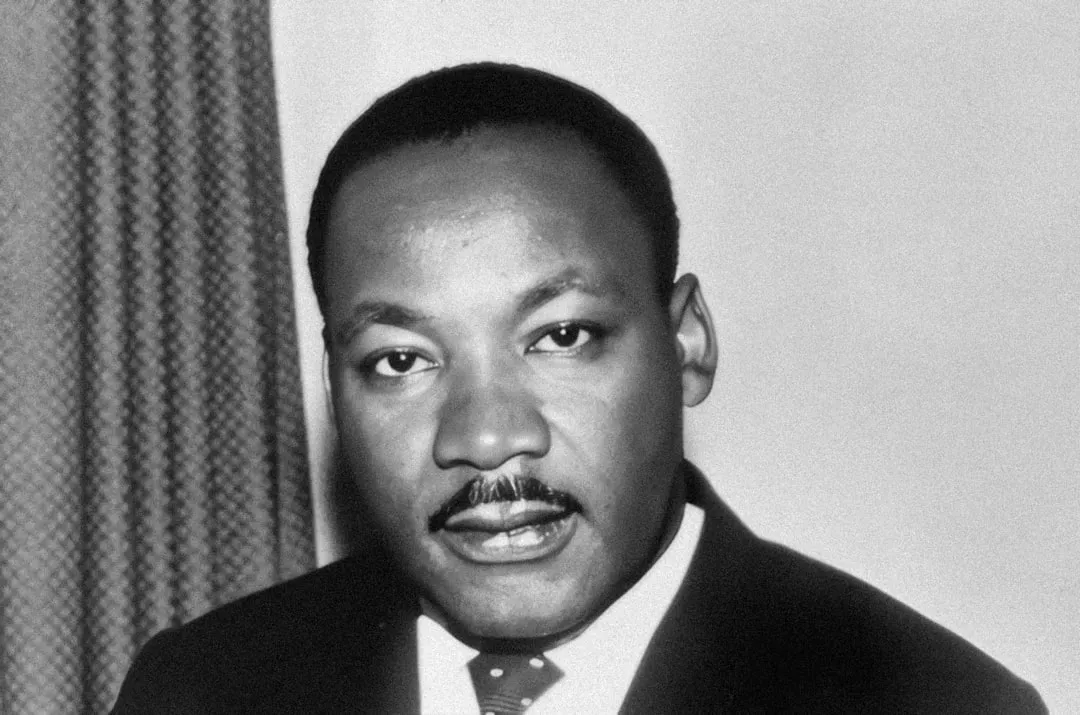
Everyone knows “I Have a Dream.” Far fewer know the speech King delivered on April 4, 1967, exactly one year before he was assassinated. Martin Luther King Jr.’s “I Have a Dream” speech, delivered on the steps of the Lincoln Memorial in 1963, is so famous that it often eclipses his other speeches. His “Beyond Vietnam” address is the most powerful example of what gets lost in that shadow.
The three evils King outlines in this speech are poverty, racism and militarism. Although powerful and timely, the speech drew a harsh and immediate reaction from a nation that had only just begun to reckon with the rising casualties and economic toll of the war. Both The Washington Post and The New York Times published editorials criticizing it.
King knew he would take heat for the speech, especially from the administration of President Lyndon B. Johnson, with whom he’d worked to get the Civil Rights Act of 1964 and, a year later, the Voting Rights Act, through Congress. With the presidential election just 19 months away, continued support of Johnson’s Vietnam policy was crucial to his reelection. King chose moral clarity over political calculation. That choice cost him.
Scholars hear in King’s words an antecedent to the Black Lives Matter movement. One sees in that speech some relationship between the rhetoric of Dr. King at that moment and the rhetoric of Black Lives Matter at this moment. It was a speech too radical for its time, too honest for power to tolerate – and too important for history to keep forgetting. What would the world look like if this speech had gotten the same attention as his others? That’s a question worth sitting with.


