Art history has a long habit of crowding its brightest light onto a handful of names: Michelangelo, Da Vinci, Rembrandt, Van Gogh. These are the painters whose faces appear on mugs and tote bags, whose auction records fill the news cycle. Meanwhile, an entire constellation of extraordinary talent has been quietly sitting in the shadows, waiting for someone to look up.
For centuries, art history was shaped by narrow perspectives, often male, Western European, and elitist. Many artists, especially women and those outside France or Italy, were marginalized in these narratives. Only now are scholars revising the canon to include them. What follows is a ranked gallery of painters whose work deserves far more than it has received.
Artemisia Gentileschi – The Baroque Powerhouse Who Got Overlooked for Centuries
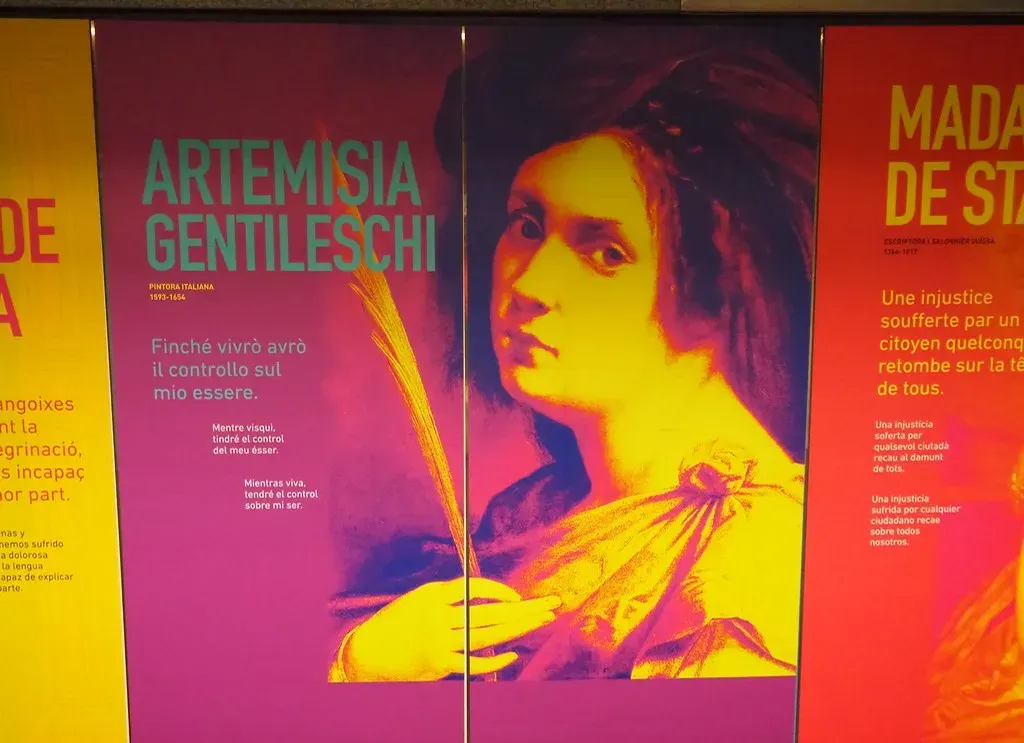
Artemisia’s mastery of light and emotion rivals any Baroque painter. Her powerful female subjects – Judith, Susanna, and others – redefined how women were portrayed in art. She infused her figures with psychological complexity and moral strength. Working in the 17th century, she operated in a world that actively tried to minimize her, yet she persisted with a body of work that modern scholars now recognize as transformative.
As a Baroque painter, Artemisia Gentileschi broke through the male-dominated art world of the 17th century. Her dramatic, emotion-filled works often depicted powerful female figures, such as her iconic painting Judith Slaying Holofernes. Her ability to convey raw human emotion and strength made her a trailblazer for women in art. Artemisia Gentileschi’s recent surge in popularity proves how quickly reevaluation can happen.
Hilma af Klint – The Woman Who Invented Abstraction Before Anyone Else
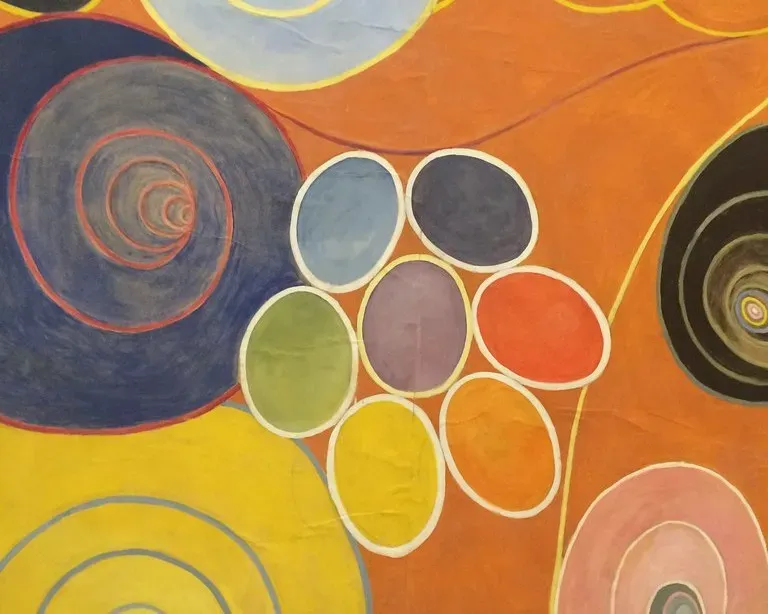
Hilma af Klint was a Swedish artist whose paintings are considered to be among the first major abstract works in Western art history. A considerable body of her work predates the first purely abstract compositions by Kandinsky, Malevich, and Mondrian. That’s not a small claim. It’s one that art historians spent much of the 20th century ignoring simply because no one was looking in her direction.
In her will, the painter arranged that her works of art should not be exhibited to a large audience until twenty years after her death. The artist was convinced that her contemporaries would not be able to grasp the full meaning of her paintings. In 2018, the Guggenheim held the first major exhibition of her work in the United States, “Hilma af Klint: Paintings for the Future.” The show caused a sensation, becoming the most visited exhibition in the museum’s 60-year history.
Lavinia Fontana – The Renaissance Trailblazer History Nearly Forgot
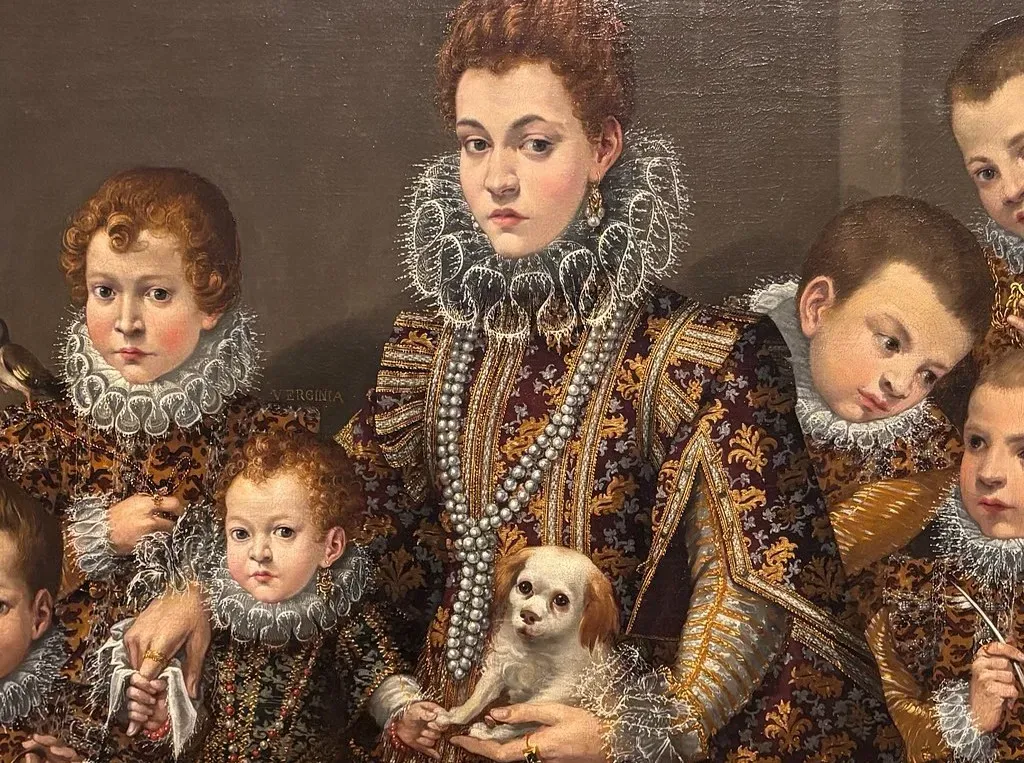
She is regarded as the first female career artist in Western Europe, as she relied on commissions for her income. Her family relied on her career as a painter, and her husband served as her agent and raised their 11 children. She was perhaps the first female artist to paint female nudes, but this is a topic of controversy among art historians. By any measure, her achievements were staggering for the time.
In what was an unprecedented honor, Fontana’s reputation was confirmed in her own lifetime when she was admitted into the illustrious guild for painters in Rome, the Accademia di San Luca, the first woman to achieve such an award. Despite being a woman from a modest socio-economic background and living in a patriarchal society, Lavinia rose to international fame within her lifetime and garnered a salary comparable to the most successful male painters in Europe. Her name, however, rarely appears in mainstream art conversations.
Georges de La Tour – The Candlelight Master Nobody Remembers
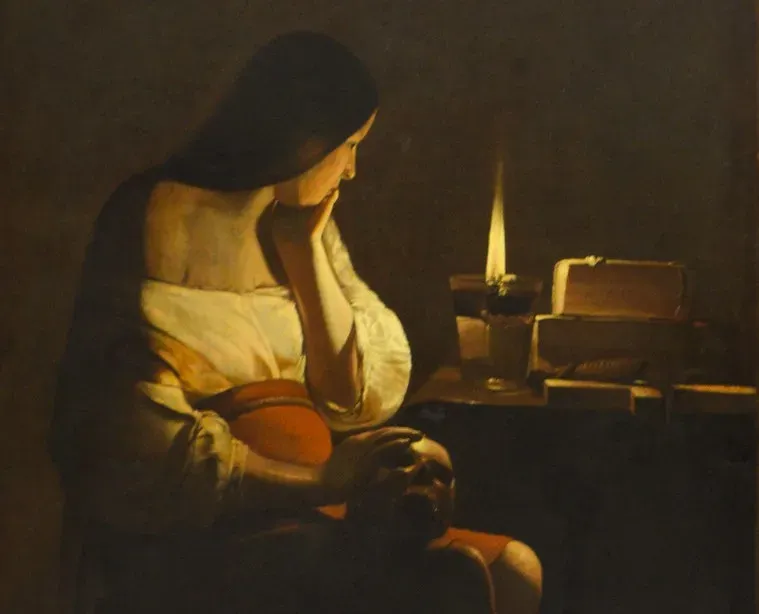
La Tour was almost entirely forgotten for centuries until rediscovered in the 20th century. His candlelit scenes, half mystical, half realistic, capture silence, contemplation, and light in ways few artists can. He worked in France during the 17th century, a period dominated by loudly theatrical painters, and his quiet intensity set him apart rather than elevated him.
Collectors who appreciate Caravaggio’s drama often overlook La Tour’s quiet intensity. Yet his mastery of chiaroscuro and spiritual restraint offers something profoundly meditative. Baroque painting often dramatizes scenes using chiaroscuro light effects; this can be seen in works by Rembrandt, Vermeer, Le Nain and La Tour. That La Tour’s name still trails so far behind those others is one of art history’s quiet injustices.
Alonso Cano – The Spanish Genius Crushed Beneath Velázquez’s Shadow
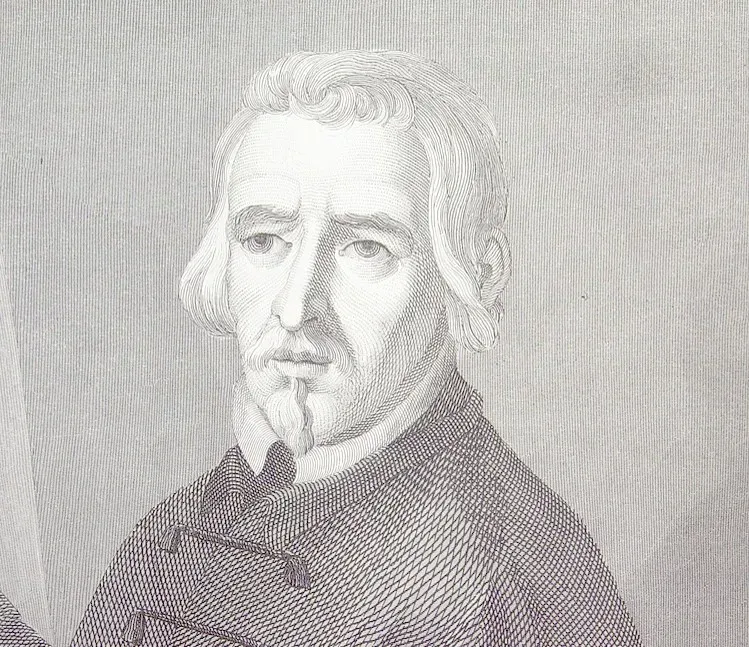
One curator considers Alonso Cano one of the four most important painters of the Spanish 17th century, together with Velázquez, Ribera, and Murillo – definitely a better artist than Zurbarán, even if the latter is more well known today. Plus, Cano had a multifaceted talent. He was a virtuoso sculptor and a great architect too. The problem, as with many overlooked figures, was timing: he lived in the same era as painters who commanded enormous fame.
Partner offer
He shared the idealistic vision of art without limit or border, in the prestigious tradition of the Italian Renaissance. When a period produces a superstar, like Michelangelo, Caravaggio, or Van Gogh, lesser-known contemporaries vanish from collective memory. It’s not that they lacked genius; they were simply outshone by the myth-making machine surrounding their peers. Cano is perhaps the clearest example of that pattern.
Leonor Fini – The Surrealist Feminist Overshadowed by Dalí
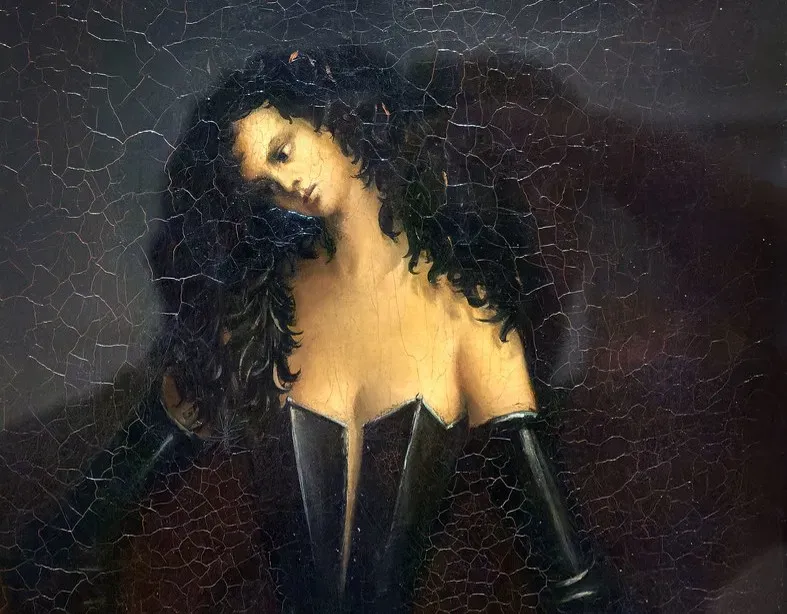
Leonor Fini, an Argentine-Italian surrealist painter, is one of the most captivating yet overlooked figures of the 20th century. Her work is often compared to that of Salvador Dalí, but Fini’s paintings carry a distinctly feminine and mystical energy. Her exploration of gender, identity, and sexuality was ahead of its time, blending elements of mythology, fantasy, and erotica.
A surrealist painter often overshadowed by her male contemporaries, Leonor Fini’s dreamlike, feminist works challenged traditional gender roles and redefined sensuality in art. Her powerful depictions of female autonomy and mysticism set her apart as a revolutionary figure in the surrealist movement. Despite her significant contributions, Fini’s work has not received the same recognition as her male counterparts, and she remains relatively unknown outside of specialized art circles.
Jean-Baptiste-Camille Corot – The Impressionist Who Came Before the Impressionists
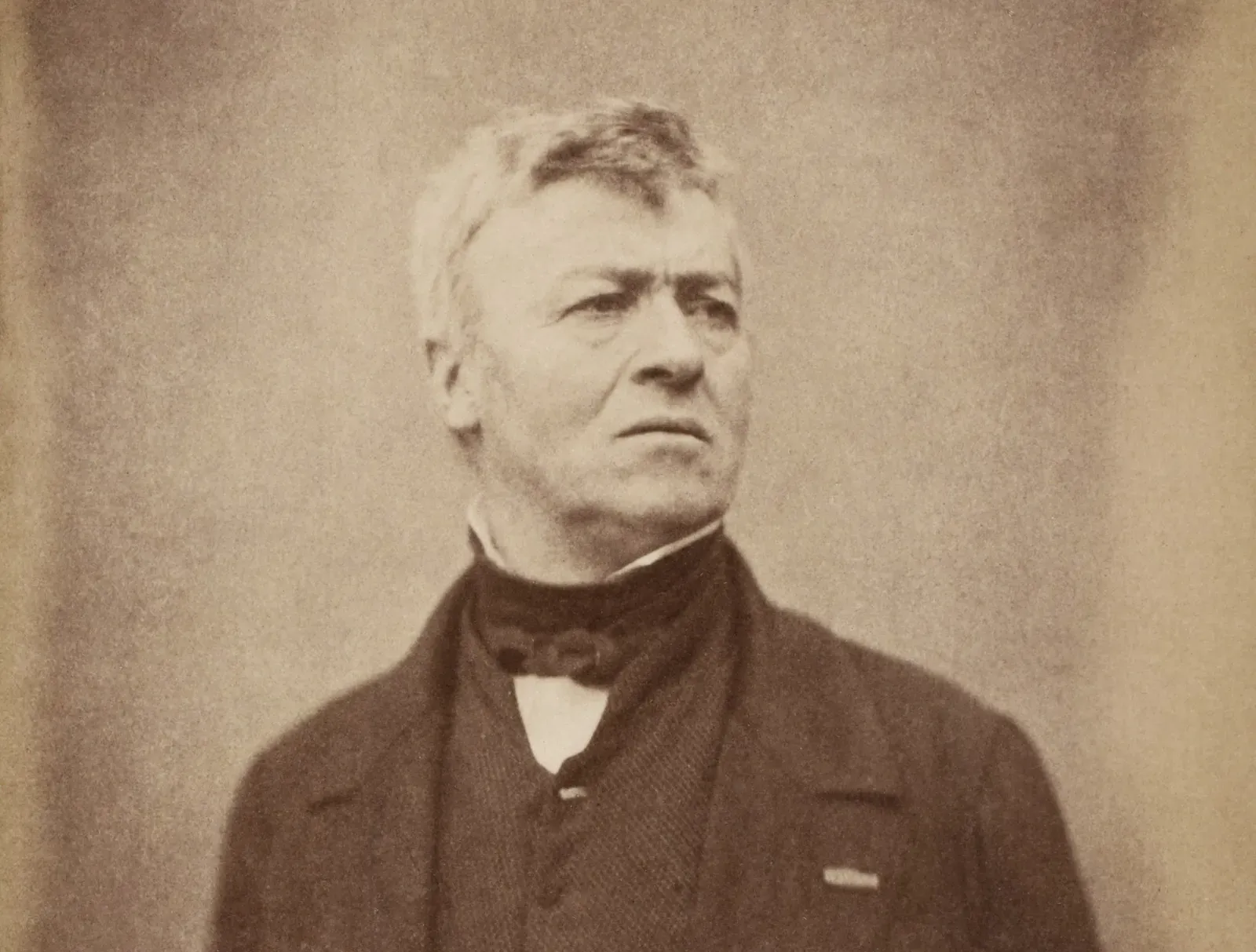
Known primarily for his landscapes, Corot bridged the gap between Romanticism and Impressionism. His atmospheric depictions of nature inspired the Impressionists, yet his name is often overlooked in favor of those he influenced, like Monet and Pissarro. That is a particular kind of irony: to pave the road so thoroughly that later travelers get all the credit for the journey.
Realism fell out of fashion when abstraction took over. Academic art was dismissed when modernism rose. Corot sat at a hinge point in art history, admired by those who knew his work intimately but systematically passed over by a broader public fixated on the generation he helped inspire. His hazy, silver-toned landscapes remain some of the most beautiful canvases of the 19th century.
Käthe Kollwitz – The Master of Suffering Who Never Made It Into the Canon
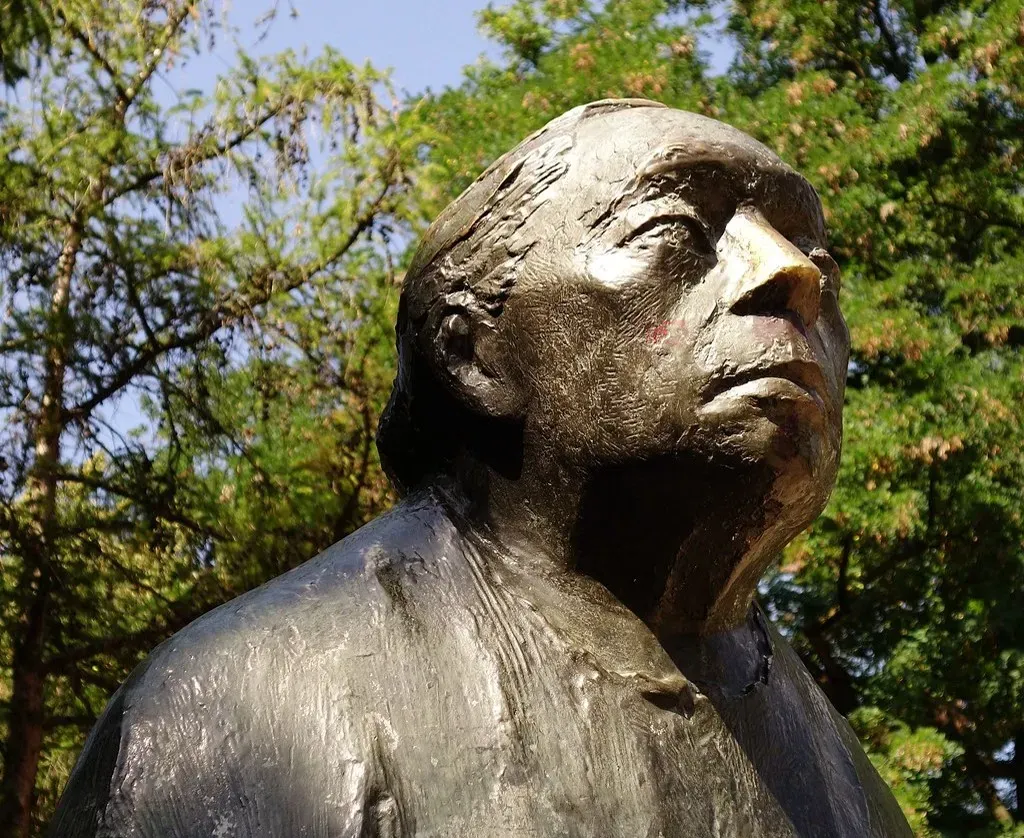
Käthe Kollwitz used her art to address social injustices, war, and the struggles of the working class. Her haunting etchings, woodcuts, and drawings conveyed deep empathy for human suffering. Despite her immense influence on politically charged art, Kollwitz remains underappreciated outside of academic circles.
Her work spanned the devastation of two world wars, and her prints depicting grief, poverty, and maternal loss carry a weight that very few artists have matched. The fact that she worked primarily in monochrome and printmaking, rather than oil on canvas, may partly explain her absence from the mainstream conversation. Many of these painters explore themes – solitude, faith, nature, resilience – that resonate deeply in our era of uncertainty. Their timelessness speaks to contemporary emotions better than ever.
Alphonse Mucha – Far More Than Decorative Art Nouveau Posters
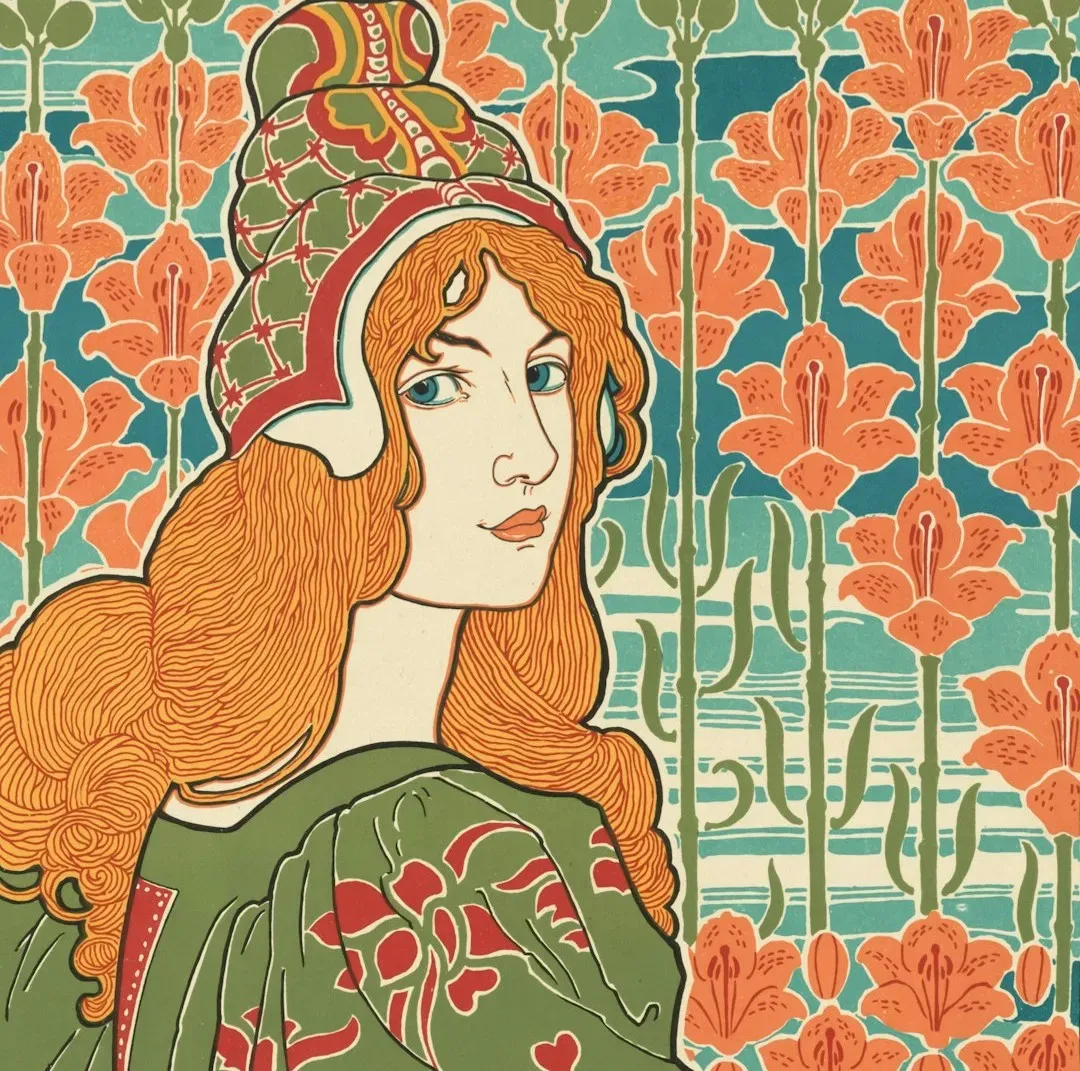
Czech painter Alphonse Mucha is known for his theatrical posters and advertisements, but it’s his “Slav Epic” that makes him one of the greatest historical painters of the 20th century. After years of controversy and hiding, The Slav Epic is considered a national treasure in the Czech Republic. The Epic is a series of 20 enormous paintings – some over six meters high – in the Art Nouveau style. The series reads like a giant comic book, telling the story of the Czech and Slavic people through historical events and Slavic mythology.
Most people know Mucha only from café poster reproductions – decorative, graceful, undeniably beautiful. Few realize he spent the last two decades of his life on a monumental historical cycle that was largely ignored during his lifetime and remains dramatically under-discussed today. Institutions and online platforms have democratized discovery. A single viral image or major exhibition can transform an artist’s market overnight. Mucha’s deeper legacy is still waiting for its moment.
Alice Neel – The Portrait Painter America Ignored for Decades
Alice Neel’s raw, unflinching portraits captured the human condition in a way that few of her contemporaries dared to explore. Often overshadowed by male painters of her time, Neel’s empathetic and expressive works are now celebrated for their bold honesty and psychological depth. She painted pregnant women, aging bodies, and figures society preferred not to look at, with a directness that felt radical for mid-20th century America.
Classic painters who worked within or refined existing styles often get overlooked, even when their technique surpasses many innovators. Neel spent most of her career working in near obscurity in Spanish Harlem, receiving a major retrospective only in her seventies. The delay was not about talent. It was about who the art world chose to look at, and who it preferred to ignore. Her paintings have never felt more relevant than they do today.
Partner offer
Planning a trip to Vegas?
Compare hotel rates and show tickets on VEGAS.com.