Most filmmakers spend their careers chasing a single great film. They wrestle with financing, fight studios, and spend years in development hoping to make something that lasts. A small, strange group of directors did it the other way around – they arrived, delivered something genuinely extraordinary, and then vanished from the chair entirely.
The reasons vary wildly. Some were devastated by a cold reception they never recovered from. Others were actors or writers who had one story to tell and considered the job finished. A few were simply taken too soon. What unites them is an unusual kind of legacy: a single work that refuses to be forgotten, attached to a name that never made another.
Charles Laughton – The Night of the Hunter (1955)
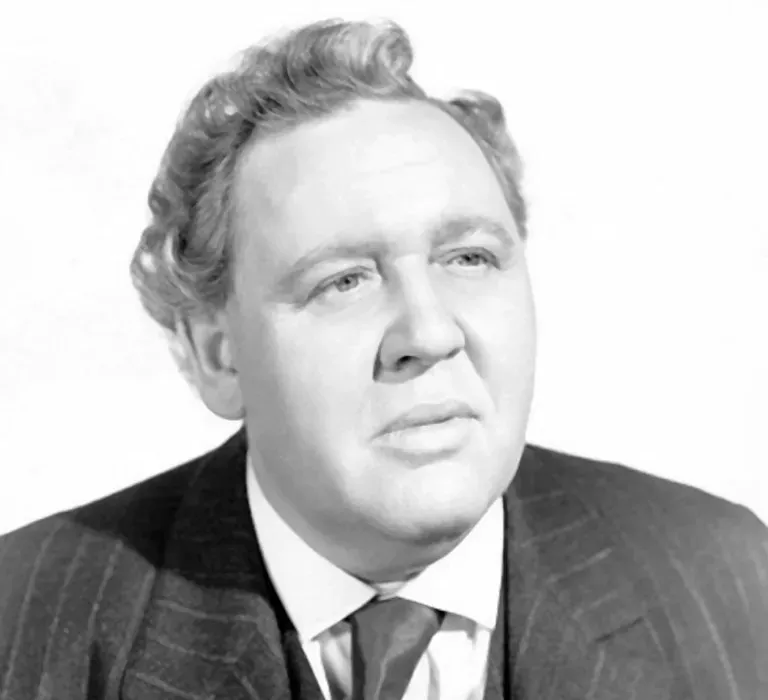
When Charles Laughton directed his one and only movie in 1955, he didn’t just make a good film, he made one of the best of all time. The Night of the Hunter tells the story of Reverend Harry Powell, a serial killer played menacingly by Robert Mitchum, who is on the hunt for $10,000 in stolen cash. Laughton brought a theatrical sensibility to the material that felt unlike anything else in American cinema at the time.
The Night of the Hunter was a massive box office flop and critical failure upon its initial release. Laughton, devastated by the film’s disastrous reception, never directed again. Now regarded as a masterpiece, Cahiers du cinéma, the British Film Institute, Empire, and Sight and Sound have all listed The Night of the Hunter among cinema’s greatest works. It remains one of cinema’s most painful cases of a wrong-era film finally receiving the recognition it deserved far too late to matter to its maker.
Barbara Loden – Wanda (1970)
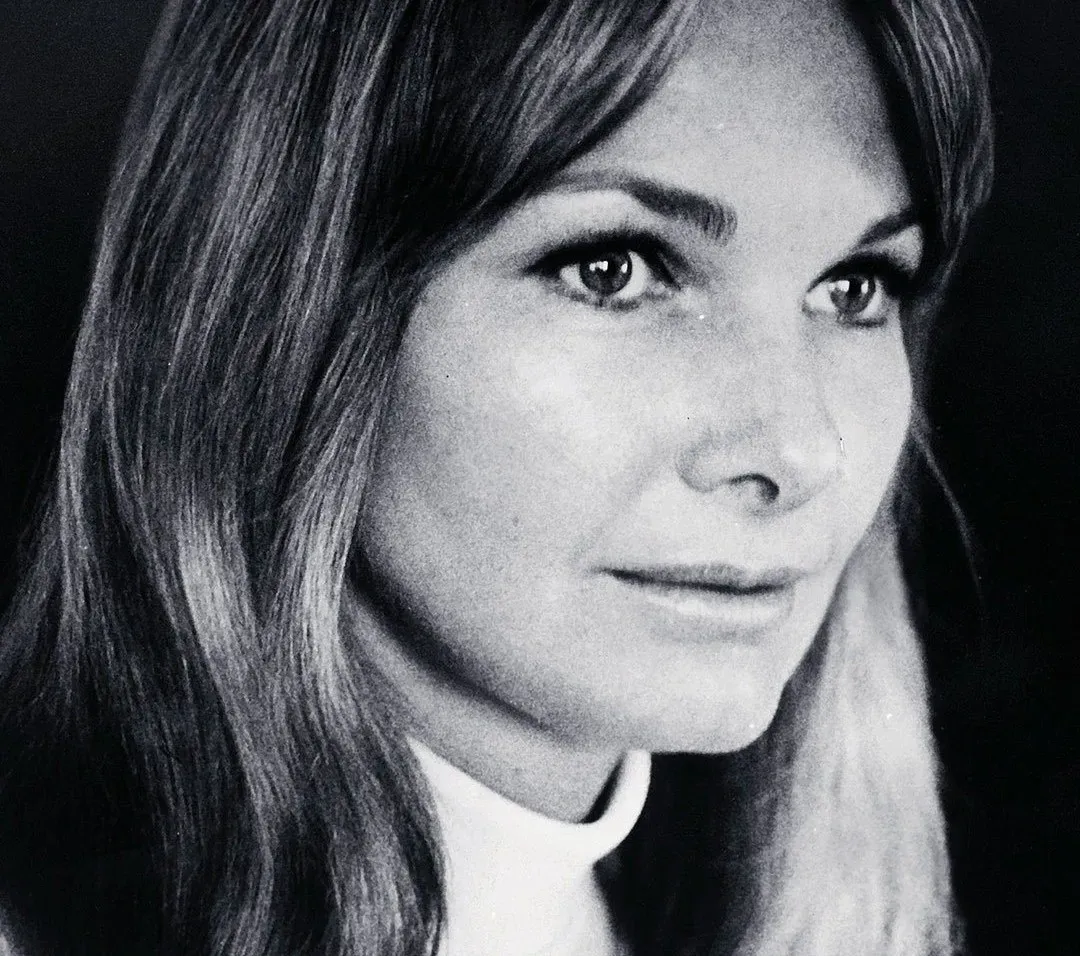
Barbara Loden was the first woman to write, direct and star in her own feature film, Wanda, which won the International Critics Award at the 1970 Venice Film Festival. Loden wrote, produced, directed, and starred in the film on a meager budget of $115,000. The film’s raw, documentary-like texture and its portrait of a drifting, dispossessed woman made it feel genuinely unlike anything Hollywood was producing.
The film was the only American film accepted by the Venice Film Festival in 1970, where it won the International Critics’ Prize, and the only American film presented at the 1971 Cannes Film Festival. In 1978, Loden was diagnosed with breast cancer, of which she died two years later, aged 48. In 2022, the film appeared on Sight and Sound’s critics poll for the Top 100 Films of All Time, tied for number 48. The world caught up with Wanda long after its maker was gone.
Marlon Brando – One-Eyed Jacks (1961)
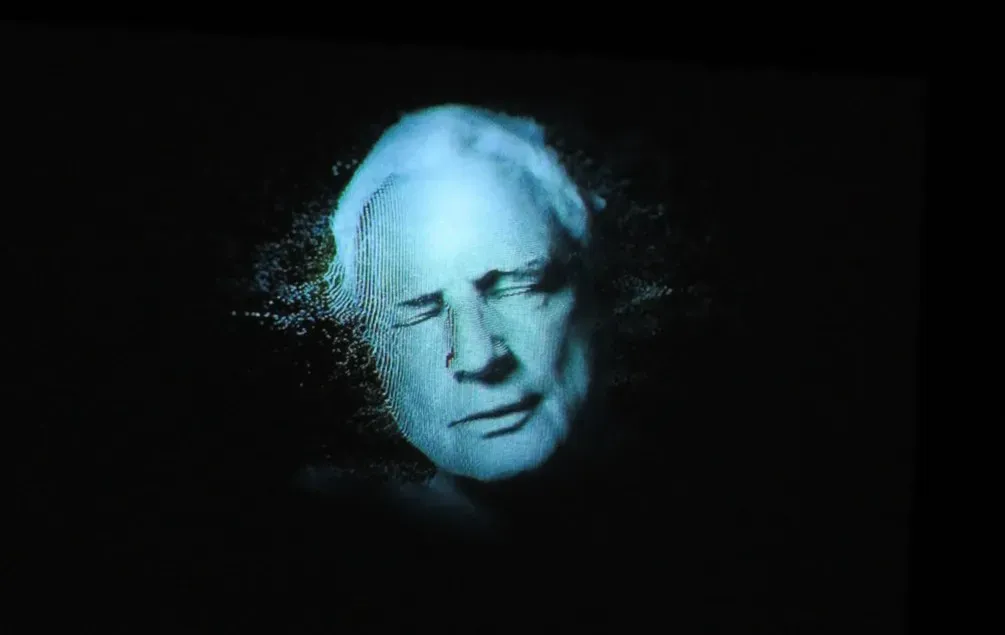
Brando made his directorial debut in 1961 with the western film One-Eyed Jacks, which he also starred in. He didn’t initially set out to direct at all – Stanley Kubrick was attached to the project, but dropped out just two weeks before filming due to creative disagreements. Brando stepped into the role almost by accident, yet what he produced was far from accidental.
One-Eyed Jacks turned out quite well, received strong reviews, and was even an Oscar nominee, with Brando himself receiving an Outstanding Directorial Achievement nomination at the Directors Guild of America Awards. Over time, the film’s critical standing significantly improved, and in 2018, the National Film Registry inducted One-Eyed Jacks. The film being so well-received makes it a surprise that he never directed again, but it was clear that acting was and would always remain his number one focus.
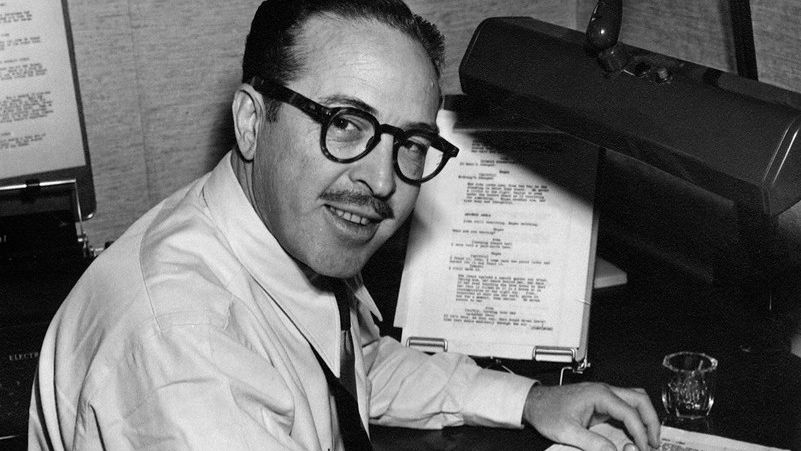
Dalton Trumbo – Johnny Got His Gun (1971)
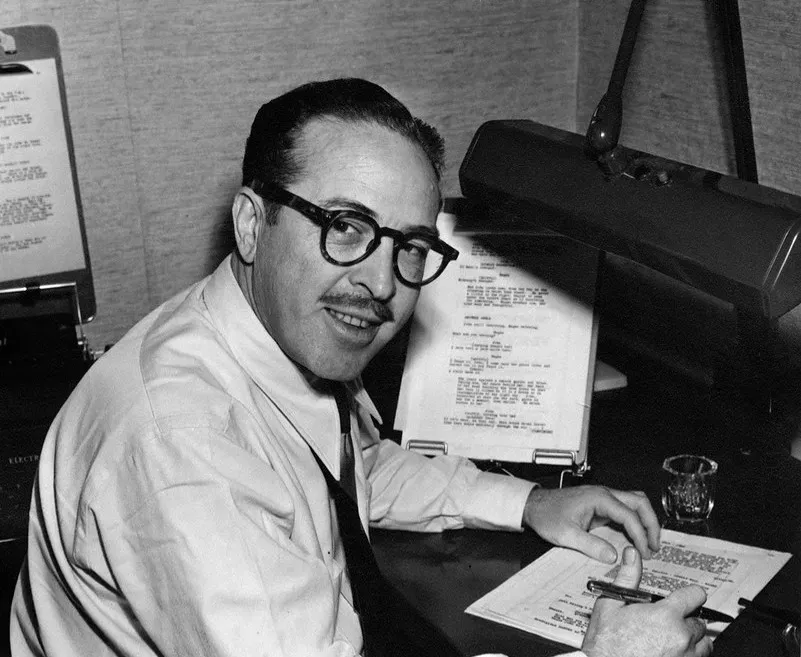
Johnny Got His Gun is based on Trumbo’s 1939 antiwar novel and is the only film ever directed by Trumbo, who was Hollywood’s highest-paid screenwriter, with credits such as 1944’s Thirty Seconds Over Tokyo. The film is an anti-war story set during World War I about a soldier recalling his life while lying in a pseudocoma following an artillery shelling. The material had been close to Trumbo for over three decades before he finally got the chance to bring it to the screen himself.
The film was entered into the 1971 Cannes Film Festival, where it shared the Grand Prix with Miloš Forman’s Taking Off and won the FIPRESCI Prize. Despite winning those prestigious Cannes awards, the film performed poorly at the box office, and Trumbo never directed again but continued writing screenplays until he died in 1976. Thanks to Metallica, who raised awareness of the film with their music video for “One,” a new generation of fans grew curious about the maverick’s only stint behind the lens.
Partner offer
Jean Vigo – L’Atalante (1934)

Despite directing only one feature film, Jean Vigo remains one of the most influential filmmakers of all time. In the early 1930s, Vigo directed three revolutionary short films: À propos de Nice, Taris, and Zero for Conduct. His only feature, L’Atalante, premiered in 1934 and centers on a newly married couple who experience relationship troubles while sailing down the Seine on a barge. It was a film of remarkable poetic naturalism, unlike almost anything being made in Europe at the time.
Vigo’s films were either ignored or banned upon their initial release, and in October 1934, Vigo died of tuberculosis at just 29 years old. His directorial career lasted only a few years, cut short not by creative failure or studio conflict, but by illness. L’Atalante is now considered one of the greatest films ever made, a testament to what Vigo might have achieved across a full career that simply never came.
Tom Stoppard – Rosencrantz and Guildenstern Are Dead (1990)
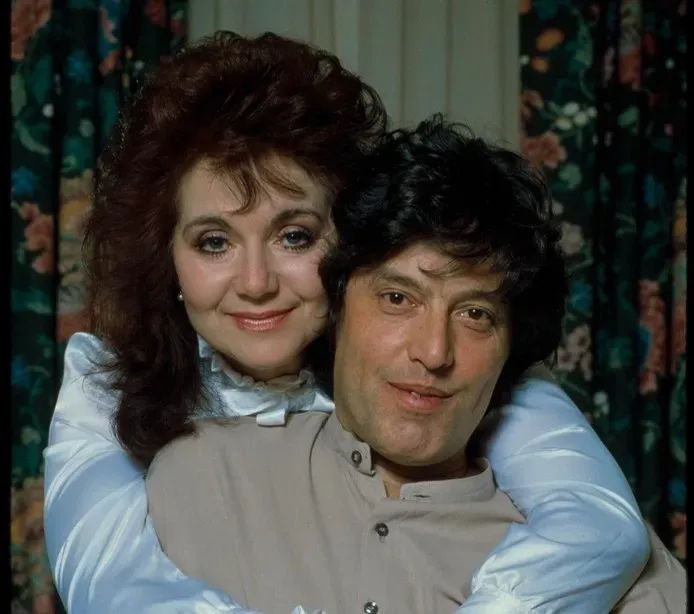
As an accomplished piece of filmmaking that boasted impressive lead performances from Gary Oldman and Tim Roth, Rosencrantz and Guildenstern Are Dead was a hilariously unique film that offered new points of interest to Shakespeare’s classic tragedy. Stoppard remained active as a dramatist in the years following this movie’s release and has continued contributing to major screenplays, yet this was the one and only time he decided to direct a film himself.
Stoppard adapted his own celebrated 1966 stage play, and the result was a film that lived in the margins of Hamlet, turning Shakespearean bit players into existential protagonists. The film won the Golden Lion at the Venice Film Festival in 1990, a remarkable achievement for a first-time director. Stoppard’s loyalty to the written word, both on stage and in collaboration with other filmmakers, made the director’s chair feel like a detour rather than a destination he ever planned to revisit.
Tony Kaye – American History X (1998)
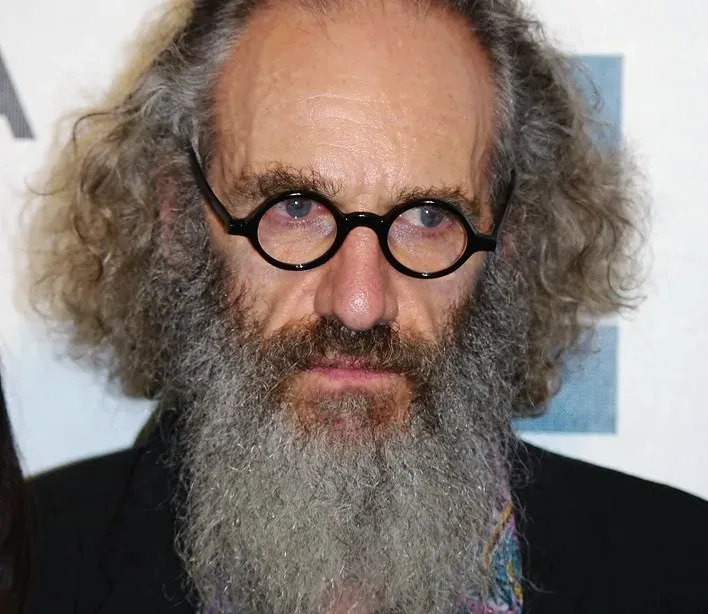
American History X, a hard-edged drama about a reformed racist, earned an Oscar nomination for star Edward Norton in 1998, and might have launched director Tony Kaye into the upper echelons of the movie business. Instead, Kaye disappeared, thanks to the turbulent nature of the film’s production. Kaye and the studio, New Line Cinema, squabbled over the editing of the movie. Kaye’s original cut was rejected in favor of a studio-assembled edit, and Kaye was so disgusted by New Line’s version that he lobbied, unsuccessfully, to have his name removed from the movie’s credits.
The film was a critical hit upon release and Norton received overwhelming praise for his powerful performance. The film was also a minor box-office success and has since become a favorite amongst audiences. Kaye did direct two narrative features since 1998: Black Water Transit (2009) and Detachment (2011), though Black Water Transit had significant issues being released and Detachment was received with mixed reviews. American History X remains the one film carrying his name that the world actually knows.
Gary Oldman – Nil by Mouth (1997)

Nil by Mouth was a childhood-rooted film that won Oldman significant praise and awards. Roger Ebert praised its “pain, humour and tenderness,” while BAFTA crowned it Best British Film. Oldman drew on his own working-class South London upbringing to craft a brutally honest portrait of addiction, domestic violence, and family dysfunction that felt nothing like his day job as a movie star.
Strangely, all that adulation did not launch Oldman into a prolific directorial career. He has reportedly been developing a second film, though it remains unrealized. Standing apart from typical directors is a rare breed of one-and-done filmmakers who called it quits after a single spin in the director’s chair. Far more noteworthy are when established entertainment industry figures try their hand at directing only to never touch the craft again. Oldman’s case is arguably the most intriguing of all: a singular, deeply personal film from one of his generation’s finest actors, followed by nearly three decades of silence behind the camera.
A Closing Thought

There’s something quietly remarkable about this list. These are not cautionary tales of failure. Most of these films are now considered essential viewing, studied in classrooms and listed among the finest works in the history of the medium. Most directors make many movies but have zero masterpieces. The film industry can be a fickle place, and poor box office takings or simply being ahead of your time can mean that outstanding directors’ careers end before they ever really get a chance to begin.
What each of these filmmakers shares is the ability to capture something true, singular, and lasting in a single attempt. Whether the silence that followed was chosen or forced, the films themselves carry no trace of it. Each one stands complete, self-sufficient, and stubbornly alive.
Partner offer
Planning a trip to Vegas?
Compare hotel rates and show tickets on VEGAS.com.