Las Vegas sells a promise: leave your ordinary life behind for a few days, step into a world of lights, showrooms, and dice, and come back refreshed. For millions of people each year, that promise is real enough. A break is a break, and sometimes that’s all anyone needs.
The trickier question is where the healthy pause ends and something more compulsive begins. Vegas is uniquely designed to blur that line. Understanding the difference matters, and the data in 2025 and 2026 makes the conversation more urgent than ever.
The Psychology Behind the Getaway

Escapism is when a person relies on an activity or routine to distract them from everyday discomforts. That definition is broader than most people realize. A Vegas trip can be a weekend of genuine rest, a chance to socialize, or a platform for experience and novelty. None of those things are inherently problematic.
Research identifies escapism’s dual psychological roles: as a defensive mechanism suppressing self-awareness to avoid negative affect, described as self-suppression, and as an agent promoting self-growth and positive affect, described as self-expansion. The distinction matters. Travel that opens you up is genuinely different from travel that papers over problems you’re avoiding.
Travelling to escape can be unhelpful when it is our only coping strategy and when used persistently or in excess. In contrast, if we have a range of coping strategies and occasionally use travel to temporarily escape the stresses of life, this is likely to be helpful. Travelling in this way can help us gain the distance and perspective we need to manage and cope with daily challenges.
Who Is Actually Visiting Las Vegas Right Now
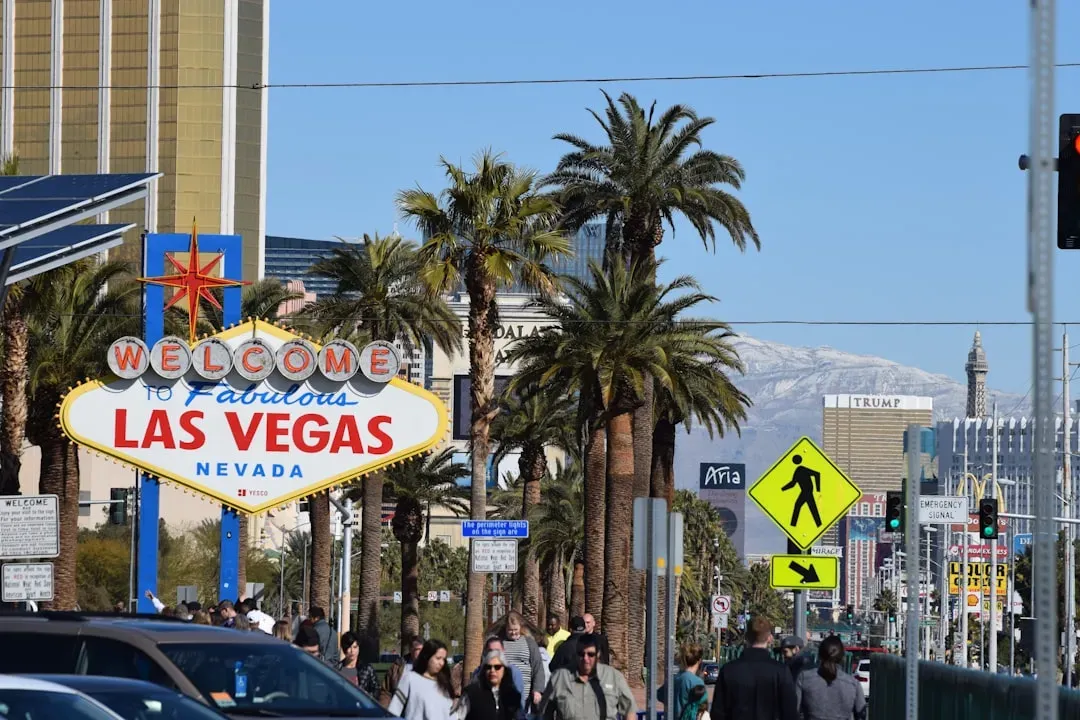
According to the Las Vegas Convention and Visitors Authority, 38.5 million people visited the city in 2025, down 7.5 percent from 2024. It is the first year-over-year decline in the post-COVID era and the lowest total since 2021. That shift reflects real economic anxiety among consumers, not a collapse of Vegas’s appeal.
About one in five visitors said their primary reason for coming was to see friends and family, an all-time high. Just 7 percent said they came to gamble. That tells you something important about how visitors perceive their own motivations, even in a city built around gaming.
Results show a record high in people returning after an initial visit, with nine in ten visitors having been there before. First-timers dropped from roughly one in five in 2021 to only one in ten last year. This shows how loyal people have become to the destination, while also highlighting the issues in attracting new visitors.
The Gambling Budget Is Going Up, Not Down
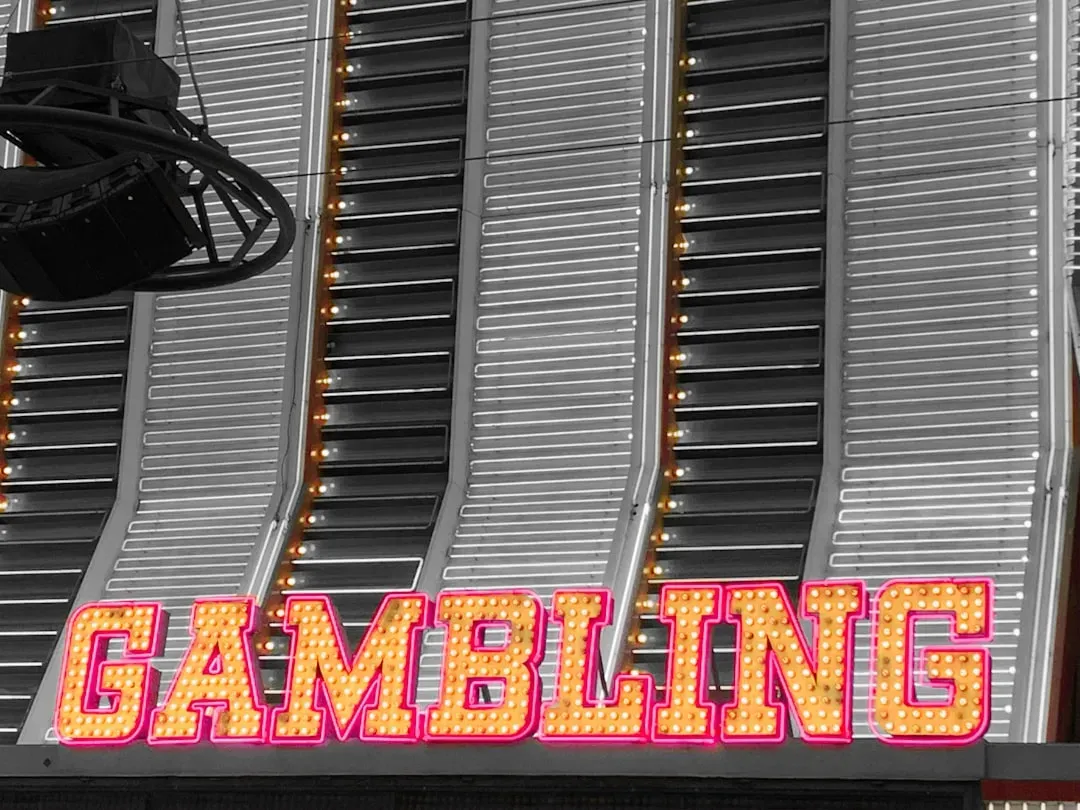
Approximately 81 percent of visitors gambled during their stay in 2025, and average gambling budgets were $848.95 – both figures were the highest in the last five years. The average gambling budget increased by 3.5 percent from 2024. Fewer people are visiting, but those who do are wagering more.
There are indications that players are wagering more money in a shorter amount of time at a smaller number of properties than in prior years. The average time spent gambling in 2025 was 2.6 hours per visit, down from 3 hours in 2021, according to LVCVA data.
Since 2021, average gaming budgets have increased by 18 percent. That is a meaningful jump in a relatively short window, and it deserves attention when thinking about how the relationship between visitors and gambling is shifting.
Revenue Records While Visitor Numbers Drop

Statewide gaming revenue figures show 2025 was a second consecutive record-setting year. Nevada’s nonrestricted casino licensees won $15.8 billion from gamblers last year, a year-over-year increase of 1.2 percent over the previous record of $15.61 billion set in 2024, according to the state Gaming Control Board.
The divergence between falling visitor counts and rising revenue is notable. The divergence reflects a tourism slowdown that has rippled through the hospitality sector even as gaming – particularly at high-stakes tables and premium slots – buoyed earnings for casinos.
For stakeholders, the gambling data is indicative of how hard properties are having to work to retain customers and market share. The trends also shed light on the city’s increasing reliance on high-net-worth players. In practical terms, casinos are capturing more money from a smaller, wealthier crowd.
Problem Gambling: The National Picture in 2024

The 2024 NGAGE survey, conducted after pandemic restrictions had largely lifted, shows that gambling-related risks have stabilized. About 8 percent of U.S. adults – nearly 20 million people – reported experiencing at least one sign of potentially problematic gambling “many times” in the past year.
The NGAGE 3.0 findings confirm the need for a comprehensive system of care for the estimated 2.5 million adults likely to suffer from gambling disorder, as well as the 5 to 8 million more who exhibit some problematic behavior. These are not marginal numbers. They represent a substantial share of the adult population with meaningful risk exposure.
Partner offer
Public understanding remains limited: only 39 percent of Americans view gambling addiction as “very serious,” compared to 62 percent for drug addiction and 55 percent for alcoholism. Treatment skepticism is high among those who need it most: 37 percent of people engaging in risky play believe recovery is unlikely, more than twice the rate of the general gambling population.
Young Adults and the High-Risk Window
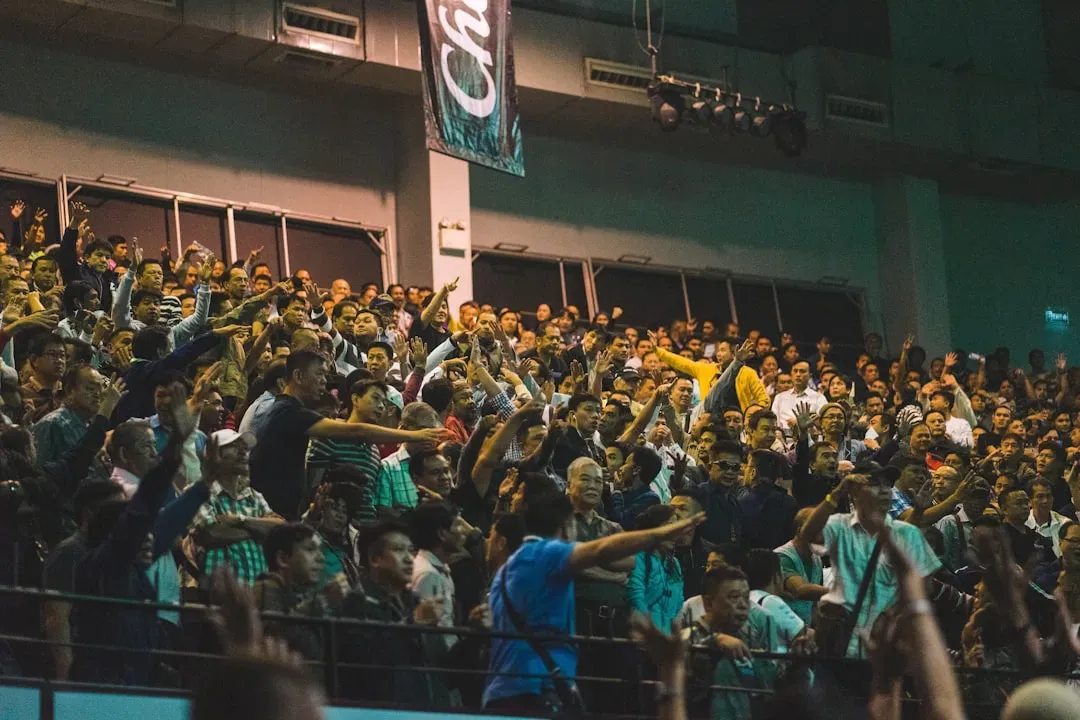
There is a critical need for education about the realities of gambling and how to lower its risks for those who choose to gamble, particularly for high-risk groups, including young adults, males, online gamblers, and sports bettors. Vegas, of course, draws all four of those categories in large numbers.
The NCPG’s survey provides insights into the Americans who experienced at least one problematic indicator, with 15 percent of adults ranging from ages 18 to 34 falling into that group. That’s a significantly elevated rate compared to older age groups. A Vegas trip during that life stage carries different risk calculus than one at 55.
Parlay betting nearly doubled, with 30 percent of sports bettors making parlay wagers in 2024, up from 17 percent in 2018 – raising concerns about loss-chasing behaviors. Loss-chasing is one of the clearest behavioral markers separating recreational gambling from disordered gambling, and its rise warrants real scrutiny.
When Escapism Turns Into Avoidance
The psychological consequences of indulging in escapism can include depression, anxiety, aggression, and lower self-control. The social consequences might include social anxiety and loneliness. These negative consequences can, in turn, reinforce the hardships in real life, strengthening the willingness to escape and resulting in a cycle that is even more detrimental to health and well-being.
Studies have connected escapism to excessive gaming, gambling, and poor mental health. That connection is not a moral judgment about people who enjoy Vegas. It’s a structural observation about what repeated avoidance does to the nervous system over time.
The persistent use of avoidant forms of coping, including escapism, is often present in mental health conditions including anxiety disorders and depression. The question worth asking before every Vegas trip is not whether you want to go, but what you expect to find when you come home.
How the City Itself Has Changed
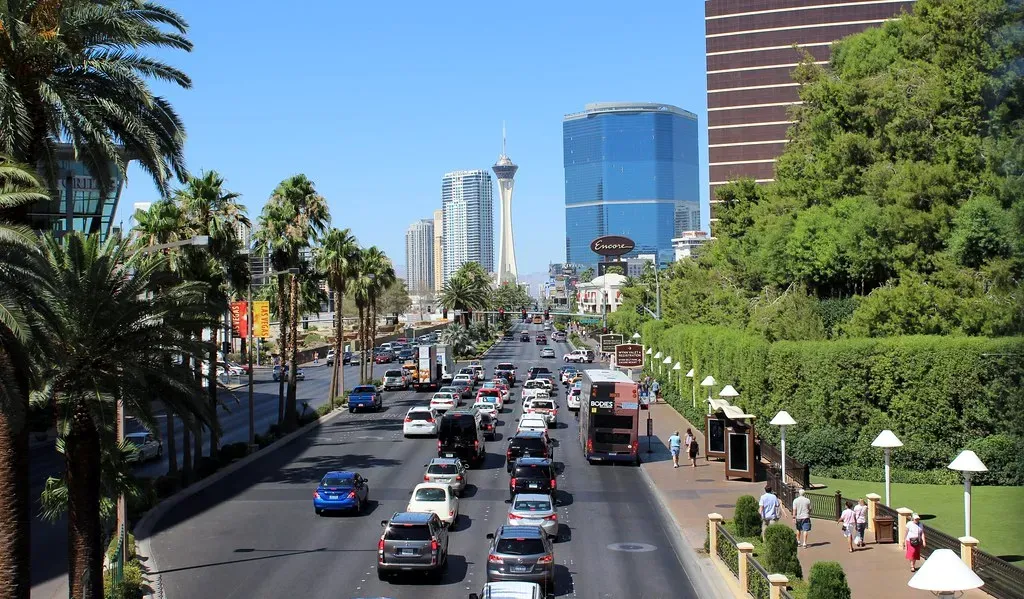
While travel to Southern Nevada traditionally slows down during the summer months, 2025 has been uniquely impacted by a variety of factors, including politics, consumer frustration about nickel-and-diming and a growing perception that the value of a Las Vegas vacation is disappearing.
Resorts now charge for parking, and restaurants seem to have cut portions and raised prices. It was eye-opening to pay nearly $12 on the Strip for the same Starbucks latte available for under $5.50 at home. For budget-conscious travelers, the financial pressure of a Vegas trip has real teeth now.
Non-gaming spend patterns were notable in 2025, as Las Vegas continues to try and evolve from a strictly gambling destination. Average expenditures for dining and shopping were down in 2025 after increasing each of the previous two years. Conversely, spending on sporting events, entertainment and paid attractions all increased from 2024. The city is diversifying, which gives visitors more ways to engage without gambling at all.
The Signs That a Trip Has Become a Crutch

Clinicians and researchers consistently identify certain behavioral patterns that distinguish recreational use of escapism from something more entrenched. The frequency and urgency of trips matters. So does what happens emotionally in the days before and after.
The desire to be nomadic and incessantly travel could signal that a person is hightailing it away from underlying problems they don’t want to address. With Vegas specifically, financial behavior is often the clearest signal. Going over a preset budget, borrowing to fund a trip, or returning home and immediately planning the next one are worth honest attention.
Approximately 5 million Americans meet the criteria for compulsive gambling, according to the National Council on Problem Gambling. However, only about 8 percent of these individuals will ever seek help. That gap between the scale of the problem and the rate of help-seeking is the real issue. The stigma around gambling addiction is still far lower than it deserves to be.
Finding the Line Between Pleasure and Pattern
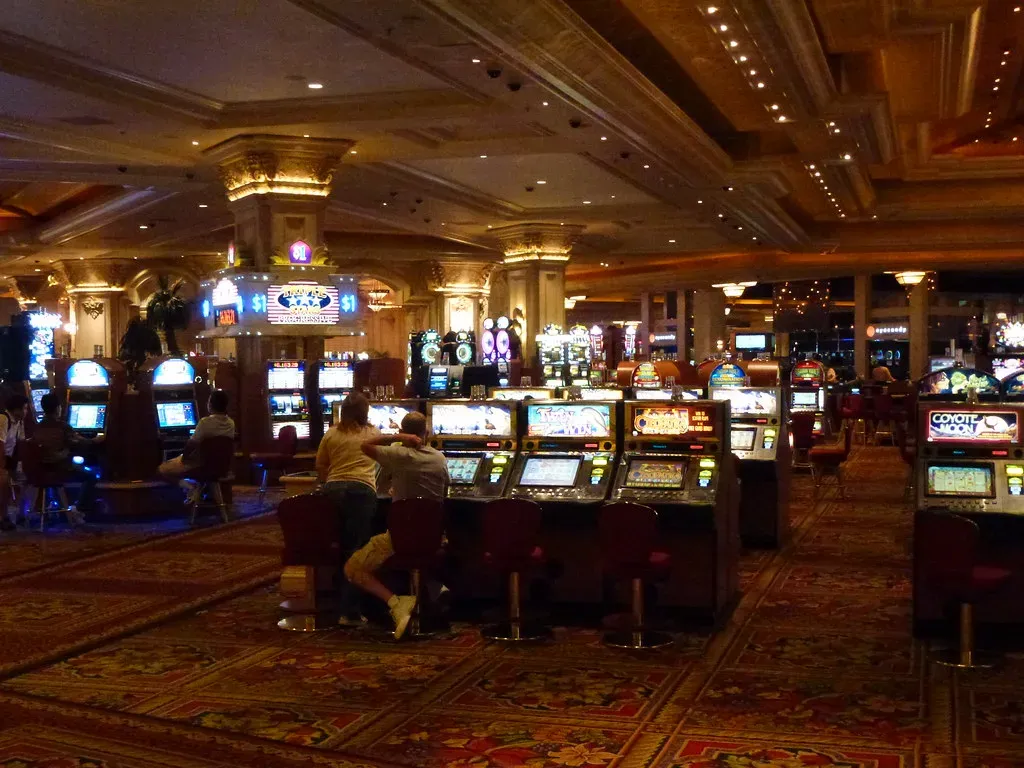
During cultural heritage travels, individuals’ well-being can be enhanced through a holistic experience encompassing sensory, emotional, cognitive, behavioral, and relational aspects rather than an isolated experience centered on escapism. The research on travel and well-being is reasonably clear: engagement enriches, avoidance erodes.
Positive escapes that enhance mental health and happiness can be found in wilderness or adventure tourism experiences, and also include unplanned escapes from urban environments or even from tourism itself. A Vegas trip that includes genuine connection, novelty, rest, and pleasure fits comfortably into that category. A trip designed primarily to numb something does not.
The honest takeaway is that Vegas itself is neutral. The question has always been what you bring to it and what you leave with. A vacation becomes a problem not when you book a flight to Nevada, but when the flight becomes something you need rather than something you choose.
Partner offer
Planning a trip to Vegas?
Compare hotel rates and show tickets on VEGAS.com.