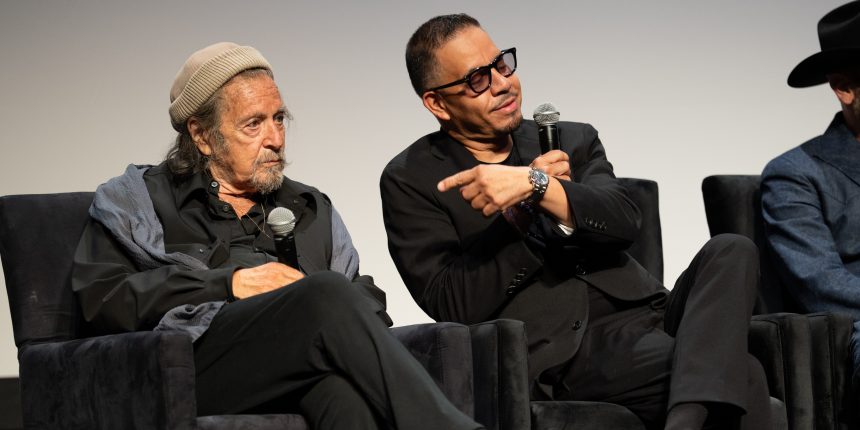
Every so often, a movie we now consider untouchable came within a hair of falling apart because the wrong actor was standing in the wrong role. Sometimes a director’s gut instinct saved the day. Other times a studio executive’s stubbornness nearly ruined everything before test audiences ever got a chance to weigh in.
These stories tend to get smoothed over once a film becomes beloved, but the panic behind the scenes was often very real. Here are nine cases where a single casting decision, made or unmade at the last possible moment, could have changed film history entirely.
Back to the Future almost lost its spark before it ever found it
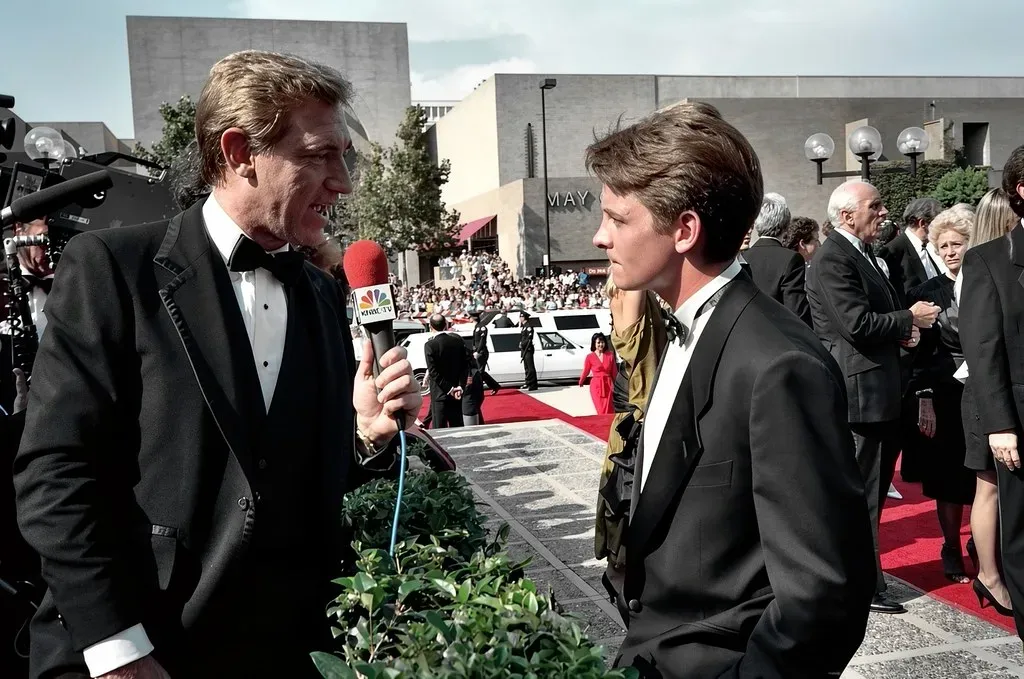
Robert Zemeckis and Bob Gale wanted Michael J. Fox from the start, but scheduling conflicts with his sitcom Family Ties got in the way. Universal chief Sid Sheinberg pushed hard for Eric Stoltz instead, and production moved forward with him in the lead. Zemeckis and his co-writer on Back to the Future had eyed Fox for the role of Marty from the start, but Sid Sheinberg, the head of Universal Pictures at the time, urged the duo to cast Stoltz.
Six weeks into shooting, it was clear the tone was off. Stoltz, who had been cast as the lead character Marty McFly, wasn’t putting in the performance that director Robert Zemeckis was looking for, and after some behind-the-scenes meetings, Stoltz was fired. Zemeckis eventually struck a new deal so Fox could film the movie at night while still shooting his sitcom during the day, and the swap turned out to be one of the more consequential decisions in eighties cinema.
Indiana Jones nearly went to a different leading man entirely
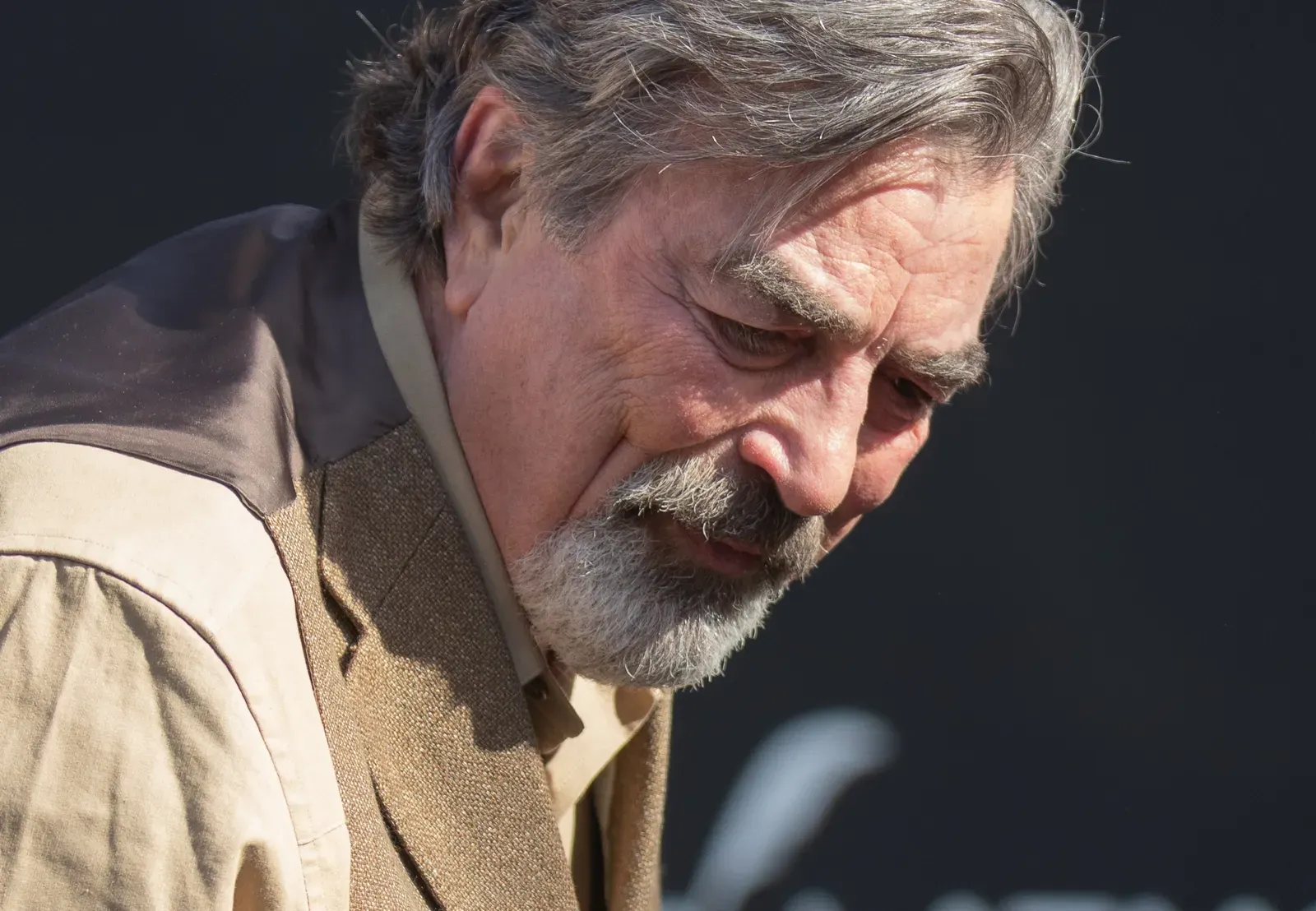
Long before Harrison Ford cracked his whip on screen, Tom Selleck had reportedly landed the role of the archaeologist adventurer. Tom Selleck was offered the role of Indiana Jones before Harrison Ford, but CBS refused to release him due to his commitment to Magnum, P.I. The timing could not have been worse for Selleck, since his pilot had just been picked up right as Spielberg and Lucas came calling.
Selleck has since described the whole ordeal as painful, even while acknowledging how well things worked out for Ford. “I did a screen test, and Steven Spielberg and George Lucas said, ‘You got the part.’ And I said, ‘Well, I’ve done this pilot and I don’t know whether there’s a conflict.’ And they were like, ‘Oh, we’re not worried about that.’ It was Magnum. And CBS basically said, ‘No. You can’t do both.'” Raiders of the Lost Ark went on to define a genre, but for a brief window in 1980, its hero was going to look and sound completely different.
The Lord of the Rings recast its king one day before filming began

Peter Jackson originally cast Irish actor Stuart Townsend as Aragorn, and Townsend spent months training and rehearsing in New Zealand for the role. Then, with a full trilogy shoot about to begin, everything changed. He was replaced by Viggo Mortensen after just four days of shooting because director Peter Jackson felt that he was too young to convincingly portray the character.
Mortensen has spoken candidly about stepping into a project already deep in motion. Not long after shooting began, Jackson made the difficult call to replace his original Aragorn with Mortensen, an awkward situation for everyone involved, and Mortensen has said he felt unprepared about stepping into the role. Townsend’s abrupt exit remains one of the more talked about recastings in modern blockbuster history, and Mortensen’s performance ended up becoming inseparable from the character himself.
The Godfather’s studio wanted Michael Corleone gone within weeks
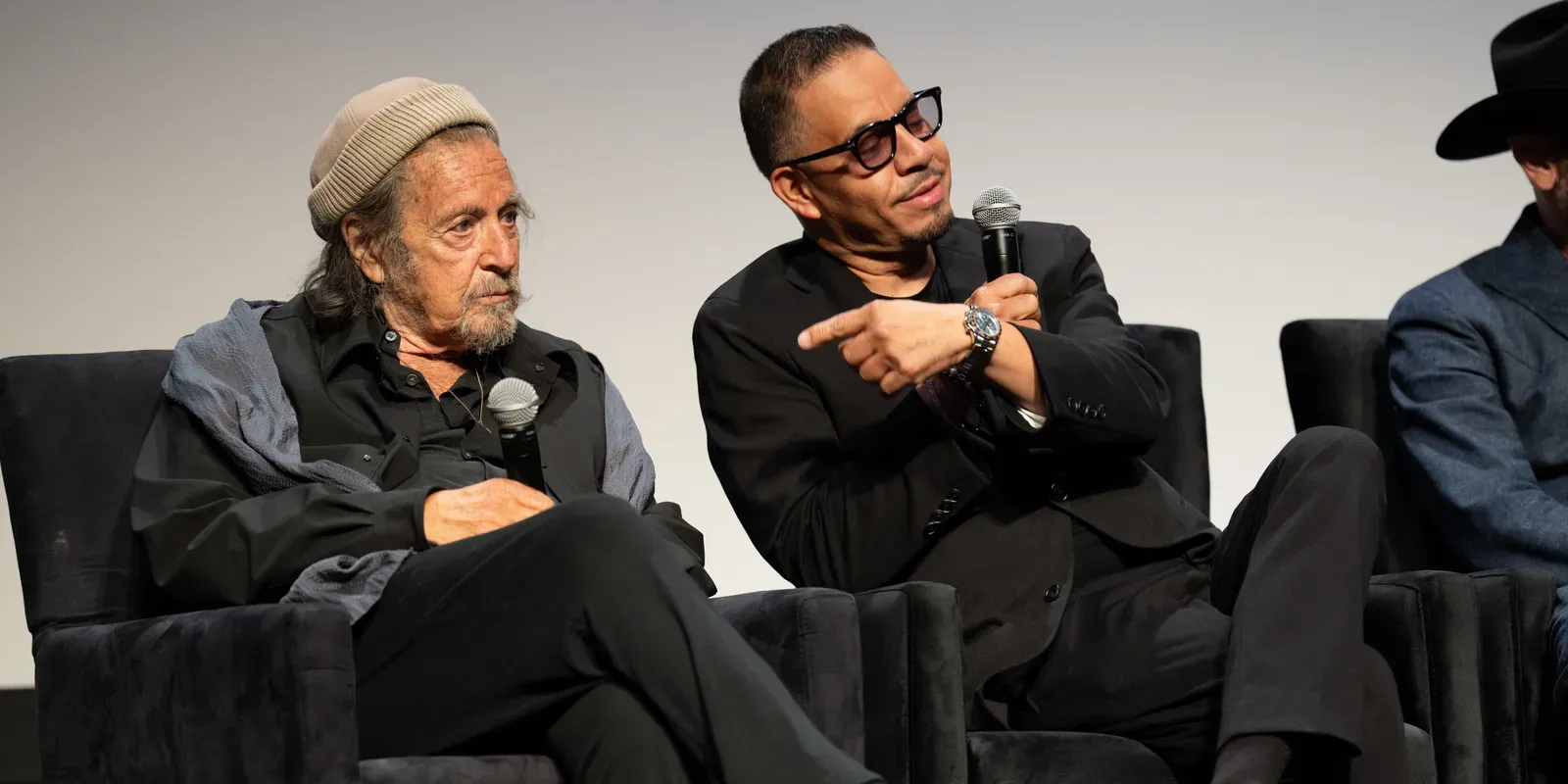
Francis Ford Coppola fought for Al Pacino from the beginning, but Paramount executives had other names in mind entirely. Initially, Paramount wanted the role of Michael Corleone to go to an A-lister like Robert Redford, Warren Beatty, Ryan O’Neal, or Alain Delon, but Pacino was Coppola’s pick, and the studio thought he was too short.
Once filming started, the doubts only grew louder. By his own account, Paramount tried to remove him from the role three separate times, since the studio had never wanted him in the first place. It took a pivotal scene, the restaurant murder of Sollozzo and McCluskey, to finally convince the executives that Pacino’s restrained, watchful approach to Michael was exactly what the film needed rather than a liability.
Titanic almost sailed with a different couple at the helm
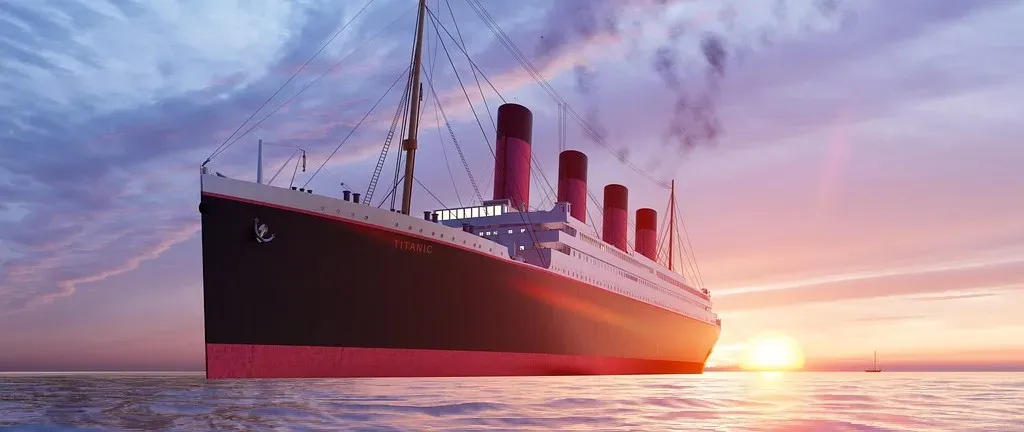
James Cameron faced real pushback from Paramount and Fox executives who wanted a bigger, more established name opposite Kate Winslet. Names like Matthew McConaughey were floated as safer commercial bets for the male lead. Cameron held firm on Leonardo DiCaprio, whose boyish looks and youthful energy he felt matched the character of Jack Dawson far better than a conventional leading man would have.
Partner offer
Winslet herself was not an automatic yes either, with some studio voices favoring more recognizable actresses for Rose. The eventual pairing became one of the most iconic on screen romances of the nineties, and the film went on to dominate the box office and the Academy Awards. Had the studio gotten its original way on casting, the chemistry that anchored the entire picture might never have existed.
Pulp Fiction bet everything on an actor Hollywood had written off
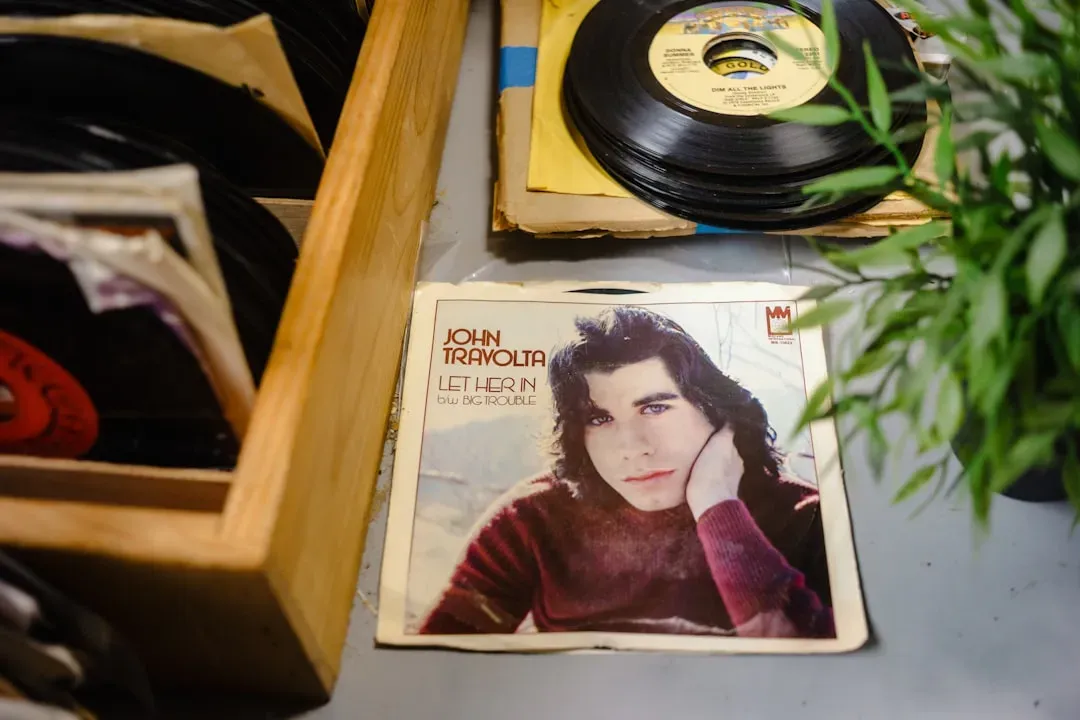
By the early nineties, John Travolta’s career had cooled considerably after his seventies and early eighties heyday. Quentin Tarantino wanted him anyway for the role of Vincent Vega, even as producers worried aloud that audiences had moved on from Travolta entirely. Several other actors, including Michael Madsen, were considered for the part at various points during development.
Tarantino’s insistence proved to be the right call. Travolta’s performance revived his career almost overnight and became one of the defining images of nineties independent cinema, right down to that now famous dance sequence. It is hard to imagine Pulp Fiction working with a different actor in that role, but for a while, the studio was not convinced Travolta was worth the risk.
Rocky nearly went to a much bigger star than its own writer
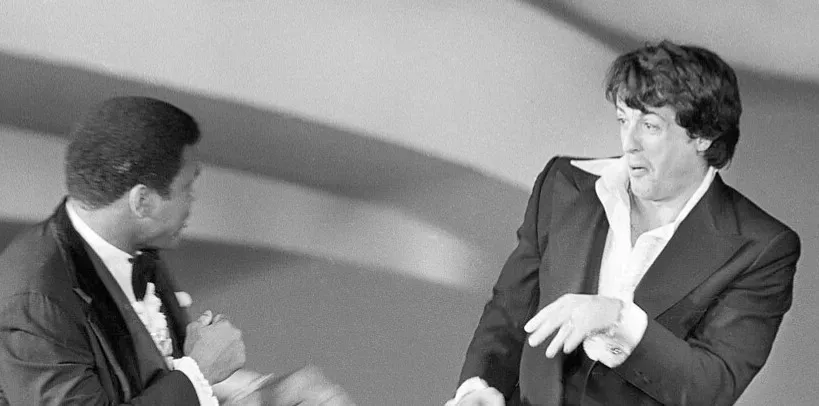
When Sylvester Stallone wrote the script for Rocky, United Artists was interested in the story but wanted an established leading man in the title role. Names like Ryan O’Neal and Burt Reynolds were suggested as safer, more bankable choices for the boxer at the center of the film. Stallone, a relatively unknown actor at the time, refused to sell the script unless he could play the part himself.
The studio eventually relented, largely because the budget Stallone was asking for kept the financial risk low enough to justify the gamble. Rocky went on to win Best Picture and launched Stallone into a decades long career built around the very character the studio had initially doubted him to play. It remains one of the clearer examples of a filmmaker’s stubbornness paying off against conventional industry wisdom.
The Wizard of Oz was supposed to star a different young actress
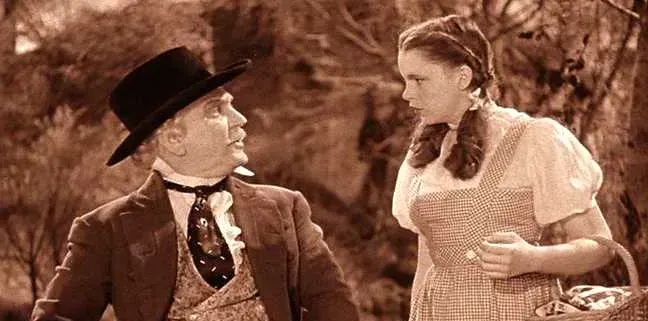
MGM initially pursued Shirley Temple, then the biggest child star in Hollywood, for the role of Dorothy Gale. Twentieth Century Fox was unwilling to loan her out, which forced MGM to turn to Judy Garland, a contract player the studio had under its own roof. Garland was older than the character as written in the books, which created some early friction over how to costume and present her on screen.
The decision, made largely out of necessity rather than creative preference, ended up defining one of the most enduring performances in American film. Garland’s rendition of the film’s signature song became inseparable from her own public image for the rest of her career. Had the loan-out deal for Temple gone through, the film that generations grew up with would have looked and sounded entirely different.
Star Wars nearly cast its smuggler from a very different pool of actors
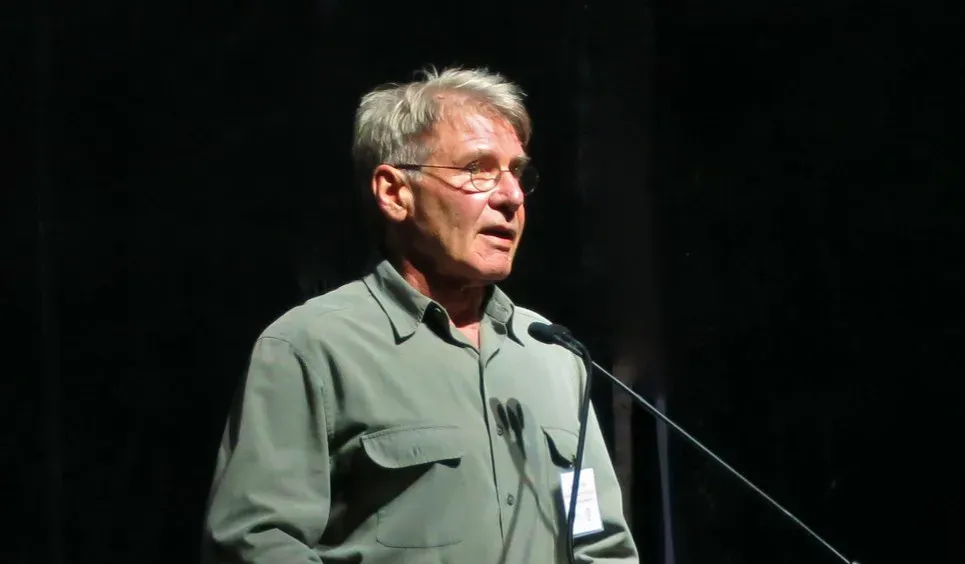
George Lucas auditioned a long list of actors for Han Solo, including Kurt Russell and Al Pacino, before eventually settling on Harrison Ford, who had originally been brought in mainly to read opposite other candidates during casting sessions. Lucas was initially hesitant to use Ford in a lead role since he had already worked with him on American Graffiti and wanted fresh faces for his new space opera. Ford’s charisma during those casting sessions is widely credited with changing Lucas’s mind. Had Lucas stuck strictly to his original plan of avoiding actors he had worked with before, the wisecracking energy that Ford brought to Solo might never have made it into the finished film. That looseness became a key counterbalance to the more earnest performances from Mark Hamill and Carrie Fisher. Star Wars became a cultural phenomenon partly because of that contrast, one that almost did not happen at all.
The lasting lesson behind these near misses
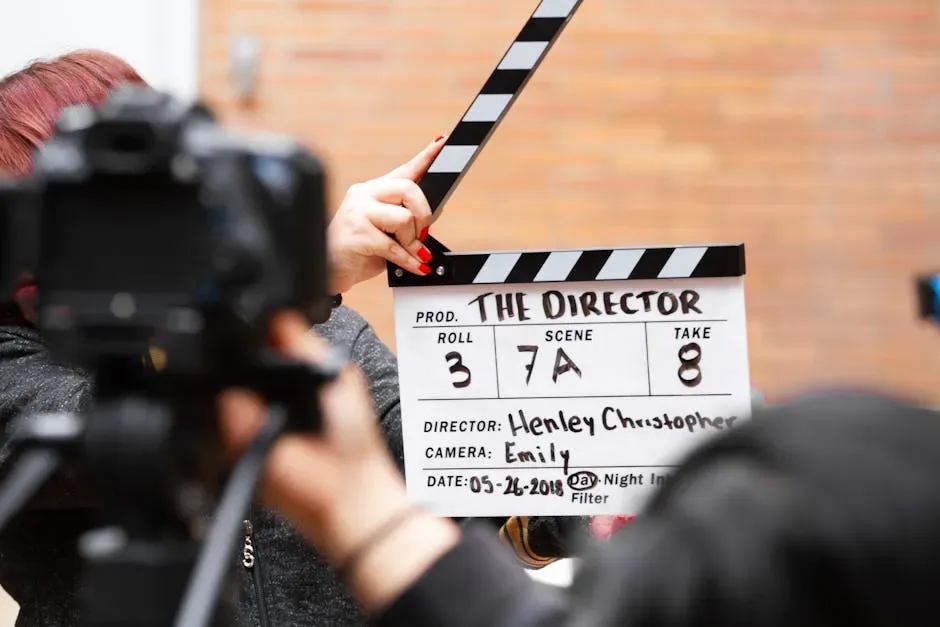
What connects these stories is not luck so much as conviction under pressure. Directors like Coppola, Cameron, and Tarantino held their ground against studio doubt, while Zemeckis and Jackson made the harder call to reverse course once they realized a choice was not working. Both instincts, stubbornness and course correction, ended up serving the films rather than sinking them.
These behind the scenes dramas rarely make it into the final cut of a movie’s public story, yet they shaped nearly every frame that audiences eventually saw. The next time a beloved film feels inevitable, it is worth remembering how easily it might have turned out completely different.
Partner offer
Planning a trip to Vegas?
Compare hotel rates and show tickets on VEGAS.com.