
Every music fan has an album they can’t finish, one that gets skipped the moment it comes on. But there’s a difference between a record you personally dislike and one that critics, fans, and even the artists themselves have branded a genuine disaster. The albums below have earned their reputations over decades, through chart failures, scathing reviews, and in some cases outright disowning by the musicians who made them.
Metal Machine Music by Lou Reed
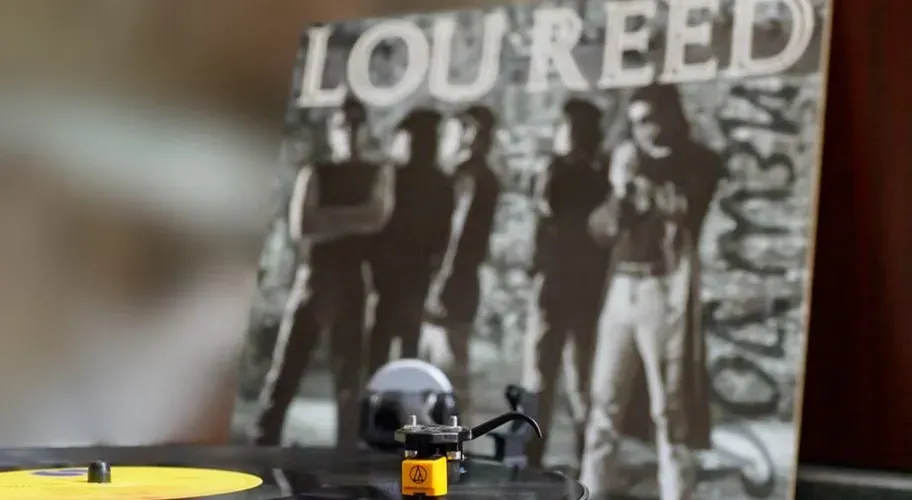
Released in 1975, this double album from the former Velvet Underground frontman contains no songs, no lyrics, and no melody. The album features no songs or even recognizably structured compositions, eschewing melody and rhythm for an hour of modulated feedback and guitar effects, mixed at varying speeds by Reed. It came right after Reed’s commercial peak with Sally Can’t Dance, which made the sonic assault feel even more deliberate.
The fallout was immediate and severe. While the album sold 100,000 copies on release, it quickly became the most returned album in RCA’s history, leading them to pull the record from distribution. Decades later, critics still debate whether it was art or a joke, but it has made a lot of “worst-of” lists, landing at number two in Jimmy Guterman and Owen O’Donnell’s book “The Worst Rock ‘n’ Roll Records Of All Time.”
Thank You by Duran Duran

Duran Duran built their reputation on slick, synth-driven pop, so their 1995 covers record caught almost everyone off guard. It wasn’t just fans who turned on it. Thank You is a cover album named the worst-ever album by Q magazine in March 2006.
The reaction inside the magazine’s own offices was telling. Q’s deputy editor Gareth Grundy said: “Duran Duran was the one that united everyone in agreement. We put it on in the office to remind ourselves how bad it was.” That kind of unanimous critical scorn is rare, and it’s part of why the album still shows up on worst-ever rankings nearly three decades later.
Lulu by Lou Reed and Metallica

Lou Reed makes a second appearance on this list, this time for a 2011 collaboration with Metallica that baffled listeners from both fanbases. The pairing sounded promising on paper, but the execution left almost nobody satisfied. Reed’s grating, spoken-word vocals over Metallica’s astoundingly muted, ridiculously-basic riffing is nothing short of an audio train wreck the likes of which we’ve never heard.
What made it sting more was the format itself. As a double-disc CD with some songs stretching over 11 minutes, it is a wild miss of a record that nonetheless remains an incredible pop curiosity. Some critics have gone so far as to argue it may be the single worst album ever released by artists of that stature.
Mardi Gras by Creedence Clearwater Revival
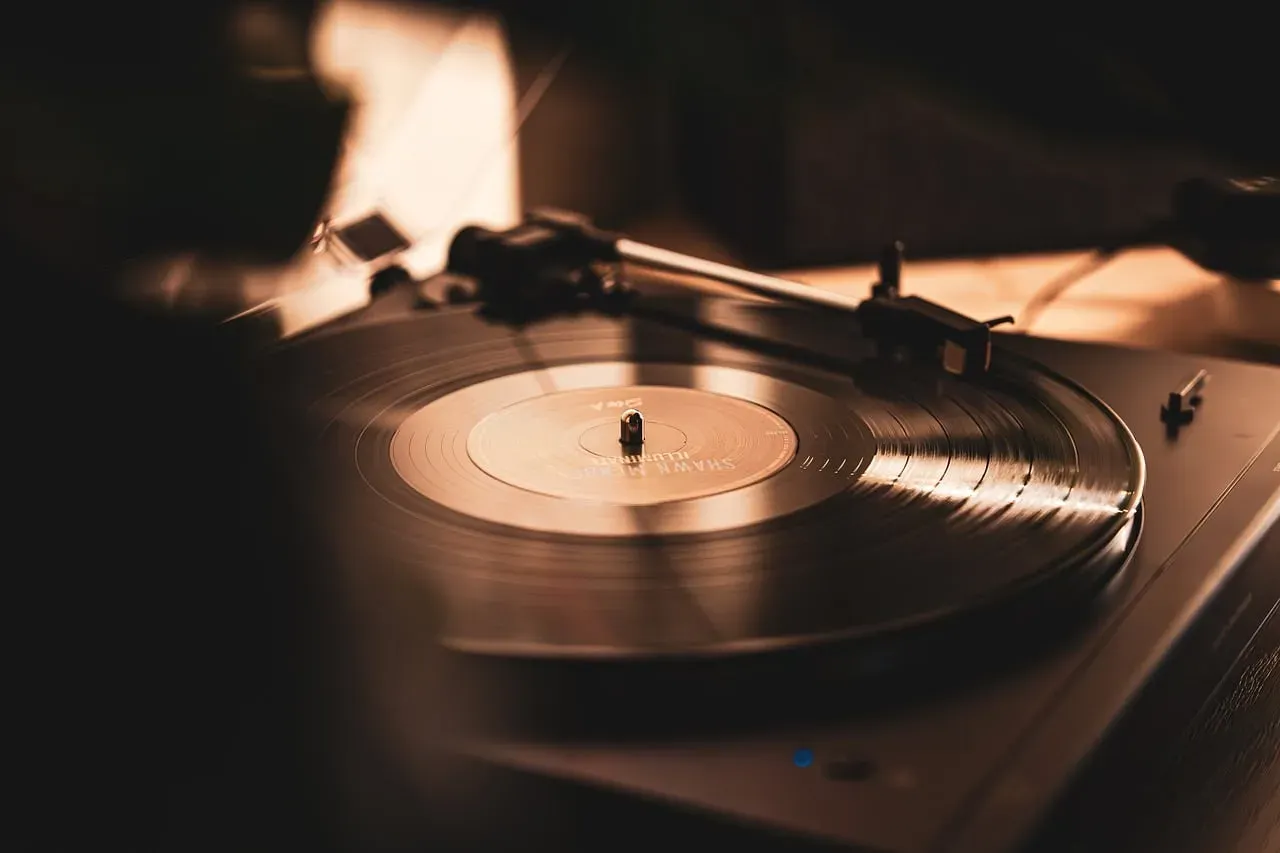
Creedence Clearwater Revival were one of the most reliable hitmaking bands of the late 1960s, which made their final album in 1972 all the more jarring. Frustrated bandmates Doug Clifford and Stu Cook had spent years as John Fogerty’s backing musicians, so Fogerty agreed to let them write, sing, and produce their own material. This is painfully evident on the group’s 1972 LP Mardi Gras, where Fogerty agreed to give them a chance at songwriting, singing, and producing.
The results were rough enough to end the band entirely. Jon Landau spoke for many critics when he wrote that it was “the worst album I have ever heard from a major rock band.” The group split not long afterward, closing out one of rock’s great runs on its lowest note.
Partner offer
Liz Phair by Liz Phair
Liz Phair had built a devoted following on the strength of raw, confessional indie rock, which made her self-titled 2003 pivot toward glossy pop feel like a betrayal to longtime fans. She brought in a production team known for shaping teen-pop hits rather than indie confessionals. Feeling like she had no other choice, Phair brought in the songwriting and production team The Matrix, who’d just worked with Avril Lavigne on her breakthrough hits.
Critics were unforgiving about the mismatch. Pitchfork wrote in a 0.0 star review so scathing they eventually apologized for it, saying it was sad an artist as groundbreaking as Phair would be reduced to cheap publicity stunts. The album remains a frequently cited example of an artist chasing commercial relevance at the cost of everything that made her interesting in the first place.
Philosophy of the World by The Shaggs

Few albums have a stranger origin story. The Shaggs were three teenage sisters whose father insisted they become a band, convinced by a fortune his own mother had once told him. The Shaggs were formed in 1965 by the teenage sisters Dorothy, Betty and Helen Wiggin, who had no interest in becoming musicians but were forced to write, rehearse and record an album by their father.
The 1969 result is often described as one of the most technically inept records ever made, with wandering rhythms and vocals that never quite land on pitch. Yet its sheer strangeness has earned it a cult following over the decades, with some listeners arguing its total lack of polish gives it an odd, unrepeatable charm. Whether that qualifies as redemption or simply a different kind of fascination is still debated among music writers.
Self Portrait by Bob Dylan

Bob Dylan’s 1970 double album confused fans and critics alike the moment it landed, opening with an infamous takedown that has followed the record ever since. Rolling Stone critic Greil Marcus penned the most famous lede to a review in the history of rock criticism, “What is this shit?”, responding to an odd hodgepodge of covers, live cuts, and originals gooped up with strings and background singers.
Dylan himself later gave a surprising explanation for the record’s messiness. In 1984, he claimed he made it bad on purpose to alienate his fans, saying he wanted to do something they couldn’t relate to so they’d move on to the next artist. A 2018 box set of outtakes softened some of that reputation, though the original release still ranks among the most puzzling moves of his career.
The Verdict on “Worst”
Ranking the worst album ever made is always going to be subjective, shaped by taste, era, and what listeners expect from a given artist. What connects these seven records is not just poor sales or bad reviews, but the sense that each one represented a genuine departure from what made the artist worth listening to in the first place. Some, like Metal Machine Music, have since been reevaluated as bold experiments rather than outright failures.
Others, like Thank You, have simply stayed unpopular decades after release, with little sign of critical rehabilitation on the horizon. What’s clear is that “worst” rarely means forgettable. Every album here is still being discussed, argued over, and occasionally defended, which says something about how music history treats its most notorious missteps.
Partner offer
Planning a trip to Vegas?
Compare hotel rates and show tickets on VEGAS.com.