Every studio movie you’ve ever watched has a secret history hiding behind its final cut. Long before a film reaches theaters, it gets shown to rooms full of strangers holding comment cards, and their reactions can rewrite a story’s entire meaning. Sometimes that process saves a movie. Other times it sands off exactly the thing that made it interesting in the first place.
What follows are nine cases where test screenings didn’t just tweak a scene here or there. They flipped who lives, who dies, and who ends up together, often just weeks before release.
1. Fatal Attraction and the reshoot that redefined the thriller genre
The psychological thriller had originally ended with Glenn Close’s character killing herself and blaming Michael Douglas’s character for her murder, but test audiences resented this ending as unfulfilling and insisted that the villain be punished more clearly. The studio didn’t take that feedback lightly, either. Paramount spent another 1.3 million dollars to reshoot the now-famous bathroom confrontation where Close’s character is shot and killed instead of merely killed off-screen.
The studio ordered reshoots for a more conventional horror-movie climax where Dan’s wife Beth dramatically shoots Alex during a bathroom confrontation, and Close believed the new ending betrayed her character’s psychological truth, though audiences preferred the cathartic showdown. The gamble paid off commercially, and the reshot ending became one of the most quoted thriller climaxes of its decade, even if the film’s original moral complexity never made it to screens.
2. I Am Legend and the ending Will Smith says the audience booed
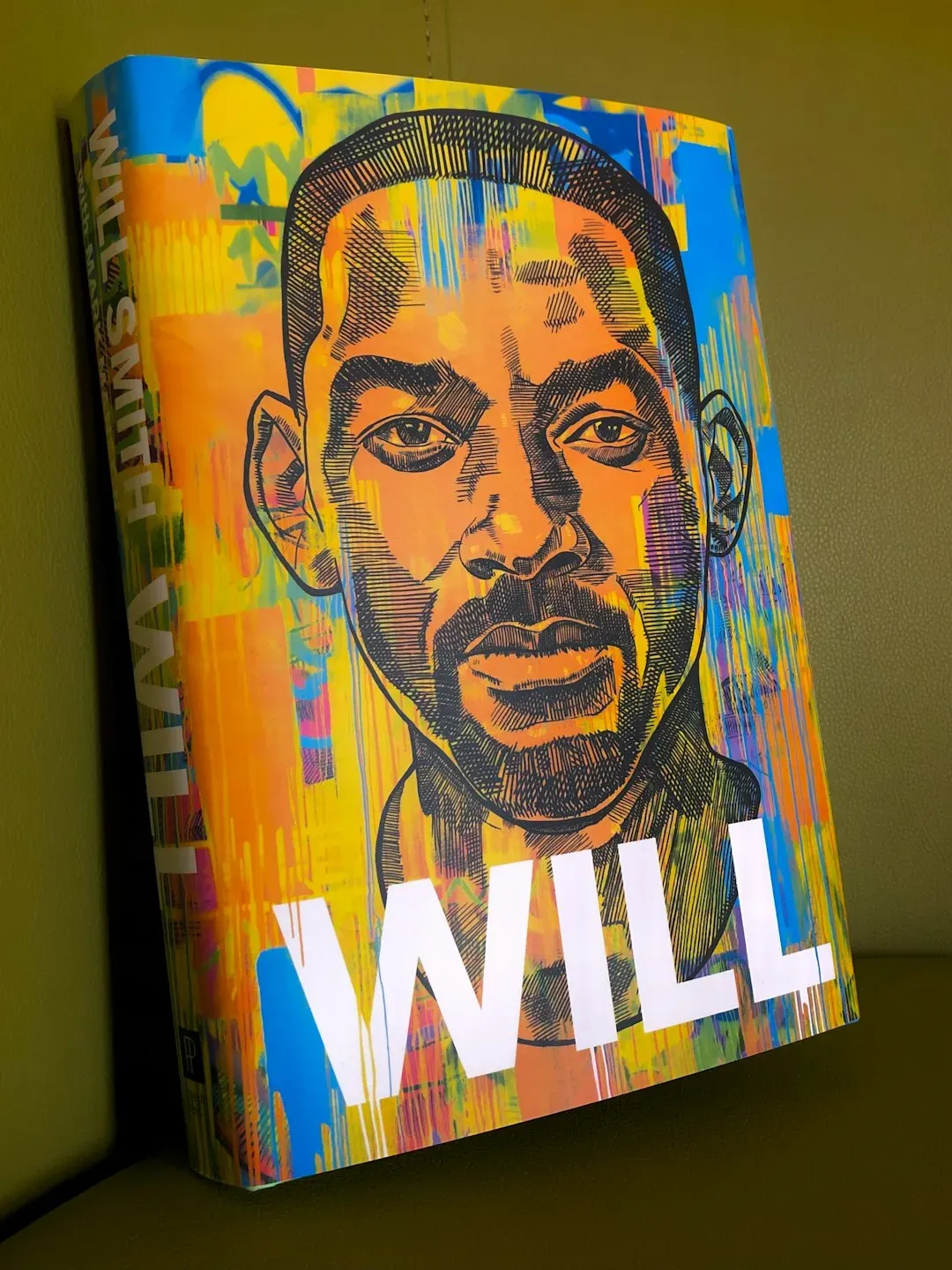
Few test-screening stories have been told as vividly as this one, straight from the lead actor himself. Test viewers disliked the original ending where the protagonist, Robert Neville, empathizes with the Darkseekers, leading to a last-minute change because audiences were dissatisfied with the idea that the Darkseekers were not portrayed as the true monsters.
Smith later described the numbers behind that reaction in blunt terms. He explained that testing works by handing out cards with five boxes marked excellent, very good, good, poor, and very poor, and that a movie scoring around 90 percent in the top two boxes usually signals a hit, but this one was the lowest scoring movie he’d ever had. Screenwriter Akiva Goldsman later added that the sticking point wasn’t even the philosophical twist so much as one specific detail. Everybody in the test audience objected to killing the dog, causing more walkouts than any other moment.
3. Pretty Woman traded heartbreak for a fairy tale
Before it became the ultimate feel-good rom-com, this film was something much colder. The fairytale romance audiences know today once had a much darker ending, with the original script titled “3000” ending with Vivian and Edward parting ways permanently, Edward throwing money at Vivian before she returns to her old life.
Test audiences hated that grim conclusion, so the studio reshot for the iconic, happy, fairy-tale romance ending, even though the original script had been far more interested in exploring the transactional nature of the central relationship than in wrapping things up neatly. The shift essentially created a new genre template that Hollywood has leaned on for decades since.
4. Little Shop of Horrors lost its apocalyptic finale

This one might be the most extreme swing on this list, going from a bleak stage-faithful conclusion to a crowd-pleasing musical number. Director Frank Oz’s original 23-minute ending for this musical dark comedy stayed faithful to the off-Broadway show, with Audrey II killing both protagonists and spawning plant monsters that take over the world.
That version simply did not play well with mainstream moviegoers expecting a lighter comedy experience. Hollywood studios invest millions in creating the perfect movie, but sometimes the original vision doesn’t resonate with viewers, and test screenings before release often lead to significant changes like this one. The theatrical cut instead lets the human leads survive, trading the show’s nihilistic bite for something considerably softer.
5. Pretty in Pink swapped Duckie for Blaine
John Hughes had a different couple in mind when he first wrote this teen classic. The original plan had Andie going to prom with Duckie instead of Blaine, and it made perfect sense to the creative team, but test audiences weren’t buying it since they wanted Andie to end up with the rich, sensitive Blaine instead of her quirky best friend.
Partner offer
The filmmakers weren’t thrilled about the change but went along with it anyway. Even though John Hughes and director Howard Deutch were hesitant, they reshot the ending, and the new prom scene had Andie and Blaine locking eyes, giving the crowd the romantic payoff they craved. That single reshoot arguably shaped how an entire generation remembers the movie’s romantic message.
6. Scott Pilgrim vs. the World nearly ended with the wrong girl
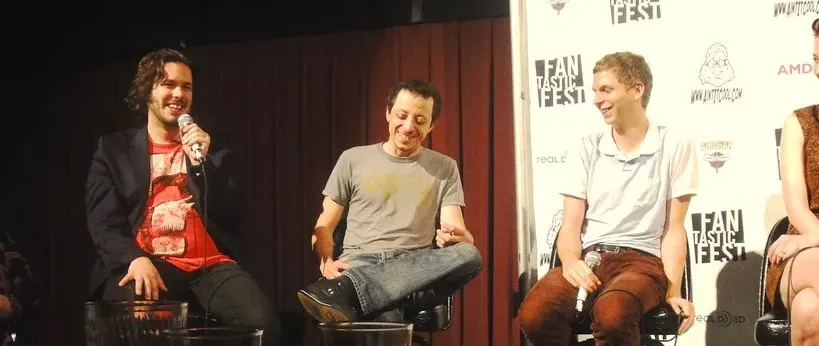
Edgar Wright’s cult favorite almost sent its hero home with someone else entirely. Wright originally had a different ending in mind, and in adapting Bryan Lee O’Malley’s comics, he and his co-writer started thinking it might be better for their anti-hero to end up with Knives Chau, the girl he dumped, rather than Ramona Flowers.
The reaction from preview crowds and even the film’s own cast pushed things back toward the source material. Not only did test audiences hate the ending but so did the actress playing Knives, who felt that her character shouldn’t get back together with someone who cheated on her, even if they still end the film on relatively good terms in the theatrical version. Universal ultimately backed the reshoot, restoring the pairing fans of the comics had wanted all along.
7. Blade Runner got a voiceover and a happy ending it never asked for
Ridley Scott’s original vision was considerably more ambiguous and unresolved than what audiences first saw in theaters. Harrison Ford’s monotone narration wasn’t part of Scott’s vision at all, but when test audiences found the original 1982 cut confusing and too bleak, studio executives demanded significant changes, including adding Ford’s explanatory voiceover and a tacked-on happy ending showing Deckard and Rachael escaping to a lush countryside.
The studio even borrowed footage from an entirely different film to pull off the new finale. The studio recycled unused aerial footage from Stanley Kubrick’s The Shining to create this unplanned happy ending, and Scott hated these alterations, believing they undermined the film’s ambiguous themes about humanity and identity. It would take years, and multiple re-releases, before Scott’s preferred cut finally reached audiences as intended.
8. Thor: The Dark World lost a bolder version of Loki’s fate
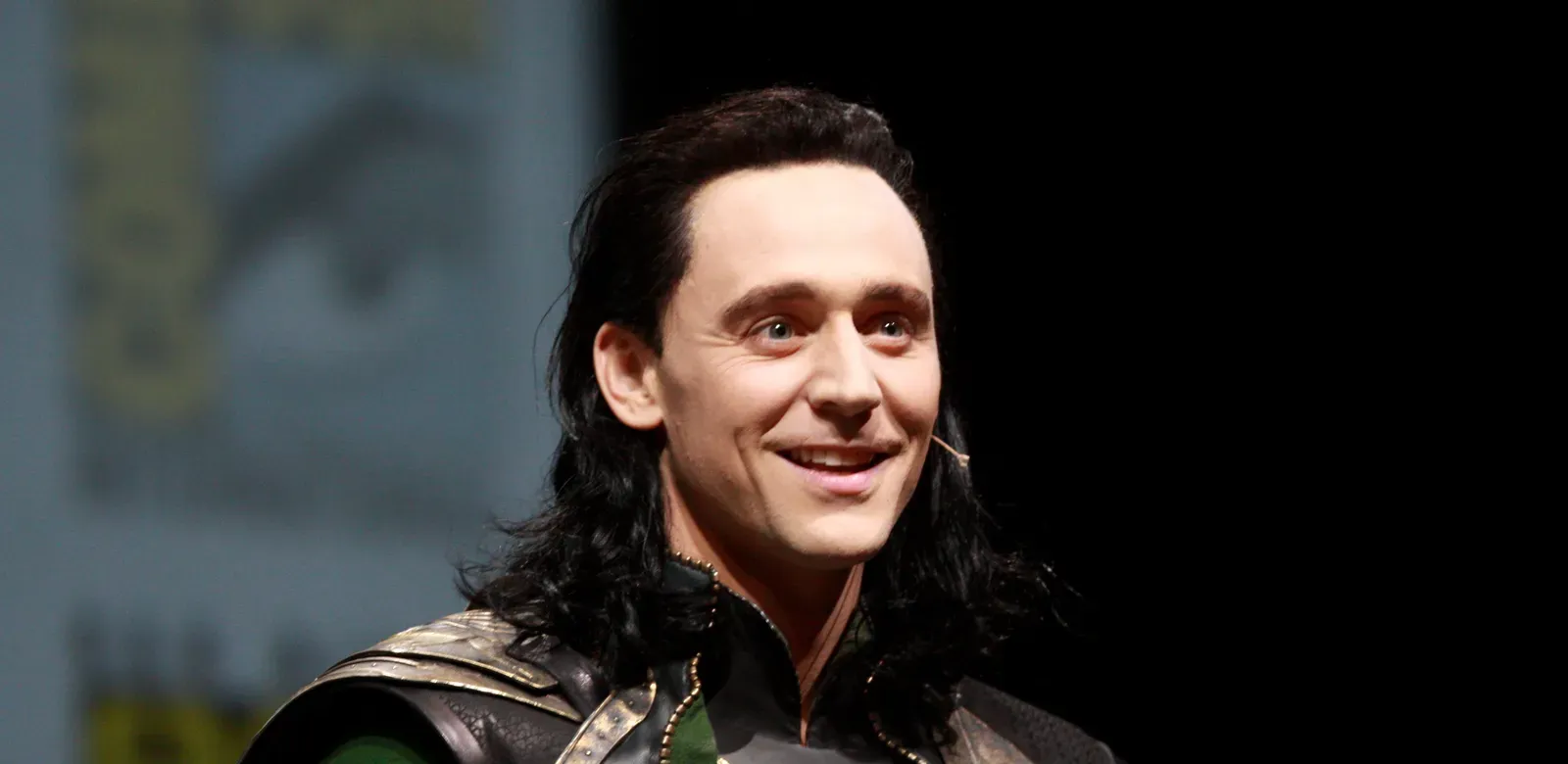
Marvel’s second Thor film is often cited as one of the studio’s weaker entries, and part of that reputation traces back to how its ending was reworked. The original ending of Thor: The Dark World could have saved the movie, since within the Marvel Universe this film isn’t well-ranked due to its strange editing and jumps, with the ending especially disliked by many.
Marvel actually filmed an alternative that leaned into genuine sacrifice rather than the twist audiences eventually got. Thor: The Dark World nearly ended with Loki’s actual death, giving him a redemption arc. Test screenings steered the studio away from that finality, preserving Loki for future franchise appearances but leaving the film’s climax feeling less earned to many viewers.
9. The Lovely Bones softened its killer’s fate
Peter Jackson’s adaptation of Alice Sebold’s novel originally left its villain’s punishment deliberately vague, mirroring the book’s ambiguity. The ending was seen as too tame, causing test screening audiences to want a more satisfying conclusion, since in the original film the killer, Mr. Harvey, simply falls off a cliff, leaving the audience to wonder what happened to him.
That lack of closure didn’t sit well with preview crowds who wanted a clearer sense of justice. The reaction pushed the filmmakers toward a more definitive fate for the character, trading the novel’s haunting uncertainty for something closer to conventional resolution. It’s a change that still divides fans of the book from fans of the film to this day.
Across all nine of these cases, a pattern emerges that has little to do with artistic merit and everything to do with comfort. Test audiences tend to reward closure, punishment for villains, and romantic reunions, even when a filmmaker’s original instinct was to leave things messier or more honest. Some of these swaps genuinely improved the finished product, while others quietly erased the most interesting idea a filmmaker had. Either way, the practice remains baked into how modern studio films get made, quietly shaping endings long after audiences think the story is already finished.
Partner offer
Planning a trip to Vegas?
Compare hotel rates and show tickets on VEGAS.com.