Some films don’t want to entertain you. They want to change you. The best of them succeed so completely that by the time the credits roll, you already know you won’t be pressing play again. Not because the film was bad, but precisely because it was good enough to leave a mark that doesn’t fade.
There’s a specific category of cinema that sits apart from ordinary viewing. There are beloved films that viewers want to appreciate again and again, often because of their uplifting message or endearing central characters. Then there are essential cinematic trips you only want to take once, mainly because of the extreme content or incredibly bleak viewpoint. The seven films below belong firmly to that second group.
1. Requiem for a Dream (2000)


Requiem for a Dream paints an unbelievably bleak, yet important, portrait of drug addiction from the perspectives of four characters. All of their arcs are horrible to witness, particularly that of Sara Goldfarb, played by Ellen Burstyn, whose tragic decline fills much of the film’s run time. Darren Aronofsky’s film is raw and intense from start to finish, which explains its NC-17 rating.
Beating out many other disturbing contenders, Requiem for a Dream tops data-driven lists of films people most refuse to rewatch. The movies that rank on such lists are those that just deliver utterly relentless awfulness, bombarding the audience with images and themes that are completely beyond the realm of comfort. It’s probably the greatest anti-drug public service announcement ever made, and is one of those movies that one can really only watch once.
2. Irréversible (2002)


A truly upsetting and difficult film, director Gaspar Noé’s reverse timeline is more than just a gimmick. Starting with the killing of a man in a nightclub, the film progresses backward over the course of one night in several episodes. The most disturbing of these is the nine-minute-long sequence in which Alex is raped and beaten. Filmed in a single shot, it’s one of cinema’s most graphic scenes and considered unwatchable by many viewers.
Irréversible is not entertainment, but it is a serious statement. The film’s structure, which ends with Alex sitting in a park earlier in the day with the revelation that she is pregnant, only adds to the terrible awareness of what is to come. Irréversible uses an unsettling structure to frame its most brutal moments. Few films weaponize their own architecture against the viewer quite so deliberately.
3. Come and See (1985)


This legendary film from Soviet director Elem Klimov is a senses-shattering plunge into the dehumanizing horrors of war. As Nazi forces encroach on a small village in what is now Belarus, teenage Flyora eagerly joins the Soviet resistance. Rather than the adventure and glory he envisioned, what he finds is a waking nightmare of unimaginable carnage, rendered with a feverish, otherworldly intensity by Klimov’s subjective camera work and expressionistic sound design.
Nearly blocked from being made by Soviet censors, who took seven years to approve its script, Come and See is perhaps the most visceral, impossible-to-forget antiwar film ever made. It is a surrealist allegory that sees a young soldier turned into an old man over the course of two days as his innocence is murdered and his mind is broken by all that he is forced to witness. Klimov’s film isn’t just an exercise in the disturbing but one of the most powerful anti-war texts ever made.
4. Midsommar (2019)


Many horror movies are difficult to sit through more than once, but Midsommar is exceptionally discomforting. The film begins with a spine-chilling murder-suicide scene involving carbon monoxide poisoning and gets even more revolting from there. A grieving Dani, played by Florence Pugh, her boyfriend, and some friends later find themselves embroiled in a nightmarish cult while visiting the Swedish countryside.
Almost every moment of Midsommar is excruciating to watch, as one unnerving scene after another builds up to some astonishing and disturbing twists near the end. Gruesome deaths and other dreadful visuals make it an incredibly uncomfortable viewing experience. Still, the movie is well worth watching for its multitude of scares and Pugh’s superb performance. Director Ari Aster has proven to be a uniquely gifted filmmaker whose movies use genre conventions to engage with the difficult realities of life.
5. Schindler’s List (1993)


The film follows Oskar Schindler, a German industrialist who saved more than a thousand mostly Polish-Jewish refugees from the Holocaust by employing them in his factories during World War II. It stars Liam Neeson as Schindler, Ralph Fiennes as SS officer Amon Göth, and Ben Kingsley as Schindler’s Jewish accountant Itzhak Stern. Spielberg shot the film in black and white and approached it as a documentary, with cinematographer Janusz Kamiński wanting to create a sense of timelessness.
Schindler’s List earned multiple accolades, including seven Academy Awards including Best Picture. It makes the ranks of films that are almost too difficult to revisit because of their emotional weight rather than typical gore. It depicts the harrowing reality of the Holocaust with such precision that it leaves you feeling genuinely devastated. While it is an essential piece of film history, the intensity of those moments makes it a difficult watch for a second time.
6. Martyrs (2008)

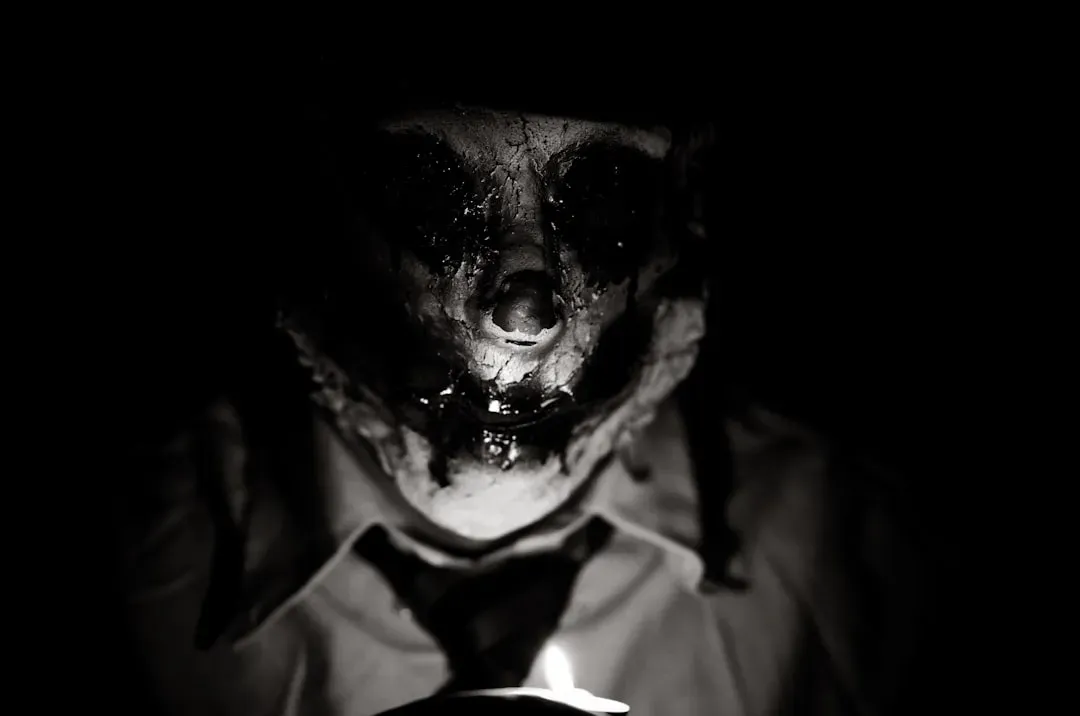
Frequently cited as a benchmark for disturbing cinema, Pascal Laugier’s Martyrs remains one of the most profoundly upsetting horror experiences ever committed to film. The movie follows a woman seeking revenge for childhood abuse, but transforms into something far more philosophically disturbing as it progresses. What begins as a revenge thriller evolves into an examination of suffering and transcendence that leaves viewers emotionally devastated.
The early 2000s saw the emergence of a particularly brutal wave of French horror films that critics would later dub the New French Extremity movement. These films pushed boundaries with their unflinching depictions of violence and psychological torment. The methodical torture depicted in the film’s second half is presented not as exploitation but as a clinical, almost religious ritual, making it all the more disturbing. The film’s unflinching approach to violence and its nihilistic worldview have made it a film many horror enthusiasts respect but refuse to revisit.
7. We Need to Talk About Kevin (2011)


By the film’s distressing climax, We Need to Talk About Kevin has already fastened a noose around the viewer’s throat. Though it’s not an easy watch, director Lynne Ramsay’s meticulous examination of domestic terror is incredibly vital. The film stars Tilda Swinton as a mother slowly unraveling under the weight of guilt and dread, haunted by the actions of her son Kevin both before and after a catastrophic school shooting. It operates almost entirely in psychological territory, which makes it far harder to shake than anything relying purely on gore.
It would be easy enough to list films featuring grotesque cruelties and vicious assaults, but there’s more to being disturbed beyond mere violence. Sometimes it’s the emotional or mental toll that weighs heaviest. We Need to Talk About Kevin understands this completely. Its refusal to offer comfort, explanation, or catharsis is exactly what makes a second viewing feel almost impossible for most people who’ve sat through it once.
What unites these seven films isn’t brutality alone. It’s the quality of the filmmaking behind it. Each one earns its difficulty. They are built to leave a permanent impression, and for most viewers, one encounter is more than enough to confirm that they did exactly that.