Most conversations about former child stars tend to spiral toward cautionary tales: the breakdowns, the lawsuits, the tabloid spirals. It’s the darker arc that gets the most attention, and for good reason. The term “Child Actor Syndrome” is often used in media to describe troubled adults who grew up from childhood acting, many of whom struggle with anxiety, depression, and other mental health issues as a result of the scrutiny they lived under during important developmental years. The pattern is real, well-documented, and often heartbreaking.
Yet there’s another story worth telling. A smaller, quieter group of young performers looked at the machine pulling them forward and simply chose to step off. Some did it before it cost them much. Some did it just in time. Child actors who quit acting often cite the same reasons: a craving for privacy, a desire for an everyday life, and a need to escape typecasting. Many discover they’re happier out of the spotlight. These are eight of them.
Mara Wilson: The Girl Who Chose the Page Over the Screen
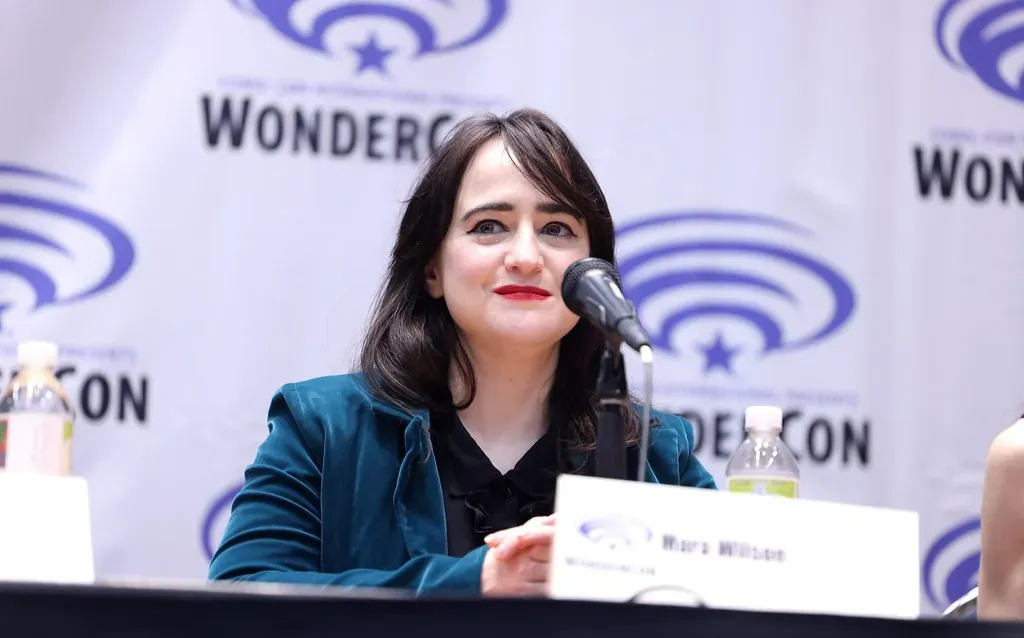
Mara Wilson walked away from a promising career as one of Hollywood’s most recognizable child stars at age 13. She was only 6 years old when she made her big screen debut in Robin Williams’ 1993 comedy Mrs. Doubtfire, and it wasn’t long before she was one of the most in-demand child actors in the industry. She followed that with Miracle on 34th Street and then Matilda, one of the most beloved children’s films of the decade.
The young actress continued landing significant movie and TV roles until she turned down an audition for the 2001 cult classic Donnie Darko. This choice to reject a major Hollywood movie role proved to be the catalyst for Wilson putting her career on pause at age 13 in order to focus on school. In 2016, she published her memoir Where Am I Now? True Stories of Girlhood and Accidental Fame, a candid reflection on childhood stardom, emotional growth, and the long-term effects of growing up in the public eye. The book did not rely on nostalgia alone; instead, it examined the complexities of identity, mental health, and self-perception after fame. Today, she is a strong advocate for mental health awareness and has openly discussed her own struggles with anxiety and depression, helping to break the stigma surrounding these issues.
Jonathan Taylor Thomas: The Teen Idol Who Traded Scripts for Socrates

Jonathan Taylor Thomas became one of the biggest teen idols of the 1990s through his role as middle son Randy Taylor on the massively successful sitcom Home Improvement, which ran from 1991 to 1999 and consistently ranked among television’s top-rated shows. His boyish charm, quick wit, and relatable portrayal of a smart, sarcastic teenager made him a household name and a fixture on teen magazine covers, lunchboxes, and bedroom walls across America. He also provided the voice of young Simba in Disney’s The Lion King in 1994, further cementing his status as one of the most recognizable and bankable young stars in entertainment.
At the height of his fame and earning potential, Thomas made a decision that shocked fans and industry insiders by walking away from Home Improvement before its finale in 1998, choosing a path that virtually no teen star had taken before. In 2000, Thomas enrolled at Harvard University, where he studied philosophy and history and spent his third year abroad at the University of St Andrews in Scotland. In 2010, he graduated from the School of General Studies at Columbia University. In interviews, Thomas explained that he wanted to have normal experiences that his childhood fame had denied him, including attending college, making friends outside the entertainment industry, and developing intellectual interests beyond performing.
Peter Ostrum: Charlie Bucket Became a Veterinarian and Never Looked Back
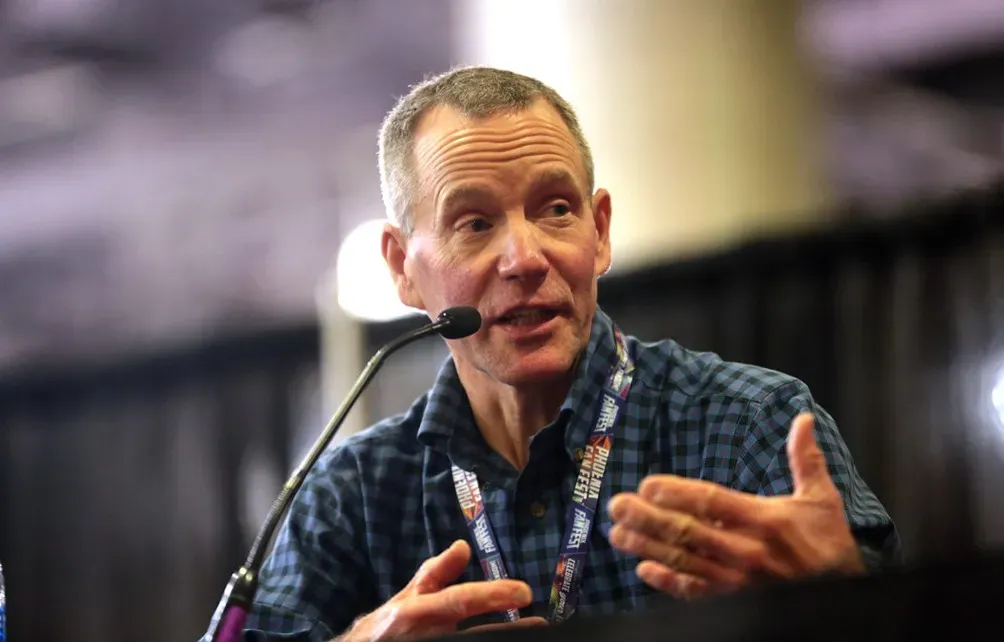
Peter Ostrum played the kind-hearted Charlie Bucket in Willy Wonka and the Chocolate Factory in 1971, his only acting role after turning down further offers. The experience felt like a one-time adventure rather than a career path. Most actors would have chased that momentum fiercely. Ostrum simply went home.
Ostrum captured hearts as Charlie Bucket in the classic film. Today, his life is a far cry from the world of golden tickets. He pursued a career in veterinary medicine, dedicating his life to the care of animals. His journey from a young actor to a compassionate veterinarian is a testament to his enduring love for creatures big and small. At 68, Ostrum retired in late 2023 after a long career as a veterinarian in upstate New York. His is one of the cleanest exits in Hollywood history: one film, one remarkable performance, and then a deliberate, decades-long life built entirely on his own terms.
Danny Lloyd: The Boy From The Shining Who Became a Biology Professor
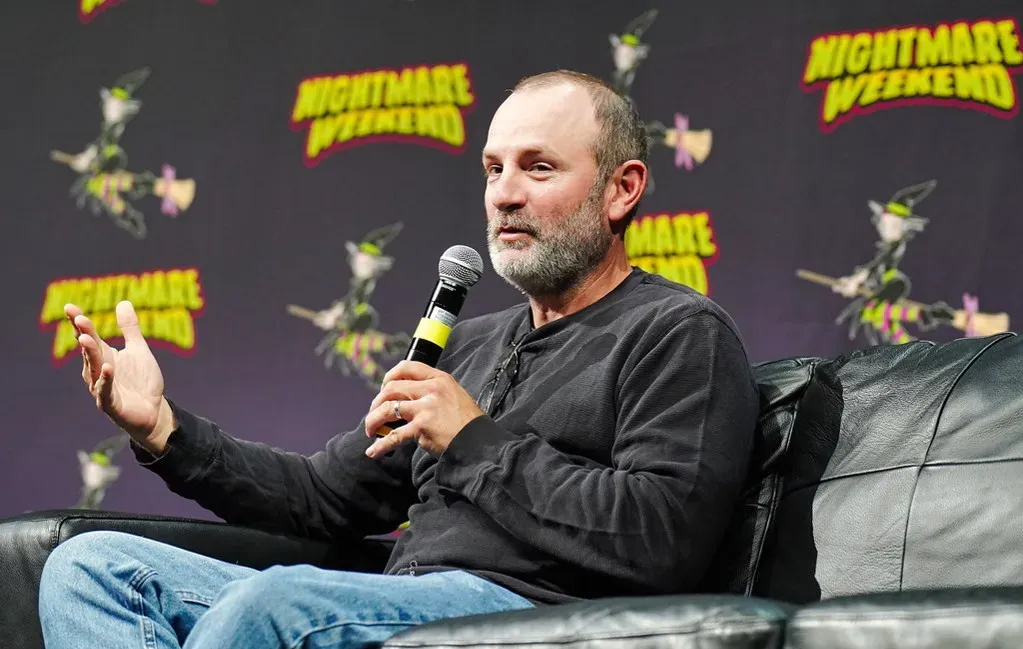
Danny Lloyd gave one of the most chilling child performances in history as Danny Torrance, but he barely remembers the filming process because director Stanley Kubrick shielded him from the horror elements. That protective approach from Kubrick may have been one of the kinder acts in the entire history of child filmmaking, though Lloyd still carried the weight of being attached to one of cinema’s most iconic films.
Instead of pursuing more roles, Lloyd chose a path in academia and currently serves as a biology professor at a community college in Kentucky. He lives a quiet, private life and rarely does interviews, preferring the lab to the silver screen. He returned to the screen only for a brief cameo in Doctor Sleep long after his childhood performance. That single cameo felt less like a comeback and more like a gracious nod to a past he never really tried to hold onto.
Partner offer
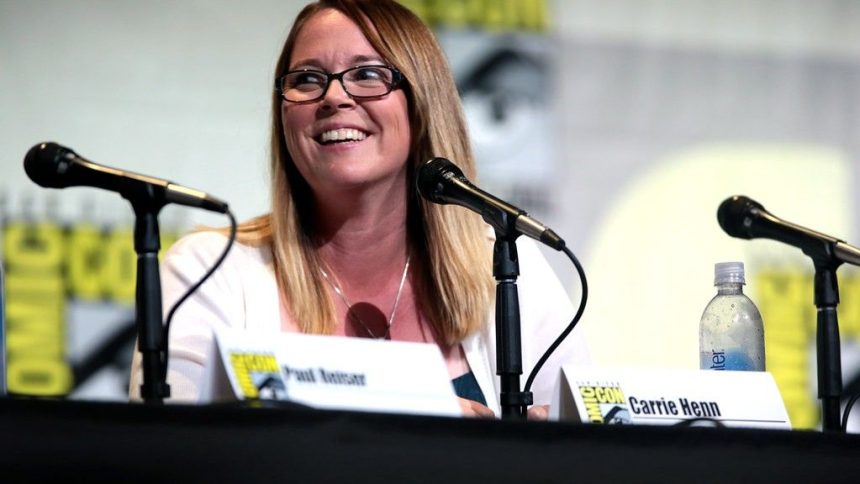
Carrie Henn: Newt from Aliens Became an Elementary School Teacher
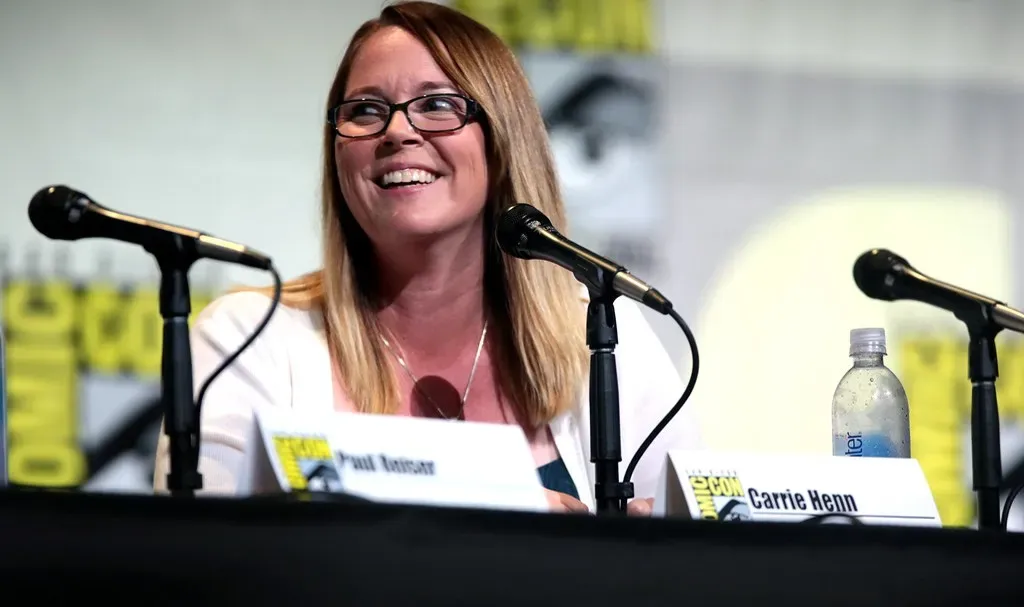
Carrie Henn gave a masterclass in survival as “Newt” in the sci-fi classic Aliens, famously starring opposite Sigourney Weaver without any prior acting experience. The film was a massive success and her performance became one of the most memorable in the franchise’s history. For most young actors, that kind of debut would feel like a launchpad.
Despite the film’s massive success, she decided that one iconic role was enough for her and never acted in another film again. She pursued her dream of working with children in a different way, becoming a dedicated elementary school teacher who enjoys the quiet life of an educator. After the film’s success, she didn’t pursue more screen work, opting to return to school in the United States when her family relocated. There’s something quietly remarkable about a person who played one of cinema’s great survivors and then spent decades helping actual children learn and grow.
Ariana Richards: From Jurassic Park’s Screams to a Painter’s Studio

Ariana Richards became widely known as Lex Murphy in Jurassic Park. In the years after the film’s release, she redirected her focus from acting to fine art. The 1993 blockbuster made her recognizable to an entire generation, and her performance under the immense production pressure of a Spielberg film was impressive for any actor, let alone a teenager.
She established a professional painting career, exhibiting, taking commissions, and selling prints, while maintaining ties to the dinosaur-franchise community through interviews and premiere appearances rather than new roles. The pivot wasn’t impulsive. It was a slow, deliberate move toward something she found more personally fulfilling. Famous for her trembling hand and the iconic “jello scene” in Jurassic Park, Richards eventually traded her survival gear for a paintbrush. The contrast is almost poetic.
Charlie Korsmo: Hook’s Lost Boy Found MIT and Yale Instead

As Jackie in Hook, Charlie Korsmo worked alongside legends like Dustin Hoffman and Robin Williams, yet he walked away at the height of his potential. He pivoted to a brilliant academic career, earning a degree from MIT and later a law degree from Yale. Today, he is a respected law professor, proving that his onscreen intelligence was definitely not an act.
Charlie Korsmo, known for roles in Hook and Dick Tracy, took a scholarly turn, becoming a law professor. With a keen intellect and passion for teaching, Charlie chose academia over Hollywood. His path illustrates something important: the skills that make a child performer compelling, the focus, the emotional intelligence, the discipline, don’t disappear when the cameras stop rolling. As child stars age, they are often faced with rejection, objectification and a sense of burnout that can turn many away from the industry in its entirety. Korsmo simply refused to wait for that moment and left before it arrived.
Kay Panabaker: The Disney Star Who Became a Zookeeper
A staple of the mid-2000s Disney era, Kay Panabaker starred in Phil of the Future and several movies before deciding Hollywood wasn’t for her. She retired from acting to study zoology and now works as an animal keeper at Disney’s Animal Kingdom. It’s a full-circle moment where she stayed with the Disney brand, but in a role that allows her to care for wildlife instead of performing for the cameras.
Panabaker starred in Disney hits like Summerland and Read It and Weep, and voiced roles in animated shows in the 2000s. Acting felt less appealing as she matured, so she retired after Beverly Hills Chihuahua 3 in 2012 to pursue college. At 35, Panabaker works as a zookeeper at Disney’s Animal Kingdom, applying her UCLA zoology degree daily. She has shared how caring for wildlife brings deeper joy than any set ever did. Her career switch highlights hidden passions and reminds people that fulfillment often lies in unexpected places.
The Bigger Picture: What Getting Out Early Actually Takes
The life of a child actor is far more complex than most people realise. Behind the glamour of the screen is an intricate and sometimes difficult journey that young performers must undertake. They face emotional challenges, developmental hurdles, and the stresses of working in an industry that demands maturity beyond their years. Walking away from that, especially while the work is still coming and the praise is still loud, requires a clarity of mind that most adults don’t have, let alone teenagers.
Walking away from Hollywood once felt like failure. Now it often looks like clarity. Each person on this list made a different kind of choice at a different kind of crossroads, but what connects them is their choice to prioritize their well-being over applause. That turns out to be rarer, and harder, than any role they ever played.
Partner offer
Planning a trip to Vegas?
Compare hotel rates and show tickets on VEGAS.com.