
Some recoveries don’t make sense on paper. Medical teams do everything right, and still the odds are stacked so heavily against someone that colleagues quietly brace for the worst. Then, somehow, the person walks out. Gets back on stage. Finishes the film. The comeback, when it happens, doesn’t feel like a plot twist – it feels like something closer to a small miracle. These are the stories of performers who faced crises so extreme that the question wasn’t whether their career would survive, but whether they would. Each one returned on their own terms, shaped permanently by what they went through and, in many cases, more purposeful for it.
Emilia Clarke: Two Brain Aneurysms and Kept Filming

The first aneurysm struck Clarke in 2011, just after she finished filming the first season of Game of Thrones. She underwent a minimally invasive surgery but faced complications that left her in intense pain. During the recovery period, Clarke experienced severe memory loss and a constant fear of another aneurysm, yet she returned to work on the show, keeping her condition a secret from the public and most of her colleagues.
In 2013, Clarke suffered a second aneurysm, which was even more critical than the first. It required a more invasive surgery that left her with a challenging recovery journey, and she later described this period as the darkest time in her life. In 2019, she founded the charity SameYou, which aims to improve rehabilitation care for young adults recovering from brain injuries and strokes, focusing on raising awareness, funding research, and providing better support systems for patients.
Sharon Stone: Nine Days of Bleeding Into Her Brain
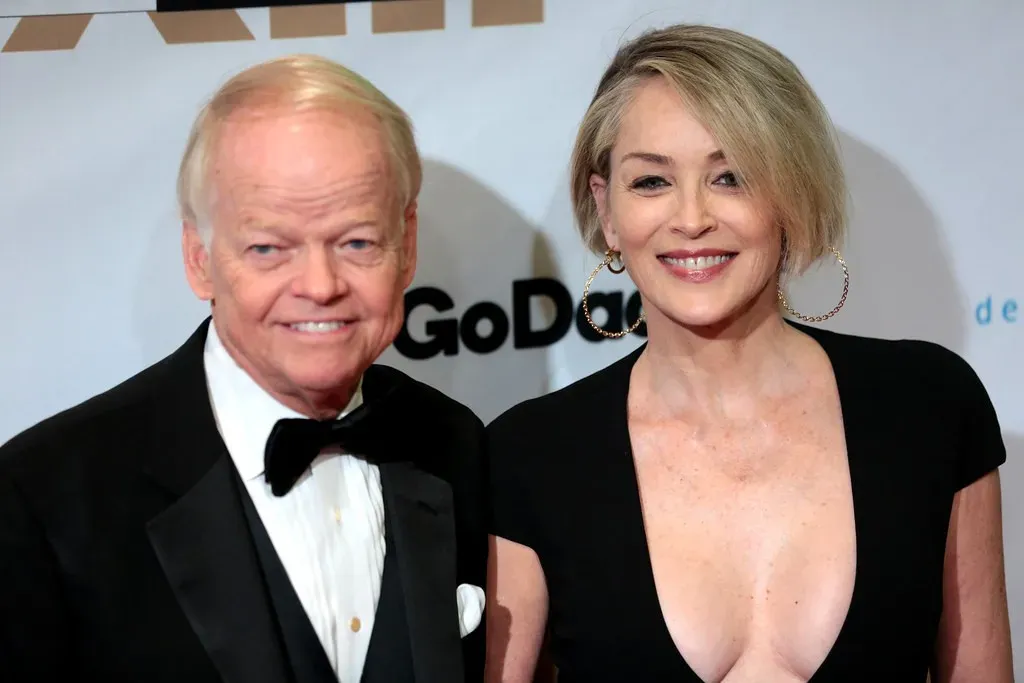
When Sharon Stone experienced a brain hemorrhage in 2001, she was at the height of her career – she had ruled at the box office for more than a decade, earning an Oscar nomination for Casino in 1995 and superstardom with Basic Instinct in 1992. She went to the first hospital and had an MRI, then was transferred to a specialized hospital, where she continued to bleed into her brain for nine days before her best friend convinced doctors to look again, an intervention that saved her life at the last moment.
Stone spent eight months in bed, and recovery took seven years. She came out of the hospital with short- and long-term memory loss. Following the massive brain hemorrhage and stroke, she was left with a brain seizure condition requiring ongoing medication, and during her years of recovery she lost her marriage, custody of her child, her standing in the industry, and her finances. With her children grown, Stone is acting again and has set her sights on Broadway.
Céline Dion: A Disease So Rare It Affects About One in a Million People

In 2022, Dion announced that she had been diagnosed with stiff person syndrome, a rare neurological disorder that causes muscle spasms and impacts her ability to sing, and she canceled all of her upcoming performances as she navigated the early days of her diagnosis. Affecting about one in a million people, the rarity of stiff person syndrome has historically made it difficult for scientists to pinpoint its causes or treatments. Symptoms include a rigid posture, unsteadiness, chronic pain, and if the chest muscles are affected, patients may experience shortness of breath and acute anxiety.
Less than two years after her diagnosis, the superstar returned to the stage to sing for fans at the 2024 Paris Olympics opening ceremony. A few months before that triumphant return, she had released a documentary, “I Am: Céline Dion,” an intimate look at her efforts to get back to performing. After that emotional Olympic performance, Dion announced she would return to Paris for a series of comeback concerts, with a residency-style run of shows at Paris La Défense Arena beginning September 12, 2026 – her first full concerts in years.
Jeremy Renner: Over 30 Broken Bones and Back to Work

On January 1, 2023, Jeremy Renner was critically injured at his Nevada property while helping a family member free a stuck vehicle. He was accidentally run over by a PistenBully snowcat and sustained blunt chest trauma along with many orthopedic injuries and fractures. He suffered over 30 broken bones, a collapsed lung, a pierced liver, and a contusion that left his left eye protruding from his face. After many operations and extensive physical therapy, Renner has incredibly recovered from many of his injuries.
He underwent multiple surgeries and an extended hospital stay followed by intensive physical therapy. In the months after the accident, he documented his rehabilitation progress and eventually returned to public appearances and work. The speed of his recovery genuinely surprised the medical professionals involved. For an injury set of that severity, returning to a full career in under a year was something few would have predicted at the outset.
Madonna: Septic Shock and the ICU

In 2023, Madonna was found unconscious at her home after dealing with a serious bacterial infection. At the time, she had been prepping for a tour, pushing her body through strenuous activity while ignoring her symptoms. She ended up suffering from septic shock and was in the ICU for several days, battling the life-threatening infection.
While she did have to postpone her tour, she made a full recovery. Septic shock carries mortality rates that vary widely depending on speed of treatment and age, and the condition can escalate within hours. A year after coming home from the hospital, she reflected publicly that she had survived a life-threatening illness and had made a miraculous recovery in the year that followed.
Tracy Morgan: Two Weeks in a Coma After a Six-Vehicle Crash
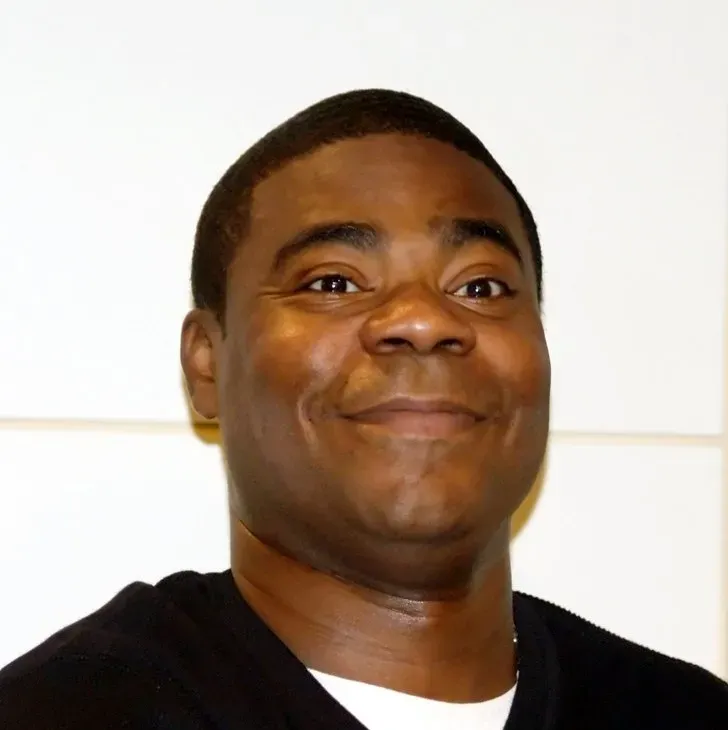
Comedian Tracy Morgan’s life took a devastating turn in 2014 when he was critically injured in a six-vehicle crash. The crash left Morgan in a coma for two weeks and caused severe brain trauma. The road to recovery was long, but after months of physical therapy and mental recovery, Morgan returned to the stage.
When Tracy Morgan survived that catastrophic highway crash, it was a reminder that one night can split your life into before and after. Recovery can be long, invisible, and unglamorous. What made Morgan’s story resonate was the openness about the aftermath: trauma, healing, and the stubborn act of returning to joy. His return to stand-up comedy, years later, struck a particular chord – not just because he survived, but because he managed to be funny again.
Selena Gomez: Lupus, Chemotherapy, and a Kidney Transplant

Selena Gomez’s struggle with lupus led to a life-threatening situation in 2017 when she required a kidney transplant. The donor was her best friend, Francia Raisa. Despite the health setback, Gomez was open about her battle and recovery, encouraging millions to prioritize their health. The transplant was a deeply emotional experience – not only the physical challenge of surgery and recovery, but the emotional weight of having her best friend donate an organ was significant.
Throughout her recovery, Gomez also focused on her mental health, openly seeking therapy and taking breaks from the spotlight to ensure her emotional wellbeing. Her journey underscored the importance of mental health, especially when dealing with chronic illnesses, and highlighted the necessity of balancing both physical and emotional recovery. Following the transplant, Gomez resumed her music career, releasing albums and touring.
Bob Odenkirk: Cardiac Arrest on Set
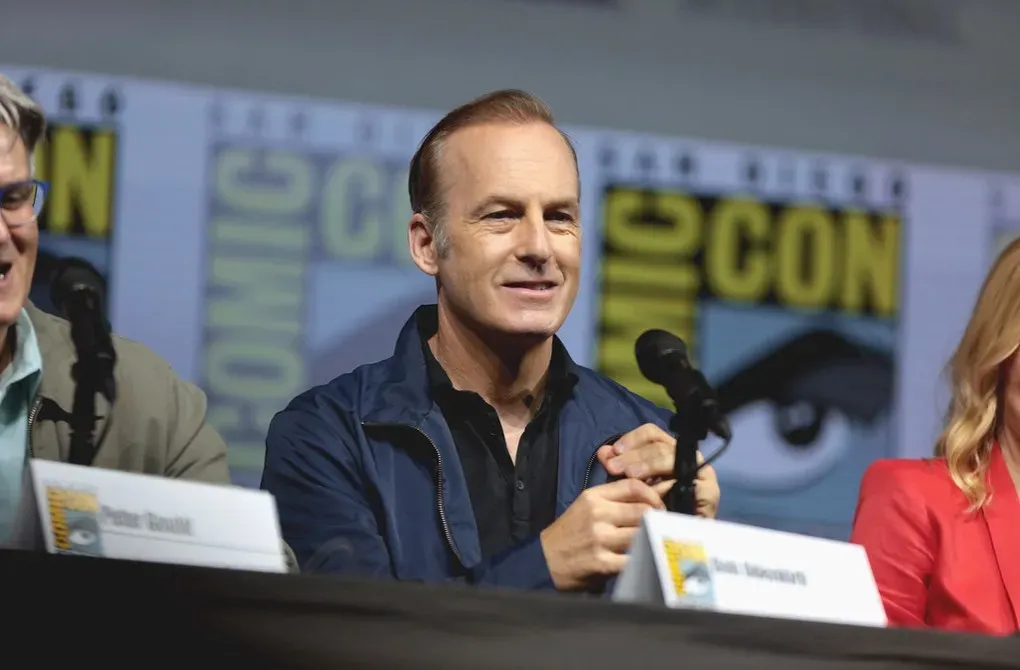
On July 27, 2021, Bob Odenkirk collapsed from a heart attack on the set of Better Call Saul in Albuquerque. Colleagues immediately initiated CPR and used an automated external defibrillator until EMTs arrived. He was hospitalized for evaluation and underwent a procedure to address a blockage.
After cardiac rehabilitation and medical clearance, he returned to finish filming with adjusted on-set schedules and health protocols. Few moments capture the fragility of performance quite like collapsing mid-production in front of your own crew. Odenkirk finished one of the most critically acclaimed final seasons in television history after being resuscitated on the floor of a New Mexico soundstage. The episode has since become part of the larger conversation around heart health awareness in middle-aged men, a group that often delays seeking care.
Travis Barker: Surviving a Burning Jet

On September 19, 2008, Travis Barker survived a Learjet crash in South Carolina that killed four people. The jet overran the runway during an aborted takeoff and caught fire, leaving Barker with severe burns and other injuries. He required numerous skin grafts and a long recovery that included both physical and psychological treatment.
Barker suffered burns across a significant portion of his body, and the psychological toll of being one of only two survivors on a plane that killed four people took years to work through. His path back to drumming – one of the most physically demanding roles in music – was painstaking and, to many observers, improbable. He has since returned to a fully active touring and recording career, remarried, and by most accounts rebuilt his life entirely from the wreckage of that night.
Michael J. Fox: Diagnosed at 29 and Still Creating

Fox’s career did not come to a halt after his Parkinson’s diagnosis. He continued acting in notable roles in series like Spin City, for which he won multiple awards, and later The Good Wife and Designated Survivor, with his performances widely praised for demonstrating his unwavering talent and determination. Fox has also authored several books sharing his experiences with Parkinson’s and has significantly contributed to changing public perceptions of the disease through his foundation and public appearances.
Parkinson’s disease typically progresses over time, and a diagnosis at 29 – which Fox received in 1991, though he kept it private for seven years – carries a particular weight. The sheer span of his continued work in the decades since is, by any clinical measure, remarkable. He has shown that it is possible to lead a productive and fulfilling life despite the challenges posed by the condition, and his story exemplifies the power of turning personal struggles into advocacy and action.
Demi Lovato: Strokes, a Heart Attack, and Survival

In 2018, Demi Lovato came close to death after overdosing on heroin laced with fentanyl. By the time they were found unresponsive, they had suffered several strokes and a heart attack. Lovato was immediately rushed to the hospital, where they miraculously survived all of their traumatic injuries. After several weeks of care, they were released and checked into rehabilitation.
Surviving a fentanyl-laced overdose after multiple concurrent strokes and cardiac arrest is, medically speaking, an extraordinary outcome. Lovato has spoken openly about the aftermath – including vision impairment and cognitive changes that lingered long after the physical recovery. Their return to music and public advocacy around addiction has made them one of the more candid voices on the real complexity of recovery, a path that, as they’ve made clear over the years, doesn’t move in a straight line.