There’s a particular kind of ambition that Silicon Valley tends to reward. You land the job, build the stock portfolio, and then, almost inevitably, someone tells you the next logical move is to buy in Atherton, Palo Alto, or Los Altos. It sounds straightforward enough. It rarely is.
The costs of living in the Valley’s most coveted zip codes go far beyond the purchase price printed on a closing disclosure. Hidden layers of financial pressure accumulate quickly, and many buyers don’t see the full picture until they’re already in. Here’s what the listing brochures tend to leave out.
The Sticker Price Is Just the Opening Act
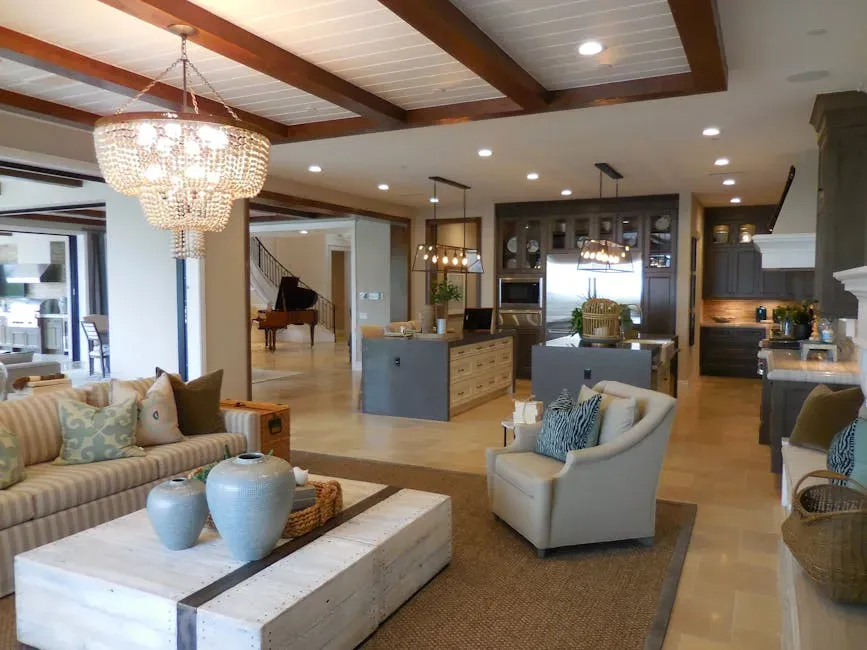
The numbers at the top of any listing in Silicon Valley’s elite neighborhoods are genuinely staggering. The median price of single-family homes in Palo Alto reached $3.66 million in 2024, marking a nearly 10% rise from 2023, while Los Altos saw a 7% increase to $4.4 million. Those figures represent the middle of the market, not the upper end.
Atherton, long synonymous with Silicon Valley affluence, posted a median sales price of $8.3 million, a 5% jump from 2024. To put that in real terms, if you bought a median-priced home in Atherton with 20% down at a 6.72% mortgage rate, the monthly payment would be $46,168, or $554,011 per year. That’s before a single utility bill arrives.
You Need a Seven-Figure Income Just to Qualify
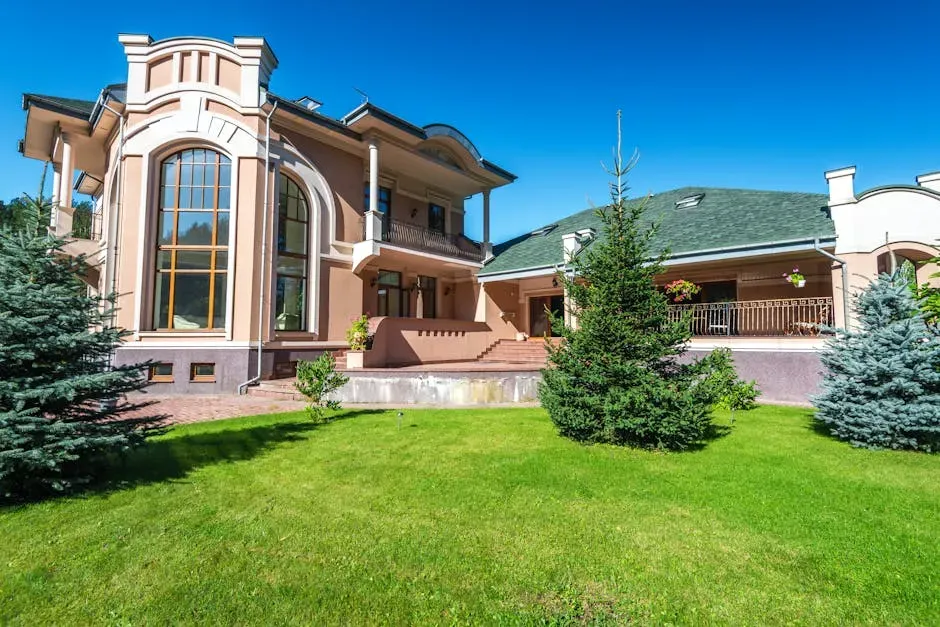
Atherton, with a median home list price of $8.9 million in 2024, ranked number one in the nation as the priciest city, and buyers there need to earn $1.85 million annually. That income threshold isn’t a cushion. It’s a hard floor.
Home buyers in the San Jose metro area need the highest household income to purchase a median-priced home, based on an affordability price-to-income ratio of 30%, a 20% down payment, and a 30-year fixed mortgage, with the San Jose requirement reaching approximately $361,000. That figure applies to the broader metro, not the premium zip codes where costs climb substantially higher.
To live comfortably in Silicon Valley as a family of four, owning a home, saving for retirement, and maintaining a middle-class lifestyle, most financial planners estimate a minimum household income of $300,000 to $400,000. In the top zip codes, that baseline stretches considerably further.
Property Taxes: An Annual Bill That Stuns
In Los Altos Hills, the median property tax bill reaches $32,723 annually, and in Atherton, it climbs to $41,115, based on March 2025 data from Ownwell, a property tax services company. These are not outliers. They reflect standard assessments in neighborhoods where land alone commands multi-million-dollar valuations.
The high property taxes on the Peninsula reflect a broader trend: nationwide, property taxes have become the fastest-growing source of state and local revenue, with collections rising by more than $96 billion from 2022 to 2024, outpacing gains in sales and corporate income taxes. Buyers locked into a fixed mortgage may find their annual carry costs drifting upward regardless.
The Bidding War Premium Nobody Talks About
In Silicon Valley’s prestige markets, the listed price is often just an invitation to bid higher. Los Altos saw homes sell at an average of 7% over asking price in 2024, and notably, roughly one in four Los Altos homes sold in 2024 fetched bids over $500,000 above asking, versus 17% in Palo Alto.
The frenzy hasn’t cooled heading into 2026 either. Multiple offers and above-asking sales have become the norm in the luxury segment, and in the first quarter of 2026, Palo Alto, Los Altos, and Menlo Park all saw an increase in new listings compared to the previous year, yet demand has kept pace.
December 2024 bidding wars were common, with some properties receiving more than 20 offers. Buyers entering competitive situations routinely waive contingencies and absorb financing risk that would be unthinkable in calmer markets.
Land Values Are Resetting at a Shocking Pace

A remarkable development in 2025 was the sharp upward reset in Atherton land values, with two older homes on approximately one-acre lots marketed primarily for land value at prices below $8 million. What happened next illustrates the intensity of demand clearly.
Each property received more than 10 offers, and one sold over $1.5 million above asking, while the other sold for $2.8 million above list. Comparable one-acre lots in the area had been selling for about $8 million the prior spring, pointing to a roughly 20% to 30% increase in land values, driven by strong buyer demand and extremely limited inventory.
Grocery Runs and Dinner Out Will Drain You Too

Living in a prestige zip code means absorbing premium costs at every layer of daily life, not just at the mortgage payment. Grocery costs in Silicon Valley run approximately 20 to 30 percent above the national average, and a family of four can expect to spend between $1,200 and $1,600 per month on groceries.
Dining out carries similar premiums: a casual dinner for two at a mid-range restaurant in downtown Palo Alto or Burlingame Avenue typically runs $80 to $120 before tip. Those figures add up quietly over a year, compounding the pressure on households already stretched by mortgage payments.
Childcare Costs Rival the Mortgage Itself

For families with young children, Silicon Valley has a particularly sharp sting. Full-time daycare for an infant in San Mateo or Santa Clara County ranges from $2,200 to $3,200 per month, preschool programs typically cost $1,800 to $2,800 monthly, and many families with two children in care spend $4,000 to $6,000 per month on childcare alone, often exceeding their housing payment’s principal and interest.
Private school tuition in the area ranges from $25,000 to $55,000 per year. Even families relying on the public system face significant incidental costs. Public schools on the Peninsula are generally excellent, with districts like Palo Alto Unified and Los Altos Elementary consistently ranking among California’s best, but the expectation of supplemental enrichment spending is strong in these communities.
International Buyers Are Reshaping the Competition
The buyer pool in Silicon Valley’s top zip codes is genuinely global, which changes the competitive dynamic for domestic buyers. Geopolitical uncertainties may impact demand from international buyers, particularly from mainland China, where buyers accounted for over a quarter of Atherton property transactions in 2024.
Palo Alto led the region in the percentage of all-cash transactions in 2024, with roughly one in three homes purchased without financing, followed by Menlo Park at 31% and Los Altos at 29%, underscoring the strong purchasing power of buyers in the area as well as strong demand from overseas. Buyers who depend on financing are competing against buyers who simply don’t need it.
HOA Fees and Underfunded Reserves Add Another Layer

California’s diverse markets create dramatic differences in HOA fees, with Silicon Valley communities charging over $800 per month while Central Valley HOAs stay under $300. In condominium and gated communities within prestige zip codes, these recurring costs can run even higher depending on amenities and maintenance obligations.
What many buyers overlook entirely is the risk buried in reserve accounts. An expert observation frequently cited in local real estate circles is that roughly three quarters of HOAs in California have underfunded reserve accounts, which is a significant concern for buyers, particularly first-time buyers and those downsizing into common interest developments.
Special assessments are voted in when a majority of the HOA wants to get important projects completed and sufficient funds are absent, and in recent years these assessments have been levied for $30,000 to $50,000 or more in some cases. That’s a bill that arrives with little warning.
The Market Is Resilient, But Not Without Volatility
Silicon Valley’s top zip codes have historically appreciated over the long run, and that track record is real. In 2025, luxury home sales defined the Midpeninsula housing market, with Palo Alto, Los Altos, and Menlo Park each posting record numbers of high-end transactions, surpassing previous peaks set just a year earlier in 2024. The underlying demand hasn’t gone away.
Still, the market has shown it can be sensitive to external shocks. Momentum in 2025 briefly stalled after tariff-related shocks rattled financial markets and triggered a short-term pullback in home prices, though as uncertainty eased, confidence returned through late spring and summer, and by September luxury demand had surged again.
Even as ultra-luxury demand shows no signs of slowing, changes in technology, particularly artificial intelligence, and the labor market may subtly reshape buyer behavior in the months ahead, with mid-tier segments likely to feel these shifts more than ultra high-end buyers, who remain largely insulated. For buyers stretching to enter a prestige zip code rather than comfortably affording it, that vulnerability matters.
Conclusion: Prestige Has a Real Price Tag
There’s nothing wrong with wanting to live in one of Silicon Valley’s most celebrated neighborhoods. The schools are exceptional, the community is globally connected, and the long-term appreciation record is hard to argue with. The trap isn’t the address itself. It’s the gap between what a listing price reveals and what ownership actually costs.
When you add property taxes approaching $41,000 a year in Atherton, monthly mortgage payments that can exceed $46,000, childcare that rivals those mortgage payments, grocery bills running well above national norms, and the very real risk of landing in a bidding war that pushes you well past your comfort zone, the full picture looks very different from the brochure version.
The buyers who tend to thrive in these markets aren’t just wealthy. They’re liquid, patient, and usually not stretching. For everyone else, understanding the full cost structure before signing isn’t just good advice. It’s the only responsible starting point.