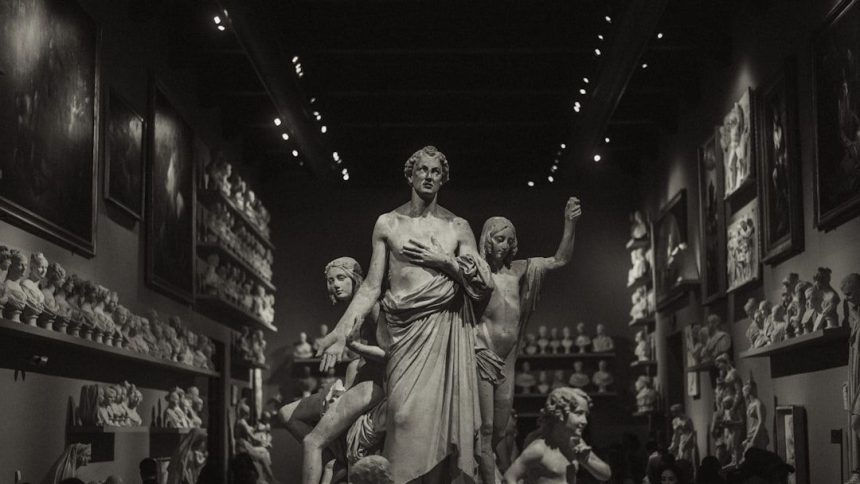
Ever wonder why certain paintings, sculptures, or pieces of music still captivate us decades or even centuries after their creation? It’s not just about technical skill or historical importance. There’s something deeper happening in our brains when we encounter a true masterpiece. These works tap into universal human experiences and emotions in ways that feel just as relevant today as they did when they were first unveiled.
The connection between art and psychology reveals fascinating patterns about what makes certain creations endure. From the Mona Lisa’s enigmatic smile to Beethoven’s symphonies, masterpieces share surprising commonalities in how they affect our minds. Let’s explore what really makes some works immortal while others fade into obscurity.
The Emotional Resonance Factor
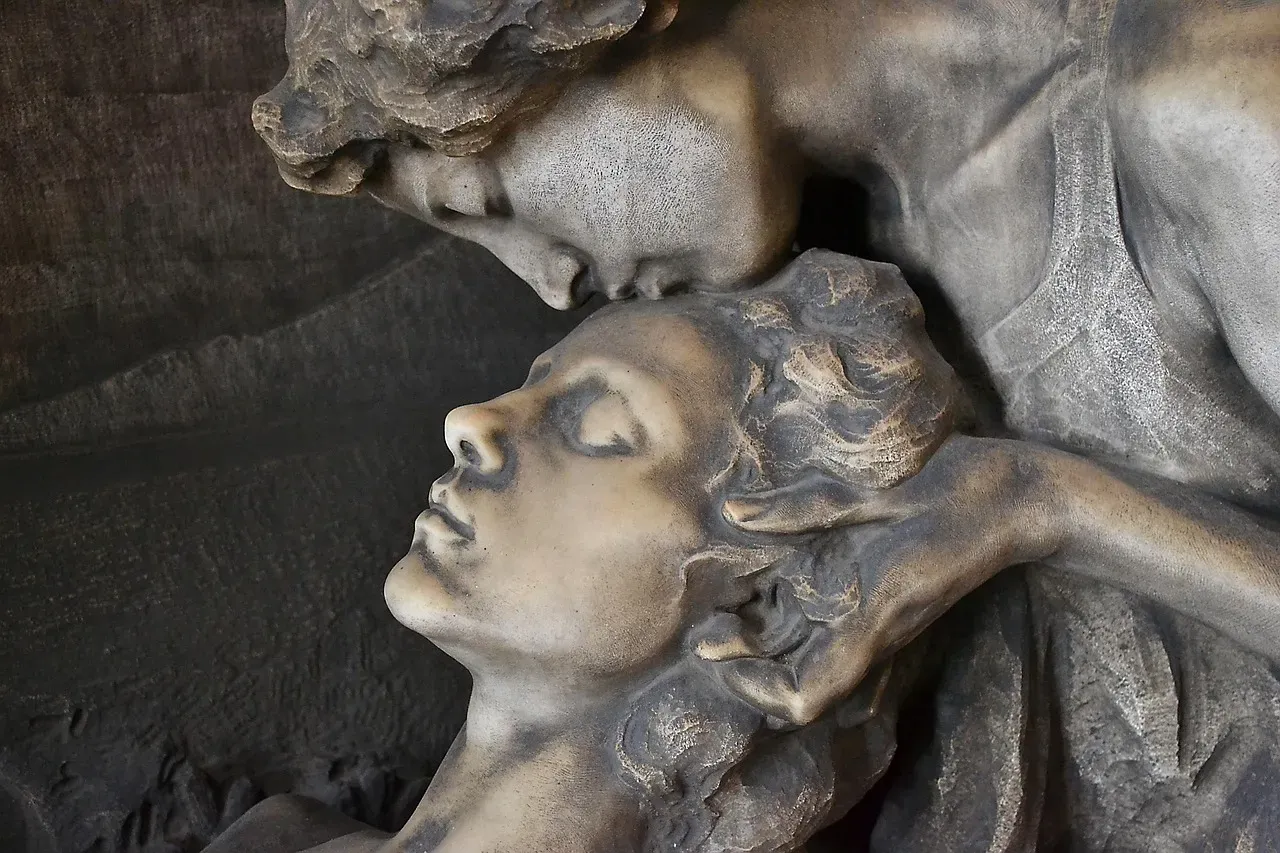
Masterpieces hit us right in the feelings, plain and simple. They don’t just look pretty or sound nice. They evoke emotions that transcend cultural boundaries and time periods. Think about Edvard Munch’s “The Scream” – that raw anxiety feels as relevant in our modern stress-filled world as it did in 1893.
Neuroscience research shows that powerful artworks activate our brain’s emotional centers, particularly the amygdala and prefrontal cortex. When we encounter a masterpiece, our neural pathways light up in ways similar to experiencing the actual emotions depicted. It’s like our brains can’t tell the difference between witnessing real suffering and seeing it portrayed in Picasso’s “Guernica.”
This emotional authenticity creates a bridge across generations. We might not understand the exact historical context of every artwork, but we understand grief, joy, fear, and wonder. Those feelings haven’t changed much in thousands of years.
Universal Themes That Never Age
Here’s the thing about truly great art: it deals with stuff that matters to humans regardless of when or where they live. Love, death, identity, power, freedom – these themes are baked into the human condition. Shakespeare’s plays remain performed worldwide because jealousy, ambition, and romance haven’t exactly gone out of style.
Masterpieces avoid getting trapped in their own era by focusing on fundamental human truths rather than fleeting trends. While contemporary pieces might comment on specific political moments or cultural phenomena, enduring works tap into something more primal. Van Gogh’s “Starry Night” isn’t about 19th-century French astronomy. It’s about wonder, isolation, and humanity’s relationship with the cosmos.
The best artists seem to intuitively understand what will resonate across time. They look beyond the surface-level concerns of their moment and capture something essential about what it means to be human.
The Mystery and Ambiguity Effect

Honestly, masterpieces rarely spell everything out for us. They leave room for interpretation, and our brains absolutely love that. The Mona Lisa’s famous smile remains endlessly fascinating precisely because we can’t pin down exactly what emotion it conveys. Is she happy? Melancholic? Knowing something we don’t?
Psychological research demonstrates that ambiguity keeps our attention engaged longer. When a work of art presents clear, definitive answers, our brains quickly move on. But when there’s mystery involved, we return again and again, each time finding new layers of meaning. This quality gives masterpieces incredible staying power.
Think about great literature like James Joyce’s “Ulysses” or T.S. Eliot’s “The Waste Land.” Scholars have been analyzing these works for decades, and they still haven’t exhausted all possible interpretations. That inexhaustibility keeps them alive in our cultural conversation.
Technical Mastery Meets Innovation
Let’s be real – you can’t create a lasting masterpiece without serious skill. Michelangelo didn’t just have good ideas about how to paint the Sistine Chapel ceiling. He possessed the technical ability to execute those ideas flawlessly. Mastery of craft provides the foundation upon which innovative vision can build.
Yet technique alone doesn’t guarantee immortality. The art world is full of technically proficient works that nobody remembers. What separates masterpieces is how they combine that mastery with genuine innovation. They push boundaries while demonstrating complete control over their medium.
Beethoven’s late string quartets exemplify this balance perfectly. They’re structurally sophisticated and technically demanding, but they also break rules in ways that still sound fresh and even radical today. Innovation without skill feels empty; skill without innovation feels lifeless.
The Social Proof Phenomenon
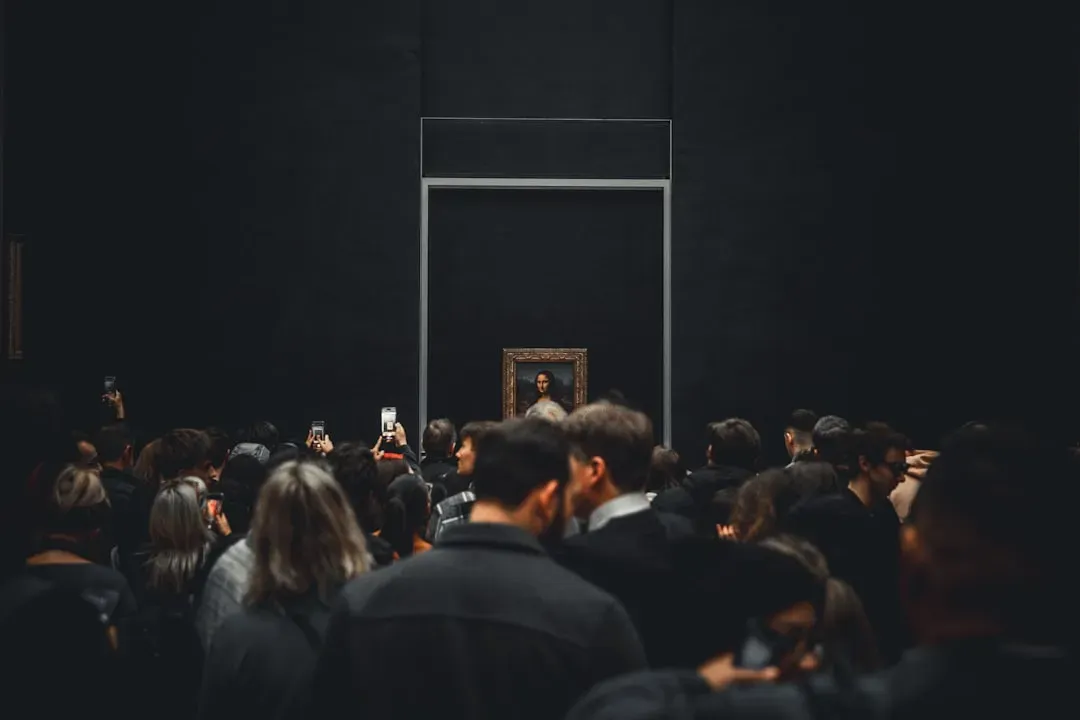
I know it sounds cynical, but our collective agreement about what constitutes a masterpiece actually reinforces its status. Once an artwork enters the canon, it benefits from what psychologists call social proof – we value it partly because we’ve been told it’s valuable. Museums, critics, and institutions create a self-reinforcing cycle.
This doesn’t mean masterpieces are arbitrary choices. Rather, social consensus amplifies works that already possess genuine merit. When the Louvre displays the Mona Lisa behind bulletproof glass, that treatment tells viewers this painting matters. Our brains respond to those cultural cues, priming us to engage more deeply.
However, this phenomenon also explains why some masterpieces take time to achieve recognition. Van Gogh sold almost nothing during his lifetime. Social proof hadn’t yet coalesced around his work, despite its inherent quality.
Complexity and Layers of Meaning
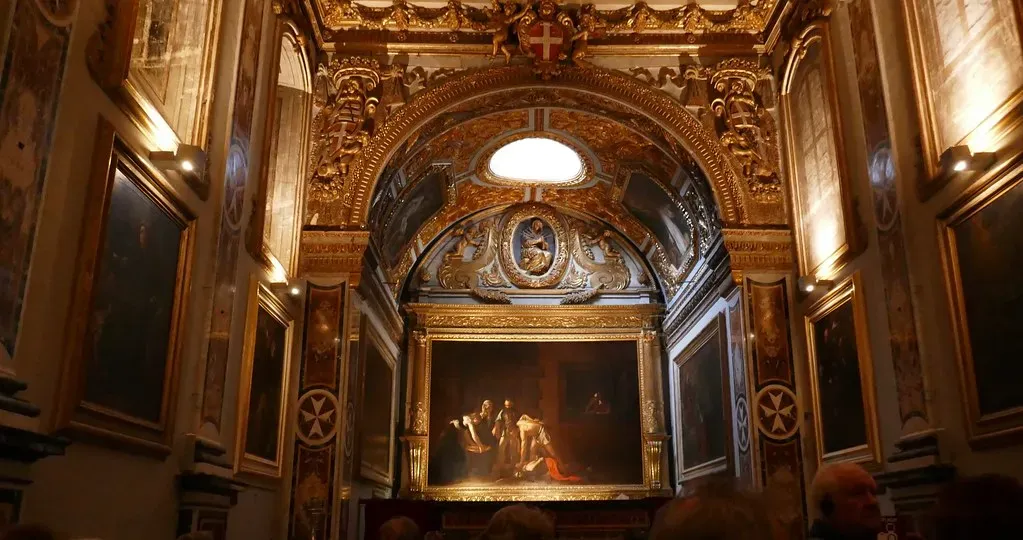
Masterpieces reward repeated viewing or listening in ways that simpler works don’t. They contain layers of meaning that reveal themselves gradually over time. You might appreciate Caravaggio’s use of light and shadow on first glance, but it takes deeper study to understand his revolutionary approach to religious subject matter.
This multi-layered quality keeps masterpieces relevant across different stages of our lives and across different cultural moments. A teenager might connect with one aspect of “The Catcher in the Rye,” while an adult finds entirely different resonances. The work contains enough complexity to offer something to both.
Our brains find this complexity inherently satisfying. Studies in neuroaesthetics show that we prefer art with optimal levels of intricacy – not too simple to bore us, not so complex it overwhelms us. Masterpieces typically hit that sweet spot.
Cultural Mythology and Storytelling

The stories surrounding masterpieces often become inseparable from the works themselves. We remember that Van Gogh cut off his ear, that Mozart composed his Requiem on his deathbed, that Leonardo da Vinci took four years to paint the Mona Lisa. These narratives add romance and drama that captivate our imagination.
Humans are storytelling creatures. We don’t just process information; we construct narratives around it. When an artwork comes packaged with a compelling story about its creation or creator, that narrative becomes part of its appeal. The mythology enhances our appreciation and helps cement the work’s importance in cultural memory.
Sometimes these stories are embellished or even partially false, but their power remains real. They give us an emotional entry point into understanding why a particular work matters.
Conclusion: The Timeless Connection
Masterpieces endure because they speak to something fundamental in human psychology. They combine technical excellence with emotional authenticity, mystery with meaning, and innovation with universal themes. These works survive not through accident or arbitrary cultural gatekeeping, but because they fulfill deep psychological needs for beauty, meaning, and connection.
Understanding why certain artworks stand the test of time doesn’t diminish their magic. It actually deepens our appreciation for how artists tap into universal aspects of human experience. These creators managed to capture something essential about what it means to be alive, to feel, to struggle, and to hope.
Next time you encounter a celebrated masterpiece, consider what makes it resonate with you personally. What do you think makes art truly timeless?