
Walking through the neon-lit streets of Las Vegas, surrounded by cutting-edge technology and modern marvels, it’s easy to think we’re living in completely unprecedented times. We scroll through social media debates, worry about artificial intelligence, and stress over housing costs while assuming our ancestors never dealt with anything quite like this. Here’s the thing though – they absolutely did.
Strip away the smartphones and LED billboards, and you’ll find that humans have been wrestling with remarkably similar challenges for thousands of years. The settings have changed, the tools are different, but the core struggles? Those remain surprisingly constant. Let’s dive into how the ancient world keeps showing us reflections of our modern chaos.
Traffic Nightmares in Ancient Rome
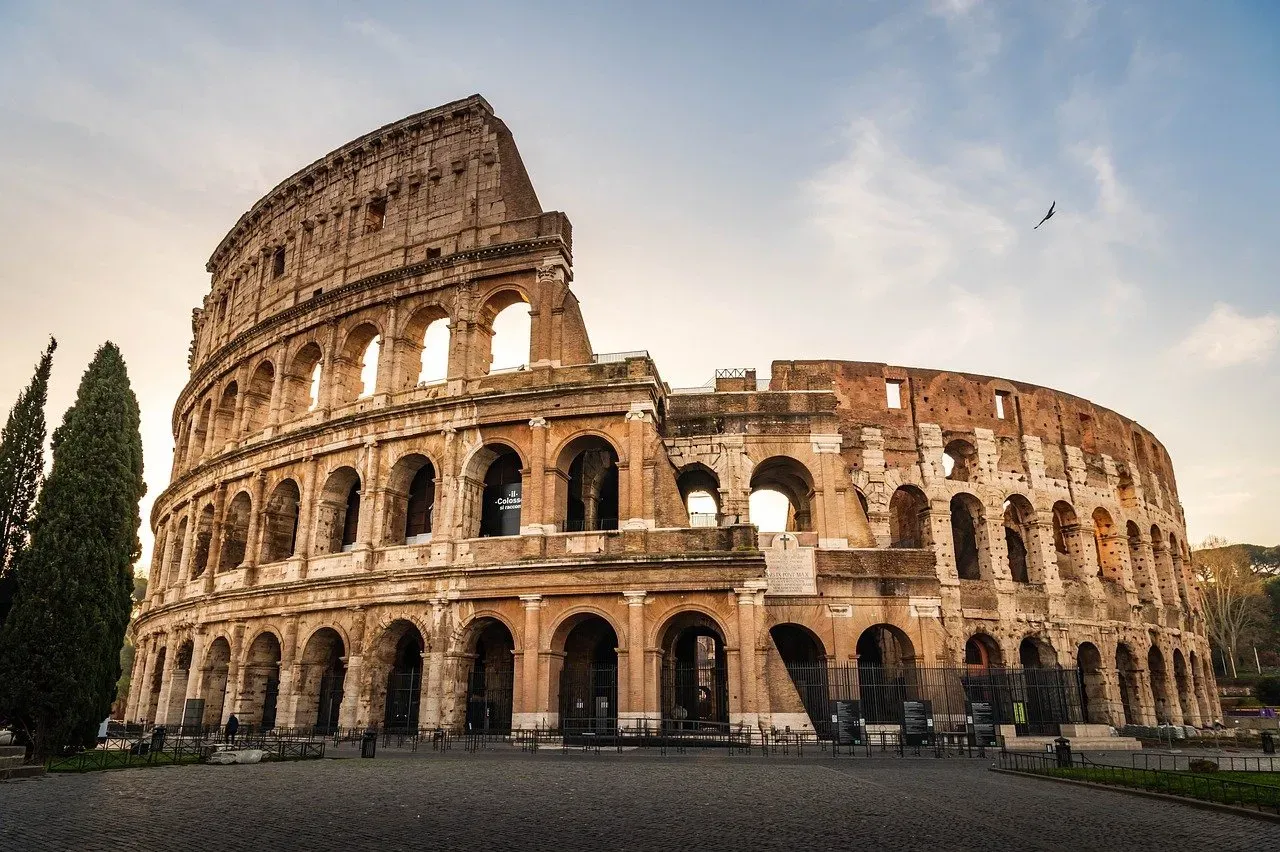
Anyone who’s sat in bumper-to-bumper traffic on the Strip during a major convention knows the frustration of urban gridlock. Turns out, ancient Romans were dealing with the exact same headache over two thousand years ago. Julius Caesar actually banned wheeled vehicles from entering Rome’s city center during daylight hours because the congestion had become unbearable.
The streets were so packed with carts, chariots, and pedestrians that movement ground to a halt. Sound familiar? Romans complained about the noise, the delays, and the impossible parking situations. They even had traffic accidents and road rage incidents documented in ancient texts.
The solution back then was time restrictions and alternative routes, which isn’t all that different from modern carpool lanes and congestion pricing. We’ve just swapped out oxen for Teslas.
Fake News in Ancient Greece
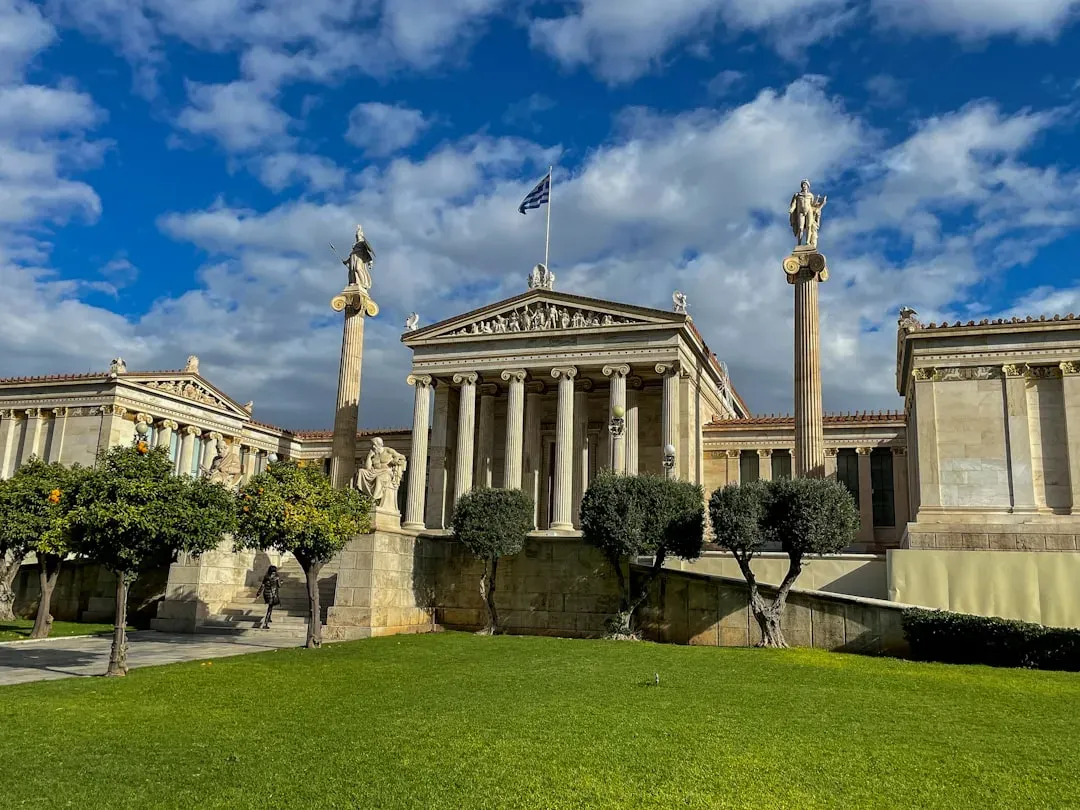
Think misinformation is a twenty-first century problem invented by the internet? The ancient Greeks would laugh at that notion. They dealt with rumors, propaganda, and deliberately false information spreading through their city-states constantly.
Political rivals would plant fake stories about each other in public forums. Military leaders exaggerated enemy numbers to scare populations into compliance. Sophists were literally professional arguers who could make false statements sound true through clever rhetoric.
Socrates spent much of his time trying to combat what we’d now call fake news, questioning everything and encouraging people to think critically. He was essentially an ancient fact-checker, and we all know how that ended for him. The medium has changed from word-of-mouth to Twitter, but the challenge of distinguishing truth from manipulation remains identical.
Housing Crises in Ancient Egypt
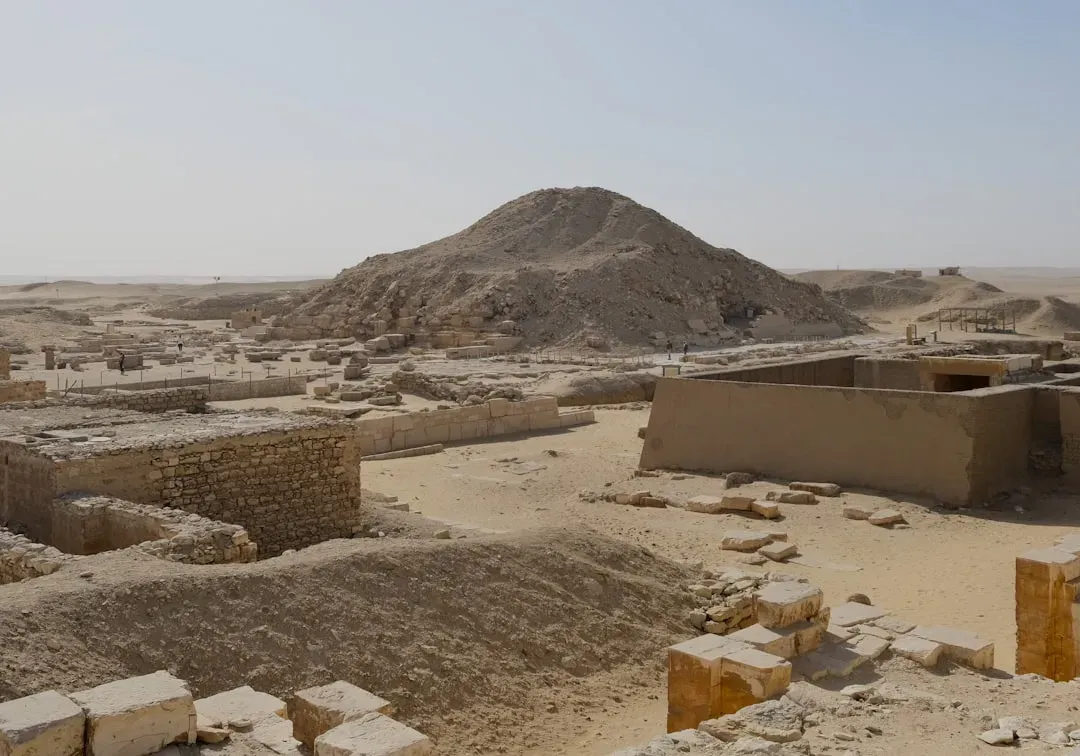
Las Vegas residents know all too well the struggle of affordable housing. Prices skyrocket, wages don’t keep pace, and suddenly ordinary workers can’t afford to live where they work. Ancient Egypt faced this exact crisis during various periods of their long history.
Workers building the pyramids and temples at Deir el-Medina went on strike – possibly the first recorded labor strike in history – because they weren’t receiving proper wages or housing. The cost of basic shelter had become so inflated that skilled craftsmen couldn’t make ends meet. Documents show complaints about landlords, housing shortages, and the impossible dream of homeownership.
Egyptian officials tried rent controls, public housing projects, and wage adjustments. Some worked temporarily, others failed spectacularly. Reading these ancient papyrus records feels eerily like scrolling through modern housing policy debates.
Social Media Drama in Ancient Pompeii
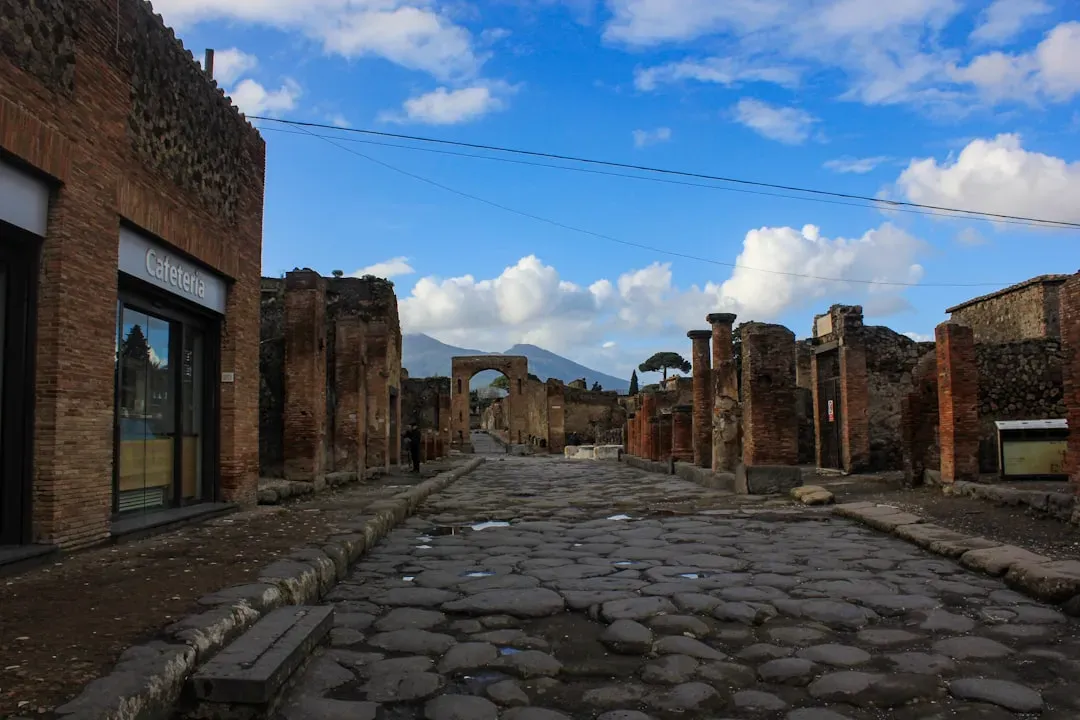
Before Instagram feuds and Twitter beefs, there was graffiti in Pompeii. The preserved walls of this ancient city reveal that Romans were just as petty, dramatic, and obsessed with broadcasting their opinions as we are today.
Archaeologists have found thousands of inscriptions ranging from political endorsements to romantic drama to outright insults. People called out their enemies publicly, bragged about their accomplishments, and left reviews of local businesses. One person literally carved “I’m amazed, O wall, that you have not collapsed and fallen, since you must bear the tedious stupidities of so many scribbles.”
Partner offer
That’s basically an ancient version of complaining about comment sections. The impulse to publicly share every thought, grievance, and opinion isn’t new. We’ve just digitized what humans have always done on whatever surface was available.
Wealth Inequality in Ancient Mesopotamia
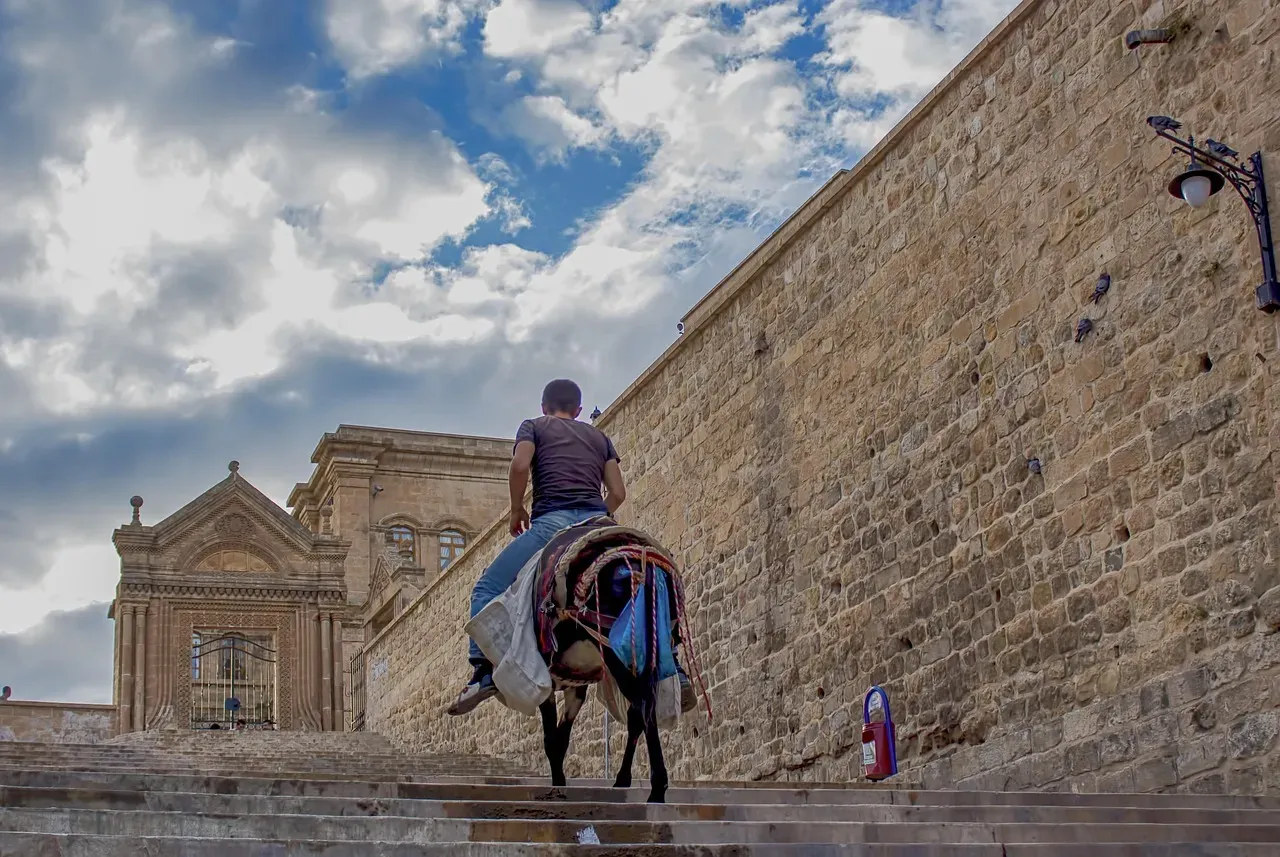
The gap between the ultra-wealthy and everyone else isn’t a modern invention. Ancient Mesopotamia struggled with extreme wealth concentration that would make today’s billionaires look modest.
Temple priests and royal families controlled vast amounts of land and resources while farmers and laborers barely survived. Debt became such a crushing problem that some rulers instituted debt forgiveness decrees just to prevent total economic collapse. King Hammurabi’s famous code included provisions trying to address wealth imbalances and protect the poor from exploitation.
Mesopotamian texts reveal complaints about the rich getting richer, economic mobility disappearing, and the middle class being squeezed out. These concerns date back nearly four thousand years. We’re still having the same arguments about taxation, regulation, and economic justice.
Political Polarization in Ancient Athens
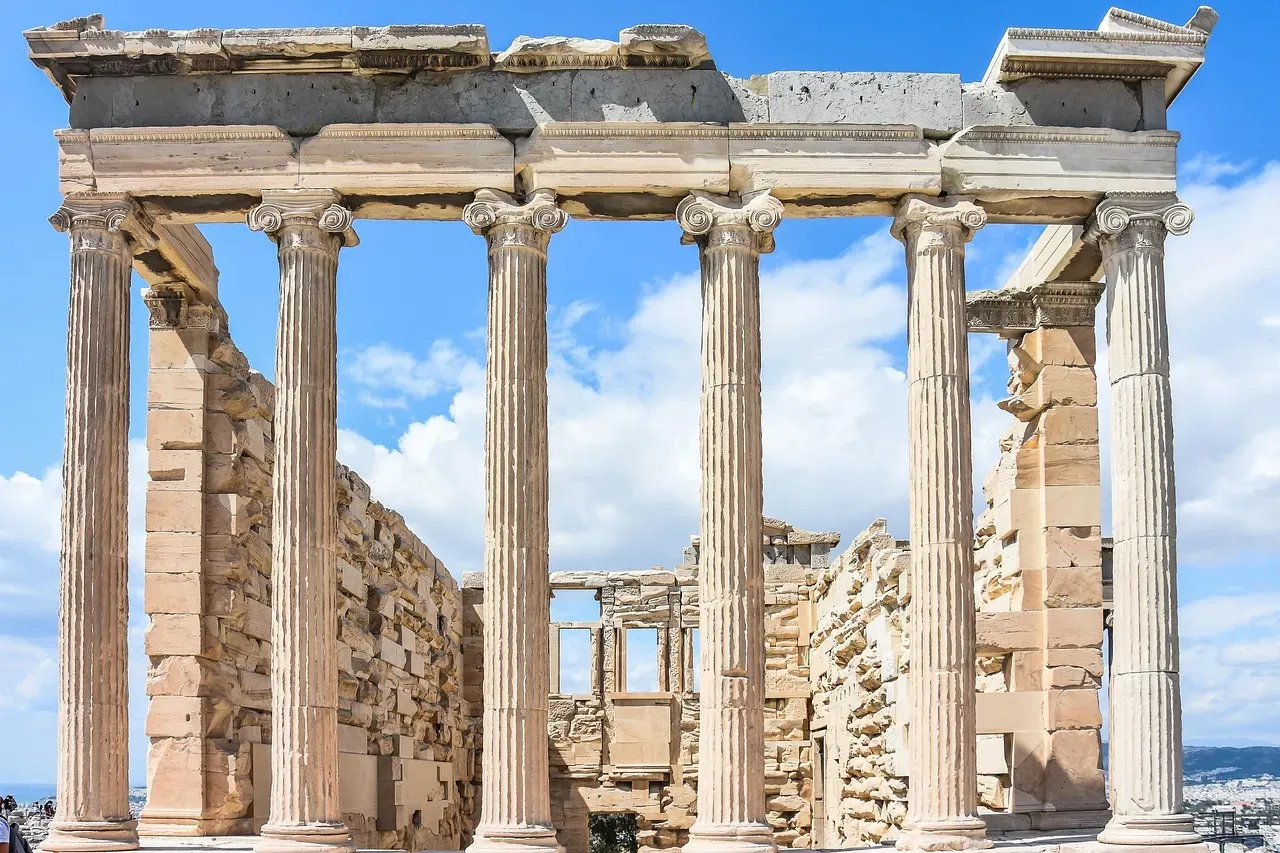
Think American politics are divided now? Ancient Athens literally exiled people through a process called ostracism when political tensions got too intense. Citizens would vote to banish someone from the city for ten years just to reduce conflict.
The Athenian democracy was constantly torn between different factions who couldn’t find common ground. Demagogues manipulated public opinion, extremists on both sides refused compromise, and moderate voices got drowned out. Sound familiar? The democratic experiment in Athens eventually collapsed partly because of this inability to bridge political divides.
We might not physically exile people anymore, but we’ve certainly perfected the art of creating echo chambers and cancel culture. The names have changed, but the tribalism and unwillingness to engage with opposing views? That’s ancient history repeating itself.
Healthcare Debates in Ancient China

Arguments about healthcare access, costs, and quality aren’t new territory. Ancient Chinese dynasties grappled with remarkably similar debates about who deserves medical care and how to pay for it.
The Han Dynasty established government-sponsored medical offices to provide care for the poor, sparking immediate controversy. Critics argued this created dependency and wasted resources. Supporters insisted healthcare was a basic right that government should ensure. Physicians debated whether profit motives compromised medical ethics.
Documents from this era show disputes about medical regulation, pharmaceutical pricing, and whether traditional or newer treatments were better. Replace “traditional Chinese medicine” with “alternative medicine” and these two-thousand-year-old arguments could be copy-pasted into modern comment sections.
Conclusion

Standing in Las Vegas – a city that constantly reinvents itself and chases the future – it’s worth remembering that human nature doesn’t really change. We face the same temptations, make the same mistakes, and struggle with the same dilemmas our ancestors did. The costumes and scenery shift, but the play remains remarkably similar.
Perhaps there’s comfort in knowing we’re not uniquely terrible or specially challenged. Every generation has felt like the world was falling apart, that their problems were unprecedented, that things had never been this complicated before. They were wrong, and so are we. Maybe that perspective could help us approach modern challenges with a bit more humility and a lot more wisdom drawn from thousands of years of human experience. What patterns from the past do you see repeating in your own life? Tell us in the comments.
Partner offer
Planning a trip to Vegas?
Compare hotel rates and show tickets on VEGAS.com.