Walk into any high-limit room on the Las Vegas Strip and you’ll notice something within minutes. Most people there are performing. They’re celebrating small wins, cursing bad beats, scanning the room, or gripping their chips a little too tight. Then there’s a different type entirely, someone sitting very still, watching everything, betraying almost nothing.
The difference isn’t luck. It’s learned behavior, refined over thousands of hours at the table. Researchers studying casino gambling and poker players have found that body language, posture, and emotional control carry real information about a gambler’s experience and strategic thinking. Here’s what those signals actually look like, and what the research says about them.
1. The Neutral Baseline: Deliberate Stillness as a Default State
Seasoned Las Vegas gamblers tend to establish a physical baseline early in a session and stick to it. The key concept here is baseline: before you can trust a physical poker tell, you need to know how a player normally behaves. Professionals understand this from both sides of the table, which is exactly why they cultivate a consistent, unremarkable resting state before any cards hit the felt.
Quite a few players’ posture betrays the nature of their cards. An unconscious change in their sitting position, such as leaning forward, likely indicates a strong hand. With a weak hand, players often show less body tension, for example, having hanging shoulders. A pro’s deliberate evenness of posture across all situations is meant to eliminate exactly that kind of readable shift.
When studying behavior at the poker table, researchers found that the value is only unlocked when you look at behavior on an individual basis. Poker tells are not generic behaviors applicable to everyone. Serious players know this too. Their stillness isn’t blankness; it’s a carefully constructed personal normal.
2. Controlled Hands: The Most Revealing Zone on a Serious Player
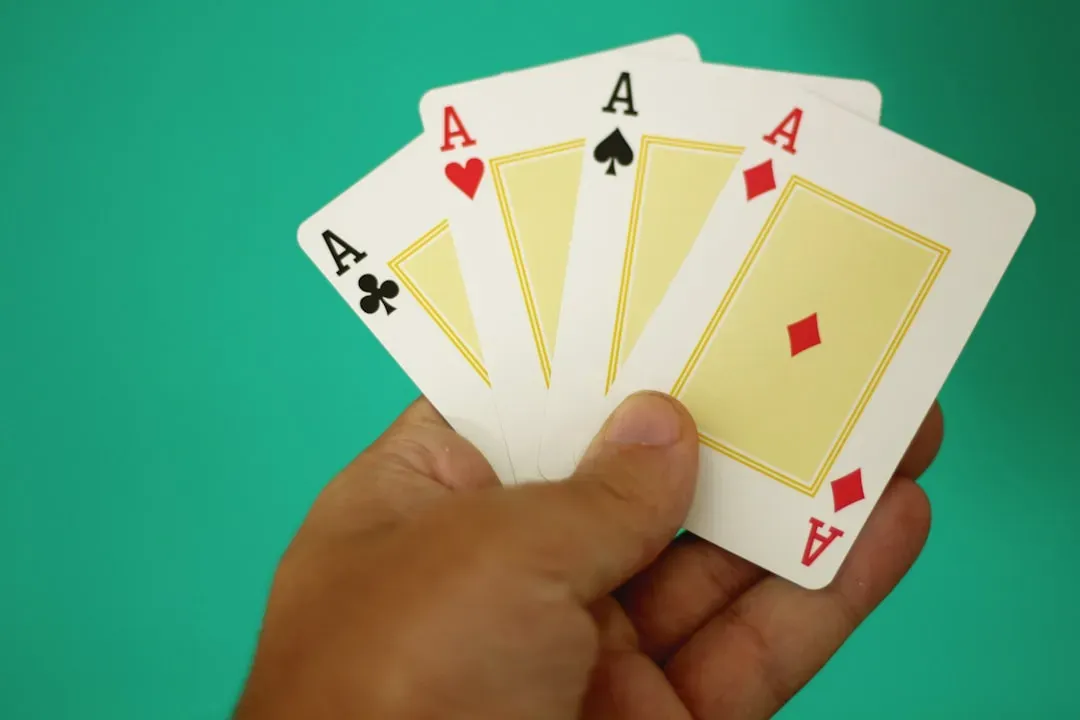
In the Beyond Tells studies, a majority of the poker tells found were a result of paying attention to hands. There are players where just focusing on hands alone and nothing else can provide amazing insight into hand strength. This finding, from what has been described as the largest ongoing behavioral study of poker players, consistently points away from the face and toward the hands.
A team of researchers at Tufts University found that college students are better able to gauge the confidence a poker player has in their hand by watching arm movements versus studying their face. In their paper published in the journal Psychological Science, the team describes three experiments using volunteers and video clips that examined the confidence level of poker players.
Those with better hands were deemed more confident and moved more smoothly than did those with poor hands. The experiments show, the researchers contend, that despite years of work on their poker face, professional poker players have not quashed obvious types of body language that can give away how confident they are with their hands. A serious pro, knowing this, moves chips with the same tempo regardless of what they’re holding. Smooth and unhurried, every single time.
3. The Eyes Stay Quiet: Disciplined Gaze Management
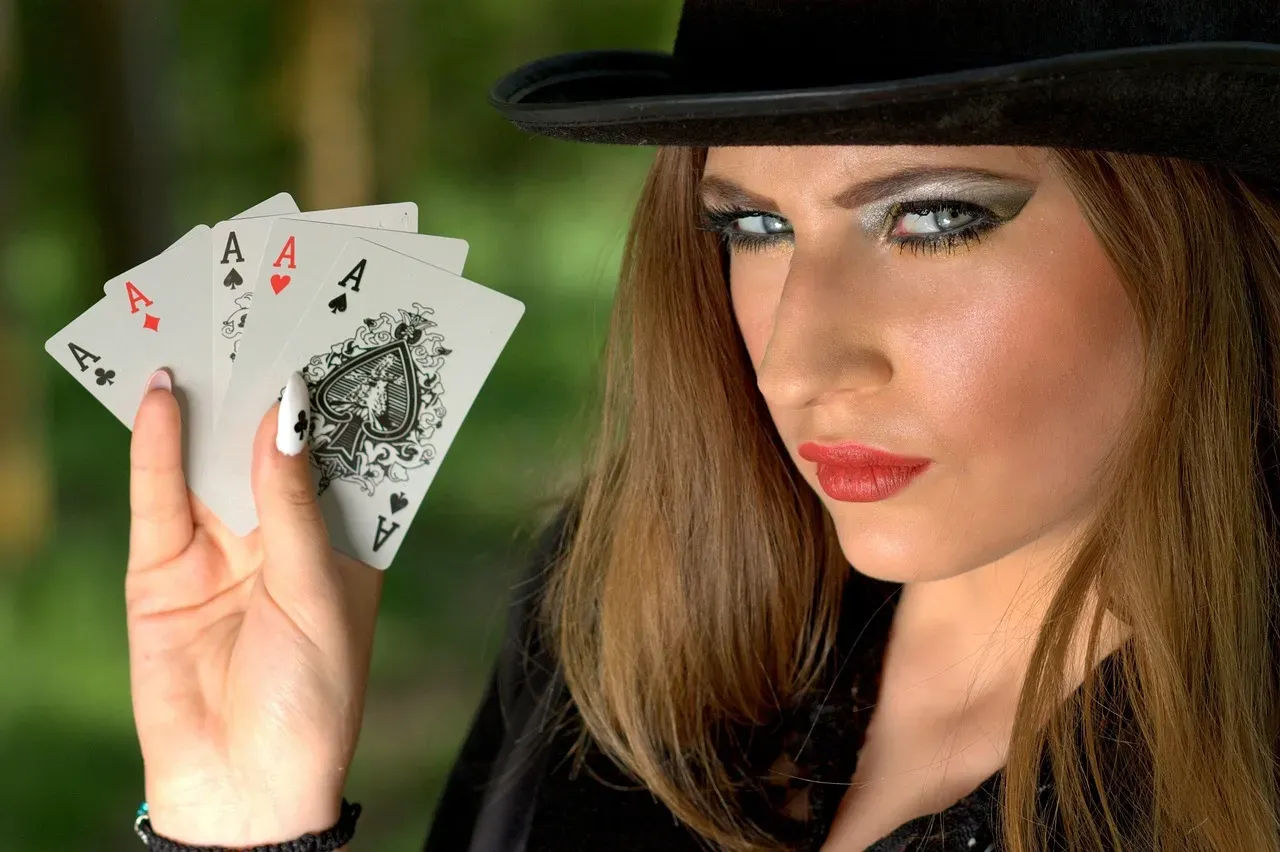
The eyes can give a tremendous amount of information away regarding what an opponent is feeling or thinking. It’s no surprise that many players elect to conceal their eyes with sunglasses. Those who don’t wear sunglasses at the table have typically developed strong gaze discipline instead, something that takes considerably longer to build.
Watching an opponent’s eyes carefully, you’ll often see them make quick glances in particular directions, at the board, at their chip stack, at an opponent’s chip stack. A veteran gambler controls these glances, or at least randomizes them deliberately. The same thing happens when someone immediately looks at their chip stack after seeing a hand. They are already thinking about how much to put in, which usually points to strength. Pros learn to delay or misdirect that reflex entirely.
Noting the way a player manages eye contact is very important when analyzing a table for poker tells. Avoiding eye contact could mean they’re not confident in their hand. Conversely, staring too intently at opponents or the flop might suggest they are trying to intimidate or are overly invested in the outcome. The professional reads these signals in others while making their own gaze purposefully unremarkable.
4. Chip Handling: How They Stack, Bet, and Touch Their Money
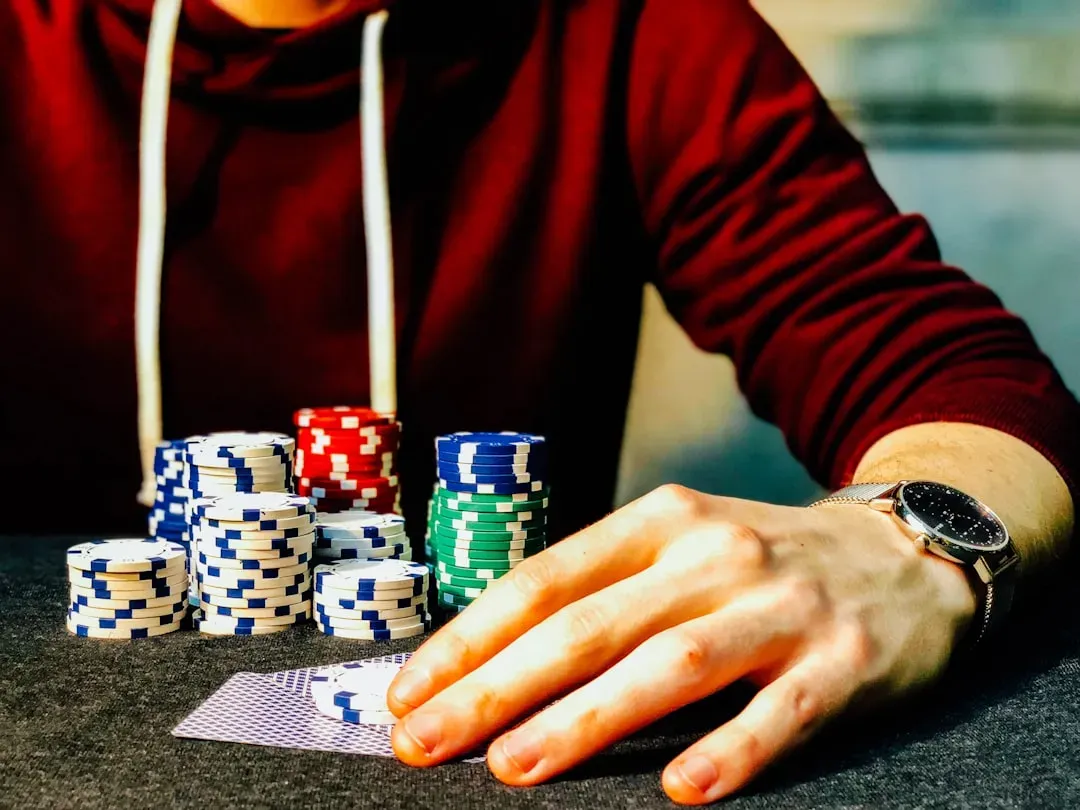
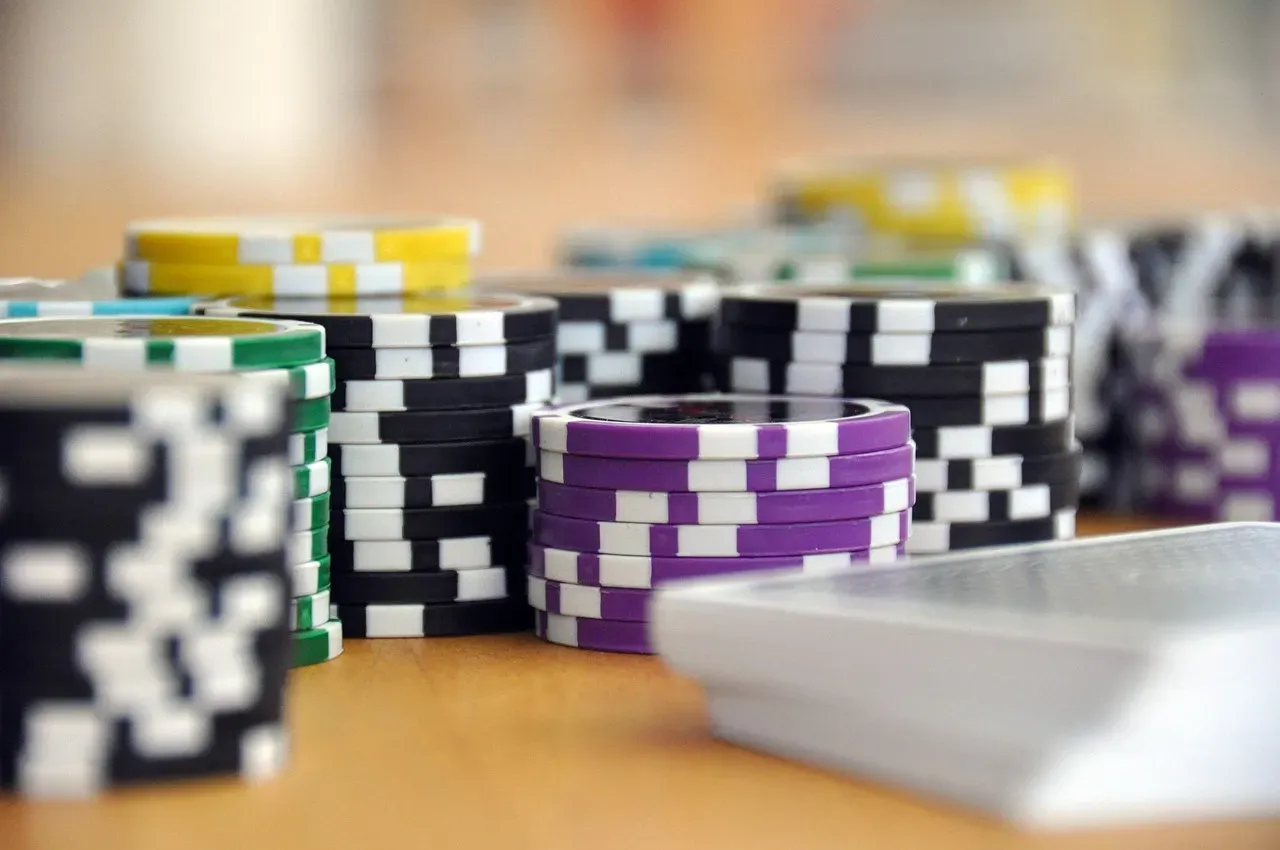
The way a player stacks chips may be of note. If they carefully sort them, you are usually facing a conservative player who doesn’t make crazy plays. If the chips are unorganized, he more likely varies his play and is not afraid to take risks. Serious gamblers in Las Vegas tend to be meticulous stackers, not because they’re obsessive, but because consistent chip management is part of their controlled physical presentation.
One of the more reliable live poker tells is quiet betting, whereby a player who meekly places chips into the pot without drama often has a real hand and does not feel the need to sell the story. Weakness usually looks more performative. A player who throws chips in hard or makes a dramatic betting motion is often trying to project confidence.
The manner in which a player bets or handles their chips can offer clues about their hand. For instance, forcefully throwing chips into the pot might be a sign of bluffing, with the player attempting to appear confident. A careful and calculated placement of chips, however, might indicate a strong hand. Professionals develop a single, neutral chip-placing motion and repeat it mechanically regardless of hand strength.
5. Emotional Regulation: The Science Behind a Flat Reaction
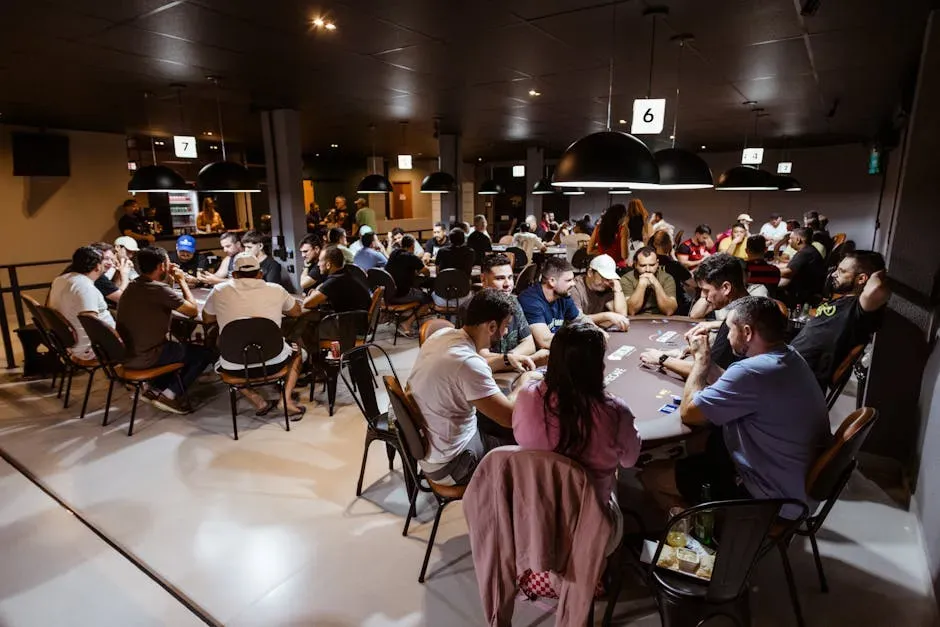
Research indicates that successful long-term bettors typically develop strategies to maintain emotional distance from their betting decisions. This isn’t just strategic folklore. It’s backed by behavioral science, and it shows up in measurable ways at the table, specifically in how little visible reaction a serious gambler produces after a win or a loss.
Online poker gambling involves various executive control processes and emotion regulation. At live Las Vegas tables, that same cognitive demand plays out physically. Great poker games can often be a rollercoaster ride of emotional highs and lows, therefore hiding reactions and emotions from fellow players can be an important ingredient for success.
Research showed a significant inverse relation between self-control scores and problem gambling scores, such that self-control scores decreased as problem gambling scores increased. These results suggest that self-control strength is inversely associated with problem gambling severity, such that higher-risk gamblers have relatively lower self-control than low-risk and non-problem gamblers. In practice, the calmest person at the table is often the most dangerous one.
6. Breathing Patterns: The Tell Nobody Talks About
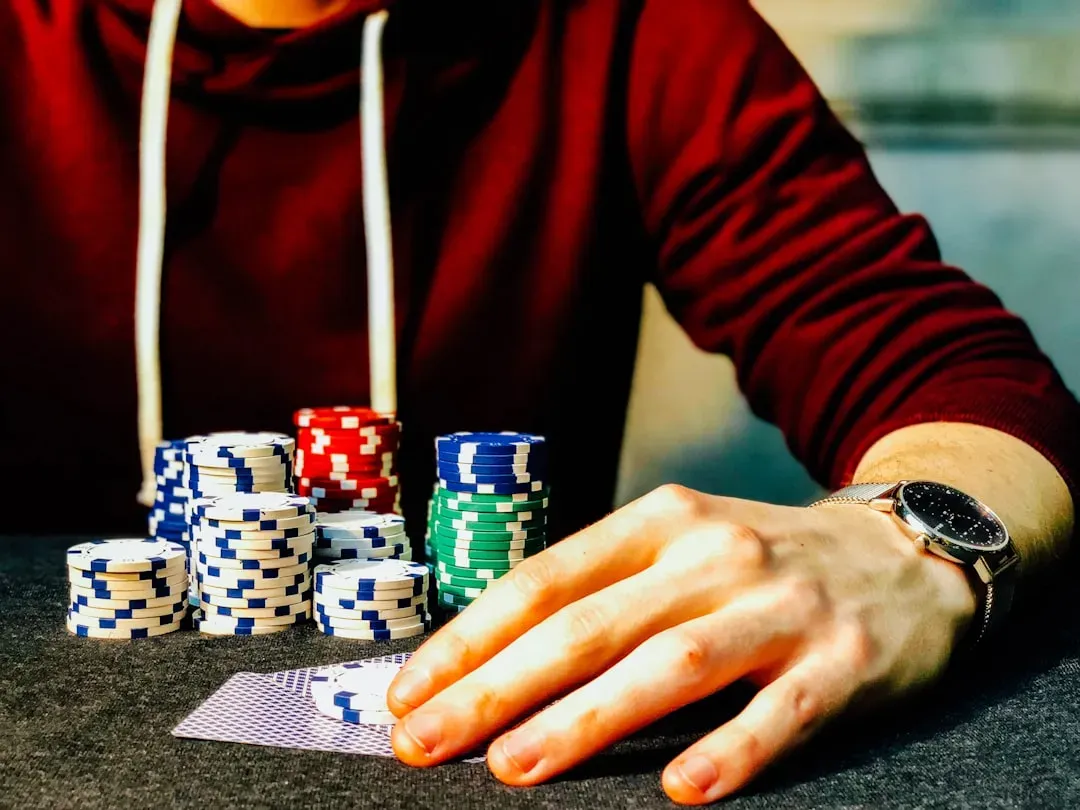
A player’s breathing pattern can be a very meaningful tell. Breathing changes are almost never intentional. The closer you are to the player, the better this tell will work for you. Shallow breathing, or an attempt to avoid breathing loudly, is a sign of a weak hand.
Professionals who have spent significant time at Las Vegas tables develop an awareness of this and work to keep their breathing slow and even across all phases of play. It’s a discipline that overlaps with stress management practices far outside of gambling, and it’s one of the subtler things that separates someone who has genuinely internalized calmness from someone merely performing it.
Bluffers will try everything to appear as normal as possible. The reason for this is known as the “calling-reflex.” Controlled breathing is one of the few physical dimensions that’s genuinely hard to fake under pressure. A pro’s even respiratory rhythm is a product of real psychological stability, not theater.
7. Micro-Expressions: What the Face Leaks Without Permission
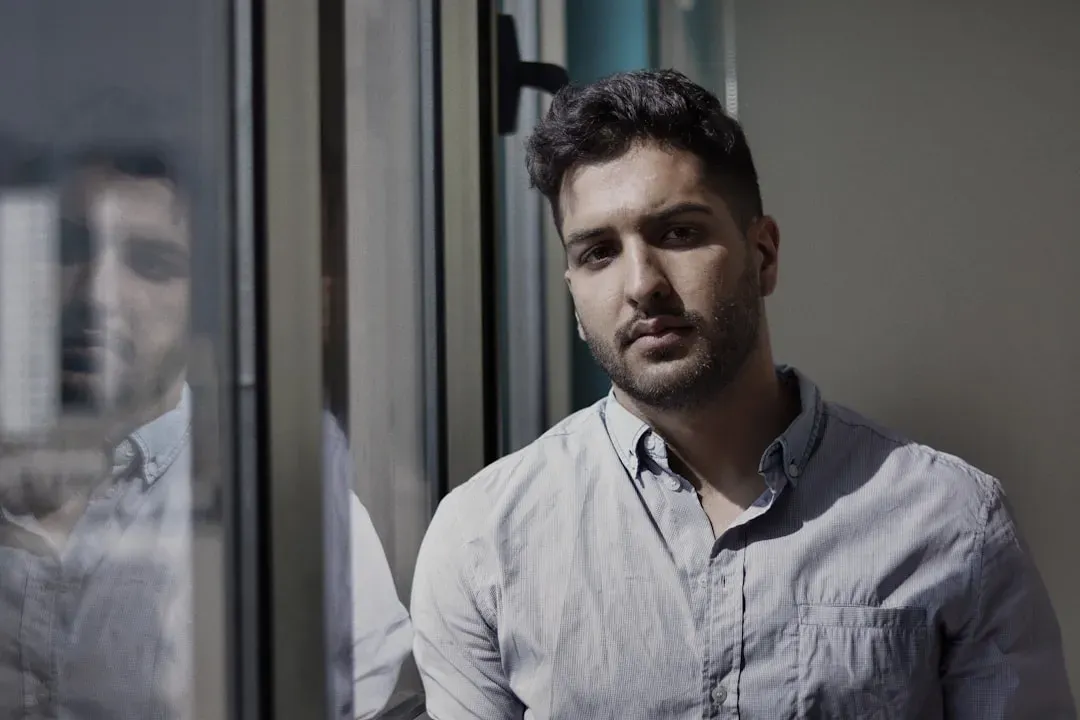
It takes a lot of skill to conceal thoughts and feelings leaking through the face. Sometimes true feelings are displayed for a fraction of a second before someone gets them under control. These can be referred to as micro-expressions or “twitches.” These small movements are easy to miss but carry large amounts of information when spotted.
Researchers discovered that a significant majority of players exhibited consistent microexpressions when bluffing. Another study in 2019 corroborated these findings, noting particular microexpressions associated with specific hands. Serious Las Vegas players train themselves to recognize these flickers in others while working to compress their own facial feedback loop.
A poker face involves controlling facial muscles, body language, and even breathing patterns. That’s a fairly complete physical system to manage simultaneously. The players who do it well in Vegas have usually been doing it long enough that much of it has become automatic rather than consciously effortful.
8. Postural Shifts as Information: What Moving Tells the Table
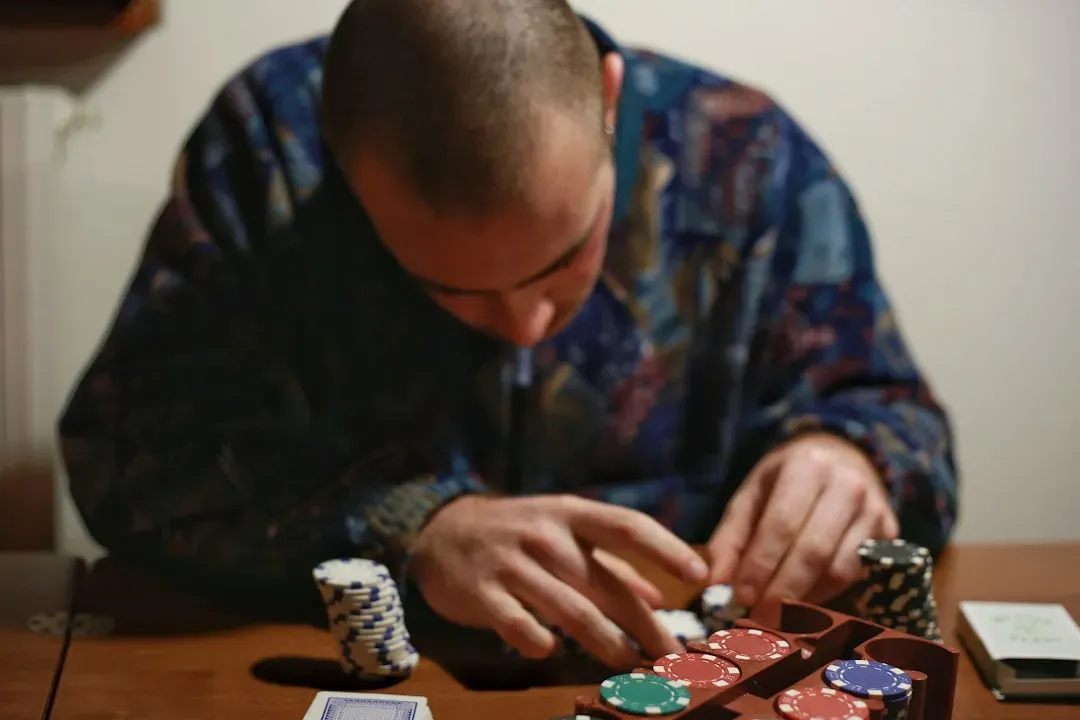
When players suddenly straighten up or go quiet after checking their hole cards, they often like what they see. Their bodies react before they can fully control that response. This automatic physical response to information is one of the hardest things for even experienced gamblers to eliminate entirely.
Imagine a guy who is very laid back, leaning back, chatting to bar staff while ordering drinks. Suddenly he hunches forward, intently focused on a hand. What caused that sudden change in demeanour? Villain probably just picked up a monster. The professional, by contrast, keeps their forward lean, their lean-back, and their general alertness level consistent throughout.
This kind of behavioral constancy is something the largest ongoing behavioral study of poker players has tracked extensively, using video analysis to identify exactly when and how posture shifts correlate with decision-making. The findings reinforce what veteran players already know: the body speaks before the brain can stop it, unless the player has genuinely internalized control.
9. Betting Rhythm: The Tempo That Reveals Comfort Level
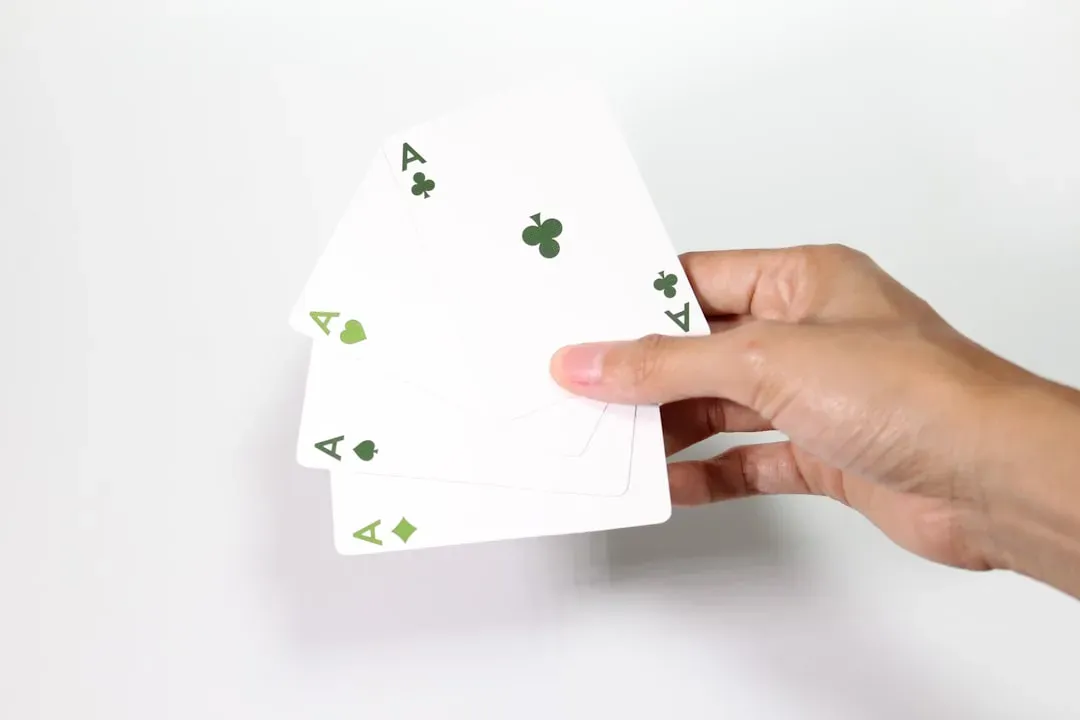
Betting patterns are the most reliable way to read opponents in poker. Things like how a player sizes their bets, how long they take to act, and how they respond to aggression tend to repeat over time. For example, a player who consistently bets small with weak hands and large with strong ones is giving away clear information.
How long it takes a player to make a move can be revealing. A quick decision can suggest a very strong or very weak hand, while taking too long might indicate a player is calculating odds or trying to decide on the best course of action with a marginal hand. A serious gambler deliberately varies timing to prevent this pattern from being read.
Serious players measure their results in terms of expected value (EV). The distinction between that and outcome thinking will have a major impact on your psyche. Results should be measured by the amount of extracted EV, not by dollars won or lost. That kind of process-based thinking tends to produce a decision rhythm that’s noticeably steady, because the emotional stakes of any individual hand are lower when the player is genuinely focused on long-term edge rather than short-term outcomes.
10. The Overall Demeanor: Reading the Whole Person, Not Just the Moment
In poker, reading the opponent’s nonverbal communication is one of the most engaging aspects that can contribute to the success of the game. Serious Las Vegas gamblers understand this applies to them as much as to anyone else at the table. Their overall physical presentation, from how they sit down to how they leave, is curated in ways that reveal very little.
Body language is an eloquent communicator, often speaking more truthfully than words. A study conducted with 200 poker players revealed that the vast majority exhibited detectable body language tells, such as nervous twitches or repeated patterns. Other research has focused on identifying particular postures and movements that correlate with specific hands or strategies. The scientific analysis of body language in poker is a multifaceted discipline, involving everything from muscle control and nerve responses to psychological triggers.
A 2020 study involving professional players found that a holistic approach to reading tells, combining different cues, improved accuracy by a notable margin. This integrated approach is gaining traction in professional circles, signaling a significant shift in the understanding and utilization of tells in poker. The true professional knows this and builds their physical presence accordingly. Every single element, posture, gaze, chip handling, breathing, micro-expression, and timing, is treated as part of a single coherent message they choose to send: nothing.
Conclusion
Quiet confidence at a Las Vegas table isn’t performance art. It’s the result of deliberate study, extended self-awareness, and a genuine shift in how a player relates to outcomes. The research on nonverbal behavior, emotional regulation, and betting psychology consistently points to the same conclusion: control is learned, not innate.
What separates a serious gambler from a tourist isn’t just knowledge of the game. It’s a cultivated physical intelligence that turns their body into a neutral instrument rather than an open book. The most dangerous player in the room is often the one you’ve barely noticed.