Hollywood has a short memory. One season you’re at the podium, holding a gold statuette and giving a tearful speech to a room full of the most powerful people in the industry. A few years later, your agent stops returning calls and your name barely registers at casting meetings. It happens more often than the industry likes to admit. The so-called “Oscar curse” isn’t always a myth. There are plenty of cases where actors, instead of securing a better future, suffered from exactly this kind of curse – one that made their careers decline rather than rise. Sometimes it’s because expectations became impossibly high after winning the statuette. Other times, it’s due to poor decisions, or the fear of being pigeonholed in an award-winning role. Whatever the cause, the pattern appears across decades and genres, and it’s worth looking at honestly.
Cuba Gooding Jr. – The Loudest Cheer, The Quietest Exit
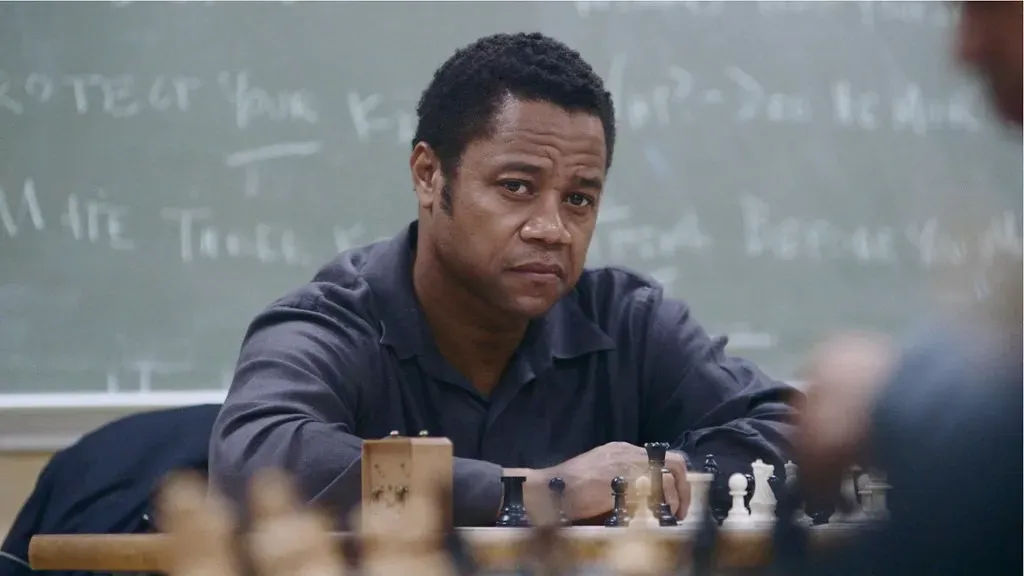
After earning a Best Supporting Actor Oscar for Jerry Maguire, it appeared like Gooding had nowhere to go but up. He became a household name overnight, but the next chapter didn’t deliver the kind of major, must-see roles that usually follow that kind of win. The post-Oscar years turned into an uneven run where the projects rarely matched the charisma that won him the award in the first place.
In the late 2010s and early 2020s, Gooding faced multiple sexual-misconduct allegations and legal trouble, which shifted the conversation around him overnight. He kept working, but mostly in smaller films where the marketing doesn’t hinge on his name. That’s how an Oscar-winning star becomes “forgotten” without actually disappearing.
Halle Berry – A Historic Win That Led Nowhere New
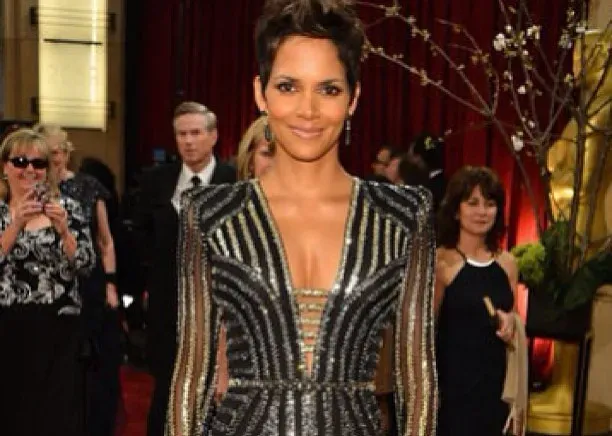
In 2002, Halle Berry became the first Black woman to win Best Actress for her raw, stripped-down performance in Monster’s Ball. Following her landmark win, Berry’s career failed to maintain an upward projection, as the actor appeared in several high-profile films that were not received well.
Systemic issues in Hollywood, from racism to sexism, as well as Berry’s rather poor choice of post-Oscar projects, have all contributed to the actress still not having had the comeback that her talent most definitely merits. She has starred in several great films since 2001, but also quite a few bad ones, including her lackluster directing debut, 2021’s Bruised.
Adrien Brody – The Youngest, Then the Most Forgotten
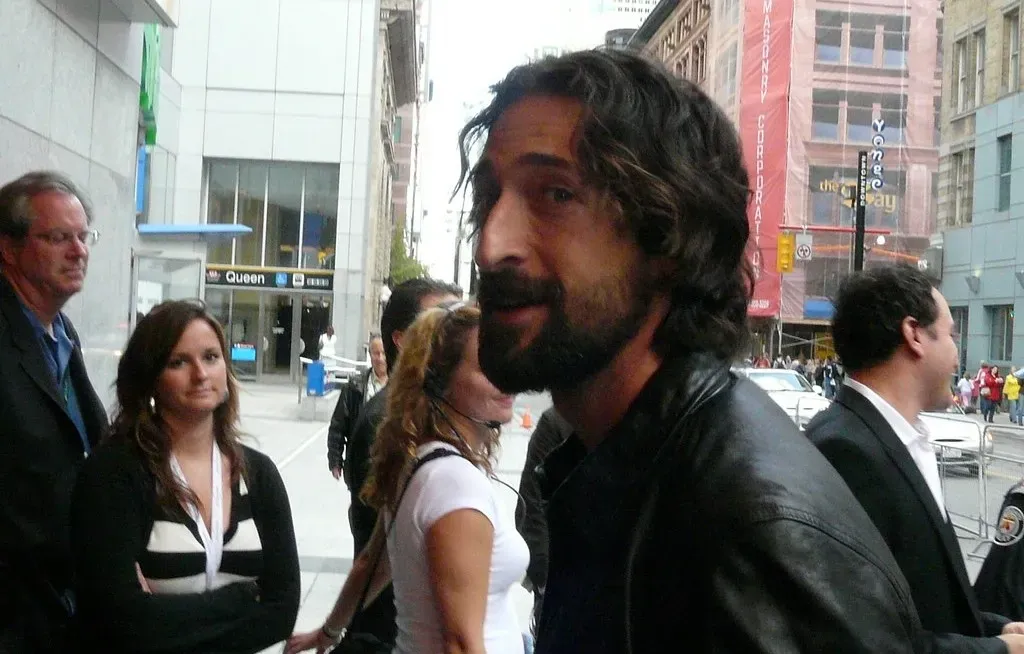
Adrien Brody was just a year shy of turning 30 when he took home Oscar gold and became the youngest person to win the trophy for Best Actor. Brody famously went method for his stellar performance in Roman Polanski’s Holocaust drama The Pianist. That Best Actor win made him instantly legendary, and not just because The Pianist demanded everything from him – it also set expectations that were almost impossible to satisfy. Hollywood loves the idea of a “next great leading man,” but the roles that followed didn’t line up into a neat, dominant streak.
Since his Oscar win, Brody predominantly appeared in a multitude of low-budget, straight-to-DVD productions that largely flew under the radar. Despite his continued work in the industry, Brody had yet to find a project that could catapult him back to the level of recognition and acclaim he received for The Pianist. It’s worth noting that Brody did win a second Best Actor Oscar for The Brutalist in 2024, a remarkable late-career redemption that many had stopped expecting.
Mo’Nique – Punished for Principle
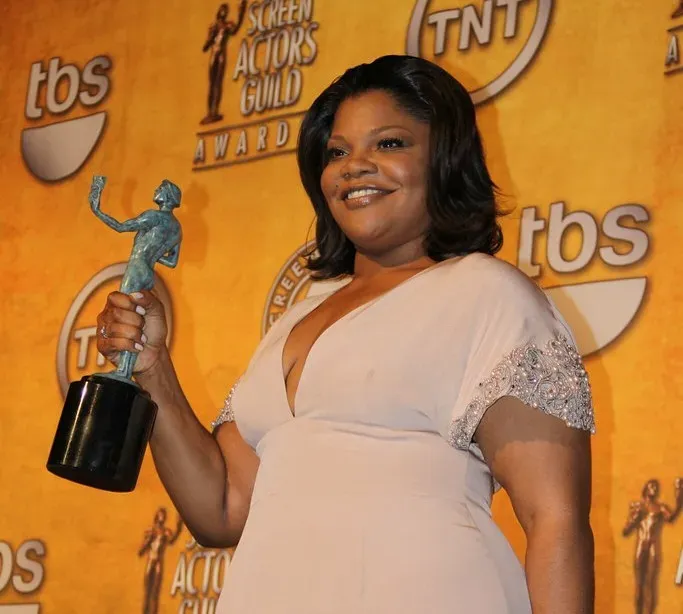
In 2009, Mo’Nique wowed critics with her role as Mary Lee Johnston in the dramatic film Precious, for which she won an Oscar for Best Supporting Actress. However, this recognition was, to some extent, tarnished: by that time, she had several arguments with the film’s director, Lee Daniels, and producers Tyler Perry and Oprah Winfrey, due to her contractual obligations regarding the film’s promotion.
She vehemently refused to embark on the traditional campaign trail during Precious’ awards run. She said “no” to the powers that be, and in Hollywood, that’s career suicide. She starred in very few projects since her Oscar victory, which is simply a shame, because her role in Precious proved that she had the makings of a legendary star. Instead of focusing solely on acting, Mo’Nique remained true to her comedic roots, and in 2023 released a Netflix special, My Name is Mo’Nique.
Mira Sorvino – A Career Erased by Power

In 1996, Sorvino won a Best Supporting Actress Academy Award for her role as Linda Ash in the Woody Allen movie Mighty Aphrodite. During a panel discussion at 90s Con, Sorvino remembered soaring in popularity after winning the Oscar. She stated that for a time she had wonderful offers, and then her career was stifled by Harvey Weinstein. She stopped doing major studio movies after 1998.
As the actress told Sophia Bush, she didn’t work on a studio movie for two decades after rejecting Weinstein’s sexual advances for the third time. “I was blacklisted for 20 years,” Sorvino stated. Lord of the Rings director Peter Jackson came out and said that Weinstein blacklisted Mira Sorvino and Ashley Judd. During the casting stages of LOTR, Jackson told Weinstein he was interested in casting the two actresses, but was told that they were “a nightmare to work with” and should be avoided “at all costs.”
Roberto Benigni – The International Darling Who Never Crossed Over
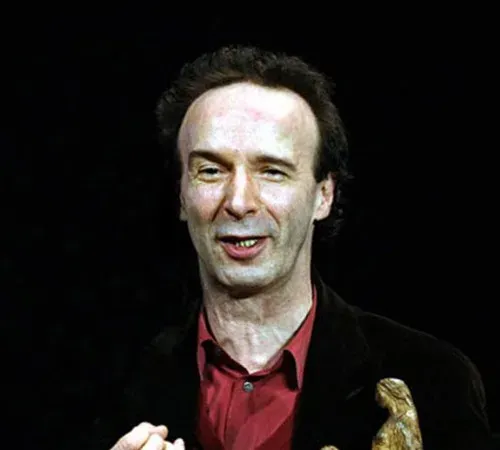
It’s hard to overstate how massive the international breakthrough was – Roberto Benigni wasn’t just celebrated, he was embraced as a once-in-a-generation screen presence. Then the afterglow faded faster than expected, especially in Hollywood terms. After Life Is Beautiful brought him global acclaim, his next films, most notably his Pinocchio adaptation, were commercial and critical misfires. His later roles barely made a ripple.
Partner offer
Those kinds of limitations are precisely what impacted the career of Italian star Roberto Benigni, whose Hollywood crossover didn’t take off after his Oscar-winning role in 1997’s Life Is Beautiful. The language barrier was real, the expectation was enormous, and neither Hollywood nor Benigni himself could quite figure out what came next. It remains one of the more poignant fades in Oscar history.
Jean Dujardin – First French Best Actor, Last Hollywood Role
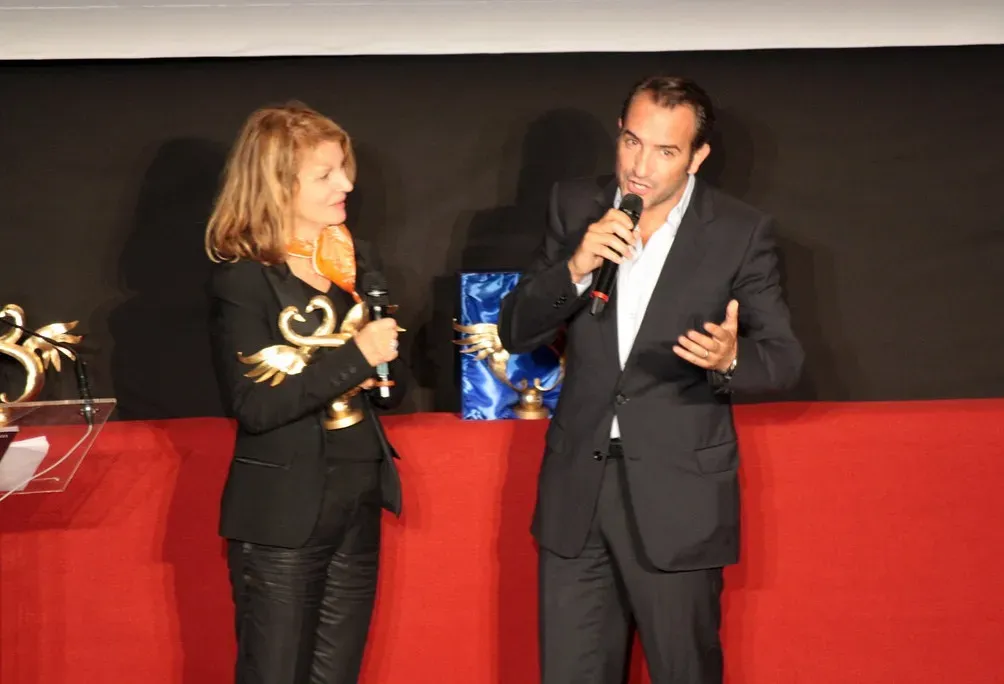
Dujardin garnered international fame and widespread acclaim with his performance of George Valentin in the 2011 award-winning silent film The Artist. The role won him numerous awards, including the Academy Award for Best Actor, the first for a French actor, along with the Golden Globe, BAFTA, and Screen Actors Guild Award.
From The Artist and The Wolf of Wall Street, his evolution in the industry made people think he would be a new star in the US for the rest of his life. But that did not happen – while everybody imagined him moving to Los Angeles after his first Oscar, he decided to stay in France and continue his career in the French industry. After his silent-film triumph, Hollywood roles proved elusive. His accent limited him, and his only other notable U.S. appearances were supporting parts in underperforming films.
Kim Basinger – One Great Role, Then Silence
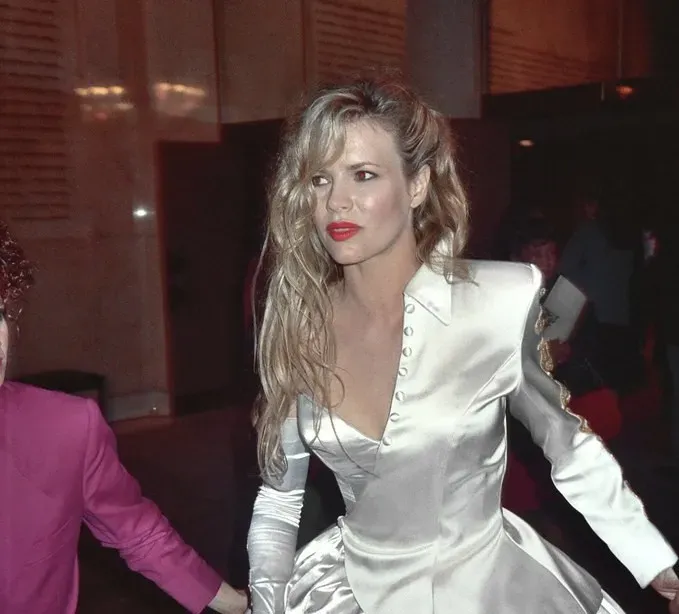
Kim Basinger rose to fame as one of the biggest Hollywood stars in the late ’80s and early ’90s, captivating audiences in blockbuster films such as Batman and Wayne’s World 2. However, it was her role in the 1997 film L.A. Confidential that truly solidified her stardom and earned her an Oscar for Best Supporting Actress.
In 2002, Basinger made a modest comeback with a role in the critically acclaimed film 8 Mile. However, after this, she once again faded into obscurity, primarily taking on smaller roles in lesser-known movies and a string of VOD productions. Basinger’s career trajectory serves as a cautionary tale of the fickleness of fame in Hollywood.
Hilary Swank – Two Oscars, Half a Career
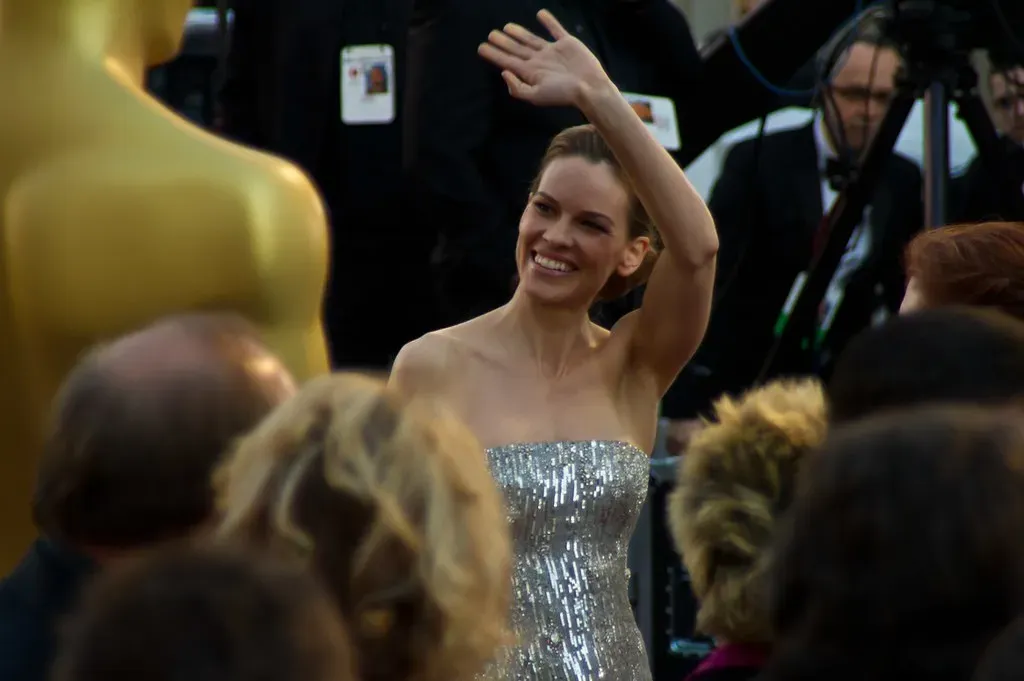
Two Oscars made Swank a symbol of raw, full-body commitment, the kind that leaves a mark on the whole decade. The performances that launched her into the top tier, Boys Don’t Cry and Million Dollar Baby, weren’t just “good” – they were the sort of roles that rewrite how people talk about an actor.
After that, Hilary Swank never really fit the franchise era Hollywood slid into, and the parts that came her way haven’t always matched her intensity or star power. She stayed active, especially in smaller films and television, but the industry hasn’t consistently built big, buzzy vehicles around her name. That’s how someone can remain respected and working, yet still feel oddly absent from the center of Hollywood conversation.
F. Murray Abraham – Too Good for His Own Good
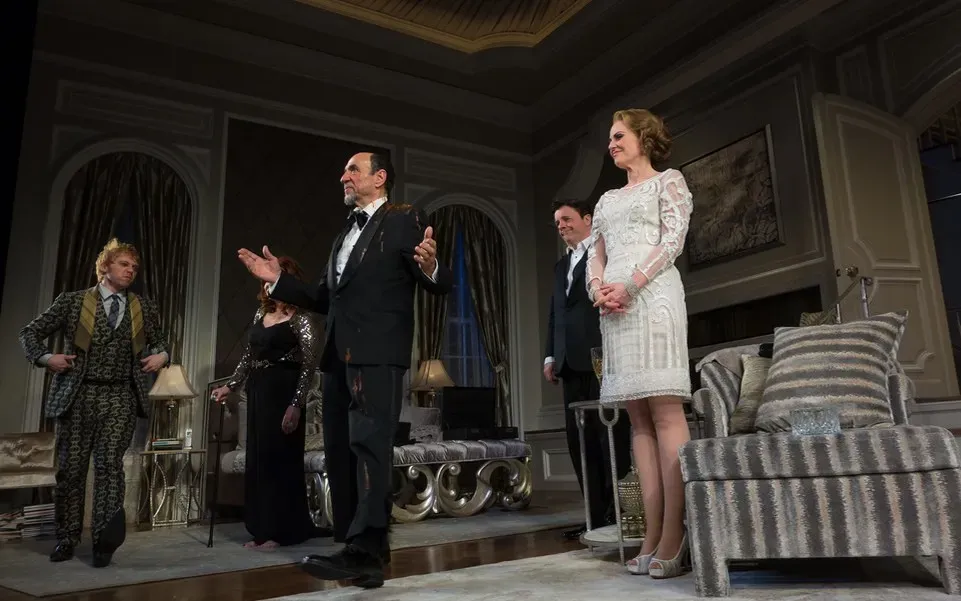
Amadeus is one of the most perfectly written movies of all time, a unique period biopic. Both Tom Hulce and F. Murray Abraham were nominated for the 1985 Best Actor Oscar, but it was the latter who deservedly ended up coming out on top. Winning an Oscar for it, however, ended up proving the worst possible outcome for Abraham.
The actor himself has admitted that he became full of himself after his win, so he became notoriously difficult to work with. It’s a rare and almost refreshing form of candor from someone who watched their own career suffer in real time. Abraham kept working through the decades in smaller character parts, but the leading-man trajectory that Amadeus seemed to promise never materialized. The gap between what the win suggested and what actually followed is striking even now.
Conclusion
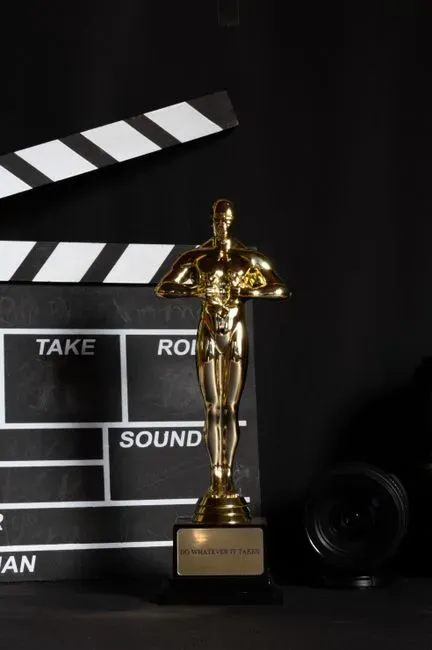
The Oscar statuette is a curious object. It signals achievement, but it guarantees nothing. There have been instances where an actor’s career has taken a downturn or even completely faltered following an Oscar win. Despite the initial acclaim and recognition, some actors have struggled to find roles that match the caliber of their award-winning performances, leading to a decline in their professional trajectory.
Some of these falls were caused by bad luck, some by bad choices, and some by powerful people who made choices on their behalf. Industry politics, language barriers, systemic bias, and the simple randomness of casting all play a role. From groundbreaking performers who were sidelined by Hollywood politics to rising stars who simply couldn’t replicate their early success, these actors prove that even the industry’s most prestigious prize doesn’t always guarantee a thriving career. The gold fades. The spotlight moves. And sometimes, a brilliant performance turns out to be a peak rather than a beginning.
Partner offer
Planning a trip to Vegas?
Compare hotel rates and show tickets on VEGAS.com.