Hollywood loves to announce things. Sequels get teased at press junkets, hinted at in post-credit scenes, and locked into release calendars years before a script even exists. Yet somewhere between the press release and the premiere, a surprising number of these projects just disappear, with no dramatic press conference, no official obituary, just silence. Looking back at what actually happened to eight of these vanished sequels tells you a lot about how fragile even the biggest franchise promises can be.
Wonder Woman 3 sat waiting for a green light that never came

Patty Jenkins and Gal Gadot were both set to return for a third Wonder Woman film, and for a while it looked like a formality rather than a question. Wonder Woman 3 was reportedly no longer moving forward at DC Studios, with Patty Jenkins, who directed the first two installments, having been set to return alongside star Gal Gadot for the third entry. The film had been treated as a near certainty inside Warner Bros for years.
What actually killed it was a change in leadership rather than a change of heart from the filmmakers. The cancellation was attributed to the sequel not aligning with the new blueprint being set by co-chairs of DC Studios, James Gunn and Peter Safran. According to reporting at the time, the director’s vision for the third Wonder Woman movie didn’t fit with Gunn and Safran’s vision for the DC Universe. It wasn’t a flop that ended the project. It was simply new bosses wanting a clean slate.
The Flash’s box office collapse buried its own sequel
Before The Flash even opened in theaters, Warner Bros had already commissioned a script for a follow-up. In October 2022, it was reported that a sequel script to The Flash had already been written by David Leslie Johnson-McGoldrick, who previously wrote Aquaman, in case the film was successful. That insurance policy turned out to be necessary, just not in the way anyone hoped.
The film’s theatrical run turned into one of the costliest disappointments in superhero movie history. The Flash grossed $269 million worldwide on a reported budget of $200 million, making it a disastrous box office flop. The film’s box office failure meant that a potential sequel would not happen, leaving the character’s future in the new DC Universe uncertain. With Gunn’s rebooted DC slate already underway, there was simply no room left for a sequel to a movie that had lost the studio so much money.
Fantastic Beasts 4 and 5 are stuck in Wizarding World limbo
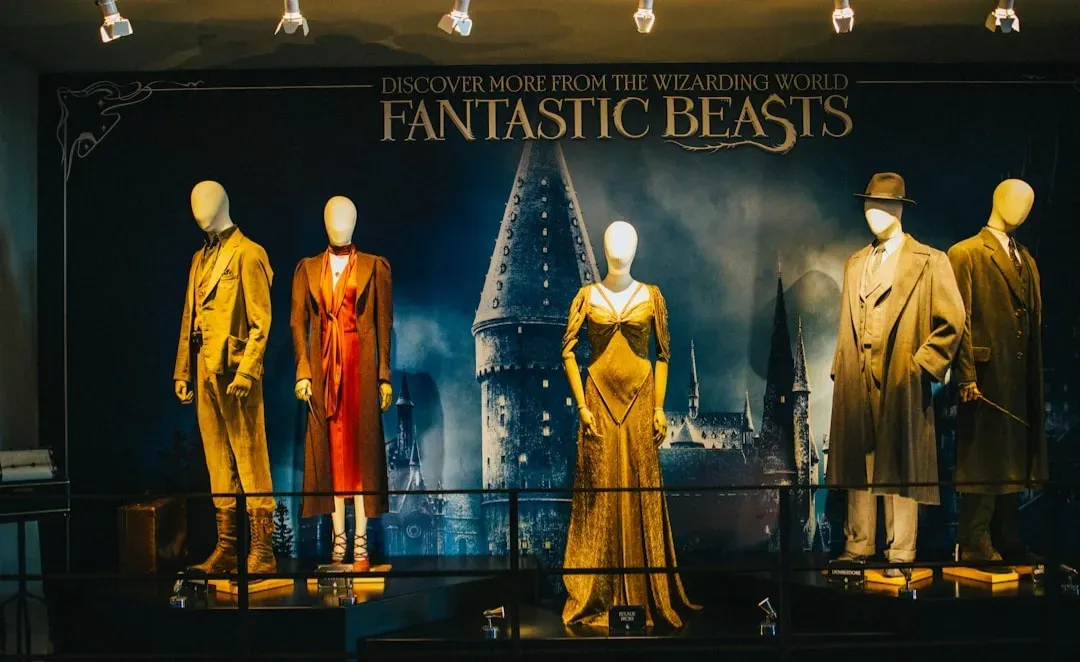
J.K. Rowling originally mapped out the Fantastic Beasts series as a five film saga stretching from the 1920s through World War II. The series was initially speculated to be a trilogy, but in October 2016 Rowling announced it would be composed of five films, later confirming the story would span events between 1926 and 1945. Three films actually got made, and then the momentum simply stopped.
The third entry, Secrets of Dumbledore, underperformed compared to its predecessors, and that seems to have been the deciding factor. The third installment clearly underperformed at the box office and put the entire franchise at risk. Cast members have since confirmed the project is effectively frozen. Jude Law has said “As far as I know, the series has indeed been put on hold,” while suggesting Warner Bros is now focusing its attention on the Harry Potter television series instead. No script exists for a fourth film, and nobody at the studio seems to be racing to write one.
Kevin Feige’s Star Wars movie disappeared without a trace
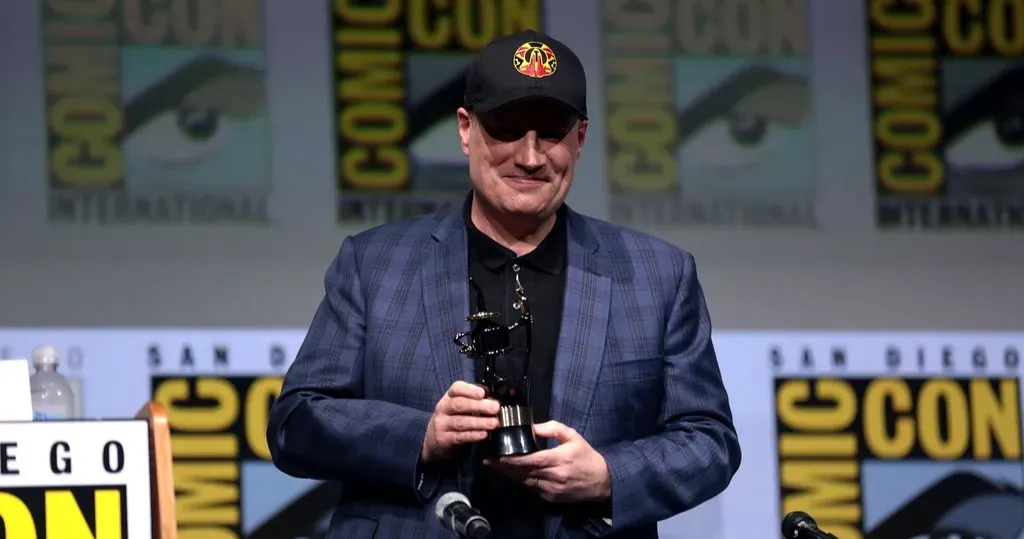
Few announcements generated more excitement than the news that Marvel’s Kevin Feige would produce a Star Wars film. It felt like a crossover of two of Disney’s biggest creative engines, and fans spent years speculating about what it might involve. Then, quietly, the project simply stopped being mentioned in any official capacity.
Reports eventually confirmed what the silence had suggested. The Star Wars film set to be produced by Kevin Feige was no longer in active development at Lucasfilm, despite Lucasfilm having announced the movie with Michael Waldron later attached as head writer after his work on the MCU. Feige’s own workload turned out to be the real obstacle. Waldron had been hired to write 2026’s Avengers: Secret Wars, and between that project and the many other titles Marvel had announced for the next four years, Feige’s responsibilities to the MCU kept him far away from Star Wars for much of the decade.
Patty Jenkins’ Rogue Squadron lost its runway
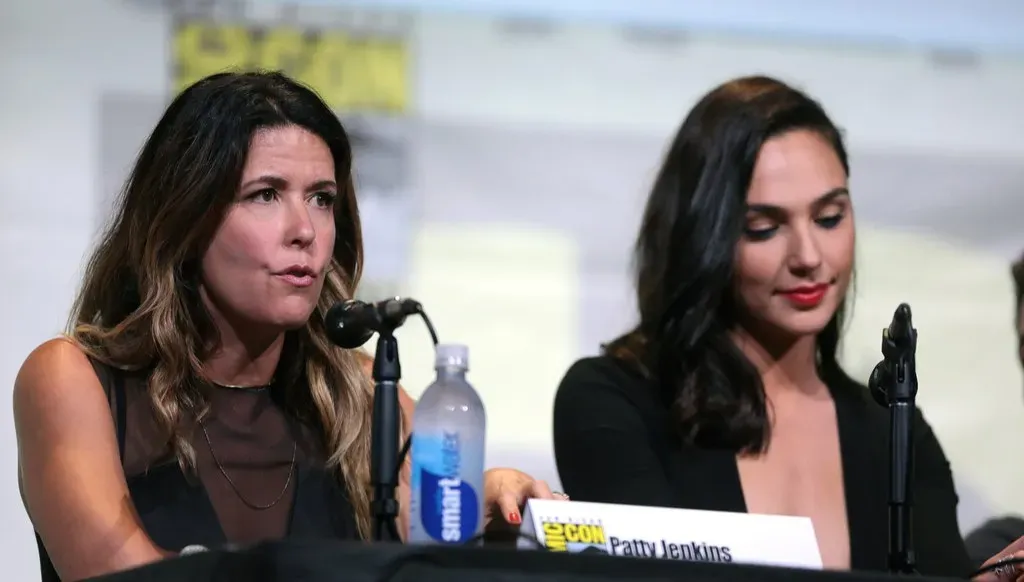
Rogue Squadron was unveiled at Disney’s 2020 Investor Day with real fanfare, positioned as the next big theatrical Star Wars story after a decade of Skywalker saga films. It even had a release date locked in for December 2023. That date came and went without the movie ever reaching a soundstage.
Jenkins’ commitments elsewhere, particularly to Wonder Woman 3, kept pushing the production back until it lost its place on the calendar entirely. Disney pulled the title from its scheduled December 2023 release in September 2022, and sources with knowledge of the production said it was no longer in active development at the studio. Jenkins herself was candid about the uncertainty. She explained that she had originally left Rogue Squadron after a long development process when it became clear it could not happen soon enough, and she did not want to delay Wonder Woman 3 any further. With Wonder Woman 3 also collapsing shortly after, both of her big projects ended up shelved within months of each other.
Partner offer
The Amazing Spider-Man 3 vanished after Sony’s reboot decision
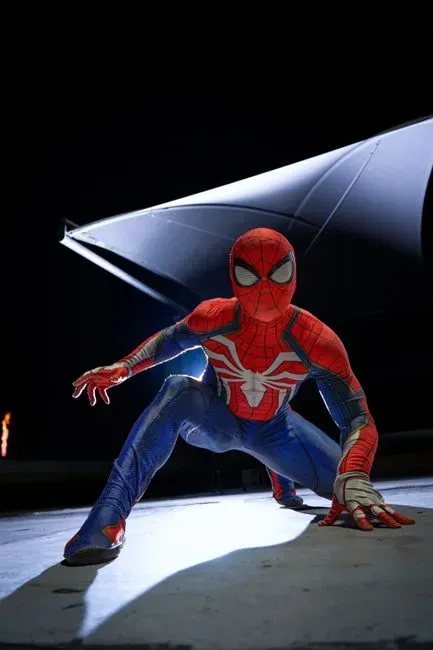
Sony had ambitious plans for its Spider-Man franchise built around Andrew Garfield, including a third solo film and spinoffs centered on the Sinister Six villain team. Concept art, casting rumors, and a locked release date all pointed toward a shared universe rivaling Marvel’s own. The second film, The Amazing Spider-Man 2, was meant to be the launchpad for all of it.
Instead, that sequel underperformed relative to expectations and drew criticism for overstuffing its plot with setup for future movies. Sony scrapped the entire slate soon after, choosing instead to partner with Marvel Studios and reintroduce the character as Tom Holland’s version within the MCU. The Sinister Six film, the third Garfield movie, and the spinoffs built around them were all quietly abandoned as a result of that pivot.
Independence Day 3 fizzled after a sequel nobody wanted
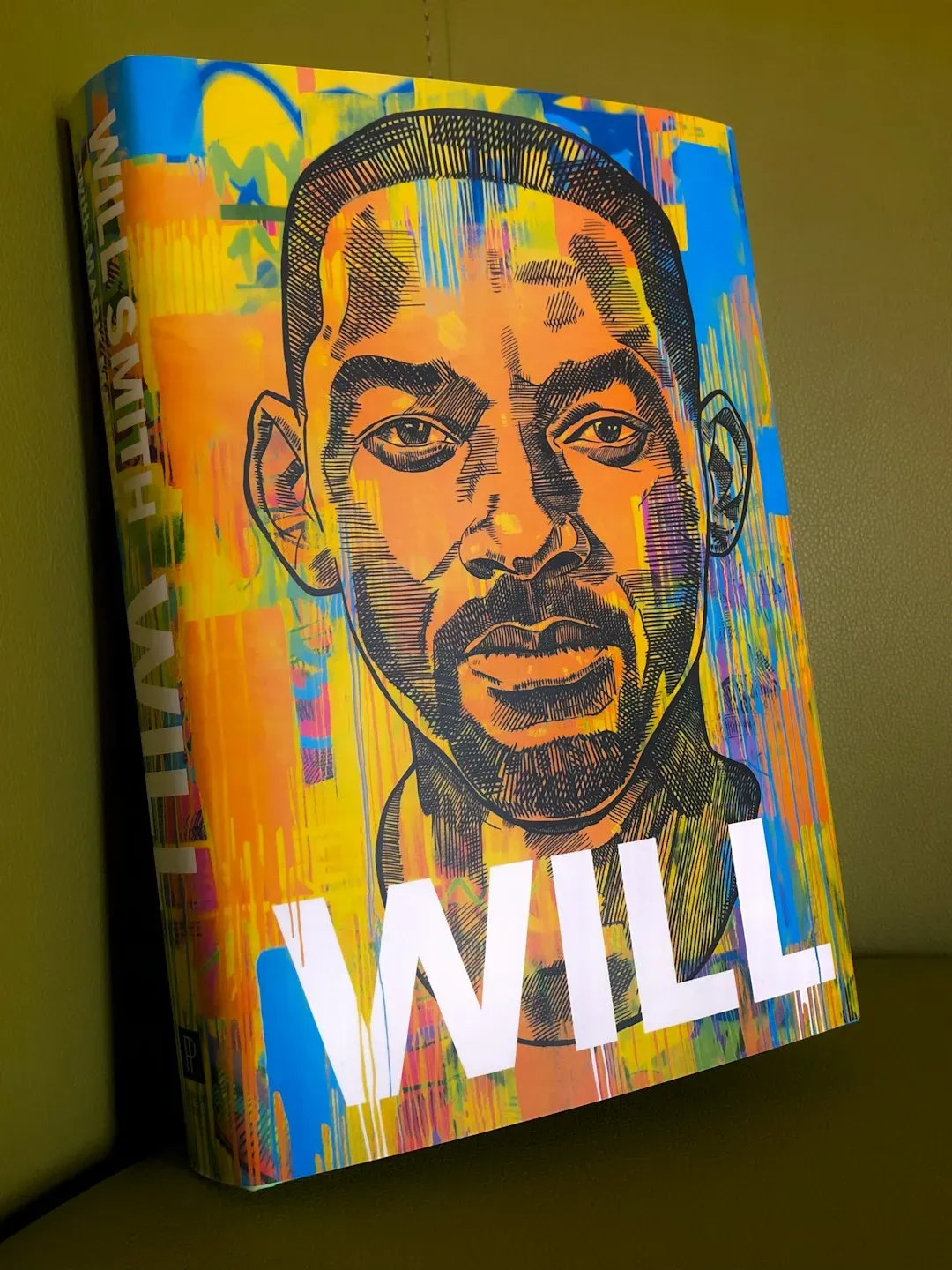
Independence Day: Resurgence arrived in 2016 with plans already in motion for a third film, one that reportedly would have taken the story into space and set up an even larger conflict. Studio executives at the time spoke openly about a planned trilogy capping off the alien invasion saga that began two decades earlier. The sequel’s ending was even structured to tee up that next chapter directly.
Audiences and critics responded to Resurgence with a shrug rather than enthusiasm, and its box office performance fell well short of the original film’s cultural impact. Without a strong opening or lasting buzz, the studio’s appetite for a costly third installment evaporated fairly quickly. The project has remained dormant for years, with no writers, directors, or dates ever attached again.
Terminator’s future stalled after Dark Fate’s box office miss
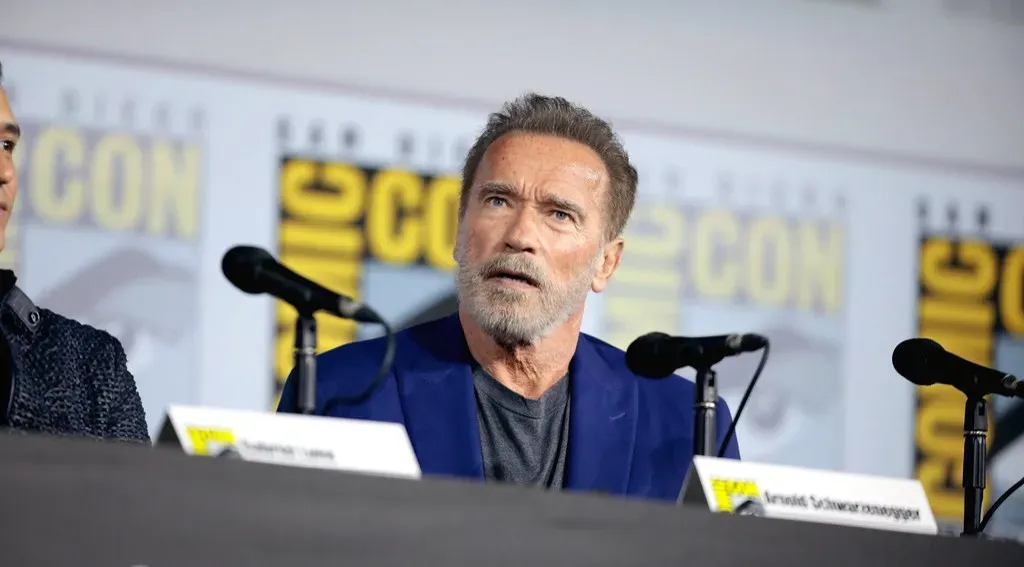
Terminator: Dark Fate was billed as a true continuation of the original storyline, bringing back Linda Hamilton and Arnold Schwarzenegger while erasing the less well received sequels that came before it. Filmmakers spoke publicly about plans for a new trilogy that would carry the franchise forward with fresh stakes. The film was positioned as a soft reboot capable of launching that next era.
Its theatrical run fell short of the studio’s expectations, and the ambitious multi film plan never got past that first step. The franchise’s rights situation, split between different studios for years, only made a sequel harder to justify financially. Since Dark Fate’s release, no further Terminator sequel has moved into active production, leaving those trilogy plans effectively dead.
Final thoughts

What connects all eight of these cases is less about audiences turning against a franchise and more about timing, leadership changes, and money simply not lining up the way studios hoped. A sequel announcement is really just a statement of intent, not a promise. Until cameras start rolling, even the most confidently teased follow up remains one box office weekend, one executive shakeup, or one scheduling conflict away from quietly disappearing.
Partner offer
Planning a trip to Vegas?
Compare hotel rates and show tickets on VEGAS.com.