


Picture this: dusty streets, cowboys squaring off at high noon, saloons packed with gamblers and outlaws, and lawmen struggling to keep the peace. That’s the Wild West we’ve all seen in movies, read about in books, and imagined when we think of the American frontier. But here’s the thing – most of what we believe about the Wild West is pure fiction. The reality was far less dramatic, more complex, and honestly, way more interesting than Hollywood ever let on.
The myths we’ve swallowed whole were carefully crafted by dime novelists, showmen like Buffalo Bill, and later by Hollywood studios looking to sell tickets. The truth? It got buried under layers of legend. So let’s dig into what the Wild West was really like. Be surprised by what actually happened out there on the frontier.
Gun Violence Was Rare, Not Rampant

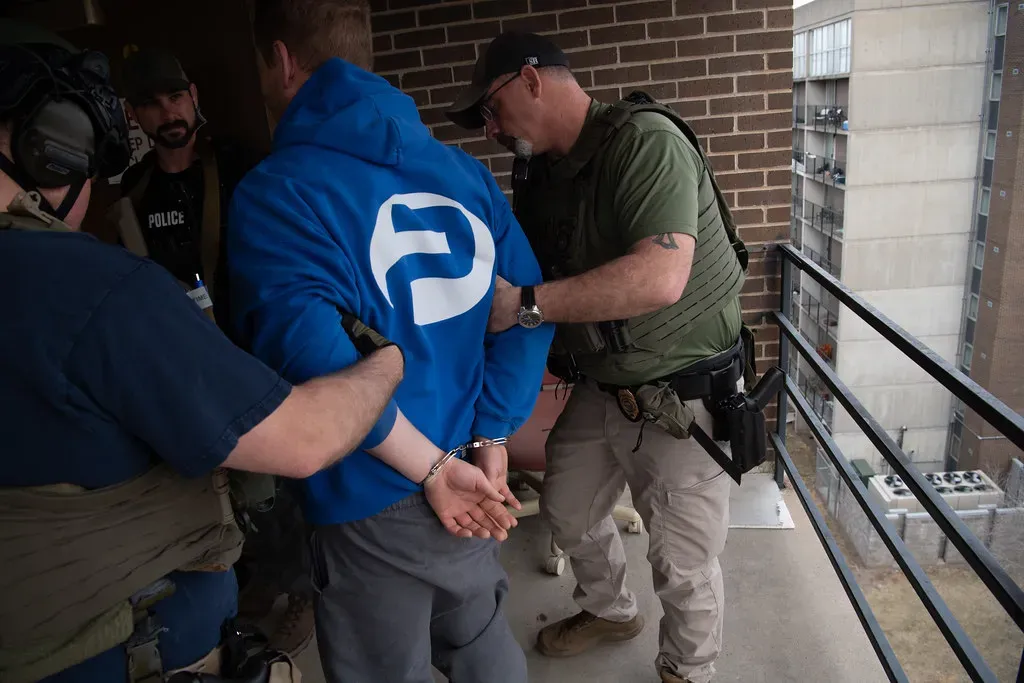
Forget everything you’ve seen in westerns about lawless towns where gunfights erupted daily. The real Wild West had strict gun control laws that would shock most people today. Many frontier towns actually banned firearms within city limits, and visitors were required to check their weapons with the local sheriff upon arrival. Dodge City, Tombstone, and Deadwood all enforced these rules with surprising effectiveness.
Historical records show that the average homicide rate in frontier towns was lower than in modern American cities. Between 1870 and 1885, the five major cattle towns in Kansas saw a combined total of just 45 homicides. That’s less than one murder per town per year. Most disputes were settled through fistfights, legal proceedings, or simply moving on to the next town.
The famous shootout at the OK Corral lasted about thirty seconds and involved only a handful of men. It became legendary precisely because it was so unusual. Gunslingers like Billy the Kid and Jesse James were notorious criminals, not typical frontier residents. The vast majority of people living in the West never witnessed a gunfight in their entire lives.
Cowboys Were Multi-Ethnic Working Men

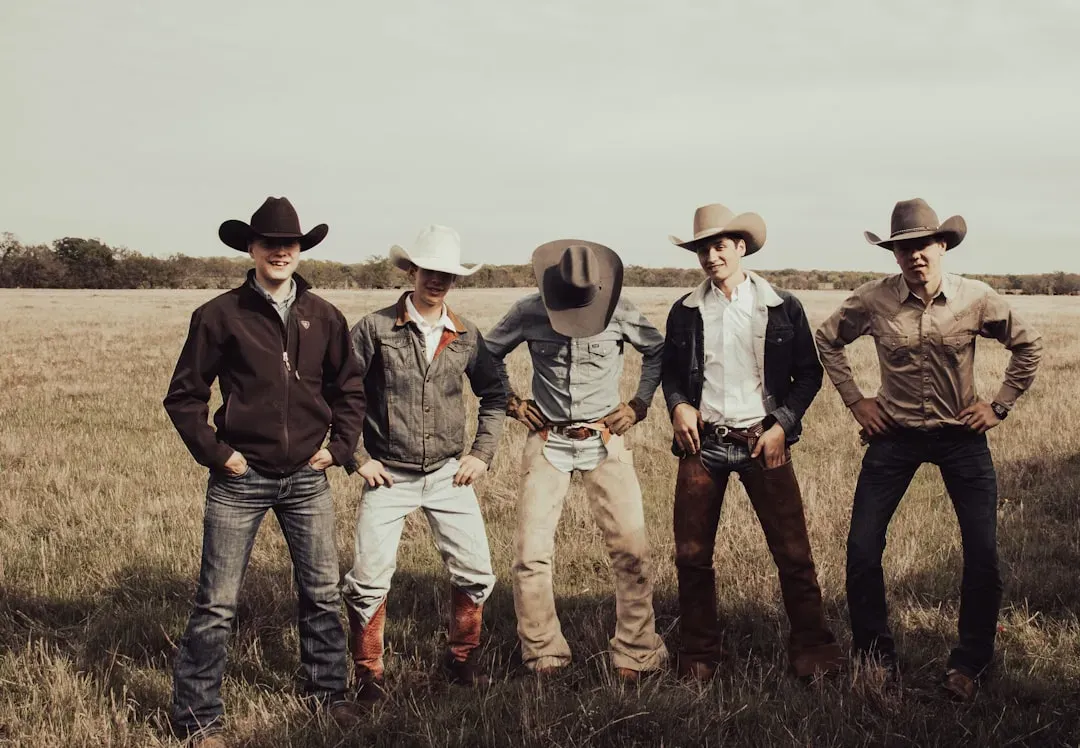
Hollywood gave us John Wayne and Clint Eastwood as the faces of the American cowboy. In reality, roughly one third of all cowboys were Black, Mexican, or Native American. After the Civil War, many formerly enslaved people headed west seeking opportunity and freedom from the oppressive conditions of the Reconstruction South. Mexican vaqueros had been working cattle in the Southwest long before white settlers arrived, and they taught Anglo cowboys most of their skills.
These working cowboys weren’t romantic heroes – they were poorly paid laborers doing backbreaking work. The average cowboy earned about a dollar a day, roughly the same as a factory worker back East. They spent months on cattle drives, sleeping on the ground, eating beans and hardtack, and dealing with stampedes, river crossings, and extreme weather. It was miserable work that most men did for only a few years before moving on to something less physically demanding.
The iconic cowboy hat, boots, and bandana weren’t fashion statements. They were practical gear designed for sun protection, riding comfort, and keeping dust out of your face. Cowboys didn’t walk around town with six-shooters strapped to their hips. Most couldn’t afford fancy firearms and carried them only when necessary during trail drives.
Women Had More Freedom Than You’d Think


The Wild West offered women opportunities they couldn’t find in the more “civilized” East. Labor shortages and the harsh realities of frontier life meant that women worked in professions typically closed to them elsewhere. They ran businesses, owned property, worked as doctors, journalists, and yes, even served as lawmen in some cases.
Wyoming Territory granted women the right to vote in 1869, more than fifty years before the Nineteenth Amendment. Other western territories followed suit decades before their eastern counterparts. This wasn’t necessarily born from progressive ideals – territorial governments hoped voting rights would attract more female settlers to balance the heavily male population.
Prostitution was common and often the only way women could earn decent money on the frontier. Some “soiled doves” accumulated significant wealth and even gained social respectability in their communities. The famous Calamity Jane was likely exaggerating many of her adventures, but real women like Laura Bullion rode with outlaw gangs, and others defended their homesteads from raiders with the same grit as any man.
Native Americans Weren’t Just Victims or Villains

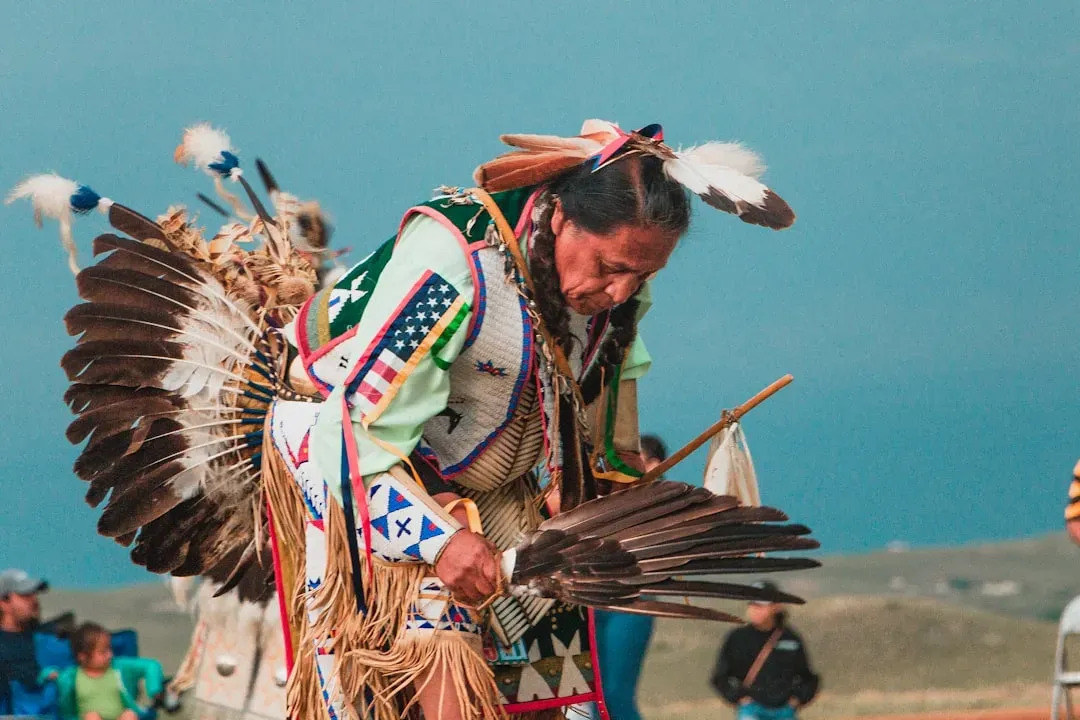
Western mythology reduces Indigenous peoples to two crude stereotypes: noble savages or bloodthirsty warriors. The reality was infinitely more nuanced. Native American tribes had complex political systems, diverse cultures, and varying relationships with white settlers. Some tribes allied with the U.S. government, others fought fiercely for their lands, and many did both at different times depending on circumstances.
The conflicts between settlers and Native Americans were absolutely real and often brutal on both sides. However, disease killed far more Indigenous people than bullets ever did. Smallpox, cholera, and other illnesses devastated Native populations who had no immunity to European diseases. By some estimates, disease wiped out nearly ninety percent of Native Americans in certain regions.
Many tribes adapted to the changing world by incorporating new technologies and economic practices. They traded with settlers, adopted firearms and horses, and some became successful ranchers themselves. The image of Indigenous peoples as unchanging and primitive ignores their agency and adaptability. It’s hard to say for sure, but historians now believe most tribes were more interested in coexistence than constant warfare until broken treaties and land theft made peaceful relations impossible.
Towns Were Boring, Not Wild

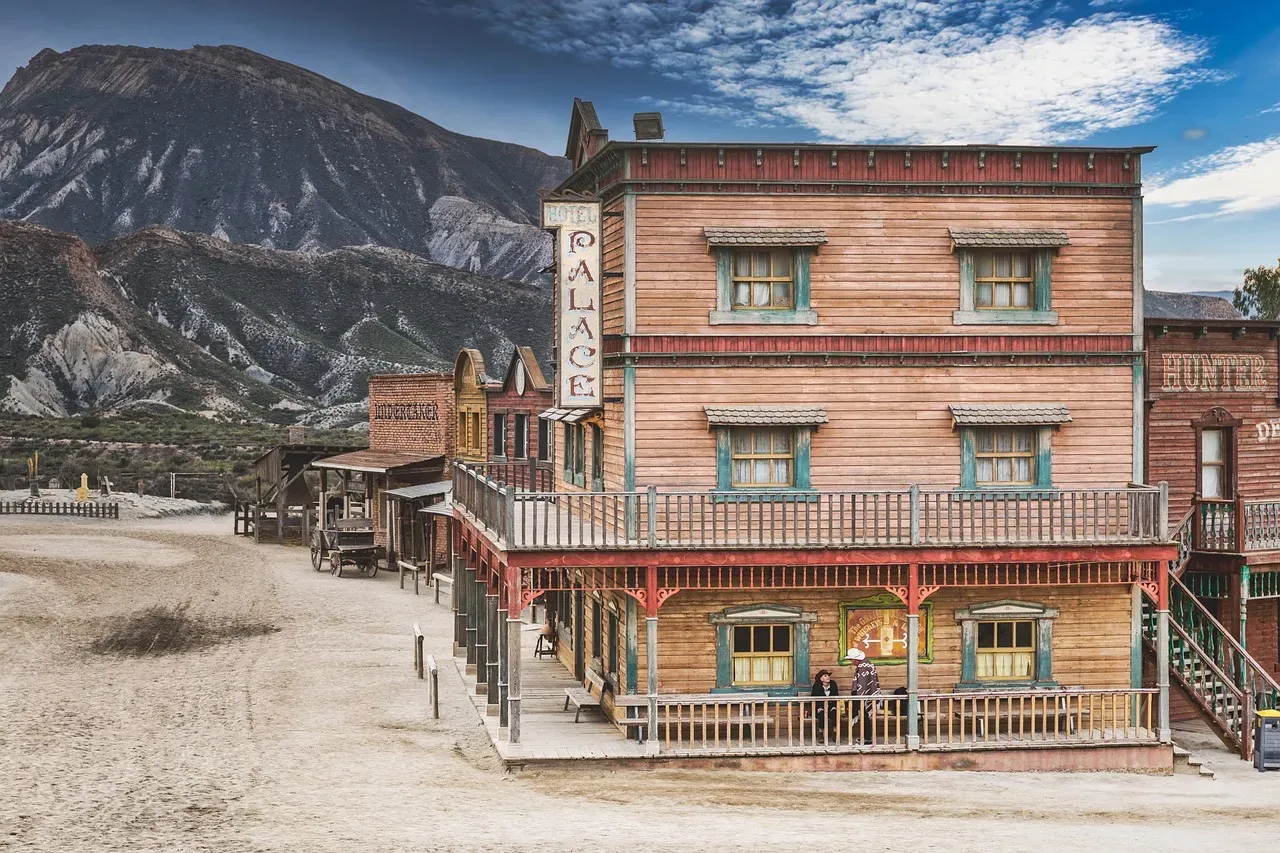
The typical frontier town was mind-numbingly dull. Most days involved hard work, basic survival, and very little excitement. Settlers spent their time farming, building, trading, and trying not to die from disease or accident. Entertainment options were limited to church socials, town meetings, and the occasional traveling show.
Saloons existed, sure, but they functioned more like community centers than lawless dens of vice. Men gathered there to drink, play cards, share news, and conduct business. Violence was bad for business, so saloon owners typically maintained order and kicked out troublemakers quickly. The raucous brawls and piano-smashing scenes from movies would have bankrupted any real establishment in days.
Frontier justice was usually swift but not particularly violent. Most crimes were theft or fraud rather than murder. Punishments included fines, banishment from town, or occasionally a public whipping. Hangings did happen but were relatively rare and usually followed some form of legal proceeding, even if that “trial” was hastily assembled. The idea of vigilante mobs stringing up suspects at random is mostly Hollywood invention.
The Era Was Incredibly Brief

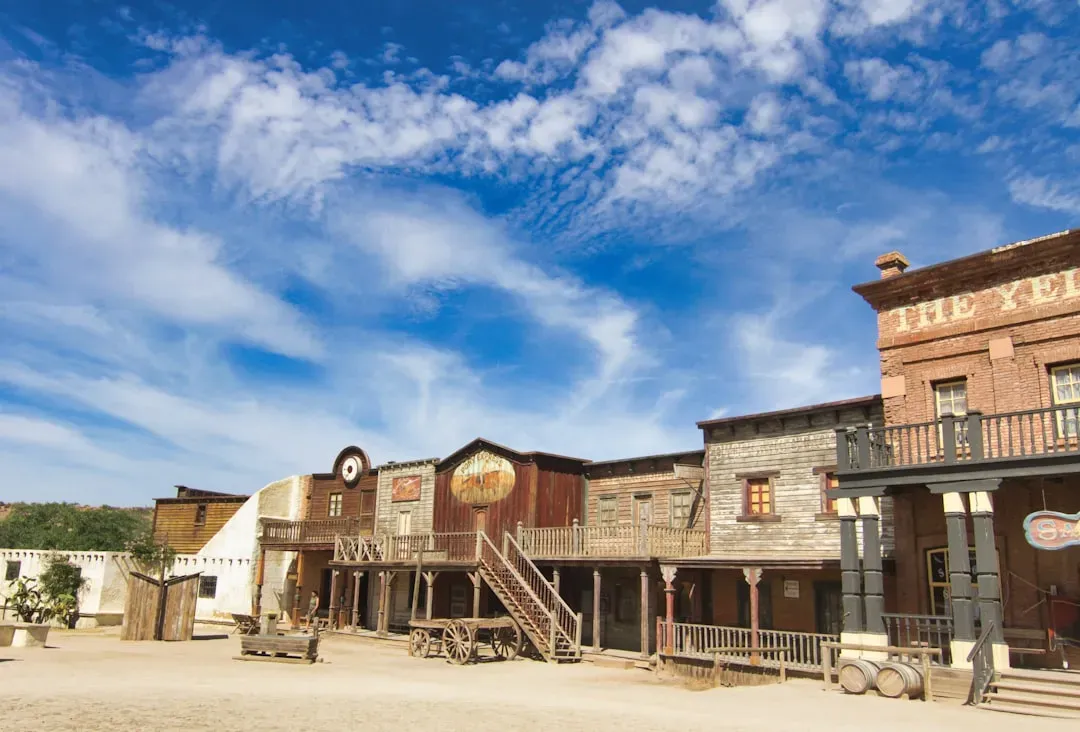
Here’s something that blows people’s minds: the “Wild West” era lasted only about thirty years. The period we romanticize – roughly from 1865 to 1895 – was a brief moment when the frontier existed between the Civil War and the arrival of railroads, telegraph lines, and established law enforcement. By 1890, the U.S. Census Bureau officially declared the frontier closed.
Technology transformed the West rapidly. Railroads arrived and made cattle drives obsolete. Barbed wire fenced off the open range. Telegraph lines connected isolated towns to the rest of the country. Within a generation, the frontier transformed from wilderness to settled territory with schools, churches, newspapers, and all the trappings of civilization.
Many famous western figures lived long enough to see automobiles, airplanes, and movies. Wyatt Earp died in 1929 in Los Angeles, where he worked as a consultant for western films. The speed of change was dizzying. People who remembered crossing the plains in covered wagons lived to watch men walk on the moon.
Buffalo Bill Invented the Myth

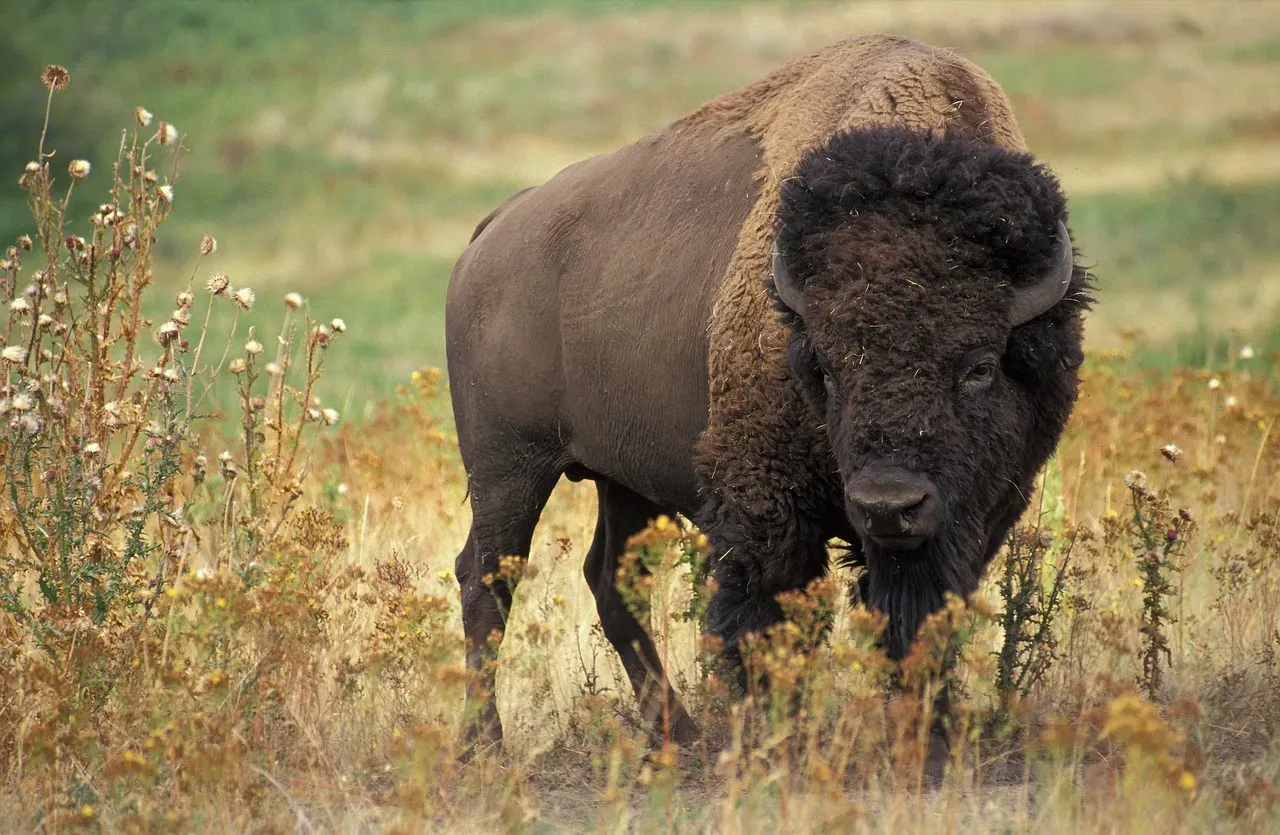
William F. Cody, better known as Buffalo Bill, bears much responsibility for our distorted view of the frontier. His Wild West shows, which toured America and Europe from the 1880s onward, presented a theatrical version of frontier life that mixed real cowboys, Native Americans, and sharpshooters with staged battles, trick riding, and dramatized “attacks” on settlers.
Buffalo Bill employed real western figures including Annie Oakley and Sitting Bull, lending his shows an air of authenticity. Audiences ate it up. Europeans especially loved the spectacle, having no firsthand knowledge of what the American West was actually like. The shows were so successful that they shaped public perception for generations.
Dime novels and pulp fiction magazines also pumped out sensationalized stories about gunfighters, outlaws, and frontier adventures. These cheap publications turned minor criminals into legendary figures and invented entirely fictional heroes. By the time Hollywood got involved in the early twentieth century, the mythology was firmly established. Movies simply amplified and standardized the myths that Buffalo Bill and dime novelists had created.
Lawmen Were Often Former Outlaws
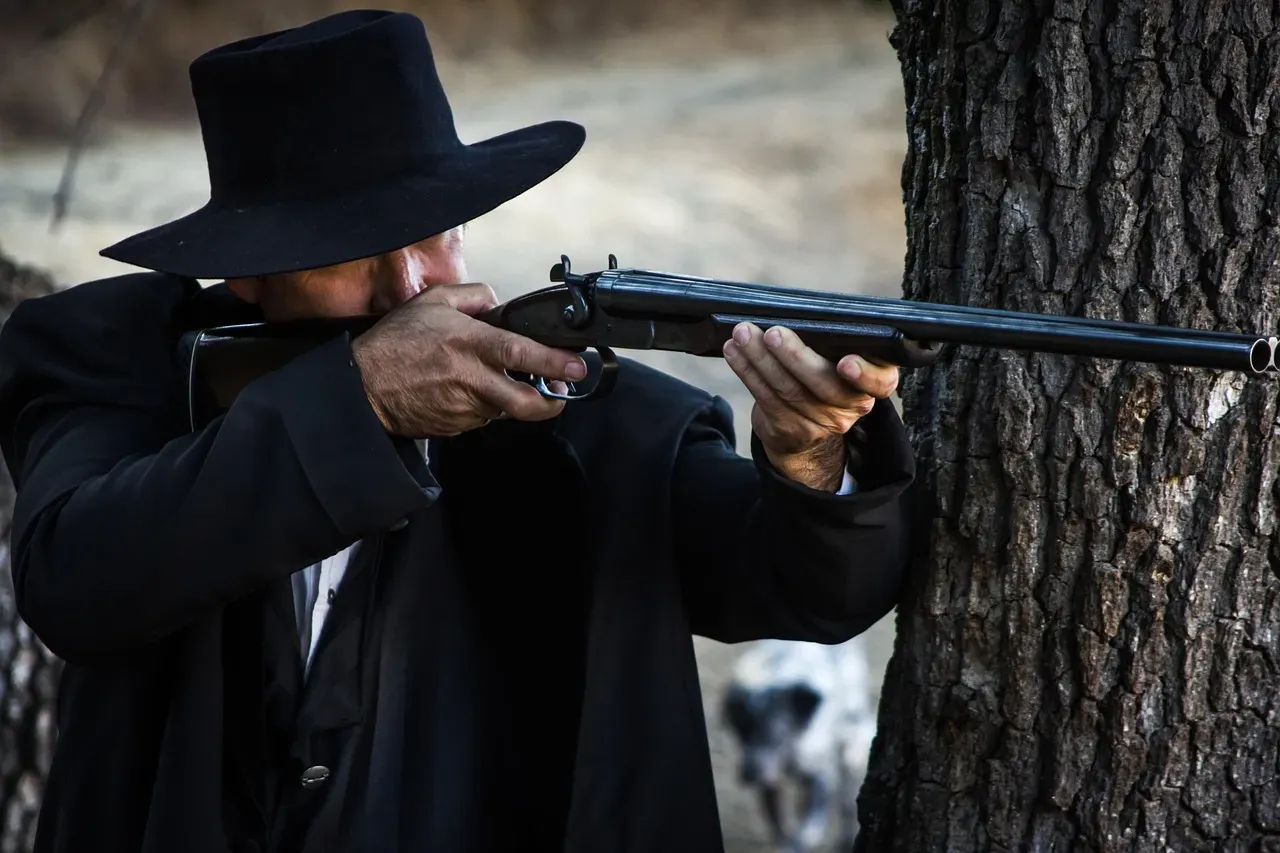
The line between lawman and criminal was blurrier than we’d like to admit. Many famous lawmen had checkered pasts involving gambling, violence, or other shady activities. Wyatt Earp worked as a gambler and possibly a pimp before becoming a lawman. Wild Bill Hickok was a known gambler who killed several men before wearing a badge.
Frontier communities often hired tough men with questionable backgrounds because they needed someone willing and able to handle violence. These weren’t trained police officers with academy education. They were individuals who could handle themselves in dangerous situations and weren’t squeamish about bending rules when necessary.
Corruption was rampant. Sheriffs and marshals sometimes protected certain criminals in exchange for bribes or a cut of their profits. Some lawmen were basically gang leaders with badges. The justice they dispensed often depended more on personal relationships and political considerations than actual guilt or innocence. It’s a messy reality that doesn’t fit our romantic notions of frontier justice.
Conclusion
The Wild West we know from movies, books, and TV shows is mostly fiction, a carefully constructed myth that tells us more about what we want to believe than what actually happened. The real frontier was less violent, more diverse, and far more boring than Hollywood would have you believe. It was also more interesting in its complexity and contradictions than any simplified myth could capture.
Does knowing the truth make the legend less appealing? Maybe. But history is always more valuable than mythology, even when it’s less thrilling. The real people who lived through that brief, chaotic period deserve to be remembered as they were, not as we wished they’d been. What do you think about it? Does the truth change how you see those classic westerns?


