There’s something quietly surreal about walking through a shopping mall that has given up the ghost. The food court chairs are still bolted to the floor. The fountain still sits in the center atrium, dry and collecting dust. Once the nerve center of suburban American life, thousands of these structures now stand as enormous, climate-controlled shells, too expensive to tear down and too large to ignore. The question of what comes next turns out to be far more interesting than the decline itself.
As of 2024, there were an estimated nearly 34 million square feet of empty retail space across the country. Meanwhile, the U.S. had an estimated housing supply deficit of 3.8 million homes. Those two numbers, sitting side by side, explain a great deal about why dead malls have become something of a national fixation, not just for urban planners, but for housing advocates, tech companies, healthcare systems, and communities desperate for something to replace a lost anchor.
Apartments Where the Anchor Stores Once Stood
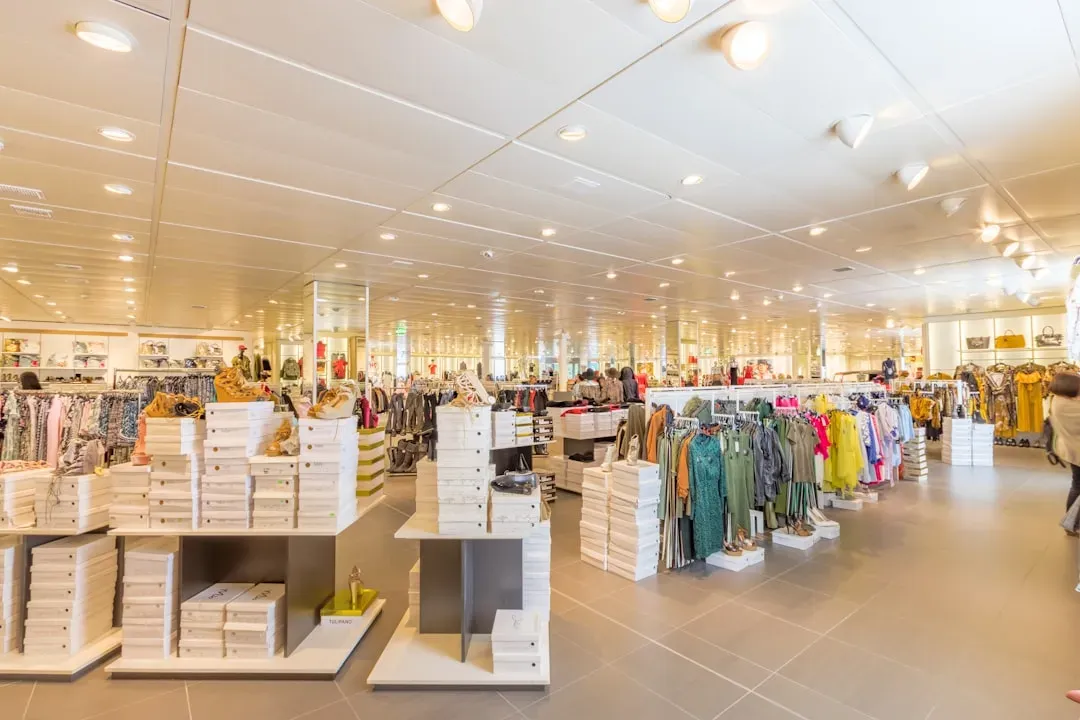
As of January 2024, at least 192 shopping malls across the country were planning on converting space into apartments, according to real estate consulting firm Realogic. The scale of this shift is hard to overstate. Retail-to-residential conversions range from apartment buildings springing up in what were once mall parking lots or the former sites of closed big-box stores, to partial or complete “scrapes” in which malls and shopping centers are torn down and replaced with mixed-use communities with plenty of housing.
Abandoned malls often occupy central locations in urban and suburban areas, and these structures typically come with large open spaces, ample parking, and basic infrastructure such as plumbing and electricity, which can significantly reduce construction costs when repurposing. One project in Plano, Texas shows just how ambitious this trend has become: Centurion American’s plan retained the core mall and 325,000 square feet of retail but tore down the big boxes to make room eventually for 2,300 units of multifamily housing, 500 single-family residences, and 1.5 million square feet of office space.
Affordable and Senior Housing: A Practical Answer to a Real Crisis
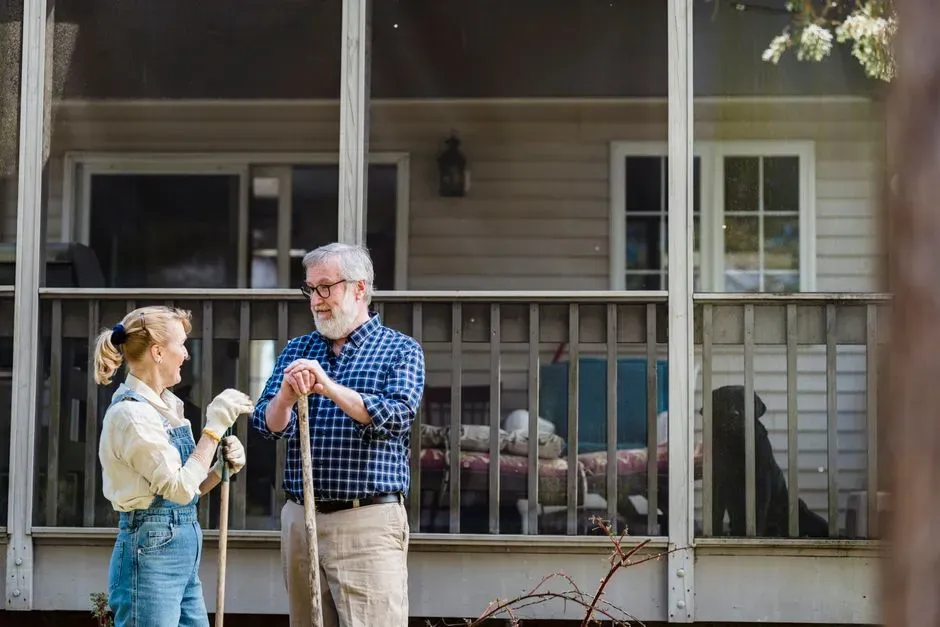
A 2024 report by the National Low Income Housing Coalition found that the lowest-income renters faced a shortage of 7.3 million affordable and available rental homes. That staggering figure has pushed developers and nonprofits alike toward the most unexpected of sites. PathStone, a nonprofit development group, retrofitted an empty Sears department store that was part of a former mall outside Rochester, New York, transforming it into Skyview Park Apartments, a complex featuring 157 rental units affordable for adults 55 and older earning up to 60% of the median area income.
Half of the units in that Rochester project are reserved for people at risk of homelessness. The appeal is structural as much as social. Strategic anchor store reuse combined with thoughtful design, such as light courts and amenity spaces, transforms deep interiors into bright, livable homes. In Aurora, Illinois and Vernon Hills, Illinois, portions of local malls were converted into 304 and 311 housing units respectively, both developments including shared amenities and retail space.
Hospitals and Clinics Moving Into the Old Food Court Wing

Some malls are finding second lives as healthcare facilities, a trend that has gained momentum since the pandemic. The logic is almost disarmingly simple: what big-city health systems need most is something shopping malls have plenty of, which is space and parking. They offer convenience for patients and practitioners, as well as costing less than expanding an existing hospital campus. That combination of square footage, suburban accessibility, and pre-existing infrastructure makes vacant malls genuinely attractive to medical systems.
Vanderbilt University Medical Center plans to move into the massive Hickory Hollow Mall in southeast Nashville, which once reigned as Tennessee’s largest shopping center. Nationwide, 32 enclosed malls house healthcare services in at least part of their footprint, according to a database kept by Ellen Dunham-Jones, a Georgia Tech urban design professor. Malls closing traditional stores are repurposing spaces for healthcare clinics, fitness centers, and educational facilities, and that shift looks likely to accelerate in the years ahead.
Fulfillment Centers: The Irony of the Amazon Era
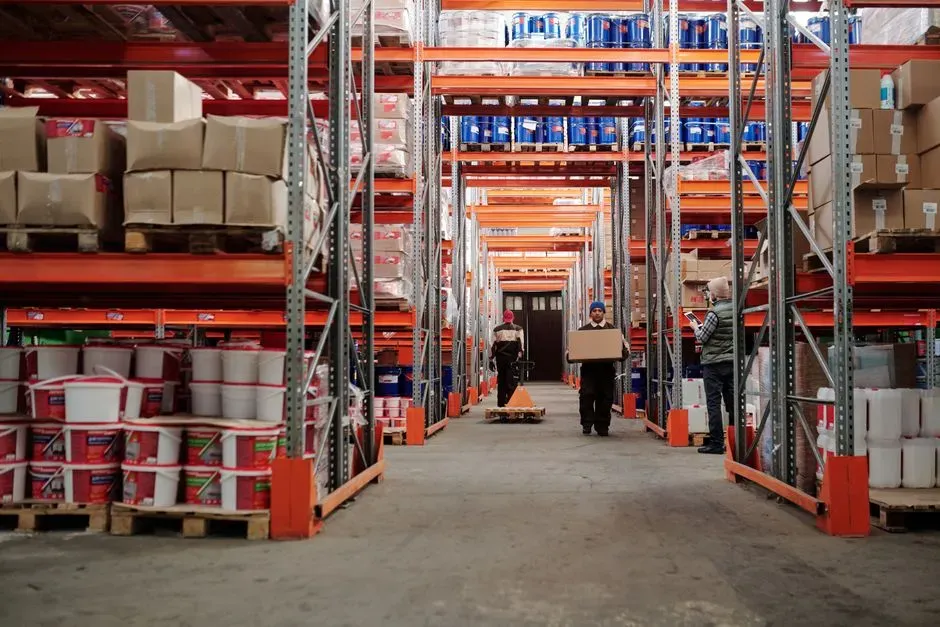
There is a certain irony to the story of e-commerce gutting retail and then moving into the ruins. Instead of being left to rot or demolished at high cost, many malls are now serving as fulfillment centers for retailers and logistics companies, and with online ordering rising year after year, proximity to consumers is a decisive advantage. The large footprint of shopping malls allows the creation of cavernous fulfillment centers for e-commerce companies to operate from, with ample space for storing goods and large parking lots for delivery trucks, while also taking advantage of existing infrastructure such as the electrical supply, HVAC, and elevators.
Warehouses positioned within 20 to 30 miles of dense population centers allow companies to shorten delivery times, cut transportation costs, and better compete in the fast shipping era that companies like Target and Walmart helped normalize. The repurposing of malls into warehouses and fulfillment centers has broader implications for local economies, with communities once burdened by declining property values and empty retail shells now seeing new construction activity, long-term maintenance jobs, and renewed tax revenue.
Data Centers: The Quiet Tenant Nobody Sees
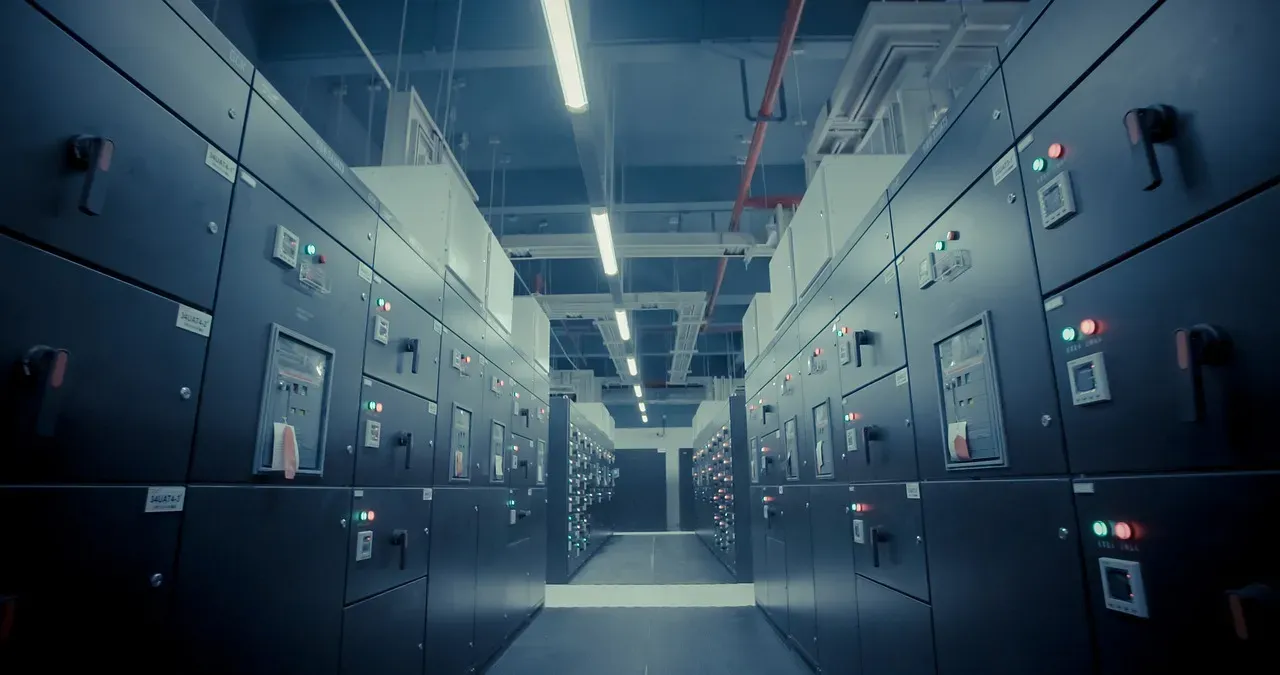
Abandoned malls are also being repurposed into data centers, as these large, climate-controlled buildings are well-suited for housing servers and networking equipment. The climate control already built into most enclosed malls is a genuine asset in an industry where managing heat is one of the primary engineering challenges. Previous stores can become warehouses and data centers that support e-commerce platforms, often without the need for ground-up construction.
Partner offer
Data centers, while valuable for digital infrastructure, typically employ fewer people than retail spaces once did, which is a tension that local governments have to weigh carefully when approving such conversions. Still, the economic argument is often compelling. It can be less expensive to put up a data center infrastructure in an existing mall than to build one from scratch, particularly when the existing electrical systems are already rated for high-capacity loads.
Sports Complexes and Entertainment Hubs

Developers are taking things a step further and revamping vacant shopping centers into entertainment hubs, replacing empty retail space with theaters, arcades, bowling alleys, and even sports facilities like basketball courts. The results can be genuinely surprising. The former Red Roof Mall in Branson, Missouri was successfully turned into a youth sports complex, featuring on-site dormitories for visiting teams, several baseball fields, and concessions and restaurants.
A mall in Virginia is being repurposed into an indoor pickleball complex, with courts, leagues, and instruction. These uses make a certain structural sense: large, column-free interior spans are exactly what you need for court sports, and mall parking lots remain enormous. Chicago’s 900 North Michigan Shops and Florida’s Area15 demonstrate how an abandoned mall wing could be repurposed into interactive art and tech centers. Entertainment-based conversion tends to work best when the surrounding population is dense enough to sustain a recurring audience.
Schools, Colleges, and Educational Facilities

Another possibility for abandoned malls is transforming them into educational and vocational training centers, as their ample space can accommodate classrooms, workshops, and laboratories, providing opportunities for skill development and education. This approach has been tested in real communities and found to be workable. Austin Community College established a notable example, with a grad student observing the ACC transformation firsthand as it established a major educational hub within a commercially-based shopping mall.
Some ideas for old malls include offering free medical clinics and K-12 schools, as well as creating coworking or meeting spaces for businesses. By offering vocational training, career counseling, and entrepreneurial programs, abandoned malls can become catalysts for economic growth, equipping individuals with the necessary tools to thrive in the evolving job market. For communities in areas with limited vacant land, a shuttered mall can double as a ready-built campus with few of the construction costs of starting from scratch.
Indoor Farms and Urban Agriculture

Urban farmers are repurposing malls into indoor growing facilities, utilizing the vast former retail spaces to grow fruits, vegetables, and herbs hydroponically or aeroponically, a sustainable approach to farming that provides fresh produce year-round and increases the local community’s access to healthy food. The enclosed, temperature-controlled environment that made a mall feel timeless in summer turns out to be a genuine asset for controlled-environment agriculture.
In Cleveland, the former Galleria Mall now contains “Gardens Under Glass,” harvesting produce for consumers and urban agriculture classes. According to the World Economic Forum, adaptive reuse results in a reduction of up to 70% in carbon pollution and significantly reduces waste. As much as 90% of materials are also capable of being salvaged and reused, making indoor farm conversions one of the more environmentally compelling options available to communities sitting on a dormant mall footprint.
Churches, Civic Hubs, and Community Space
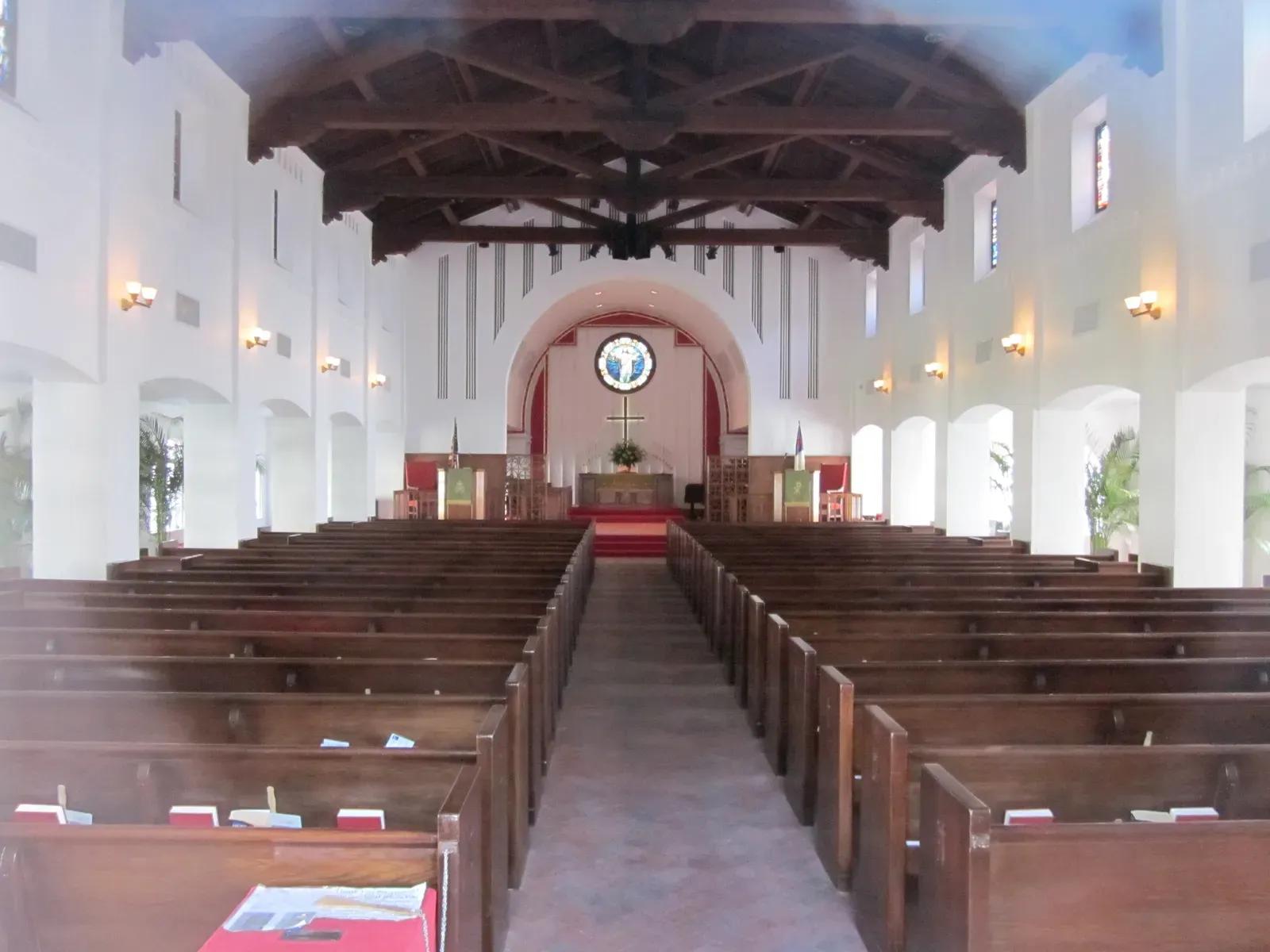
In Cleveland, a struggling mall became home to 24 congregations that could not afford their own church buildings, and along with their leases, these small congregations received 24-hour security and maintenance. Religious communities have recognized for years that a mall’s wide-open interior, flexible floor plan, and generous parking are difficult to replicate at typical real estate prices. The Beech Park Baptist Church, for instance, is located in what was once the Tri-County Mall’s 30-lane bowling alley, and that vast space is now an 800-person sanctuary.
Converting dead mall footprints into libraries, courts, maker spaces, gyms, and recreation centers fosters neighborhood revitalization and supports mixed-use development. In Denver, efforts are underway to transform the former Cinderella City Mall into a transit-oriented development that includes housing, a civic center, City Hall offices, a library, and an outdoor arts museum. That kind of layered civic programming, stacking public functions into a single adaptive reuse project, may represent the most complete vision for what these structures can eventually become.
The Bigger Picture: Adaptive Reuse and What It Costs
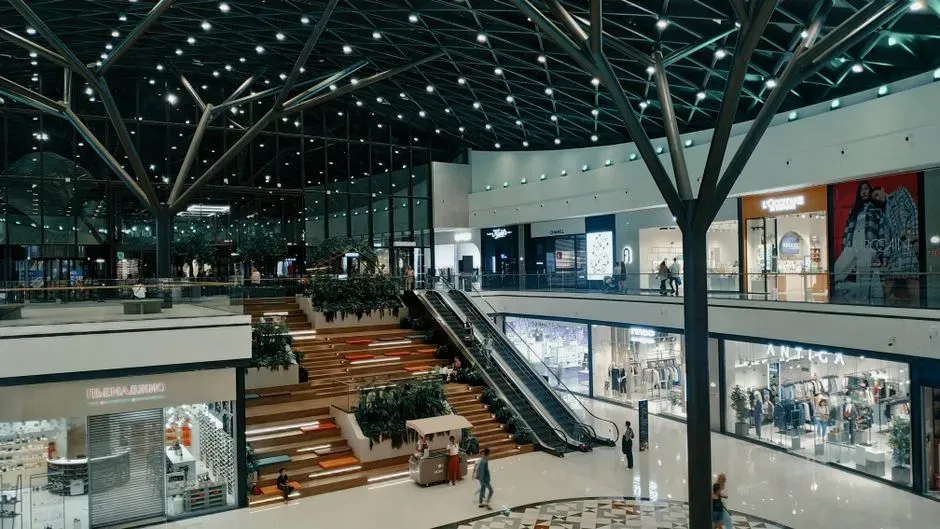
According to CBRE’s global head of occupier research, all the retail space converted since 2016 and planned to be converted through 2025 represents only 90 million square feet, which is “really only a drop in the bucket with the vacancy that’s out there.” These projects are often even more costly and time-consuming than new construction, which explains why the pace of conversion, though accelerating, remains slower than the scale of the problem might suggest.
Zoning regulations, outdated lease agreements, existing easements, and infrastructure can all pose issues for developers looking to repurpose a dead mall. Repurposing old buildings, known as adaptive reuse, is much easier on the environment than building new, and that environmental argument is increasingly part of how communities make the case for moving forward despite the financial headwinds. The malls that find new tenants tend to share one thing in common: a local government and a developer willing to work through the complications rather than waiting for an easier answer that may never arrive.
Partner offer
Planning a trip to Vegas?
Compare hotel rates and show tickets on VEGAS.com.