Every finished film hides a version of itself that never made it to theaters. Scripts get rewritten mid production, test audiences reshape entire arcs, and actors sometimes come within a signature or a screening away from losing the part that later defines their career. Looking back at some of the biggest films of the past several decades, a surprising number of now beloved characters almost didn’t survive the editing room at all. What follows are eight cases where a character we now take for granted was, at some point, seriously close to disappearing from the movie entirely.
Poe Dameron in Star Wars: The Force Awakens
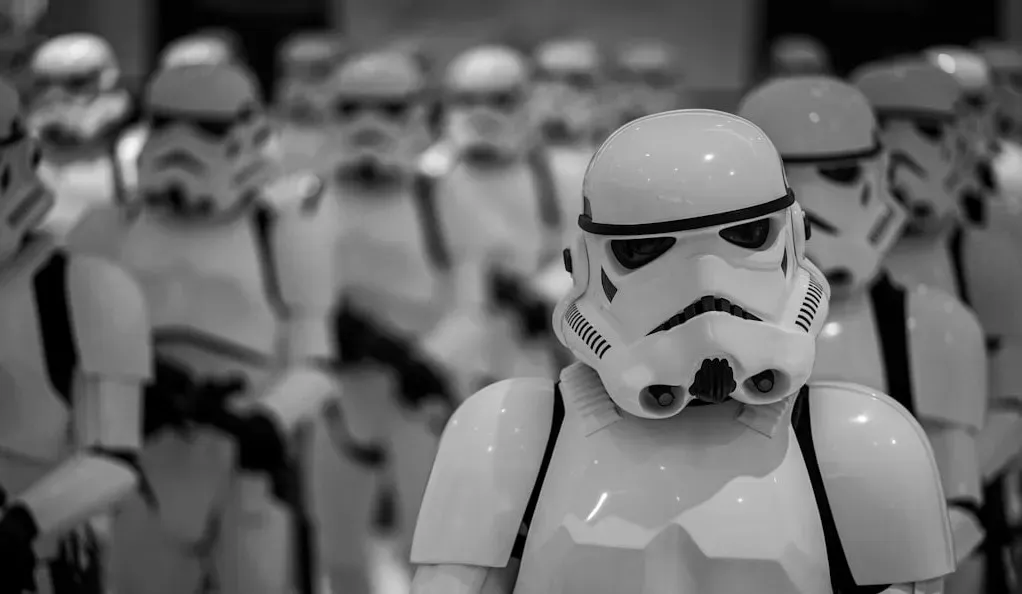
When Oscar Isaac first read the script for Star Wars: The Force Awakens, his character was not built to last. When Oscar Isaac was offered the role, Poe was supposed to die early in the film, before J.J. Abrams, the director of The Force Awakens, later rewrote the script so that Poe appears in the entire film. That single change altered the course of an entire trilogy.
Part of Isaac’s hesitation reportedly came from personal history rather than the character itself. Somewhat hilariously, Poe’s life was extended in part because Isaac was fresh off of playing a string of characters who’d been killed off early in their respective movies. He simply did not want to repeat the pattern, and Abrams agreed the story worked better with Poe alive for the fight against the First Order.
Captain Jack Sparrow in Pirates of the Caribbean: The Curse of the Black Pearl
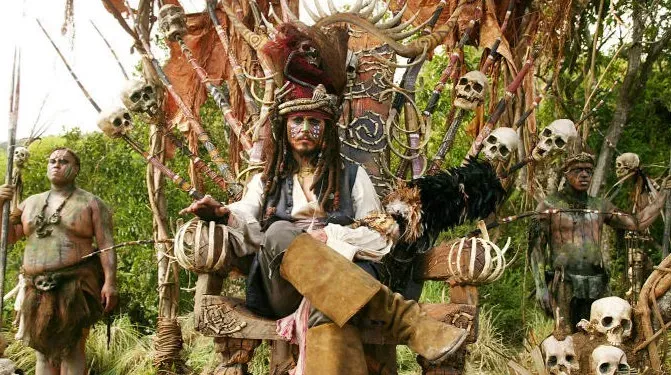
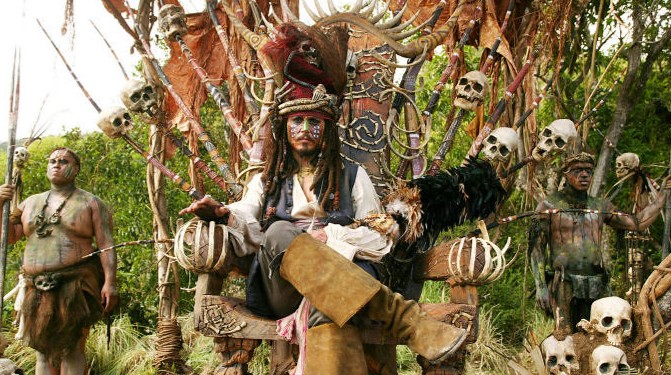
Johnny Depp’s take on Jack Sparrow is now inseparable from the franchise, yet it almost never reached audiences at all. Johnny Depp’s performance as Captain Jack Sparrow in the “Pirates of the Caribbean” movies became instantly iconic when the series began in 2003, but according to the star, Disney execs didn’t love his acting choices and initially wanted to fire him. The studio had pictured a more conventional swashbuckler in the mold of classic adventure heroes.
Producer Jerry Bruckheimer later explained how the team saved the performance. Bruckheimer and the editors cut together a short sequence of Depp’s early footage to show how the character’s eccentric style actually worked in the context of the film, and once the edited clip was presented, Disney executives began to see the vision. The gamble paid off, and Depp went on to earn an Academy Award nomination for the role.
Nick Fury in Iron Man
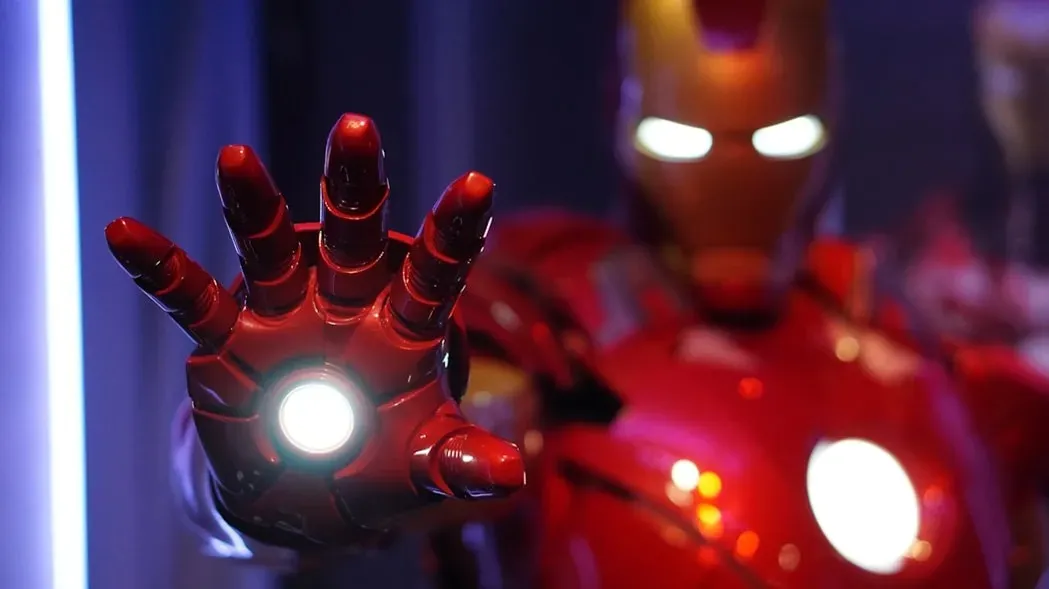
The scene that essentially launched the Marvel Cinematic Universe was far from a sure thing. The post-credit scene featuring Samuel L. Jackson as Nick Fury was added at the last minute, with comic book writer Brian Michael Bendis revealing he was called last minute by MCU producer Kevin Feige and asked to write the dialogue. There was no guarantee it would even happen right up until it was filmed.
At the time, nobody at Marvel Studios knew if audiences would embrace a shared universe concept at all. When Iron Man hit theaters in 2008, Marvel Studios was still testing how the public would react to a fairly unknown superhero getting a big budgeted cinematic story, even as Feige and others were already discussing an interconnected universe that did not officially exist yet. Had that scene been trimmed for time or budget, Nick Fury’s entire future in the franchise might have looked very different.
Martian Manhunter in Justice League
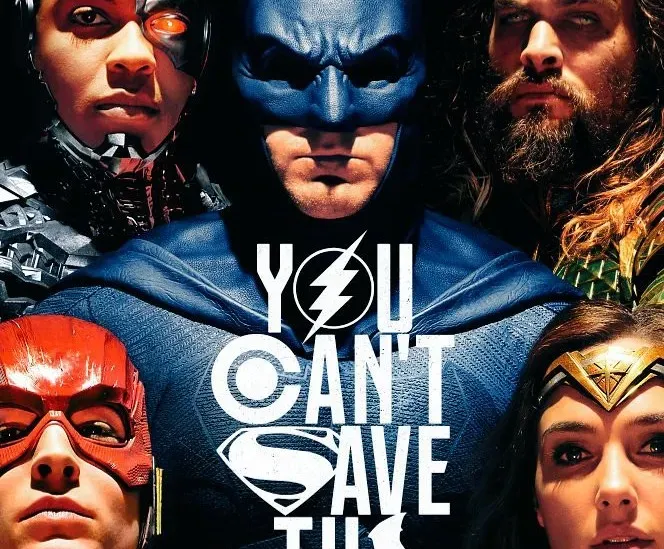
One of DC Comics’ founding heroes was simply absent from the 2017 theatrical version of Justice League. Zack Snyder always intended to include Martian Manhunter in Justice League, but he was removed from the theatrical version. Fans who grew up with the character on the page or in animated series had no idea he was meant to be part of the story at all.
When Zack Snyder’s Justice League arrived in 2021 as an extended director’s cut, the character finally got his moment. Lennix’s military character, previously known only as General Swanwick, revealed himself to be none other than J’onn J’onzz, the Martian Manhunter, having disguised himself as Martha Kent to check up on a grieving Lois Lane. It turned a minor recurring background figure into a hidden founding member of the League all along.
Woody in Toy Story
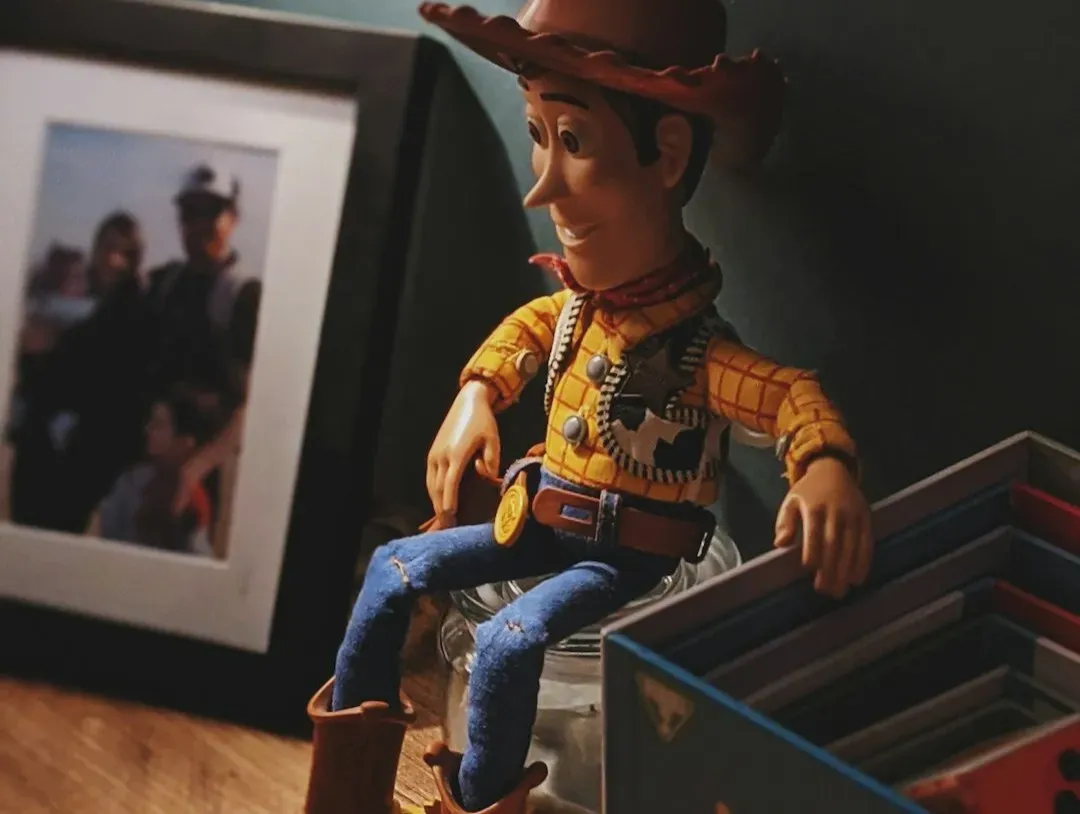
Pixar’s very first feature almost shipped with a version of its hero that audiences would not have liked. Early cuts of Toy Story portrayed Woody as sharper edged and openly jealous of Buzz Lightyear, closer to a bully than a leader, and Disney executives who screened this rougher edit were alarmed enough to pause production entirely.
The team spent months reworking Woody’s dialogue and motivations to make his jealousy feel more sympathetic and less cruel. That rewrite is widely credited with saving the film, which went on to become the first fully computer animated feature to reach theaters in 1995 and the start of one of the most successful franchises in animation history.
Biggs Darklighter in Star Wars: A New Hope
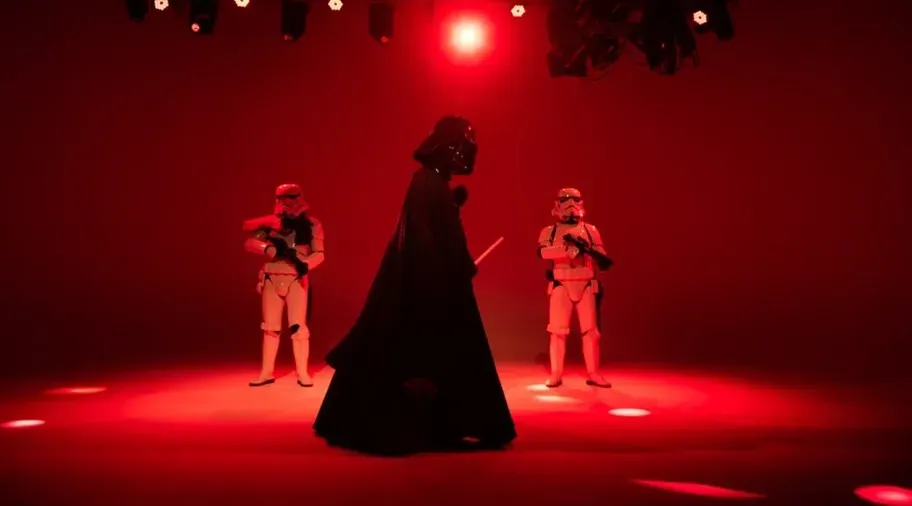
Luke Skywalker’s childhood friend Biggs was originally written as a much bigger part of the 1977 film. Scenes showing their friendship on Tatooine and a warm reunion once Biggs joined the Rebel Alliance were fully filmed, giving Luke an emotional anchor before the final Death Star battle.
Before release, George Lucas trimmed nearly all of it for pacing, leaving Biggs with only a brief appearance flying alongside Luke during the trench run. Some of that removed footage later surfaced in documentaries and behind the scenes releases, showing fans just how different Luke’s introduction to the wider galaxy was originally meant to feel.
Mary Jane Watson in The Amazing Spider-Man 2
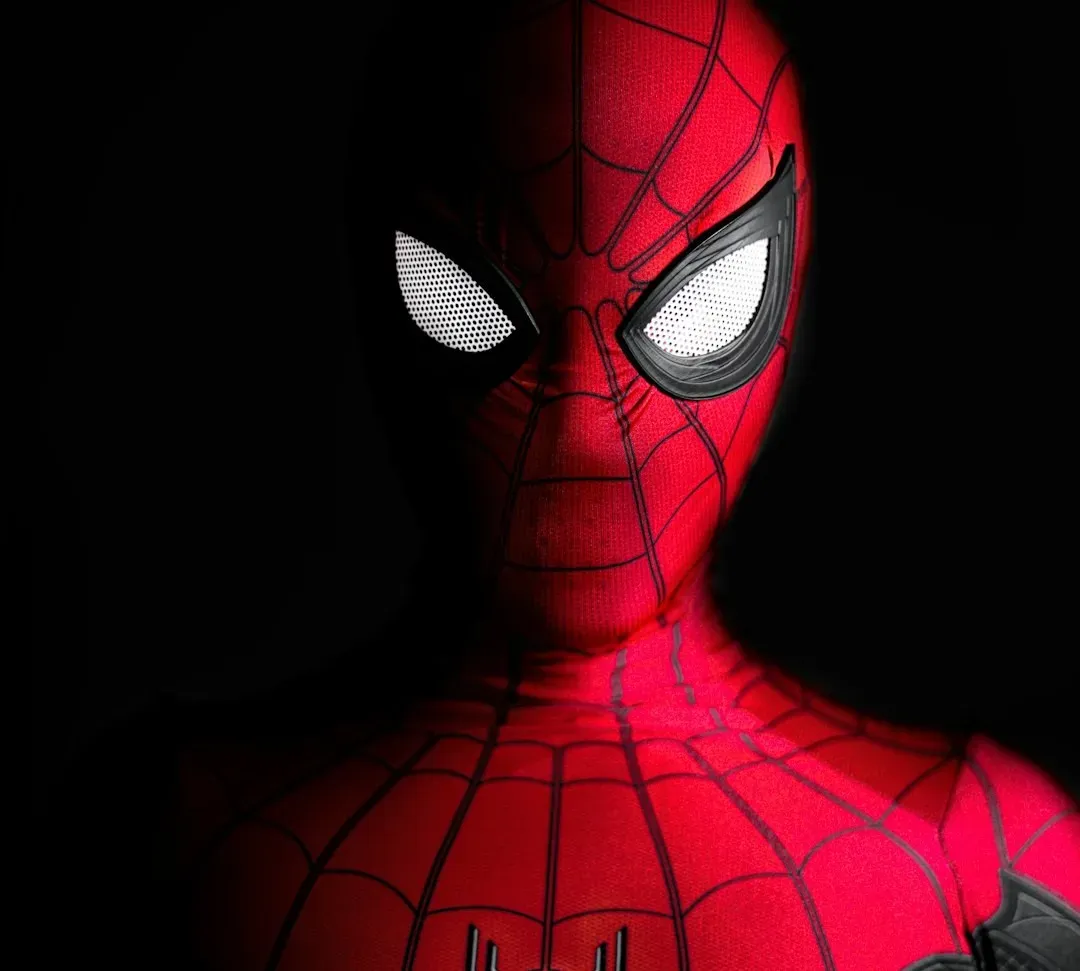
Shailene Woodley was cast as Mary Jane Watson for The Amazing Spider-Man 2 and reportedly filmed scenes for the 2014 film, only for every one of them to be removed before release. The studio was juggling multiple villains and subplots at once, and Mary Jane’s material was among the casualties as the runtime and story focus were narrowed down.
The decision left the character entirely absent from the finished movie despite her prominence in the Spider-Man comics. When Sony and Marvel later rebooted the character for the current era of Spider-Man films, Mary Jane returned in a different form, played by Zendaya, effectively starting the character’s live action story over again.
Jenet Klyburn in Batman v Superman: Dawn of Justice
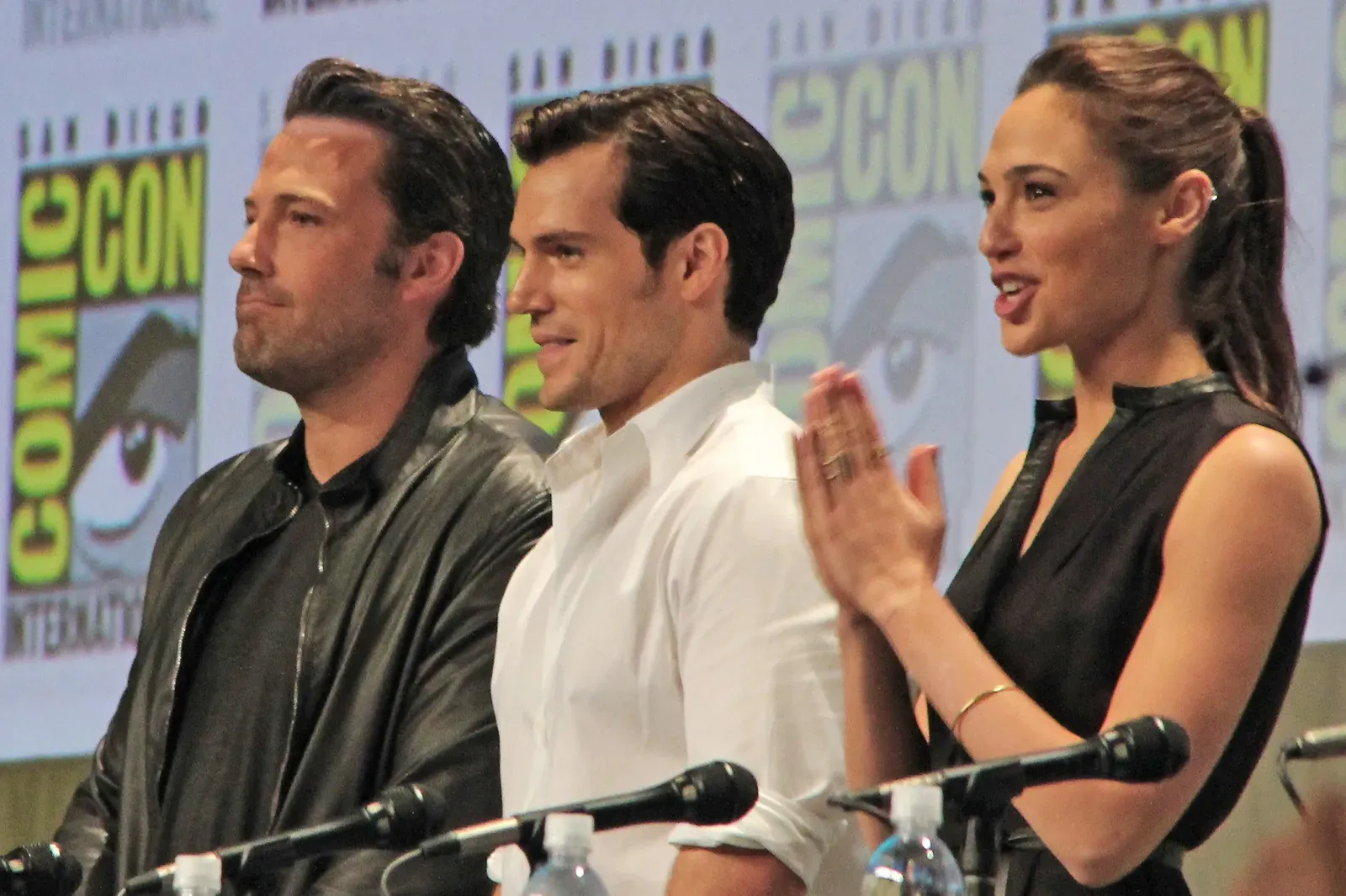
Jena Malone was cast in a substantial role for Batman v Superman: Dawn of Justice, and the mystery around her part fueled online speculation for months, with some fans guessing she might secretly be playing a version of Robin. Instead, her entire performance was cut from both the theatrical release and the later Ultimate Edition.
Zack Snyder eventually confirmed that Malone’s character was named Jenet Klyburn, a S.T.A.R. Labs scientist meant to connect subplots involving Lex Luthor’s research. Her footage has never been officially released, making her one of the more talked about ghosts in modern superhero filmmaking, a fully cast and filmed character that audiences have still never actually seen on screen.