You’ve probably noticed it. More people are passing on the steak, skipping dairy, or declaring themselves “plant-based” at dinner parties. What was once a fringe lifestyle choice has become mainstream, with restaurant chains, grocery stores, and even fast-food joints rolling out plant-based options. The market is booming. Some call it a revolution.
Yet here’s the thing: popularity doesn’t automatically equal health benefits. Are these diets actually delivering on their promises, or are we being swept up in a well-marketed trend? Let’s dig into what the science is really saying.
Cardiovascular Benefits: The Heart of the Matter


According to a 2024 review of 49 previously published papers, vegetarian and vegan diets are generally associated with better status on various medical factors linked to cardiovascular health and cancer risk. That’s a significant finding. The same review found that such diets are associated with reduced risk of ischemic heart disease, gastrointestinal and prostate cancer, and death from cardiovascular disease.
A recent umbrella review found that vegetarian and vegan dietary patterns were associated with reduced risk for CVD incidence with a relative risk of roughly fifteen percent lower, and CVD mortality with a hazard ratio showing about eight percent lower risk compared to non-vegetarian diets. A study published in The American Journal of Clinical Nutrition in 2024 found that people who ate the highest percentage of plant-based protein to animal protein had nearly a fifth lower risk of cardiovascular disease and over a quarter lower risk of coronary heart disease.
Honestly, these numbers are hard to ignore. The evidence keeps stacking up.
Weight Management and Metabolic Health


A study on identical twins found that vegan participants showed about a 20% drop in fasting insulin, while the vegans also lost an average of roughly four pounds more than the omnivores. Higher insulin levels represent a risk factor for developing diabetes, so this matters.
Plant-based diets have gained increasing attention for their potential role in preventive medicine, particularly in reducing the risk of chronic diseases such as type 2 diabetes, cardiovascular disease, obesity, and metabolic syndrome. The research suggests that adherence to a healthier plant-based diet is associated with a roughly eight to sixty-eight percent lower risk for metabolic risk factors, diabetes, and cardiovascular disease.
That’s a pretty wide range, I’ll admit. Quality matters enormously. Still, the trend is clear.
The Market Explosion: Numbers Tell a Story


Let’s talk money for a second. The plant-based food market is projected to grow to over fifty-six billion dollars in 2025, reaching approximately 161 billion dollars by 2034, expanding at a compound annual growth rate of roughly twelve percent. The nonprofit behind Veganuary tallied nearly twenty-six million participants in January 2025, a thirty-five percent increase over 2024, with sign-ups spanning 228 countries and territories.
In October 2025, the Physicians Committee for Responsible Medicine and Morning Consult conducted a poll and found that roughly two-thirds of adults in the United States would consider adopting a plant-based, low-fat diet if their doctor recommended it. People are genuinely curious. The momentum is undeniable.
The Nutritional Deficiency Debate: Not So Simple


Here’s where things get complicated. Veganism is associated with low intake of vitamins B2, Niacin, B12, D, iodine, zinc, calcium, potassium, and selenium. That’s quite a list. Evidence indicates that vegan, but not vegetarian, diets can restrict growth relative to omnivorous children and increase the risk of being stunted and underweight, although the percentage affected is relatively small.
Roughly a third of those children might be at risk of vitamin B12 deficiency, which can result in developmental impairment. This is serious stuff, particularly for vulnerable populations. A Czech family study showed that vegans have comparable growth characteristics and signs of better cardiometabolic health, while having lower iodine status.
Partner offer

Supplementation becomes essential, not optional. It’s hard to say for sure if everyone is doing it right.
Plant-Based Meat Alternatives: Healthy or Hype?


Walk into any supermarket and you’ll see shelves packed with meat alternatives. In the US, the plant-based meat market has increased by over seventy-four percent over the last three years to roughly 1.8 billion dollars in 2023. These products promise convenience without compromise.
Most plant-based meat alternatives are good sources of dietary fiber, contain phytochemicals, have comparable levels of iron, and are lower in calories, saturated fat, and cholesterol than meat. Sounds great, right? However, PBMAs frequently contain anti-nutrients, have less protein, iron, and vitamin B12, are lower in protein quality, and also have higher amounts of sodium.
A meta-analysis found that substituting plant-based meat alternatives for meat for eight weeks or less lowered total cholesterol by six percent, LDL-cholesterol by twelve percent, and body weight by one percent in adults without cardiovascular diseases. Not exactly dramatic, but measurable.
The Quality Question: Not All Plants Are Created Equal
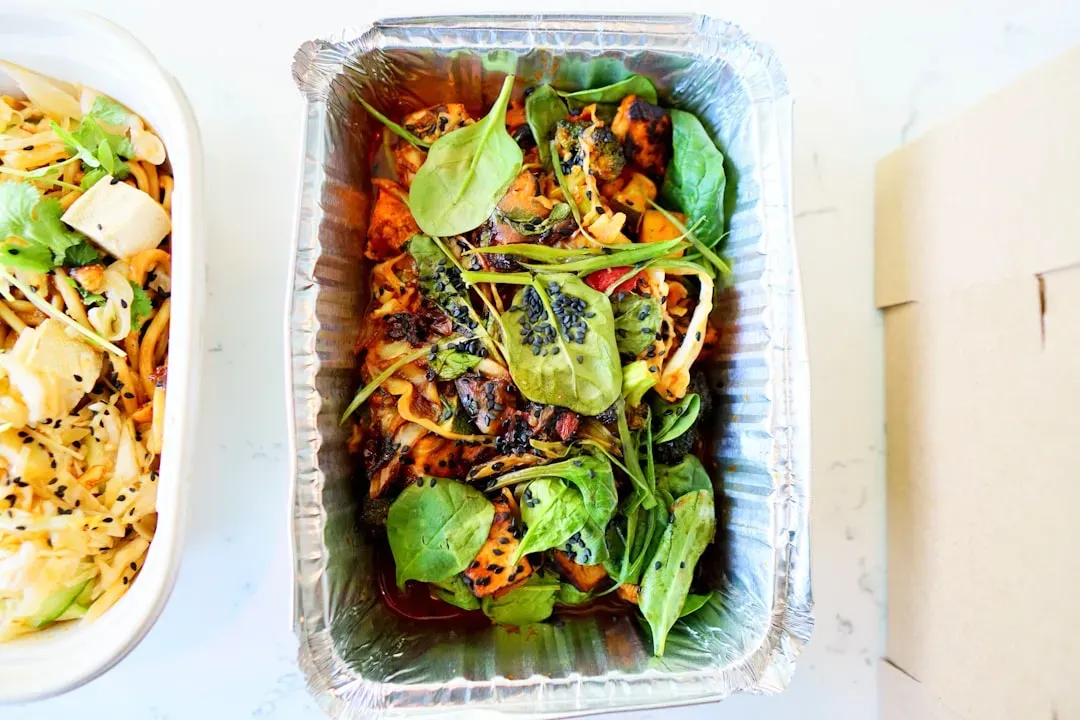
Let’s be real: eating vegan junk food is still eating junk food. Adherence to an unhealthier plant-based diet is associated with a ten to sixty-three percent higher risk for metabolic conditions. The type of plant-based diet you follow matters enormously.
The dramatic reductions in animal-sourced foods entailed by many plant-based diets will worsen already prevalent micronutrient and protein deficiencies, with protections against chronic diseases appearing more strongly associated with reduced intakes of calories and salt, and increased intakes of fruit, vegetables, nuts and whole grains. It’s not just about removing meat; it’s about what you replace it with.
Completely transitioning to plant-based dietary patterns reduces protein intake and, potentially, incurs risks of deficiency when compared with country-specific nutrient reference values. Thoughtful planning isn’t optional – it’s essential.
The Bottom Line: Proceed With Eyes Wide Open

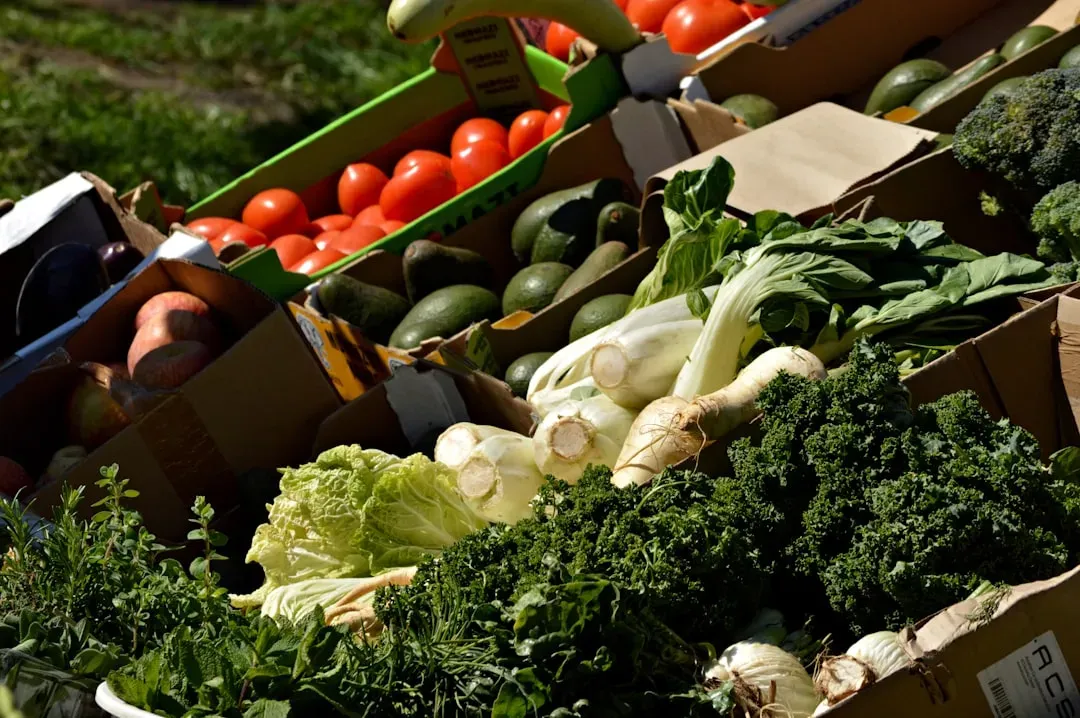
Overall, vegetarian and vegan diets are significantly associated with better lipid profile, glycemic control, body weight, inflammation, and lower risk of ischemic heart disease and cancer. That’s powerful evidence for their health potential.
Yet the superiority of a vegan diet over other plant-based diets has not been definitively established, and rather than requiring a complete shift to vegetarianism, incorporating more plant-based foods into the diet would be a more sustainable and less demanding strategy for cardiovascular disease prevention. You don’t have to go all-in overnight.
The healthiest approach? Focus on whole foods – vegetables, legumes, whole grains, nuts, and seeds. If you’re going fully plant-based, supplement strategically, especially B12, vitamin D, and potentially iodine and zinc. Monitor your health markers. And remember: a poorly planned plant-based diet can be just as problematic as a meat-heavy one.
Are plant-based diets healthier? They certainly can be, when done right. The science supports cardiovascular benefits, improved metabolic markers, and potentially longer life spans. The trick is avoiding nutritional gaps while maximizing whole food intake. What’s your take on making the switch? Would you commit to a fully plant-based lifestyle, or does flexibility sound more sustainable to you?
Partner offer
Planning a trip to Vegas?
Compare hotel rates and show tickets on VEGAS.com.