You’re walking through The Venetian, minding your own business, when suddenly a melody lodges itself in your brain like an unwanted guest. Three hours later, you’re still humming it at the blackjack table. We’ve all been there. That inexplicable moment when a song grabs hold of your mind and refuses to let go, playing on repeat like a broken jukebox in your head.
What makes certain tunes so sticky? Why do some songs feel like old friends the first time we hear them? The answer lies deeper than catchy hooks and memorable choruses. It’s a fascinating blend of neuroscience, psychology, and mathematical patterns that our brains can’t resist. Let’s dive in.
The Neural Loop That Won’t Quit


Our brains are pattern-recognition machines, constantly scanning for familiar structures in everything we encounter. When a song hits just the right combination of predictability and novelty, it creates what neuroscientists call an “involuntary musical imagery” loop. The auditory cortex essentially gets stuck in a groove, replaying the same snippet over and over.
Here’s the thing. This isn’t a bug in our mental software, it’s actually a feature. The same mechanism that makes earworms possible also helps us learn language, remember important information, and navigate our world. Songs with simple, repetitive melodies are more likely to trigger this loop because they’re easier for our brains to encode and recall.
Research from Goldsmiths, University of London found that songs with faster tempos and more generic melodic structures tend to be the stickiest. Think of something like “We Will Rock You” or “Happy Birthday.” These aren’t complex compositions, but they’re nearly impossible to forget once they start playing.
The Mathematical Sweet Spot

Every earworm shares something in common. It exists in what musicians and scientists call the “goldilocks zone” of musical complexity. Too simple, and the song becomes boring. Too complex, and our brains can’t latch onto it. The perfect earworm sits right in the middle.
Most hit songs use a remarkably narrow range of pitch intervals. Studies analyzing thousands of popular tracks found that successful earworms typically move in small steps between notes rather than big leaps. Our brains find these patterns comforting and easy to predict, which makes them easier to remember and harder to shake.
The verse-chorus-verse structure so common in pop music also plays directly into our cognitive preferences. We love patterns that repeat with slight variations. It’s why Las Vegas shows repeat their most spectacular moments, why slot machines use similar sound patterns, and why your favorite restaurant probably serves the same signature dish you order every time.
Why Familiarity Breeds Content


Ever noticed how a brand new song can sound oddly familiar even on first listen? That’s not déjà vu, it’s your brain recognizing underlying patterns it’s encountered before. Pop music especially relies on a limited set of chord progressions that appear again and again across different songs.
The infamous I-V-vi-IV progression shows up in hundreds of hit songs. Your brain has heard this sequence so many times that when a new song uses it, there’s an instant sense of recognition. It feels like coming home, even though you’ve never heard that specific song before.
This explains why certain genres produce more earworms than others. Pop and commercial country music tend to generate the stickiest songs because they deliberately use these familiar frameworks. They’re engineered for instant recognition, which is exactly what makes them so effective at worming their way into our consciousness.
The Role of Repetition and Rhythm


Repetition isn’t just a songwriting technique, it’s a psychological weapon. When a phrase or melodic fragment repeats multiple times within a song, it creates what’s called a “cognitive itch.” Our brains notice the pattern and want to complete it, even after the song ends.
Rhythm plays an equally crucial role. Songs with clear, driving beats are more likely to become earworms because rhythm engages our motor cortex, the part of the brain responsible for movement. That’s why you can’t help but tap your foot or nod your head to certain songs. Your brain is physically processing the rhythm, making it even more memorable.
The most persistent earworms combine both elements. They have a repeated melodic hook paired with an infectious rhythm. Think of “Uptown Funk” or “Don’t Stop Believin’.” These songs don’t just occupy your auditory cortex, they hijack your entire motor system.
Emotional Anchors and Memory


Music and emotion are deeply intertwined in our neural architecture. The limbic system, which processes emotions, sits right next to the auditory cortex. When a song triggers an emotional response, it gets tagged as important, making it more likely to stick around in your memory.
This is why the song playing during a significant moment in your life becomes permanently etched in your brain. Maybe it was playing during your first drive down the Strip, or during a memorable night at a show. The emotional context supercharges the memory, making the song instantly familiar every time you hear it afterward.
Interestingly, the emotional charge doesn’t have to be positive. Songs associated with stress, anxiety, or even annoyance can become just as sticky as those linked to happy memories. Your brain doesn’t discriminate, it just remembers what felt important at the time.
The Zeigarnik Effect in Music


There’s a psychological principle called the Zeigarnik Effect that explains why unfinished tasks stick in our minds more than completed ones. The same thing happens with songs. When a melody gets interrupted or when you only hear part of a song, your brain wants to complete the pattern.
This is partially why earworms tend to be fragments rather than entire songs. You rarely get a complete performance stuck in your head. Instead, it’s usually the chorus or a specific hook, playing on an endless loop. Your brain is trying to resolve the incompleteness, but since there’s nothing to resolve, the loop continues indefinitely.
Radio stations and streaming services understand this perfectly. They often play abbreviated versions of songs or fade them out at strategic points. It leaves listeners wanting more, making the song more memorable and increasing the likelihood you’ll seek it out later.
Individual Susceptibility Varies

Not everyone experiences earworms with the same frequency or intensity. Musicians and people with musical training tend to get them more often, likely because their brains are more attuned to processing musical information. But it’s not necessarily a blessing.
Roughly about three quarters of people report experiencing earworms on a regular basis, but the experience differs wildly. Some people enjoy their earworms and find them pleasant company. Others find them intrusive and frustrating, especially when the same fragment plays for hours on end.
Personality traits also play a role. People who score high in openness to experience and neuroticism tend to report more frequent earworms. Your current mental state matters too. When you’re tired, stressed, or distracted, your brain is more susceptible to getting stuck in these musical loops.
The Cultural Component


What becomes an earworm isn’t just about musical structure, it’s also about cultural exposure. Songs that dominate radio play, streaming playlists, and public spaces in places like Las Vegas casinos are more likely to become earworms simply because you hear them more often. Mere exposure breeds familiarity.
This explains why earworms tend to be current hits or nostalgic classics rather than obscure album tracks. The songs that get the most airtime create the deepest neural pathways. When you hear the same song dozens of times within a few weeks, your brain has no choice but to memorize it.
Different cultures also have different earworm triggers. A melody that’s impossibly sticky in one country might not have the same effect elsewhere because it lacks the cultural context and repeated exposure needed to cement itself in collective memory.
How to Intentionally Shake an Earworm
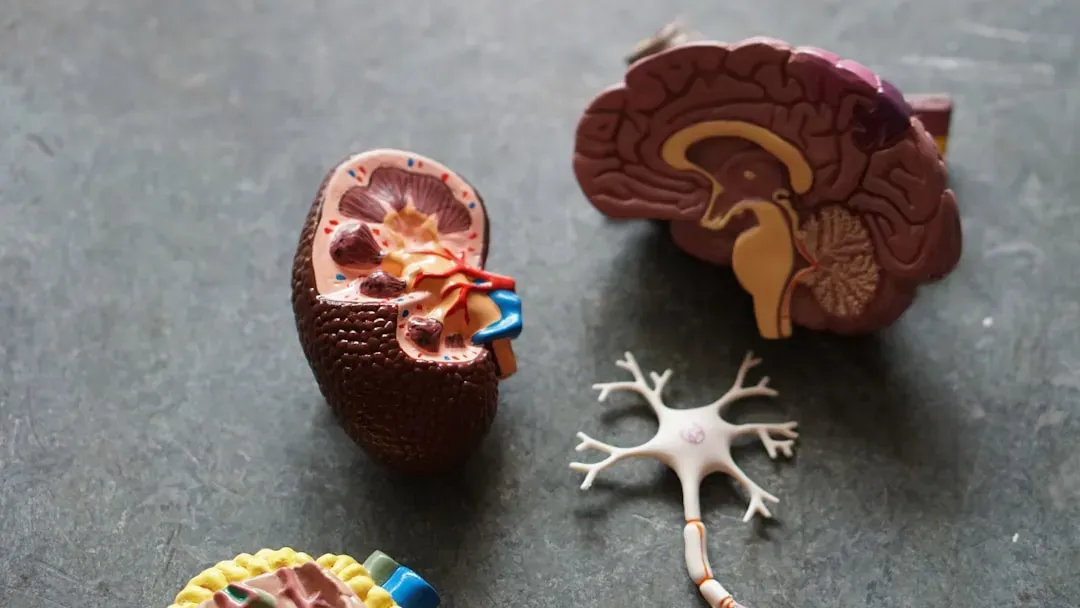
Once an earworm takes hold, getting rid of it can feel impossible. The most counterintuitive solution is often the most effective. Listen to the entire song from start to finish. This gives your brain the sense of completion it’s craving, often breaking the loop.
Another strategy involves replacing the earworm with a different song. Choose something with a similar tempo and energy level, but one that’s less repetitive or emotionally neutral. Your brain will often accept the substitution, trading one loop for a less persistent one.
Engaging your working memory with a different task can also help. Solving puzzles, reading complex material, or having an involved conversation occupies the same neural real estate that the earworm is using. Eventually, the song fades into the background.
Conclusion

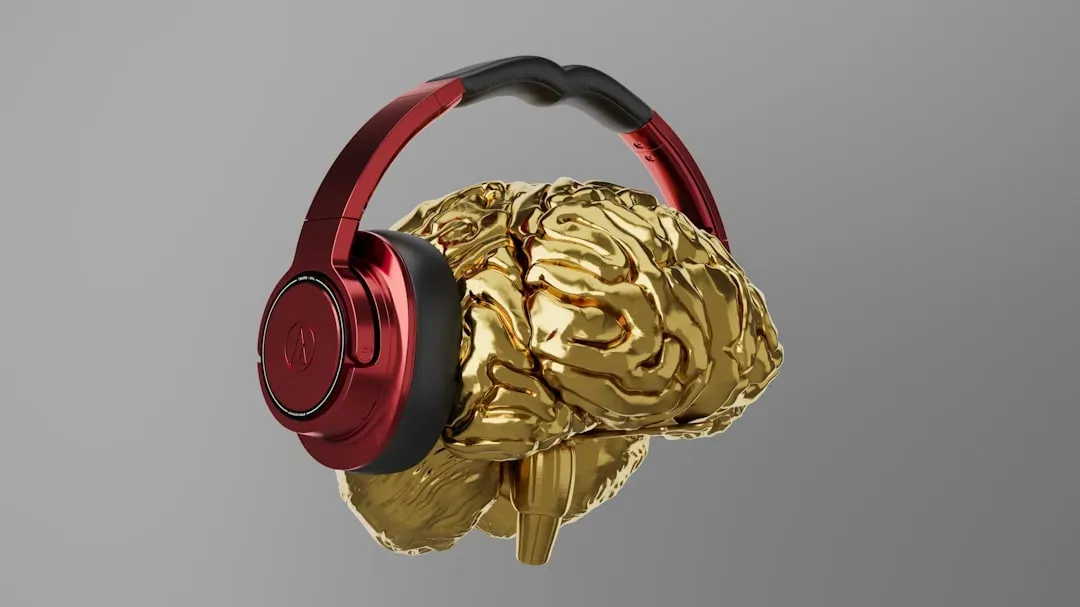
The science of earworms reveals something fundamental about how our brains process information, seek patterns, and create memories. These sticky melodies aren’t just random annoyances, they’re windows into our cognitive architecture. Every earworm represents your brain doing its job, maybe just a bit too well.
Next time you find yourself humming the same four bars for the tenth time while wandering through the Forum Shops, remember that you’re experiencing a phenomenon that connects neuroscience, mathematics, psychology, and culture. It’s frustrating, fascinating, and utterly human. What’s the most persistent earworm you’ve ever experienced? The one that just wouldn’t quit no matter what you tried?