
The moment you step through the doors of a major Las Vegas casino, something subtle happens. Before you register the lights, the noise, or the layout, your nose has already begun processing the environment around you. It’s not accidental. That pleasant, hard-to-identify fragrance drifting through the air is part of a calculated sensory strategy that’s been decades in the making.
Where It All Began: The Origins of Casino Scent Marketing
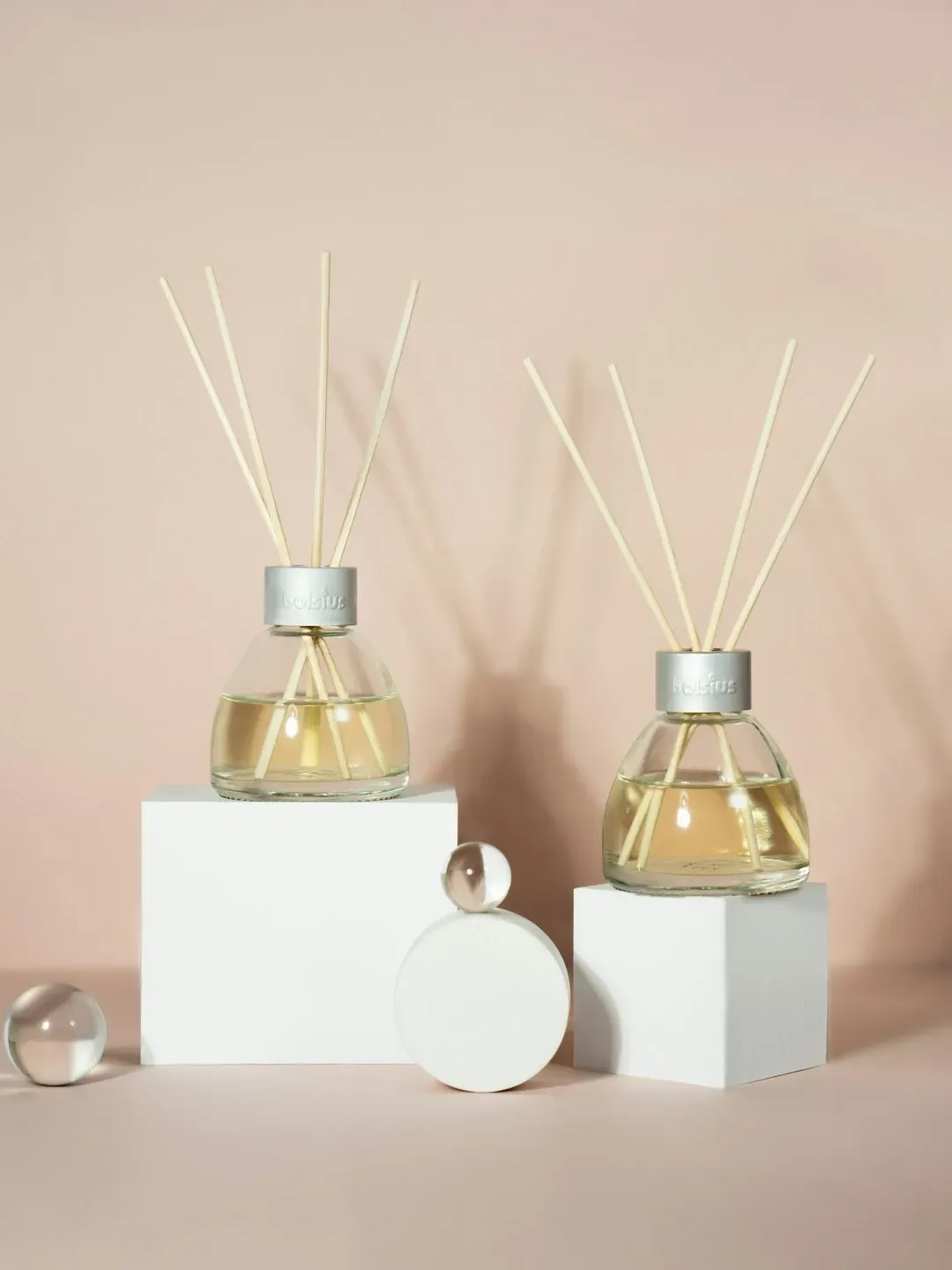
The first casino scent diffusion system was installed by Mark Peltier and his company AromaSys at the Mirage in 1991. The system consisted of large metal devices attached to the ventilation system, pumping fragrant oils into the ducts where airflow diluted and distributed them. The scent was called “Tropical Coco Mango,” a blend of orange, pineapple, tropical jasmine, sweet coconut, and musk.
When fragrances were first used in casinos more than a few decades back, it was primarily to mask the foul odor of smoke, but today all that has changed and scents play a very complex and vital role in increasing casino revenue and visits. What started out as an effort to minimize the impact of cigarette smoke in casino air has blossomed into a growing business for companies that develop custom fragrance blends for resorts worldwide. What began as a practical fix quietly evolved into one of the most sophisticated forms of behavioral marketing in any industry.
The Brain-Nose Connection That Makes It All Work

Our sense of smell is directly connected to the limbic system in the brain, which controls memory and emotion, and the right fragrance will encourage players to relax, stay longer, and spend more. As a result of the way our brain operates, the ability to smell things is processed directly by the brain without any conscious thought or analysis, which is why smell is capable of eliciting memories and feelings.
Research reports that nearly three quarters of the emotions we generate on a daily basis are affected by smell, which encourages guests to feel good and spend more. Scent affects both mind and body. It can immediately create or connect to a memory as well as have a potent physiological impact. A putrid odor can literally make one sick, and a pleasing smell can improve a mood. That’s a powerful lever, and casinos know exactly how to pull it.
The Slot Machine Studies That Changed Everything
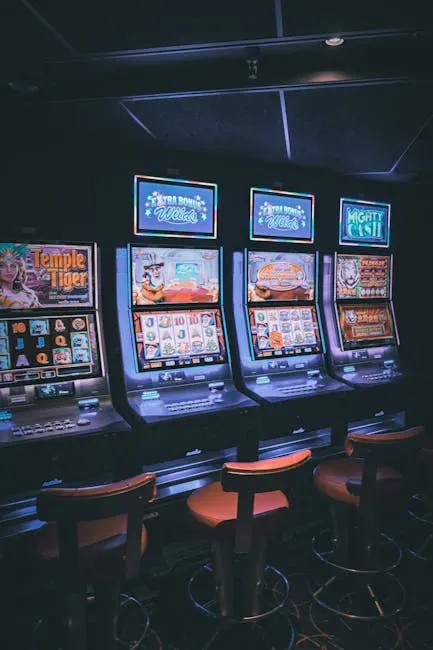
To investigate the effects of ambient aromas, two slot machine areas in a Las Vegas casino were odorized, each with a different aroma, while a third slot machine area served as an unodorized control. The amounts of money gambled in the three areas were measured and compared for the weekend of the odorization and for the weekends before and after as well, to control for extraneous variables.
The paper found that the scented side of the casino generated roughly 45% more revenue on a daily basis than the unscented control side, confirming the hypothesis that scents utilized within casinos are able to affect player behavior, which could result in greater expenditure. Further research using eye-tracking methods found that pleasant ambient scent prolongs attention and induces more frequent attention to the win and loss areas on the video screen. The numbers aren’t marginal. They represent a genuinely significant shift in guest behavior driven by something most people never consciously notice.
How Signature Scents Become a Brand Identity
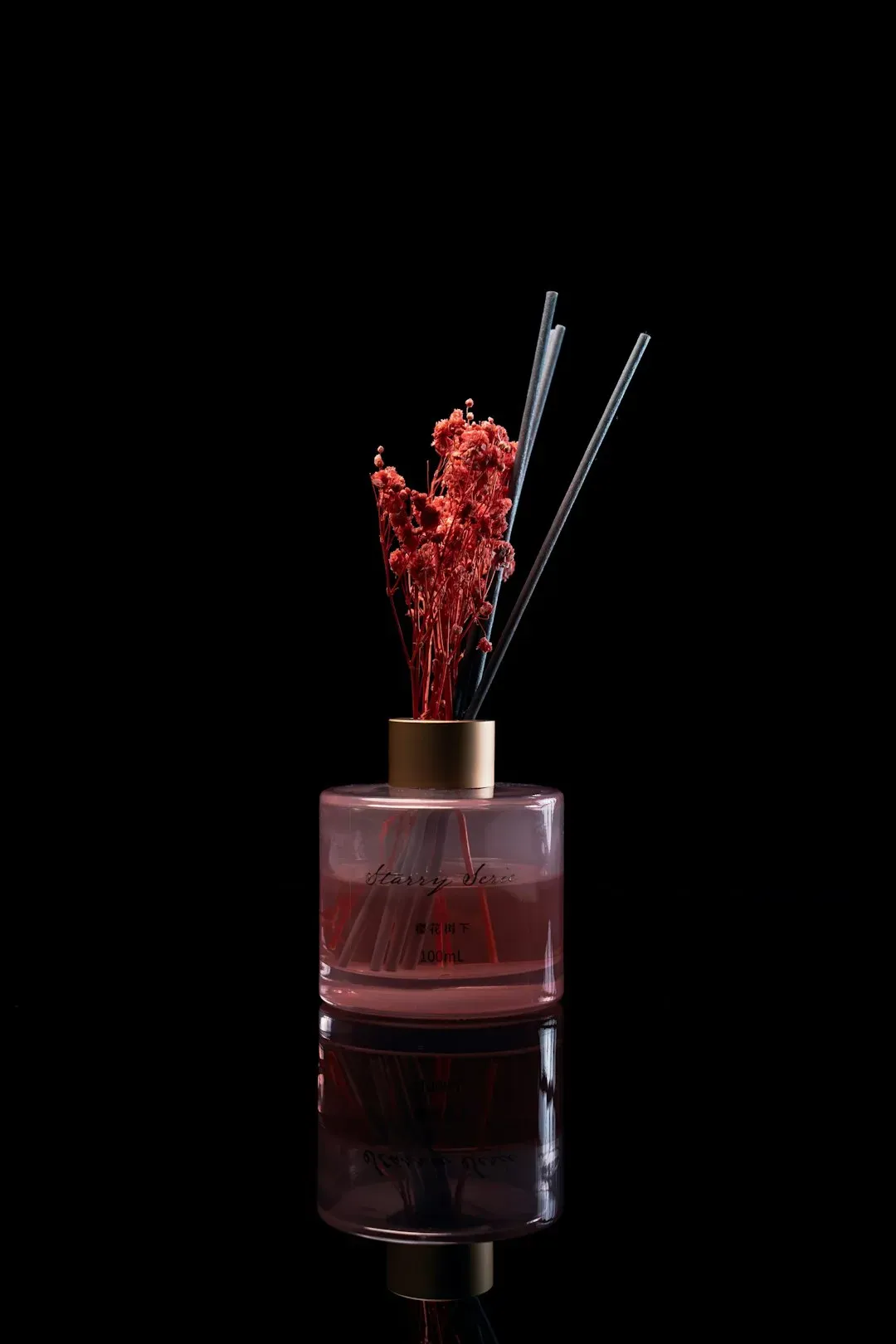
Almost every Las Vegas casino has harnessed the power of scent, which is why they have all invested in creating their own unique fragrances. These scents are not accidents. They are developed by expert fragrance marketing firms using aroma diffusers placed in strategic positions within the casino, and the goal is consistency and reinforcement of the brand at a subliminal level.
The Aria Resort and Casino uses a crisp, aquatic scent with floral notes that reinforces its sophisticated reputation. MGM Grand uses a lemongrass and green tea scent that conveys peace and elegance. The Bellagio uses a white tea and fig scent consistent with its luxurious European theme. Each casino has its own custom scent designed by its scent marketing company, and these are usually proprietary scents, specifically to avoid having a competitor steal their smell. In this way, scent functions almost like a logo. Invisible, but unmistakable.
The Specific Aromas Casinos Choose and Why
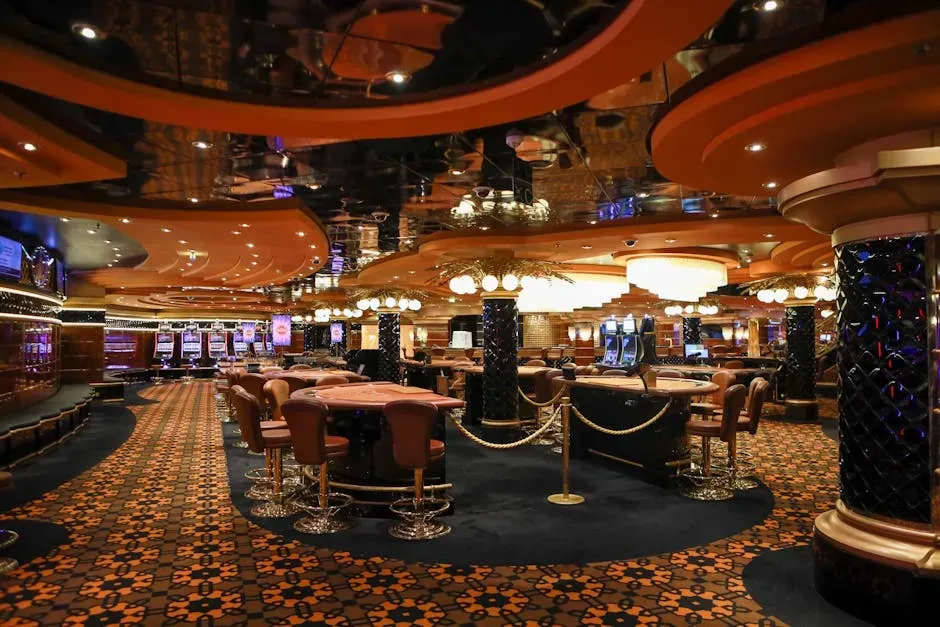
Citrus aromas are refreshing, while floral, cedar, and other woodsy scents are soothing and relaxing, as are herbaceous aromas which can also be invigorating, such as peppermint. Lavender and green tea fragrances are relaxing and can be applied on casino floors or in lounges to lower tension and promote longer stays, while stimulating fragrances like citrus are associated with wakefulness and are often used in high-traffic areas such as slot machine areas or table games.
Partner offer
Warm, uplifting scents such as geranium have been found to alleviate nervousness and anxiety, which could be particularly helpful for a casino because patrons are often spending more than they should on games at the mercy of chance. Scents that evoke cleanliness have a profound effect on the average slot machine and casino player, perhaps due to the amount of time usually spent gambling, which could be days as opposed to a few hours of shopping. The choice of fragrance is never random. Each one is mapped carefully to a specific emotional outcome.
The Technology Behind Scent Diffusion on Casino Floors

Casinos install metallic boxes, roughly five inches by twelve inches, in the venting ducts. These boxes distribute expensive essential oils formulated especially for each casino, and the scent is diluted as it travels through the ventilation system before reaching guests. Technologically advanced diffusion systems integrated with HVAC heating, ventilation, and air conditioning distribute the scent evenly and subtly enough that it’s present but not overpowering.
The intensity, timing, and location of scent diffusion are critical. A well-designed scent strategy ensures that the aroma is noticeable but not overwhelming, maintaining a consistent presence throughout the customer experience, and for large entertainment venues, uniform diffusion prevents scent fatigue and maintains brand consistency. Advancements in scent technology now allow for programmable systems that can adjust scent intensity depending on the time of day or visitor flow, ensuring that guests receive a fresh and positive olfactory impression regardless of when they arrive or how busy the location is.
How Scent Shapes Spending and Time on the Floor
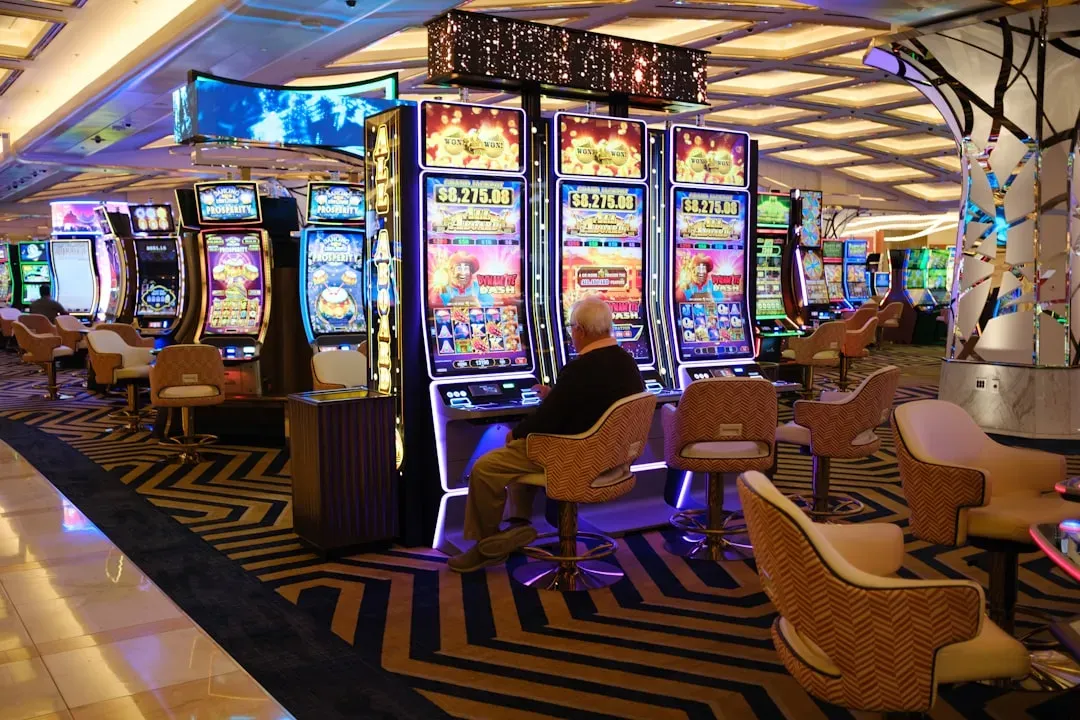
Research indicates a roughly 40% improvement in mood when people are exposed to a pleasing scent, which is critical to boosting optimism and decreasing anxiety in casino environments. In a study conducted by Samsung, shoppers underestimated the amount of time they spent in an environment by about a quarter and visited three times more sections when exposed to aromas, which suggests longer visits and more time spent per game in a casino context.
Studies within casino environments have shown a correlation between ambient scent and increased gaming duration, suggesting that players may feel more relaxed and engaged when surrounded by familiar or pleasant aromas. Research further suggests that odors can influence mood and behavior without people realizing it, potentially increasing time on site and spending per visit. In a broad survey of almost a thousand people, roughly 86% admitted that a fragrance could evoke a vivid memory of the past. That kind of emotional pull, operating mostly below the surface, is exactly what casinos are counting on.
The Ethics of Invisible Influence and What It Means for Guests
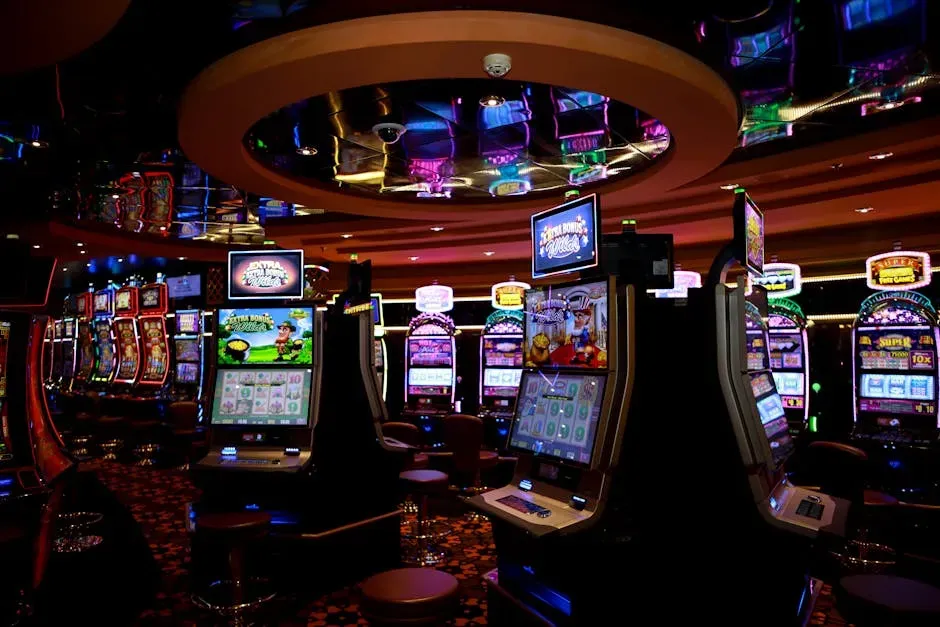
Many casinos diffuse a pleasant ambient scent into their facilities as a customer experience management practice, but the ethics of this scenting process is questionable. Scent marketing must be implemented ethically and with consideration for health and inclusivity, as strong or artificial scents may trigger allergic reactions or discomfort in some individuals, making hypoallergenic and non-intrusive formulations important.
The scent volume differs greatly between properties. Some keep their scents at barely noticeable levels, conveying more of an impression of freshness rather than an identifiable smell, while other properties opt for a more aggressive dispersion approach. Watchdog groups concerned with indoor air quality find this sort of approach troubling, though actual complaints remain rare. Casino fragrance marketing introduces a distinct element to the guest experience: sensory branding through the sense of smell, operating where visual and audio methods cannot reach. Knowing this doesn’t necessarily make the experience less enjoyable, but it does raise a fair question about how much of our behavior is genuinely our own when we’re inside a space engineered at every level to shape it.
Conclusion: The Invisible Architecture of Experience
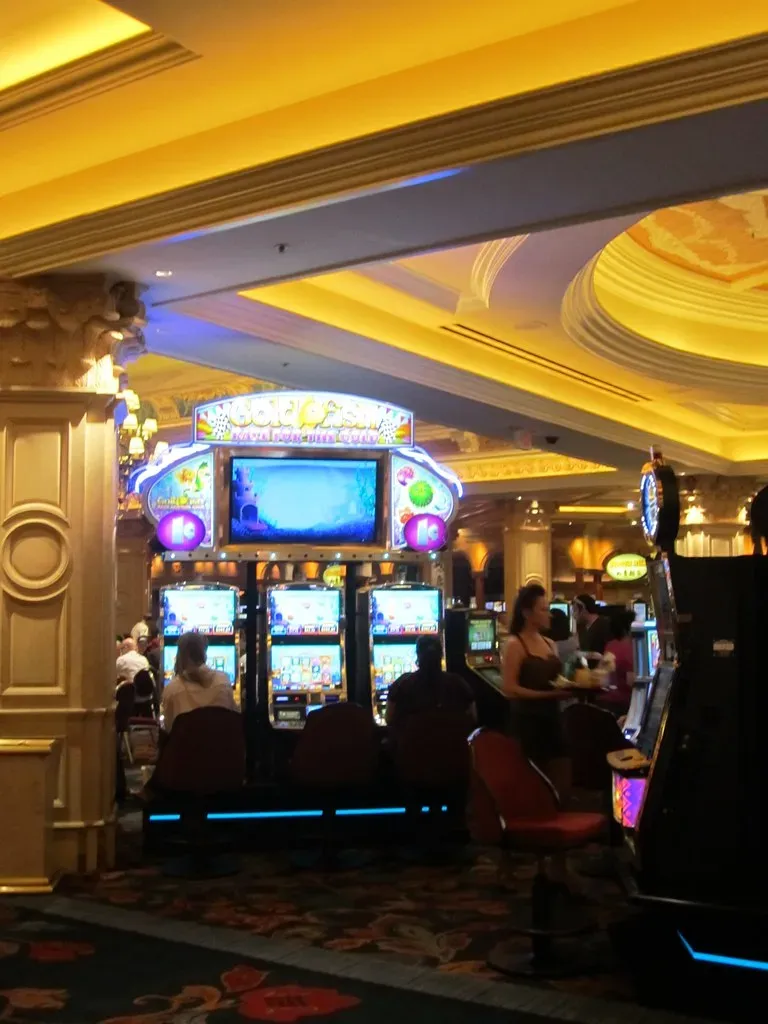
Casinos are meticulously crafted psychological environments, engineered to keep players engaged, excited, and immersed for long periods, and every detail from lighting and layout to sounds and scents plays a subtle yet powerful role in influencing player behavior. Introducing fragrance into the air is part of a growing hospitality industry trend toward multisensory marketing, eliciting favorable impressions not only by what someone sees or hears but also smells, feels, and remembers, to create an overall positive impression about the resort experience.
What research on scent marketing consistently reveals is that we smell with our brain and not our nose. This means we connect every smell with an experience and subconsciously use our sense of smell in our decision-making process. Scent in a Las Vegas casino isn’t decoration. It’s architecture you can’t see, built to make you feel at ease, stay a little longer, and maybe spend just a bit more than you planned. The next time that familiar fragrance hits you as you walk through those doors, you’ll know exactly what it’s doing.
Partner offer
Planning a trip to Vegas?
Compare hotel rates and show tickets on VEGAS.com.