Hollywood loves to tell you a sequel is “unnecessary” right up until it becomes one of the biggest hits of the year. Critics roll their eyes, fans on social media groan about cash grabs, and studios get accused of milking a franchise dry. Then the numbers come in, and suddenly nobody is complaining quite as loudly.
There’s a strange pattern running through film history where the follow up that seemed pointless on paper ends up making more money than the movie that started it all. Sometimes it’s timing, sometimes it’s nostalgia, and sometimes audiences just wanted something familiar more than they realized. Here are nine sequels that proved doubters wrong at the box office, backed by the numbers that made studios very happy.
Top Gun: Maverick outflew a movie thirty six years in its shadow

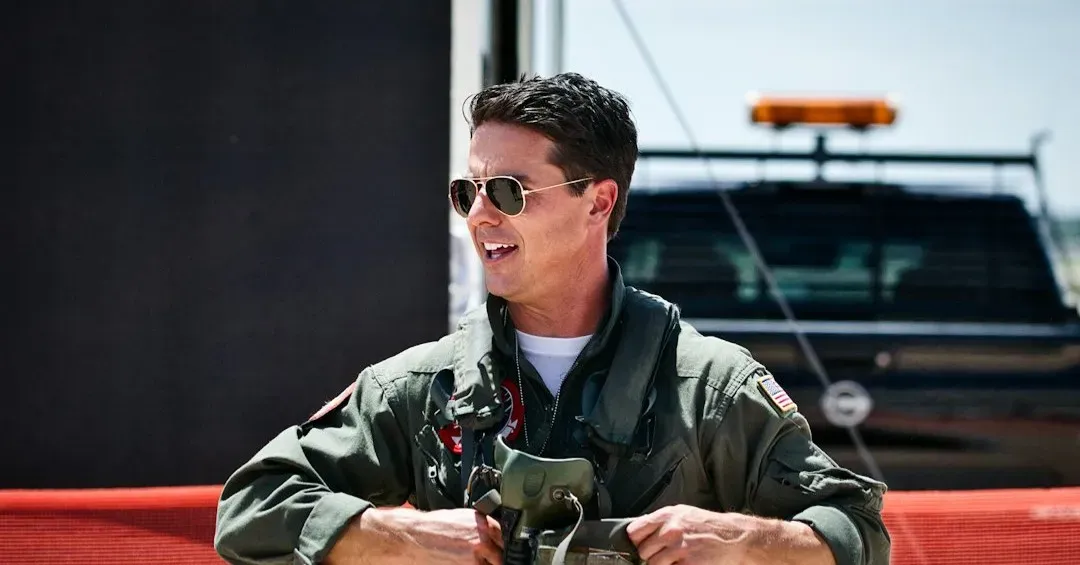
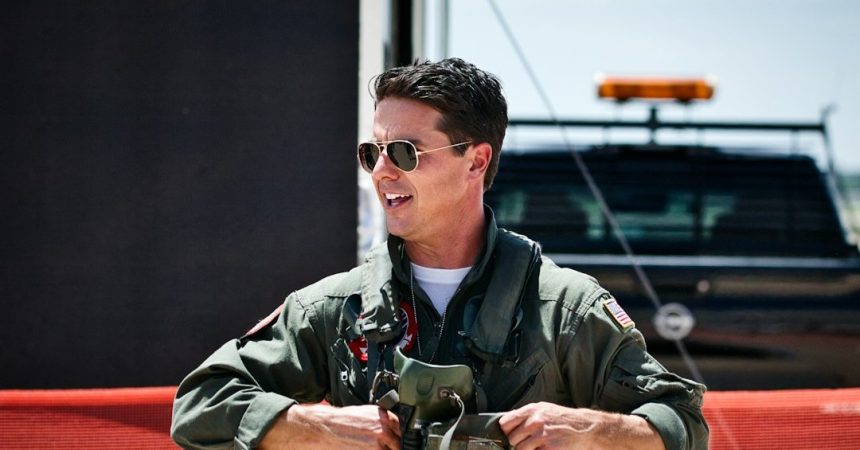
When Paramount announced a follow up to a 1986 fighter jet drama, the reaction from a lot of people was polite confusion. Since the release of Top Gun: Maverick, there had been much buzz comparing the sequel to its predecessor, with the newer film despite being released 36 years after the first Top Gun, grossing over a billion dollars and becoming the highest-grossing film of 2022. Tom Cruise was in his late fifties, the aerial combat premise felt dated, and plenty assumed nostalgia alone couldn’t carry a two hour film.
The original Top Gun earned $176,781,728 domestically, while the sequel surpassed that run entirely, bringing in $718,732,821 domestically. The 2022 sequel made a total of 1.496 billion worldwide and became the highest-grossing film of Cruise’s career, ranking as the No. 1 domestic box office hit that year and the second highest grossing movie of 2022 overall. It wasn’t just a bigger number either. It arrived with a 98 percent Rotten Tomatoes score, meaning it out earned and out reviewed the film it was following.
Sonic the Hedgehog 2 sprinted past a movie fans nearly boycotted

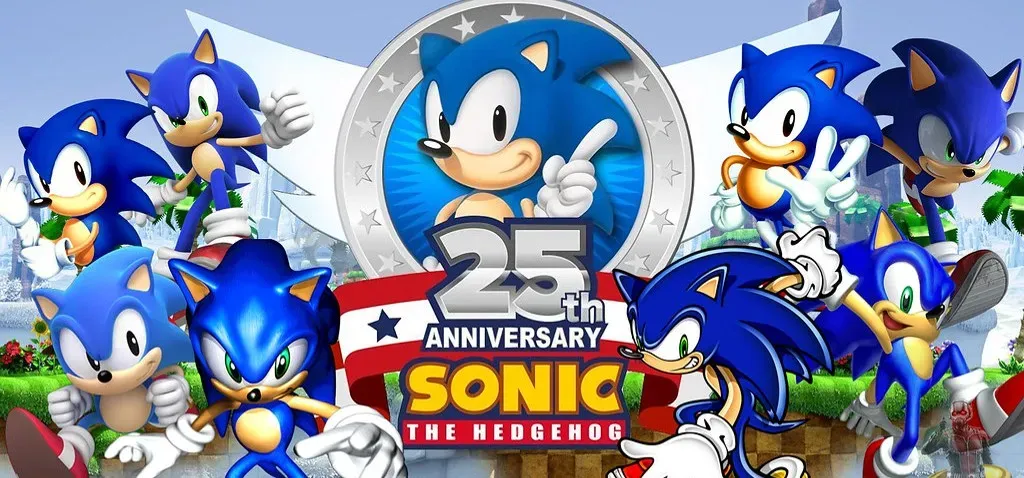
The first Sonic movie is remembered less for its plot and more for the internet meltdown over Sonic’s original character design, which Paramount had to redo before release. Given that rocky start, a sequel seemed like an odd bet, especially since it was greenlit and produced in the middle of a pandemic when theaters were still recovering.
Green-lit, produced, and released during the pandemic, the sequel exceeded all pre-release expectations by coming in 22 percent above the 2020 original. Sonic the Hedgehog 2 overtook both its predecessor and that year’s Uncharted to become the highest-grossing video game movie of all time in the U.S., and eventually reached $331.64 million worldwide, surpassing its predecessor’s $319.71 million. By the time it finished its run, the film had earned about eighty million dollars more than its 2020 predecessor globally, while earning reviews and buzz comparable to the first film.
Despicable Me 2 turned minions into a billion dollar business

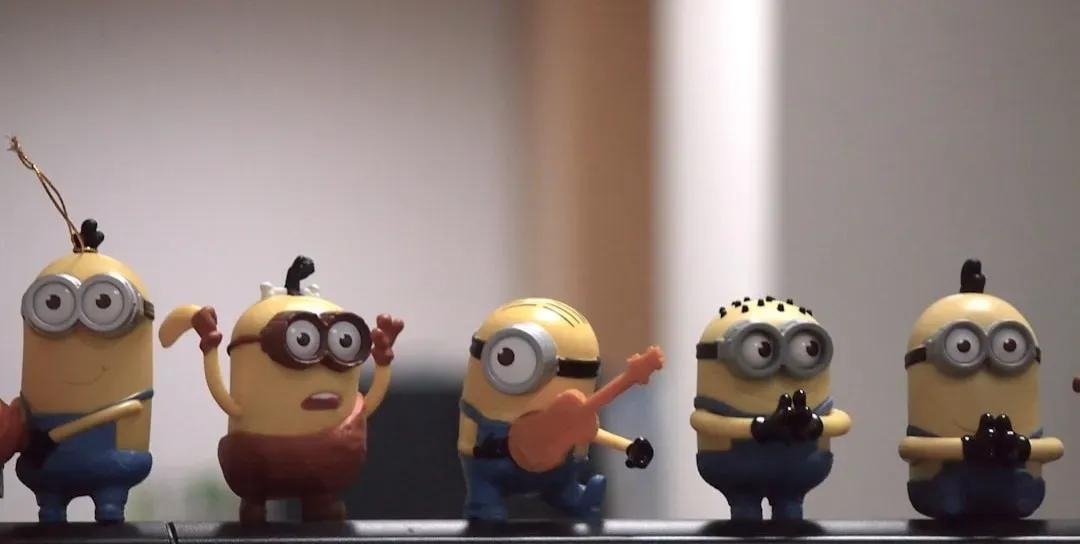
The first Despicable Me was a pleasant surprise in 2010, a modestly budgeted animated film about a supervillain that nobody expected to spawn an empire. A sequel felt like a reasonable but unremarkable next step, especially with Pixar and DreamWorks dominating the animation conversation at the time.
Despicable Me had grossed $251.7 million in the United States and Canada and $292 million internationally, totaling $543.6 million worldwide. Despicable Me 2 proved that sequels can indeed surpass their predecessors, not only outdoing its original at the box office but also deepening the audience’s connection with new characters. The sequel ultimately generated $975 million globally back in 2013, nearly doubling what the original had made and cementing the Minions as one of animation’s most bankable side characters.
22 Jump Street doubled down on a joke that wasn’t supposed to work twice

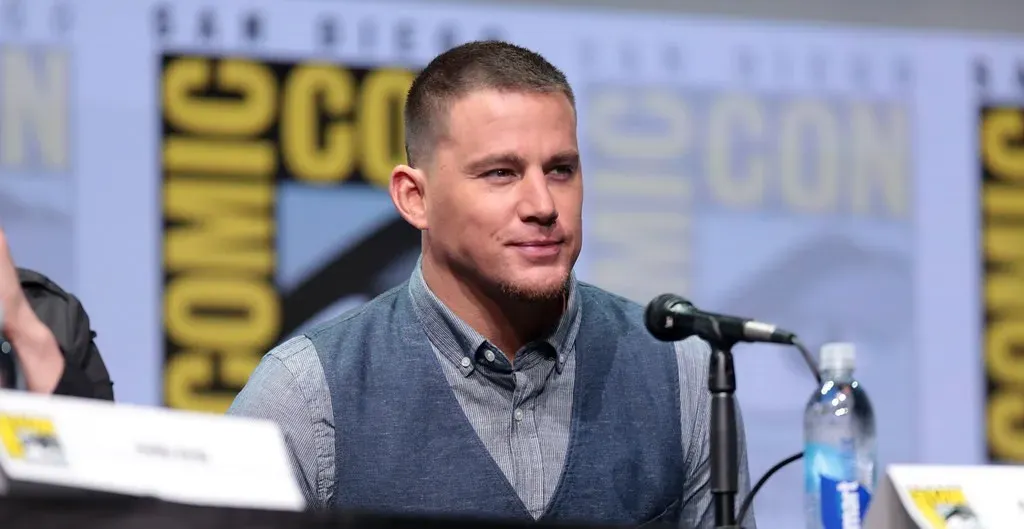
21 Jump Street already felt like an unlikely success story, a comedic reboot of a serious 1980s cop drama that somehow landed thanks to sharp writing and unexpected chemistry between Jonah Hill and Channing Tatum. A sequel risked repeating the joke until it wore thin, and the film itself leaned into that fear by mocking sequels throughout its own plot.
21 Jump Street had grossed $201 million worldwide off a modest budget in 2012. Two years later, 22 Jump Street was reported with a box office total of $331.3 million, comfortably outpacing the original despite reviewers half expecting a retread. The sequel nearly doubled the thirty six million dollar debut of the original film right out of the gate, a sign the audience appetite hadn’t faded at all.
Meet the Fockers proved a wedding sequel could out earn the original

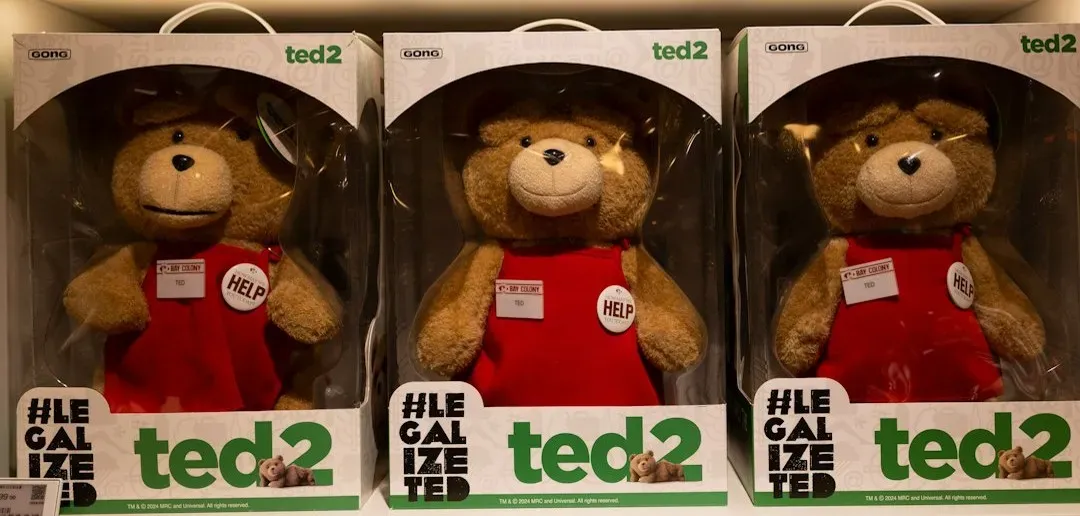
Meet the Parents was a sleeper hit in 2000, built on the awkward tension between Ben Stiller’s character and his intimidating future father in law played by Robert De Niro. A sequel four years later, adding Dustin Hoffman and Barbra Streisand as an entirely different set of eccentric in laws, felt like it was stretching a simple premise past its natural limit.
Audiences disagreed. Meet the Fockers went on to post a substantially higher worldwide gross than its predecessor, helped along by the star power of adding two more Hollywood legends to an already recognizable cast. The formula of awkward family dinners and culture clash comedy, it turned out, had plenty of room left to expand, and the studio’s bet on a bigger ensemble paid off in ticket sales rather than diminishing returns.
Bad Boys for Life resurrected a franchise many assumed was finished

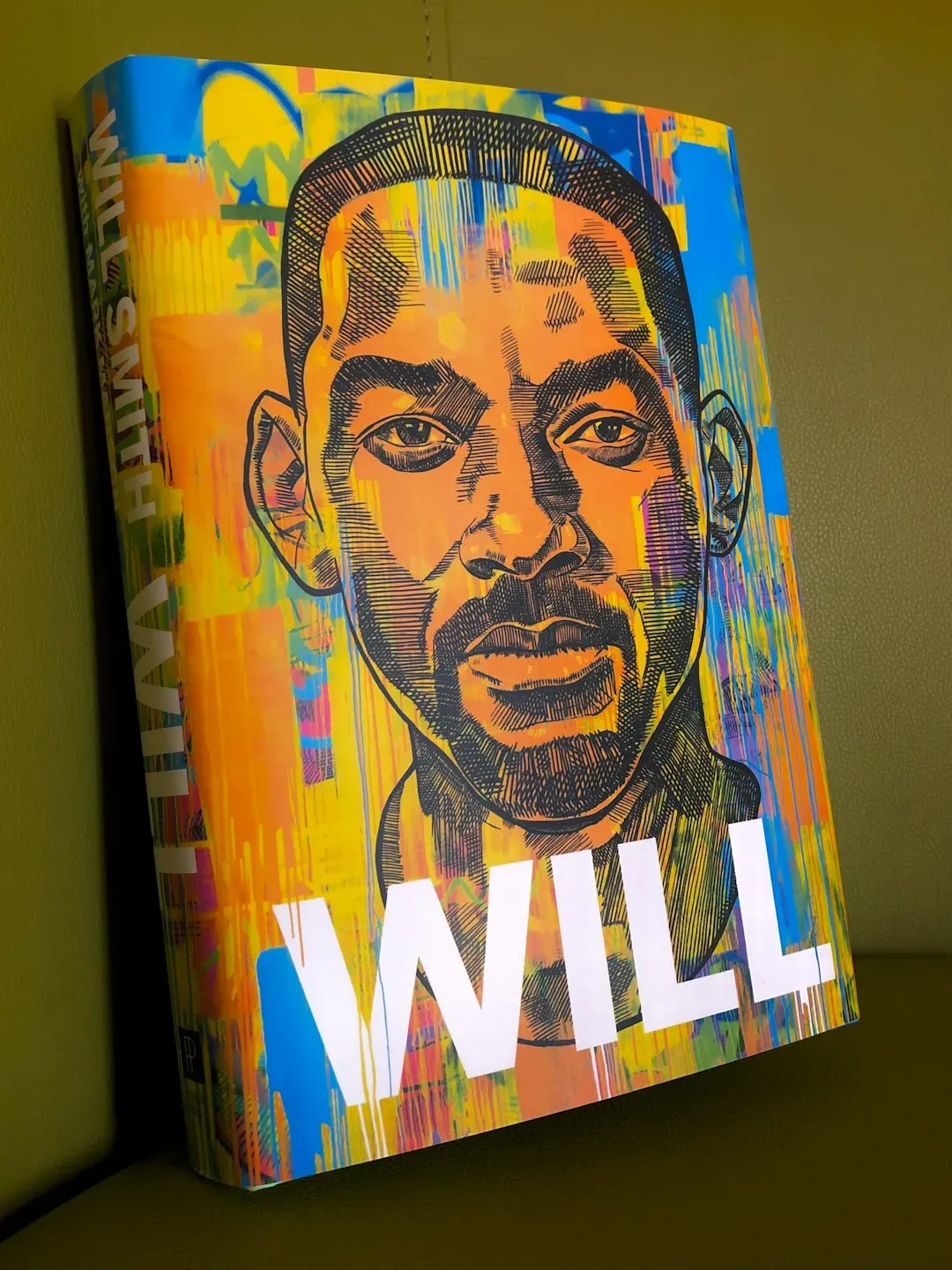
By the time a third Bad Boys film was floated, the previous installment was already seventeen years old and the buddy cop genre had largely fallen out of fashion. Will Smith and Martin Lawrence were older, action comedies were a tougher sell, and the project bounced through multiple directors before finally getting made.
Against expectations, Bad Boys for Life opened strong in January 2020, a notoriously slow month for blockbusters, and went on to become the highest grossing entry in the franchise, outperforming both Bad Boys and Bad Boys II combined worldwide totals. It proved there was still an audience hungry for the specific chemistry between its two leads, timing its release just before pandemic shutdowns reshaped the industry entirely, which only made its success look more remarkable in hindsight.
Frozen II melted expectations for what an animated sequel could earn

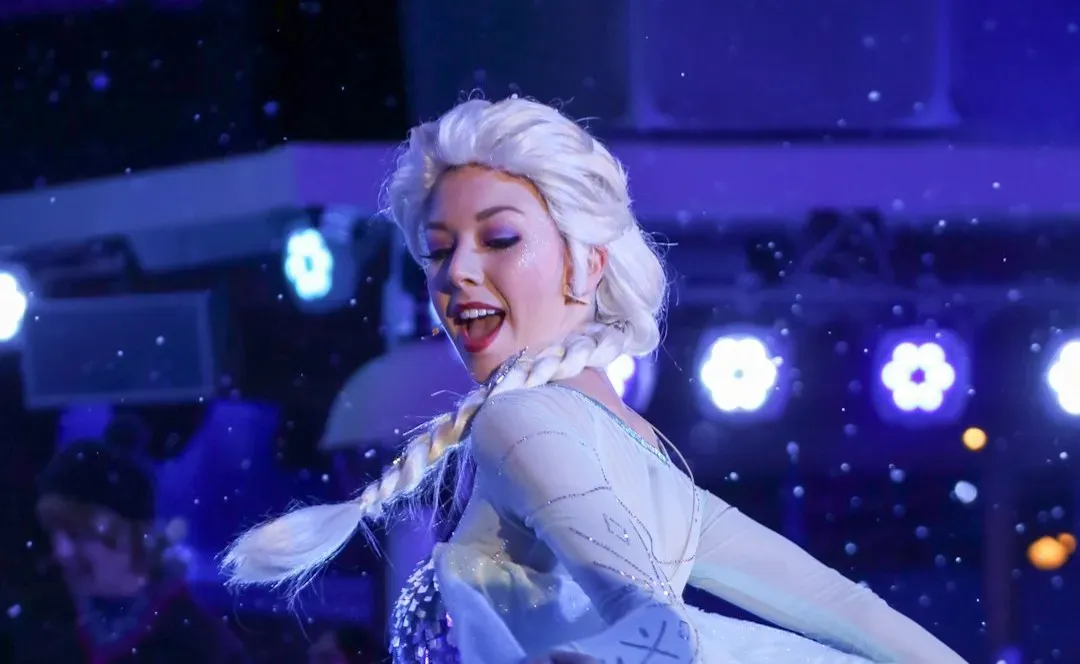
Frozen became a cultural phenomenon in 2013 almost by accident, driven by a soundtrack that took over playgrounds and karaoke nights everywhere. Disney took six years to deliver a follow up, a long gap that led some to wonder whether the moment had passed and whether a new story could recapture that lightning.
It did more than that. Frozen II ultimately outgrossed the original film worldwide, becoming the highest grossing animated film ever made at the time of its release. The wait, rather than dulling interest, seemed to sharpen it, with a generation of kids who grew up on the first film now old enough to bring younger siblings to see the next chapter in theaters.
Ralph Breaks the Internet out clicked the arcade original

Wreck-It Ralph charmed audiences in 2012 with its nostalgic tour through classic video game characters, but a sequel built around internet culture and a Disney princess crossover sounded, on paper, like a strange pivot. Some worried the shift from arcade nostalgia to online meme culture would feel forced or dated almost immediately.
Instead, Ralph Breaks the Internet earned more worldwide than its predecessor, helped by a viral scene featuring Disney princesses breaking their own stereotypes that spread widely on social media before the film even opened. The sequel managed something tricky, updating its humor for a very online audience without losing the emotional core that made people love the original characters in the first place.
Fast Five turned a struggling franchise into a global blockbuster machine

The Fast and the Furious series looked like it was running out of road by its fourth entry, with diminishing critical goodwill and a formula that seemed to have exhausted street racing as a premise. Fast Five took a gamble by pivoting toward heist action and reuniting characters from across the series, a structural overhaul that many assumed was a desperate move rather than a smart one.
The original 2001 film had earned a respectable but modest sum during its theatrical run. Fast Five, by contrast, earned several times that amount worldwide, becoming the moment the franchise transformed from a niche car culture series into one of the biggest action brands in cinema. Every sequel since has leaned on the formula Fast Five established, treating each new film less like a racing movie and more like a globe spanning heist saga.
What these numbers actually reveal
Looking across these nine cases, a pattern emerges that has little to do with quality and everything to do with reach. Sequels benefit from built in awareness, wider release patterns, and audiences who already know what they’re getting, advantages the original films never had when they debuted with lower expectations and smaller marketing budgets.
None of this means the skepticism around these sequels was unfounded. Plenty of follow ups do flop, and the ones that succeed often do so by taking real creative risks rather than simply repeating the original formula. The films that outsold their predecessors tended to expand their world, sharpen their humor, or arrive at exactly the right cultural moment, proving that audience fatigue is never as predictable as it looks from the outside.