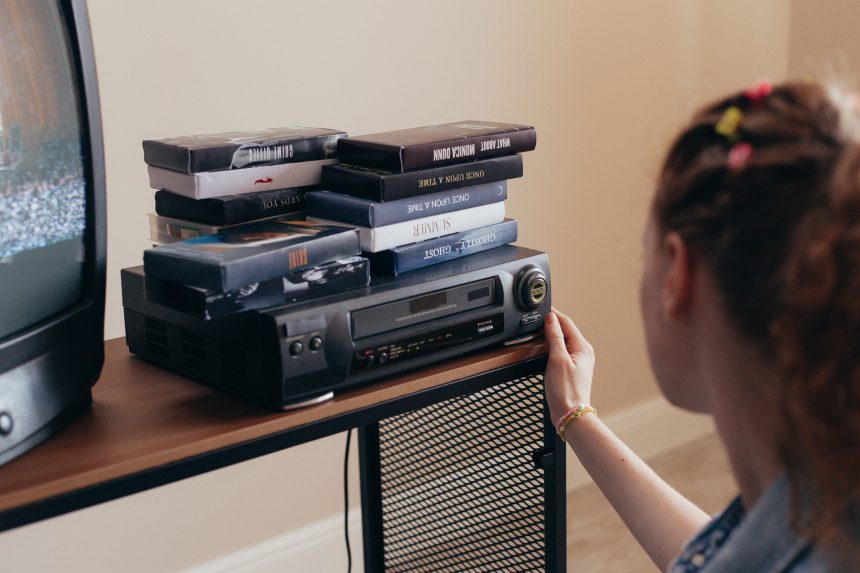
There’s a specific kind of memory that doesn’t fade even decades later, the kind tied to a place rather than a person. For a lot of Gen Xers, that place had fluorescent lighting, a wall of new releases, and a carpet pattern nobody would choose today. The ritual of walking those aisles on a Friday night wasn’t just about picking a movie. It was a small weekly ceremony, and people who lived through it still bring it up unprompted, decades later.
The Friday night drive that never felt optional

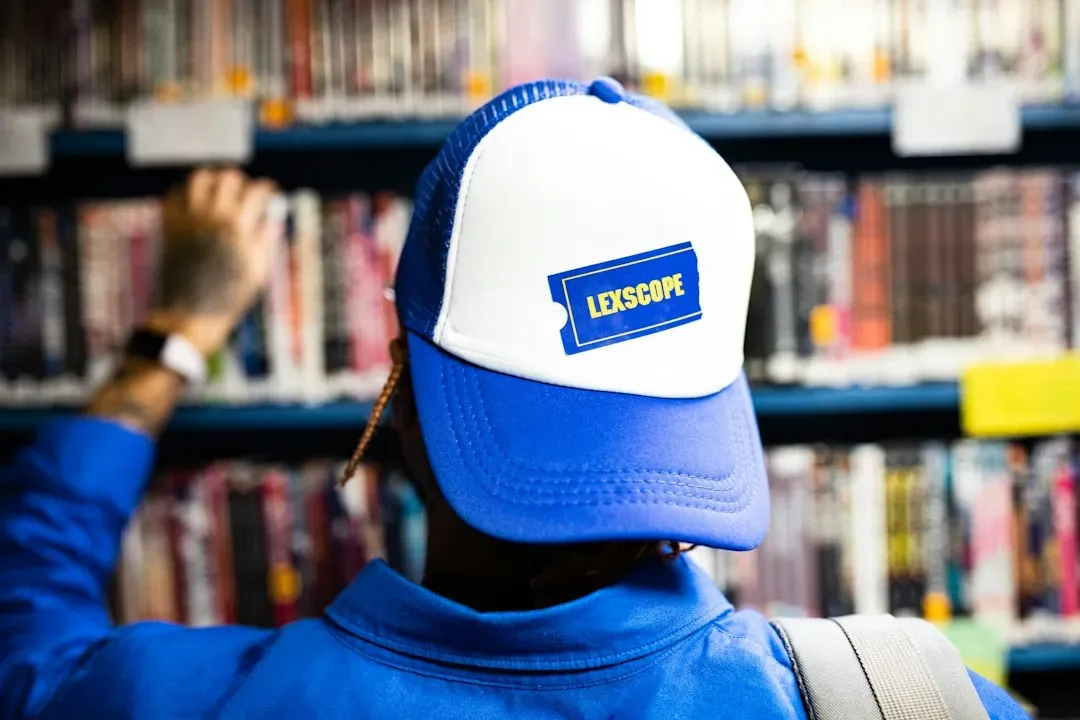
For many families, heading to the video store on Friday evening wasn’t really a choice so much as a fixed appointment. For a generation, Friday night wasn’t complete without a trip to Blockbuster, a ritual as ingrained as pizza and popcorn. The timing mattered too, since arriving too late in the evening usually meant the good stuff was already gone.
There was a particular anticipation to that short car ride, radio on, everyone half arguing about what they’d rent. It sounds small now, but that anticipation was the actual point. Streaming removed the drive, and somewhere along the way it removed a bit of the excitement too.
Racing to the new release wall before it emptied out

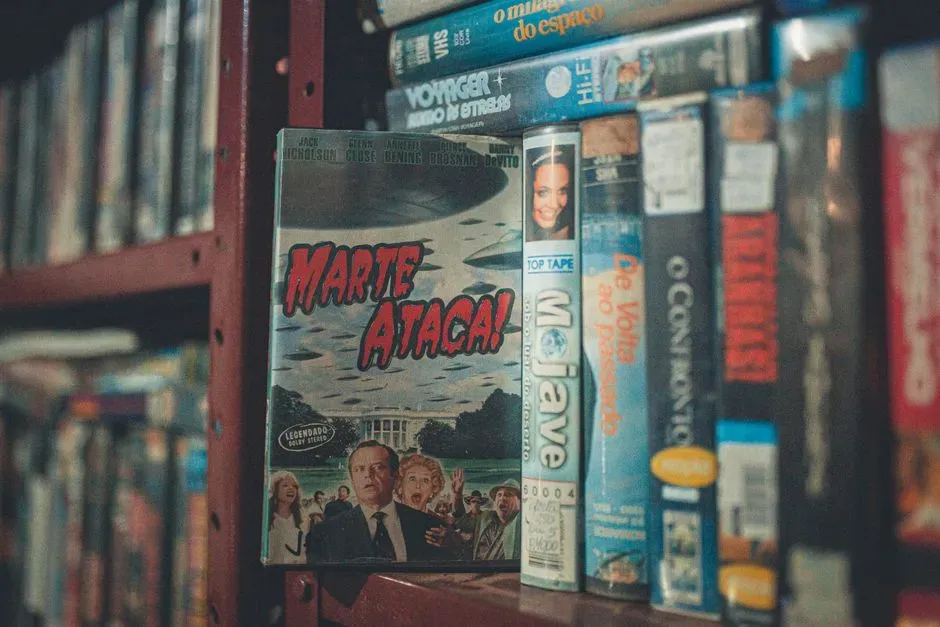
New release Tuesdays or Fridays turned into unofficial competitions. Everyone knew that if you didn’t get there early, the good title would be a wall of empty plastic cases with nothing but a barcode sticker staring back at you. Video stores back then ran on a strange kind of scarcity that Netflix and Hulu never had to deal with.
That scarcity actually created a shared social experience, oddly enough. Finding your movie already rented out was its own minor heartbreak, sometimes leading to a backup pick that turned out to be a surprise favorite. People still talk about discovering some random film they never would’ve chosen otherwise, simply because their first choice was gone.
The empty case system that doubled as a small heartbreak
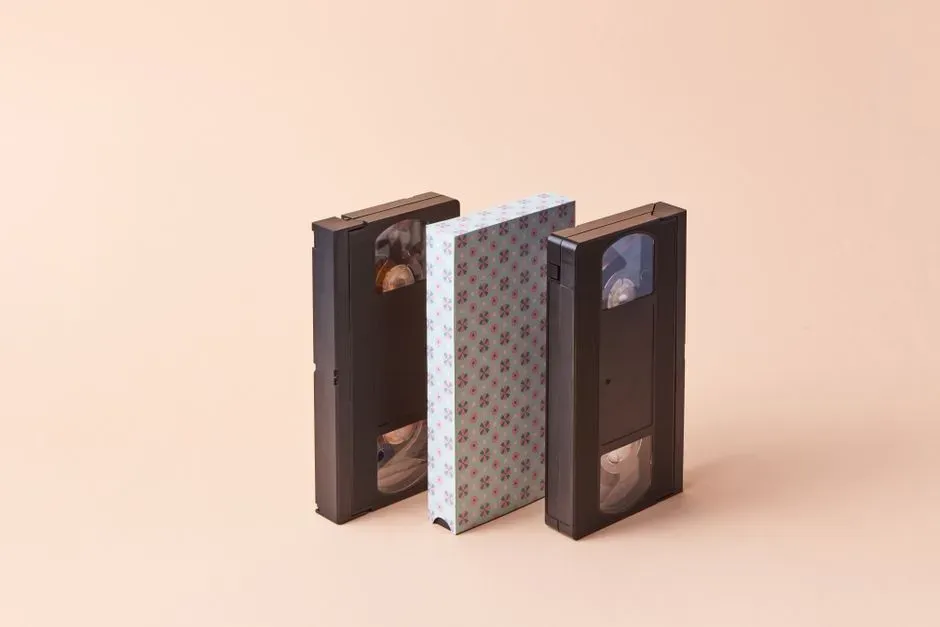
Before movies sat behind the counter, stores displayed empty plastic cases on the shelf, with the actual tape or disc kept elsewhere. You’d grab the case, walk it to the counter, and hope. This system existed purely to prevent theft, but it turned every visit into a mini gamble.
Kids especially remember the sting of picking up an empty case for something they’d been hyped about all week, only to hand it over and get told it was already checked out. It wasn’t a big deal in the grand scheme of things. Still, that specific disappointment sticks with people in a way that feels disproportionate to how minor it actually was.
Be Kind, Rewind and the sticker that became a cultural shorthand
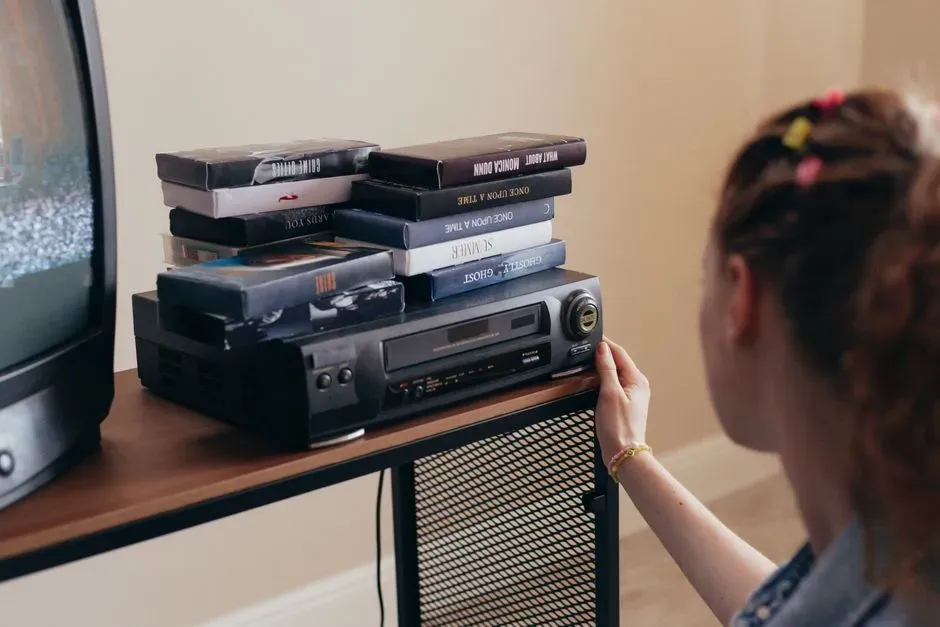
“Be Kind, Rewind.” That phrase, plastered on stickers and stamped on rental cases, is instantly recognizable to anyone who grew up in the 80s and 90s. Rewinding wasn’t just etiquette, it was survival, because getting caught without doing it could mean an awkward conversation at the counter. The “Be Kind, Rewind” policy was a common courtesy request, not a strict requirement, for VHS tapes. Blockbuster encouraged customers to rewind tapes before returning them, but failure to do so usually did not directly affect the rental price.
Still, the sticker became one of those small cultural artifacts that outlived the technology itself. The ‘Be Kind, Rewind’ stickers on tape cases became a small cultural shorthand, a polite demand that carried the unspoken threat of a surcharge if ignored. Even people who’ve never touched a VHS tape recognize the phrase now, mostly through nostalgia culture and the occasional throwback t-shirt.
Late fees that everyone hated but somehow accepted
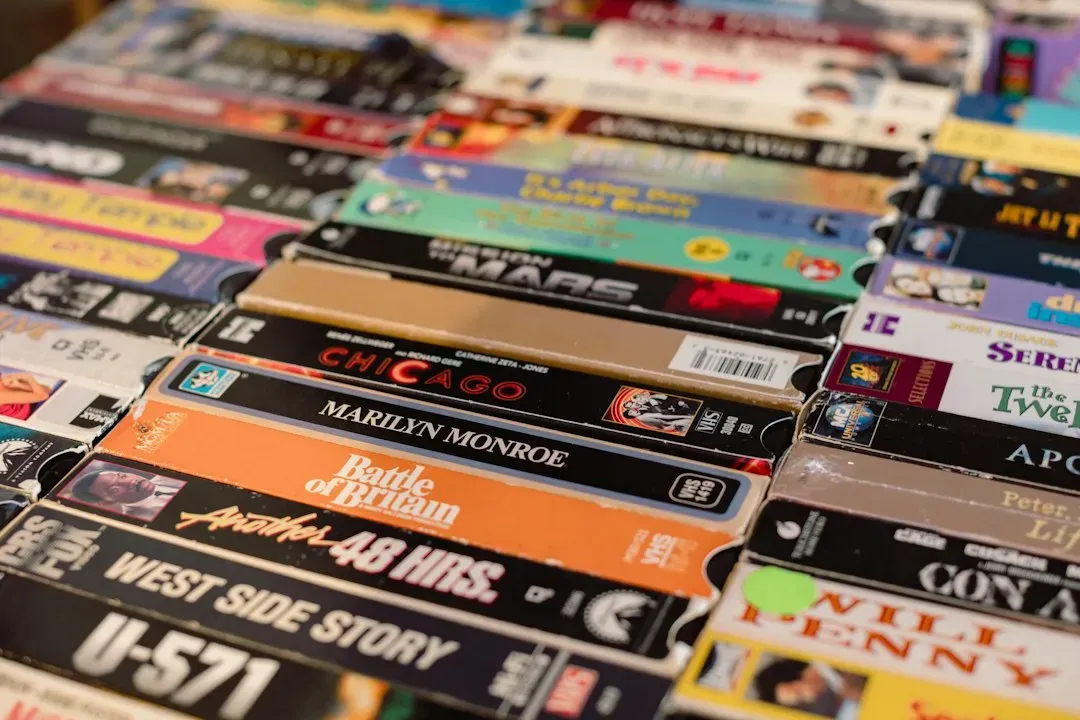
Late fees are probably the single most complained about part of the entire rental era, and yet nobody quit. Late fees were the most complained-about feature of the rental era, and also, in a strange way, one of its most memorable. Blockbuster alone collected an estimated $800 million in late fees annually at its peak. Customers grumbled every time, but they came back anyway.
There was a particular dread in realizing a tape had been sitting on the coffee table for four extra days. Blockbuster eventually tried eliminating late fees entirely, a move that boosted rentals but cost the company hundreds of millions in lost fee revenue, and it later brought fees back in several regions after stores struggled to keep popular titles in stock. It’s a small window into how deeply that fee structure shaped customer behavior, for better or worse.
The clerk who somehow remembered your rental history

Before loyalty apps and algorithms, there was a person behind the counter who genuinely knew you. Regulars developed a rapport with certain employees, the kind who’d recommend something based on what you rented three weeks ago without needing to check a screen. Some clerks could recite a customer’s phone number from memory alone, since this was the way video shops had kept track of renters and rentals.
That kind of familiarity feels almost quaint now. It wasn’t a loyalty program built by a marketing team, it was just a person who worked there long enough to remember faces and titles. Gen X talks about specific clerks the way people talk about old teachers, with a strange fondness that outlasted the store itself.
Wandering the aisles with no real plan

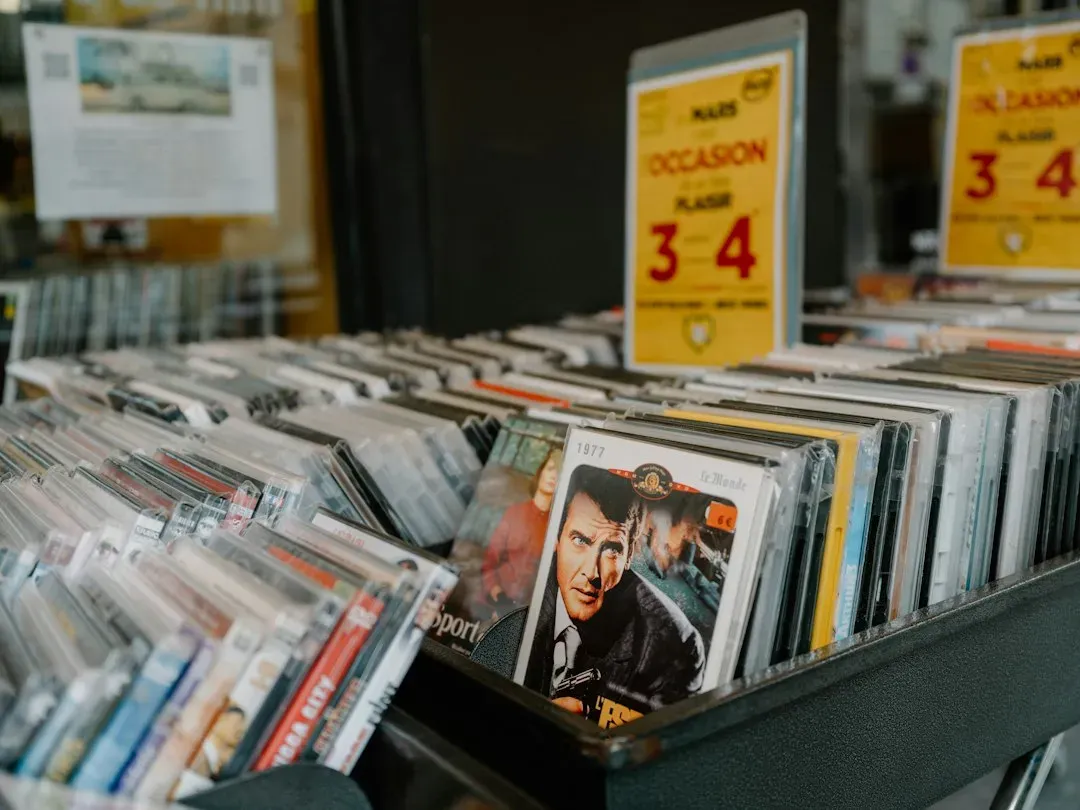
Streaming gives you a search bar and a recommendation engine. Video stores gave you legs and curiosity. Browsing wasn’t a means to an end, it was often the entire evening’s entertainment, especially if the new releases were already gone.
People would drift through horror, then comedy, then foreign films nobody in the house actually intended to watch. The stores melded discovery and convenience, making it possible to stumble upon a movie that you would never have bothered to see in the theaters and be back on your couch in a matter of minutes with your own bowl of popcorn. That kind of aimless discovery is genuinely hard to replicate through a streaming interface, no matter how good the algorithm gets.
The snack counter detour that made the trip feel like an event

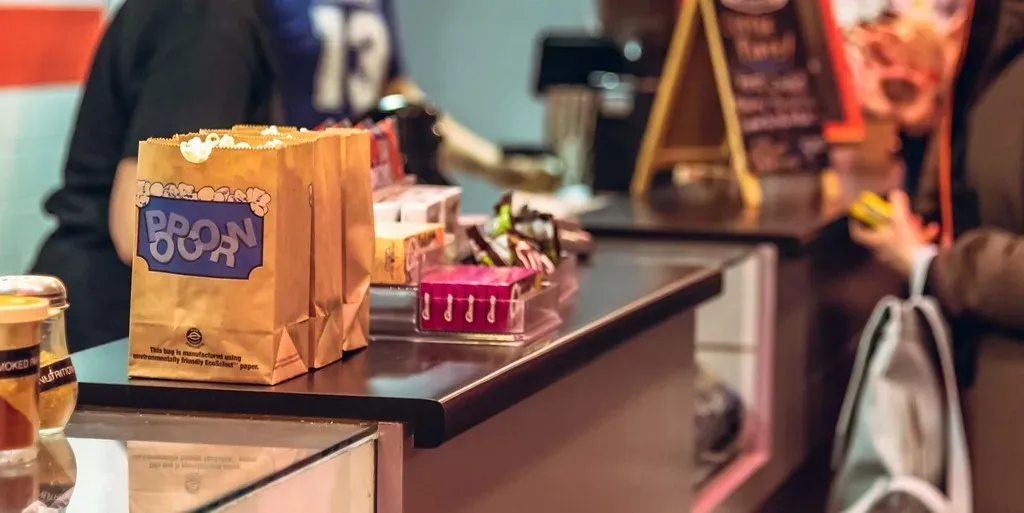
Nobody left a video store with just a movie. There was always a stop by the candy rack or the microwave popcorn display near the register, a small ritual within the ritual. It turned a simple errand into something closer to a mini outing, especially for kids dragging their parents through the aisles.
Some stores even carried video games for rent alongside the movies, giving kids their own reason to make the trip worthwhile. It wasn’t fancy, but it didn’t need to be. The combination of movie, snacks, and maybe a rented game was enough to make a Friday night feel like a genuine event rather than just background noise.
The drop box return that somehow always felt urgent
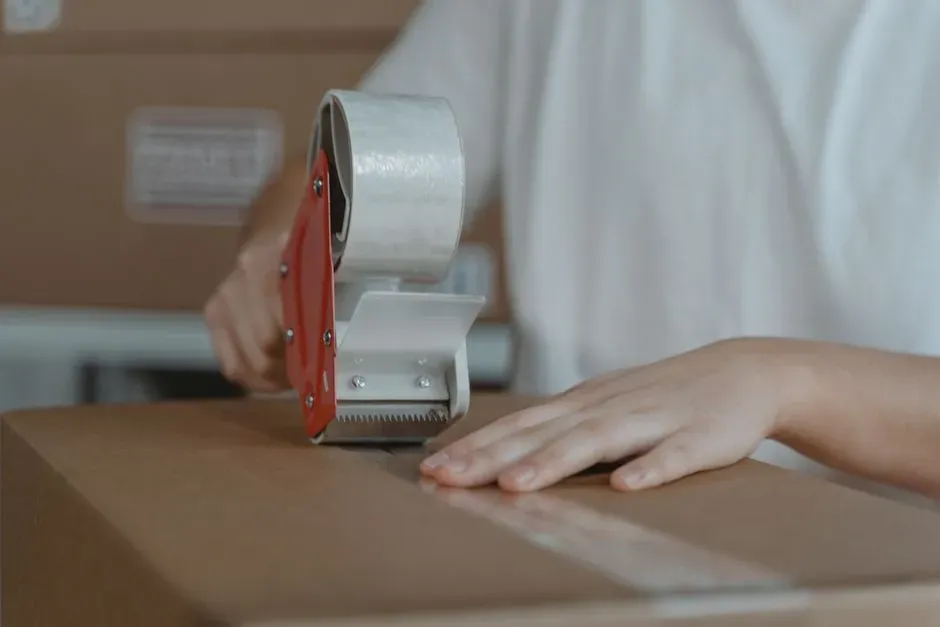
Returning the tape carried its own small drama, particularly if you were racing a closing time or dodging a weekend surcharge. There was also the physical act of returning the tape, driving back to the drop box, sometimes in the rain, the cassette in a plastic bag to keep it dry on the walk from the car. It sounds trivial writing it out now, but that late night drive to slide a tape through a metal slot is burned into a lot of people’s memory.
There was a specific satisfaction in hearing the tape land inside the box, knowing you’d dodged a fee by minutes. It’s a strange thing to feel nostalgic about, honestly. Yet ask anyone who grew up doing it, and they’ll describe the sound almost immediately.
Why the last surviving store still pulls in visitors decades later

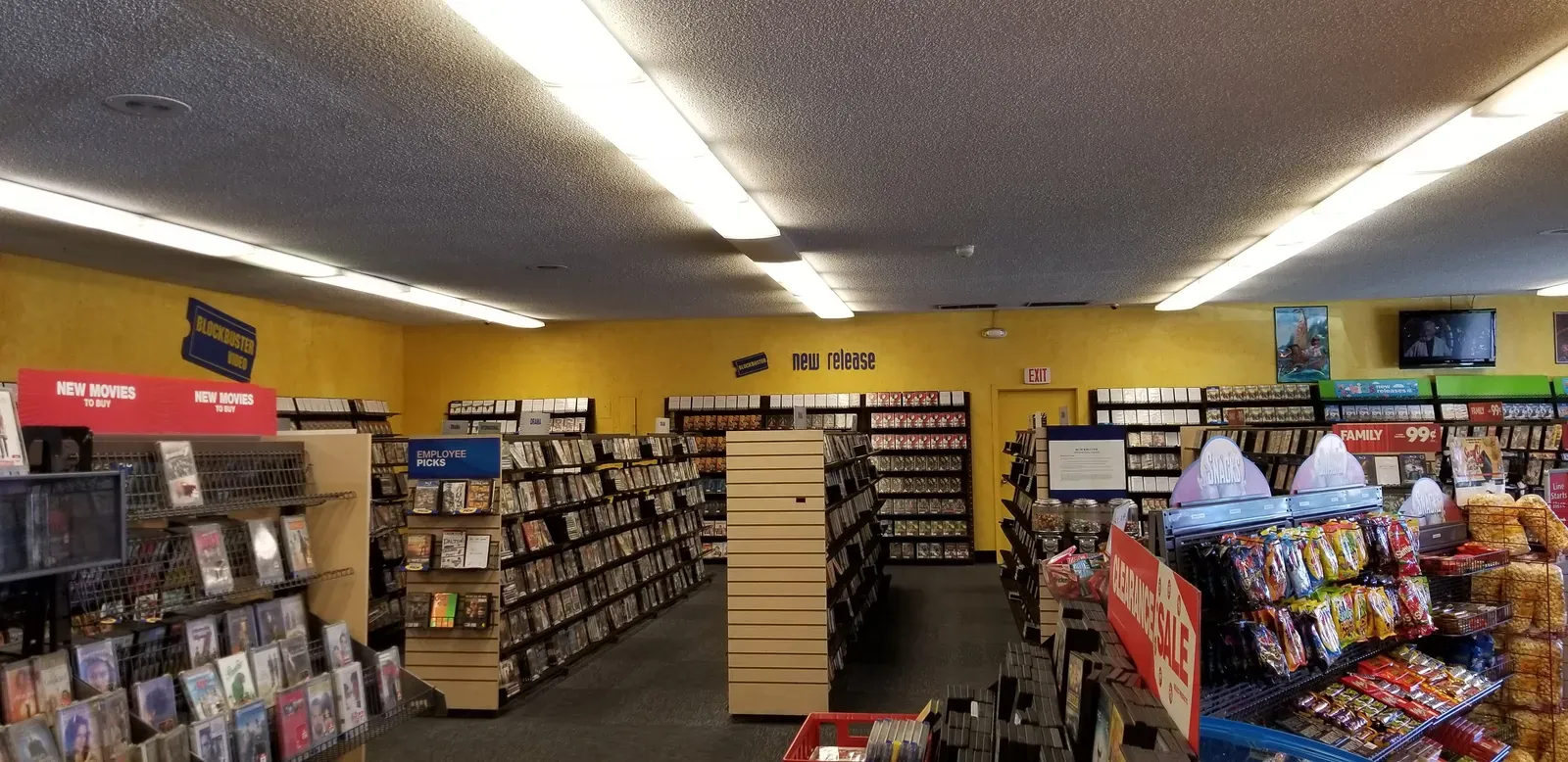
The rental era didn’t end quietly everywhere at once, and one store in particular refused to close along with the rest. Blockbuster, colloquially known as the Last Blockbuster, is a video rental store in Bend, Oregon. In 2018, it became the last Blockbuster store in the United States, and in 2019 it became the last remaining retail store in the world using the Blockbuster brand, albeit being an independently-owned franchise. It’s since become something closer to a living museum than a working retailer.
People travel specifically to see it, not because they need to rent a movie, but because it’s one of the last physical places where that old ritual still technically exists. Stepping into The Last Blockbuster is like stepping back into the late 90s and early 2000s, an era when frosted tips were cool, and renting movies was a weekend ritual, with the familiar blue and yellow sign greeting you and the unmistakable scent of popcorn filling the air. For Gen X visitors, it’s less a novelty stop and more a brief return to something they didn’t realize they missed until they were standing in it again.