There’s a particular kind of disappointment reserved for sequels that don’t just fail, but actively make you like the original a little less. It’s not really about a bad movie existing in isolation. It’s about the retroactive contamination, the way a disastrous follow-up can reframe everything you loved about the first film and replace those memories with something smaller and more cynical.
Hollywood has always chased the money that a successful first film promises. In previous decades, sequels were often low-budget cash grabs where a studio tried to capitalize on a film’s success. However, this trend shifted as franchises and cinematic universes grew into serious tentpole blockbusters for the movie business. The problem is, bigger budgets and longer gaps between films don’t guarantee better results. Sometimes they make things considerably worse. These are seven cases where the sequel genuinely changed how people feel about what came before.
Highlander II: The Quickening (1991) – Mythology Killed in 15 Minutes
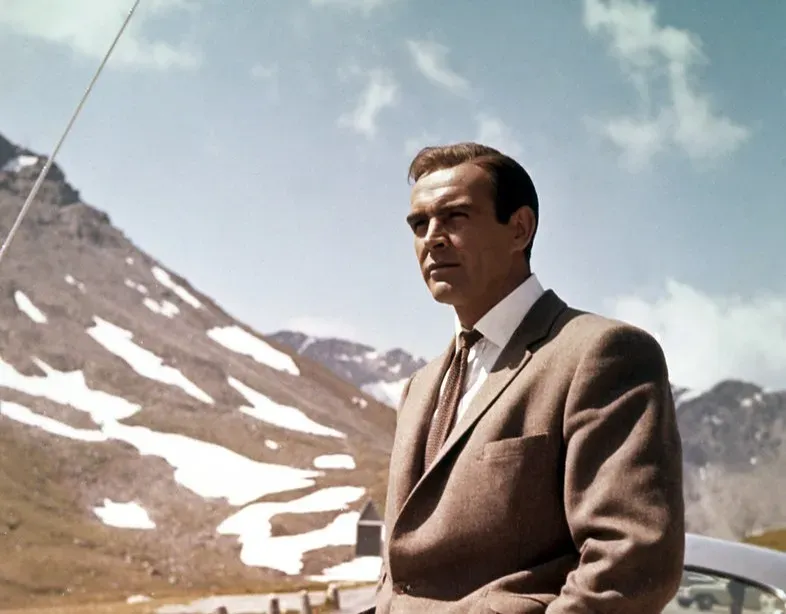
Few sequels have wrecked their predecessor’s mythology as thoroughly as Highlander II. The first Highlander was messy but magical, a cult classic that balanced epic mythology with sword-swinging battles and a Queen soundtrack that elevated everything. Fans loved the mysterious lore of immortals and the iconic line: “There can be only one.” That carefully constructed mystique took years to earn.
The screenwriters of Highlander II puzzlingly decided to discard much of the mythology that made the first film such a cult favorite by making the Immortals aliens from the planet Zeist who battle on a dystopian Earth, perpetually shrouded in darkness thanks to a series of environmental disasters. If you’re the folks behind the Highlander franchise, the only option after this mistake was to pretend the movie never happened, erase it from the mythology, and move on. Every subsequent continuation did exactly that.
Jaws: The Revenge (1987) – A Shark With a Personal Vendetta
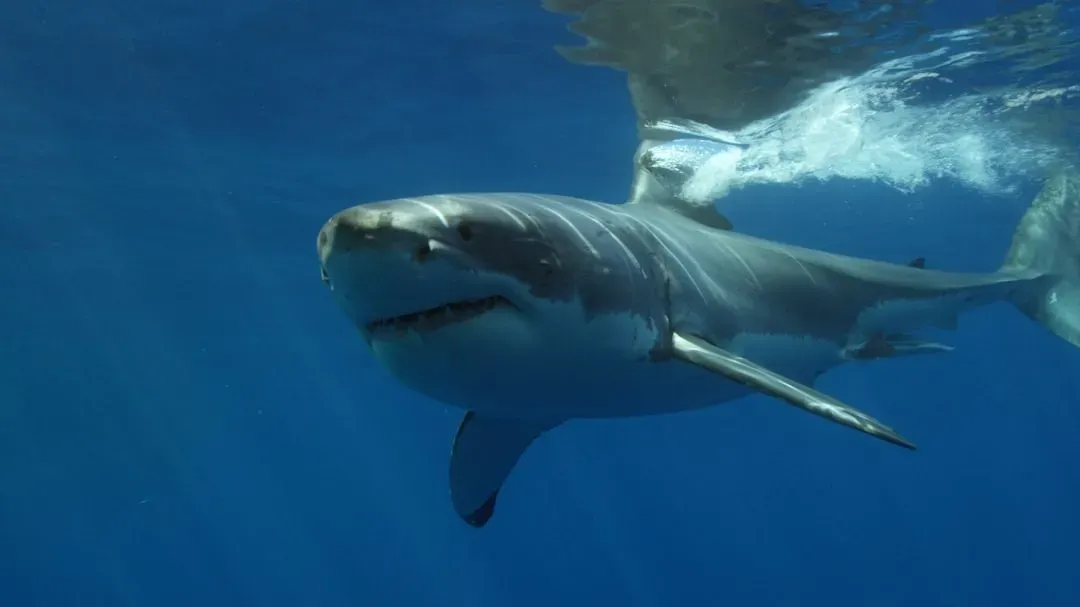
The gulf in quality between Jaws and Jaws: The Revenge is genuinely astonishing. Spielberg’s original redefined blockbusters and remains a landmark in cinematic suspense. By the time the series limped into The Revenge, it had become an outright embarrassment. The fourth installment took creative liberties that genuinely defied belief.
The premise alone is laughable: Ellen Brody is convinced that great white sharks are deliberately seeking vengeance against her family. Add in terrible special effects, most infamously the shark roaring like a lion before being impaled, and you have one of the most ridiculed movies ever made. Critics called it “illogical, tension-free, and filled with cut-rate special effects” – a sorry chapter in a once-proud franchise. The original’s reputation still holds, but it carries the baggage now.
Speed 2: Cruise Control (1997) – The Star Left for a Reason
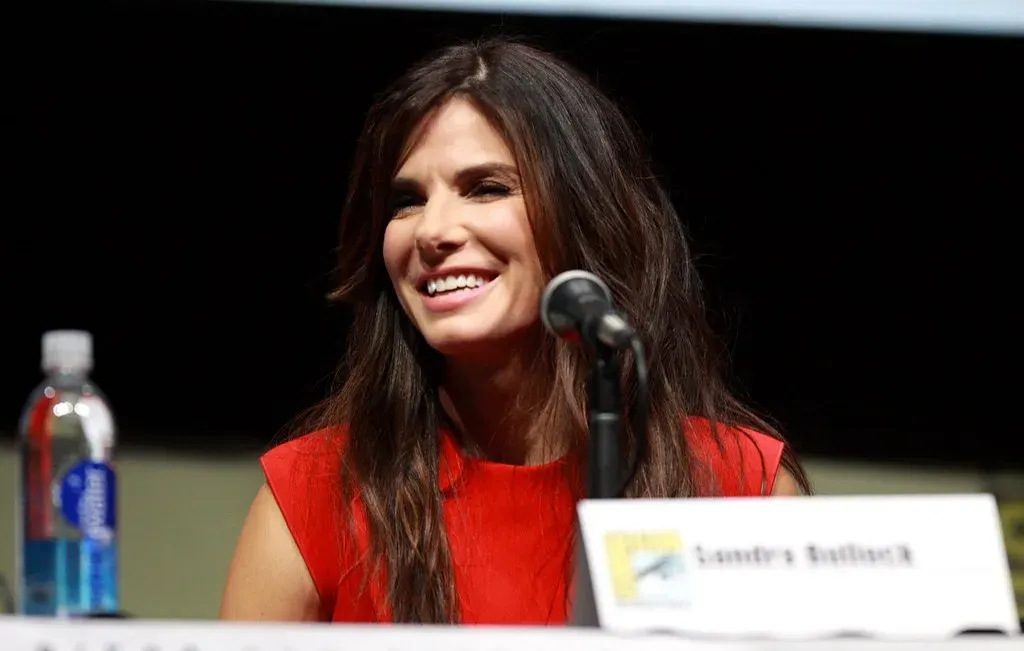
Speed 2: Cruise Control managed to screw up the trajectory of what could have been a great movie franchise, as the first film starring Keanu Reeves was generally considered to be one of the best action films of the 1990s. Reeves infamously turned down the opportunity to appear in the sequel, which should have keyed everyone in early on that trying to make a second Speed film was never going to be a good idea.
Speed 2: Cruise Control was simply a laughable affair, as it failed to capture the same mastery of tension that had made the first film such a richly compelling thriller. While Sandra Bullock’s career did manage to survive, Speed 2 did halt the trajectory of the series; in the over two decades that have passed since its release, there has still been no firm word on whether or not a third Speed film is in the works. The only explanation many critics could settle on was the bizarre choice to switch from the breakneck pace of Speed to make a slow burn.
Joker: Folie à Deux (2024) – A Billion-Dollar Legacy Undone
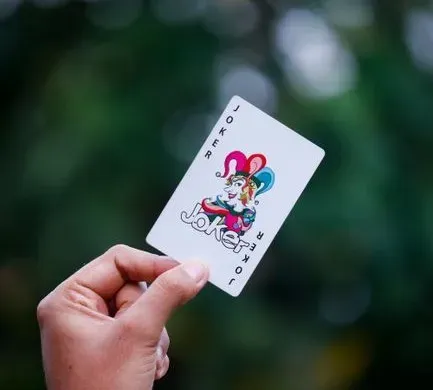
The paltry grosses of Folie à Deux represent a shocking collapse from Joker, which became an unlikely and undisputed box office champion with over 335 million dollars in North America and more than one billion dollars worldwide. It stood at the time as the highest grossing R-rated movie in history. The sequel arrived with enormous goodwill built up from that achievement.
Partner offer
Box office analysts believe that director Todd Phillips alienated the DC fan base by bringing song and dance numbers into the sequel, resulting in the cavernous difference in sales between the first and second Joker entries. The film was poorly received by critics and became a box-office bomb, grossing around 208 million dollars on a budget of 190 to 200 million. Among its seven Golden Raspberry Award nominations, it won Worst Remake, Rip-off or Sequel and Worst Screen Combo. The 2019 original now comes paired with a conversation about whether it ever needed a sequel at all.
Exorcist II: The Heretic (1977) – A Masterpiece’s Worst Enemy

Exorcist II: The Heretic replaced all the grounded terror of the first film with a strange, globe-trotting adventure that wasted the talents of both Richard Burton and Linda Blair. The film managed to kill the trajectory of the franchise for nearly a decade, as it eventually took the original novelist William Peter Blatty to write and direct the third film in order to redeem the series. That’s a long time to wait for a correction.
The surrealistic approach to the subject matter sets up viewers for disappointment because it’s a sequel to The Exorcist. As a standalone film at the crossroads between sci-fi and horror, it might work as an experimental movie, but as a sequel, all it does is leave viewers wondering whether the creative team even watched the original film or understood what it aimed to say. Apart from a couple of decent set pieces and Ennio Morricone’s score, Exorcist II doesn’t have any redeeming qualities.
Independence Day: Resurgence (2016) – Two Decades of Waiting for This
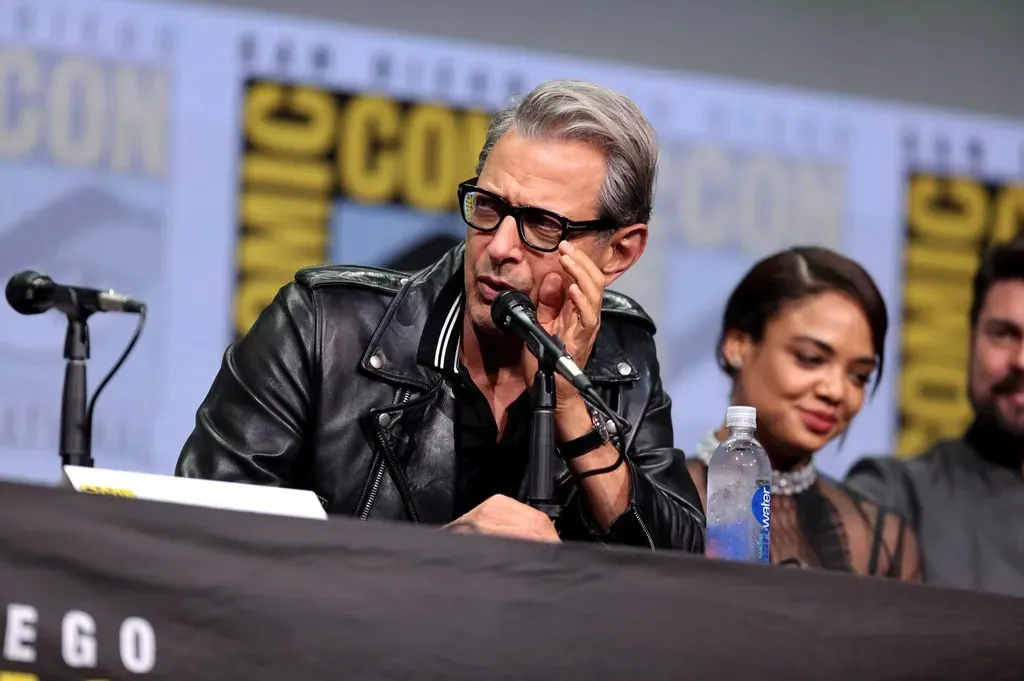
Independence Day: Resurgence was a sequel two decades in the making, but managed to let down everyone that had loved Roland Emmerich’s first film from 1996. While the original Independence Day was a fun, exciting disaster movie with a cheeky sense of humor, Independence Day: Resurgence was overtly dour, depressing, and in no ways triumphant. Everything that made the original irresistibly entertaining had been drained out of the follow-up.
The absence of Will Smith, who declined to return, left a noticeable void that no amount of new characters could fill. While there are certainly more than a few franchise films that fell massively short of expectations, some sequels are so poorly received that audiences turn on the entire franchise. These sequels are credited with destroying the reputation of an entire series. Resurgence is one of the clearest examples of a studio misreading exactly why audiences showed up in the first place.
The Matrix Resurrections (2021) – Dancing on the Franchise’s Grave
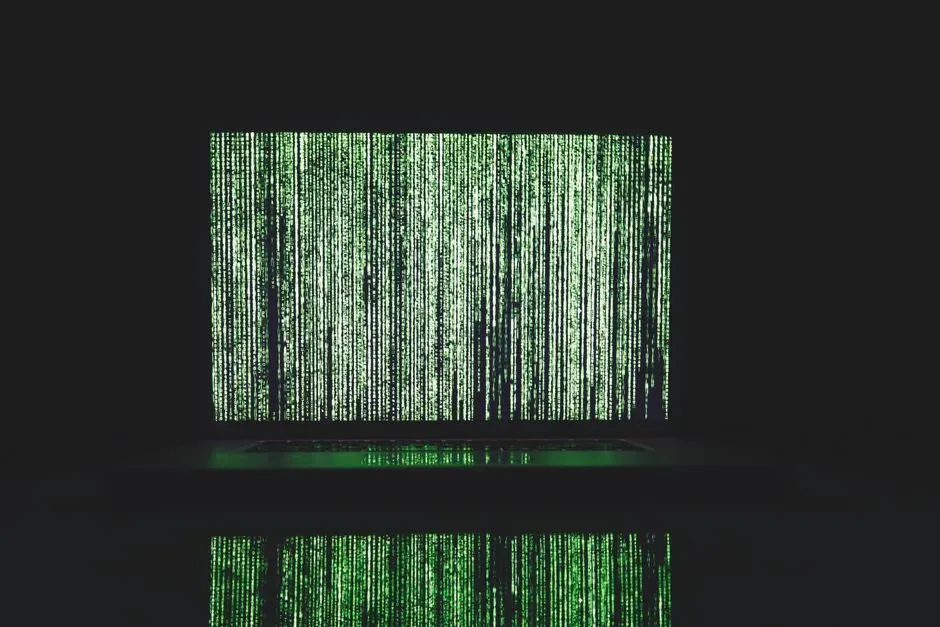
This movie should never have existed. It’s clear from the efforts that cast, crew, and especially director Lana Wachowski put forth that all Resurrections could ever do was dance on the grave of the original trilogy. Not only does it lessen the impact of the other movies, it also just looks like any bog-standard blockbuster, a veritable crime for a movie that was such a visual standout in its time.
The overwhelming majority of legacy sequel outputs are banal, telegraphic, boring and uninspired, filled with pedestrian screenplays and plot developments that soil their memorable and groundbreaking predecessors. Resurrections is often held up as the purest expression of that problem. Legacy sequels insist on rewriting history, and almost never for good reason. A legacy sequel will add a dimension to the original story that not only was never there in the first place, but actually hurts the impact of the original. The Matrix, a film that defined an era of cinema, deserved better than to become a self-referential commentary on its own existence.
What connects all seven of these films is something subtler than just poor quality. Each one found a specific way to diminish what made its predecessor matter. Some rewrote the mythology entirely. Others drained the tone, replaced the energy, or simply ignored what the audience had come to love. A bad film fades. A bad sequel to a great film tends to linger, and every future viewing of the original carries a small shadow of it along for the ride.
Partner offer
Planning a trip to Vegas?
Compare hotel rates and show tickets on VEGAS.com.