There’s a particular kind of cinematic frustration that never quite goes away. You watch a performance so precise, so alive, so fully inhabited that you can’t understand why nobody’s talking about it. The film made little noise at the box office. The awards season passed it by. The actor moved on to other things, perhaps better-known but rarely better.
This happens more than most people realize. A great actor can steal the show even from a film’s main star, and some career-best scenes have been shot in films that never got the attention they deserved. What could have been Oscar-winning roles were often overshadowed by more acclaimed competition. These nine performances are proof of that. Each one deserves a second look, or in many cases, a first one.
Oscar Isaac in “Inside Llewyn Davis” (2013)
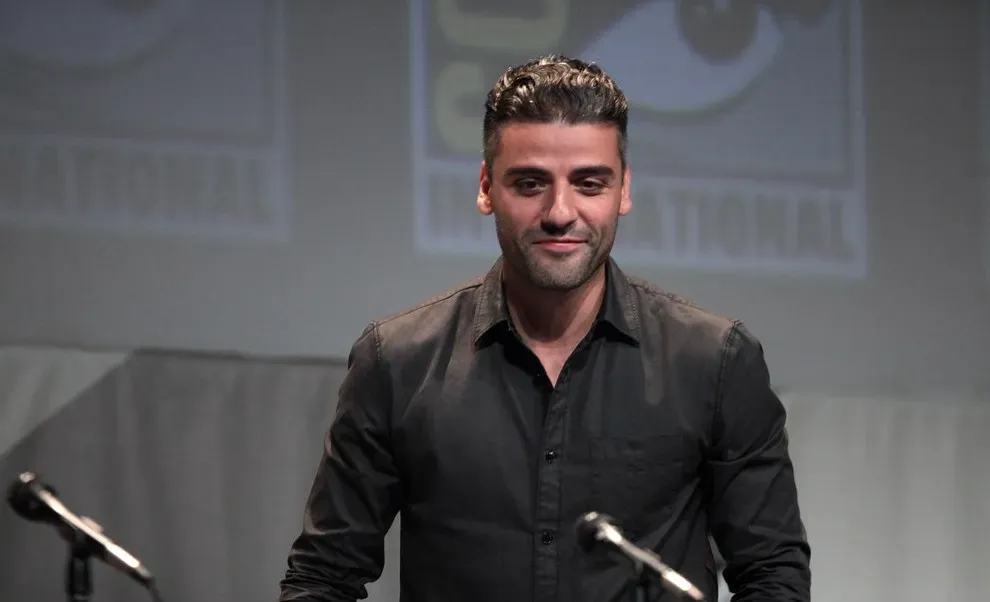
The film features a slew of fantastic performances, but the easy highlight is the lead performance from Oscar Isaac. His portrayal of the titular Llewyn Davis is endlessly memorable, deeply emotional, and perhaps the best performance in the entire Coen filmography – yet it went completely unrecognized at the Academy Awards. That snub is still hard to explain.
Oscar Isaac really sings in the film, and the Coen brothers opted to have each folk song performed in full on set and recorded live. This means Isaac is really singing live, as well as costars Justin Timberlake and Adam Driver. He did bag the National Society of Film Critics Award for Best Actor, along with the Toronto Film Critics Association Award for Best Actor for his role as a struggling folk singer. Critics who were paying attention understood what they were watching. Most audiences simply never showed up.
Philip Seymour Hoffman in “Synecdoche, New York” (2008)
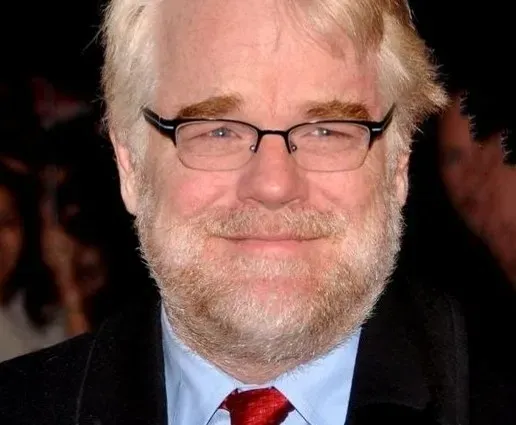
Synecdoche, New York marked the directorial debut of screenwriting genius Charlie Kaufman. Hoffman plays Caden Cotard, whose wife recently left him, and after receiving a MacArthur Fellowship grant, he occupies a giant warehouse in Manhattan’s Theater District and constructs his own separate world inside, casting actors to live out their constructed lives. It’s a staggering portrayal of a genius slowly being swallowed up by the enormity of his artistic vision.
Philip Seymour Hoffman was such a towering presence in 21st-century film that it’s almost easy to forget he came to audiences as a ready-made character actor, seemingly bound for a cinematic life playing schlubby friends and mopey brothers. The fact that he transcended this destiny to become a performer capable of not only carrying movies but essentially crafting them in his image speaks to the power of being just plain better at what you do than most people on earth. Synecdoche remains the fullest expression of that.
Sam Rockwell in “Moon” (2009)
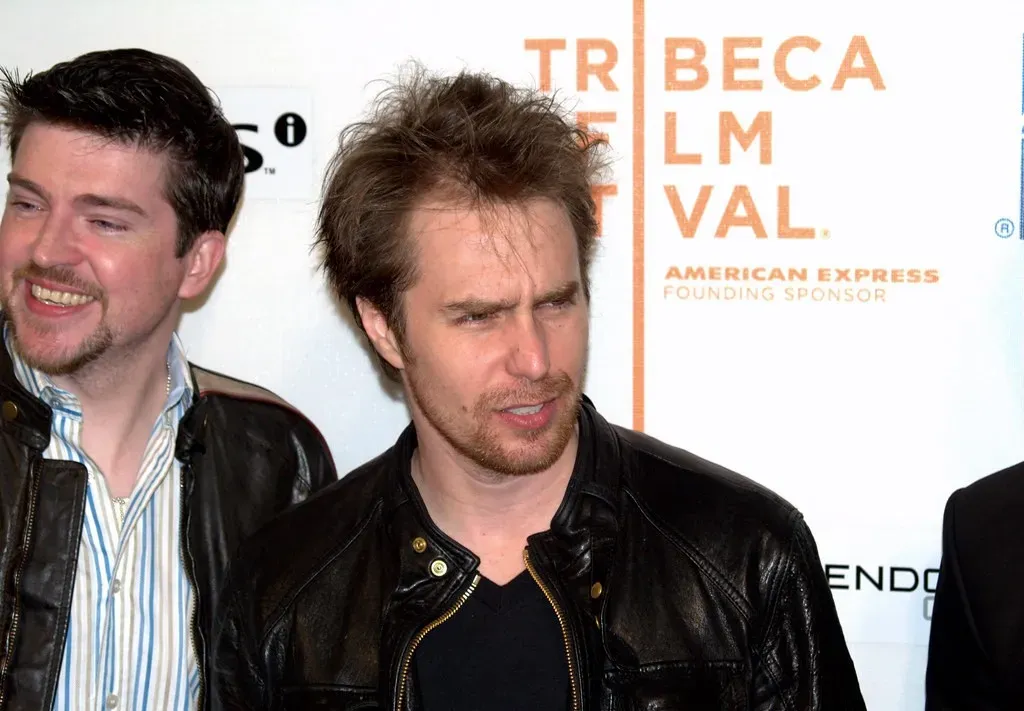
Sam Rockwell’s work in Moon might be the most underrated movie performance of all time, at least in the court of public opinion. He was vindicated years later by finally earning recognition from the Academy for his acting talent. Still, the award that came later was for a different film. Moon never got its moment.
In Duncan Jones’s debut science fiction film, Rockwell plays a near-future astronaut working alone on the lunar surface, a role that required him to essentially act opposite himself for the majority of the runtime. The technical and emotional demands of that kind of performance are staggering. Hollywood is filled with terrific performers, but not everyone becomes an A-list star, and much of that is due to luck. Perhaps they were great in a movie that wasn’t marketed well enough for box office success. Perhaps they gave an amazing performance but were overshadowed by another element. All three apply here.
Michelle Rodriguez in “Girlfight” (2000)
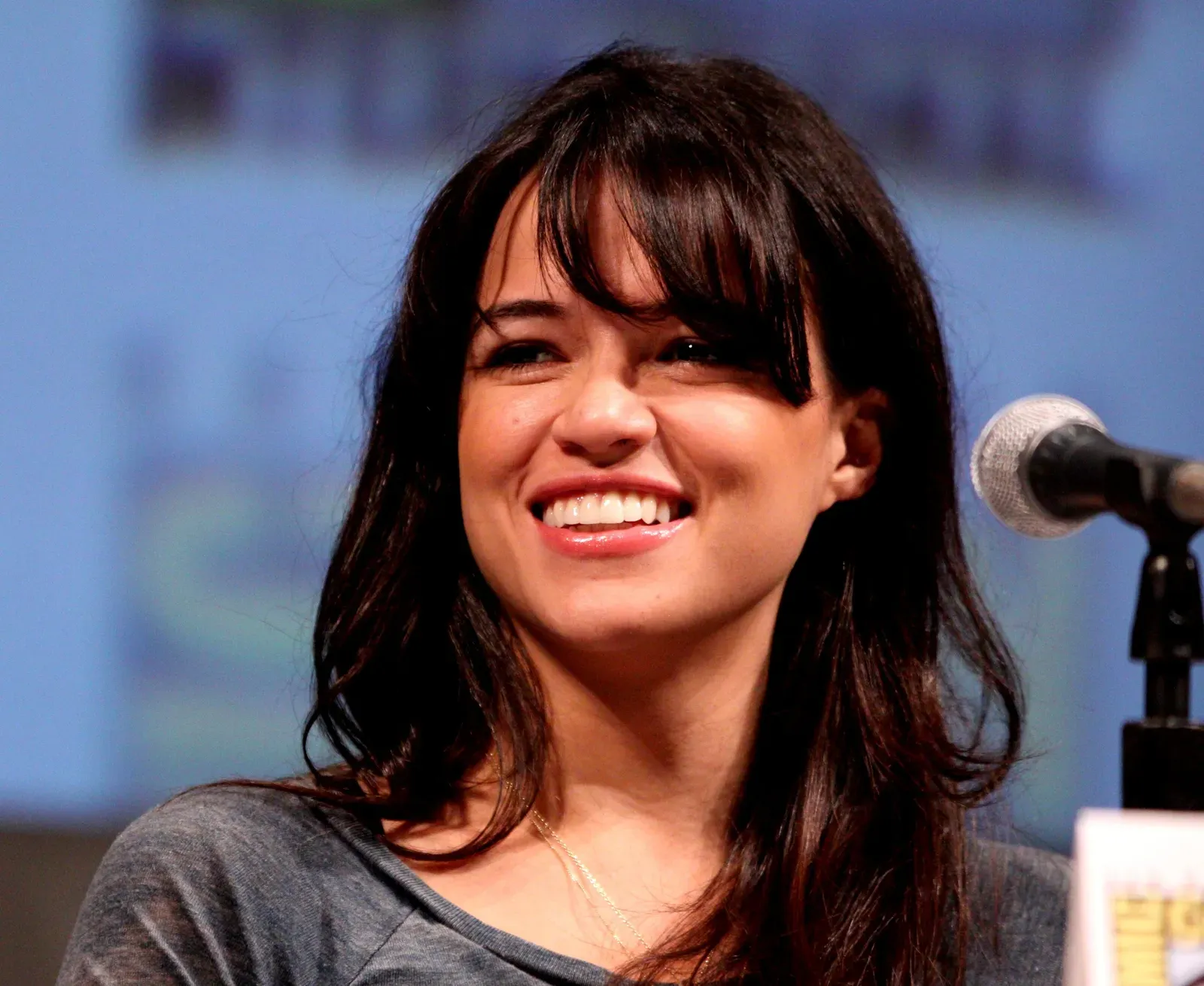
While Rodriguez has given great performances in blockbuster films, she has never been able to surpass her excellent performance in her debut film, 2000’s Girlfight. She plays a troubled boxer named Diana Guzman, with her fantastic performance making her one of the best movie boxers of all time. Girlfight premiered at Sundance and won the Grand Jury Prize, which should have been a launching pad for something more sustained.
It’s time Michelle Rodriguez gets applause for her work outside the Fast and Furious franchise. She’s great in those movies, but she’s even better in Girlfight, a role that she did not get enough credit for. The irony is that the franchise work that made her famous is far less demanding. Girlfight is the performance her career should have been built around.
Jodie Comer in “The Last Duel” (2021)
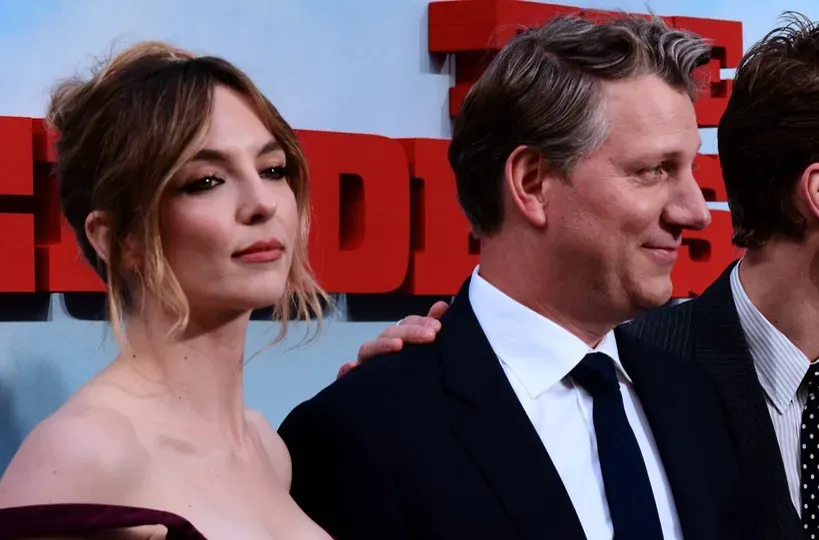
The Last Duel was a regrettable financial failure in 2021, perhaps a victim of COVID-19, but it was also a bold film that might not have had mass appeal even if released under different circumstances. Jodie Comer’s character, Marguerite de Carrouges, is at the center of the film’s conflict, but feels so much more than just a victim within a story principally focused on men. The final act takes place from her perspective, establishing her as essentially the lead of the film. Her work is magnetic, complex, and moving – perhaps the high point of an overall bold and memorable film.
The film earned less than thirty million dollars worldwide against a budget of over one hundred million. It was one of the biggest theatrical flops of that year. Over the past decade, there have been plenty of must-watch films that have very quickly faded from public conversation. They may have been critically acclaimed, even award winners, but a couple of months later, they’re already forgotten, left to rot in a streaming service library or on a dusty DVD shelf. The Last Duel is a textbook case.
Sam Neill in “Bicentennial Man” (1999)
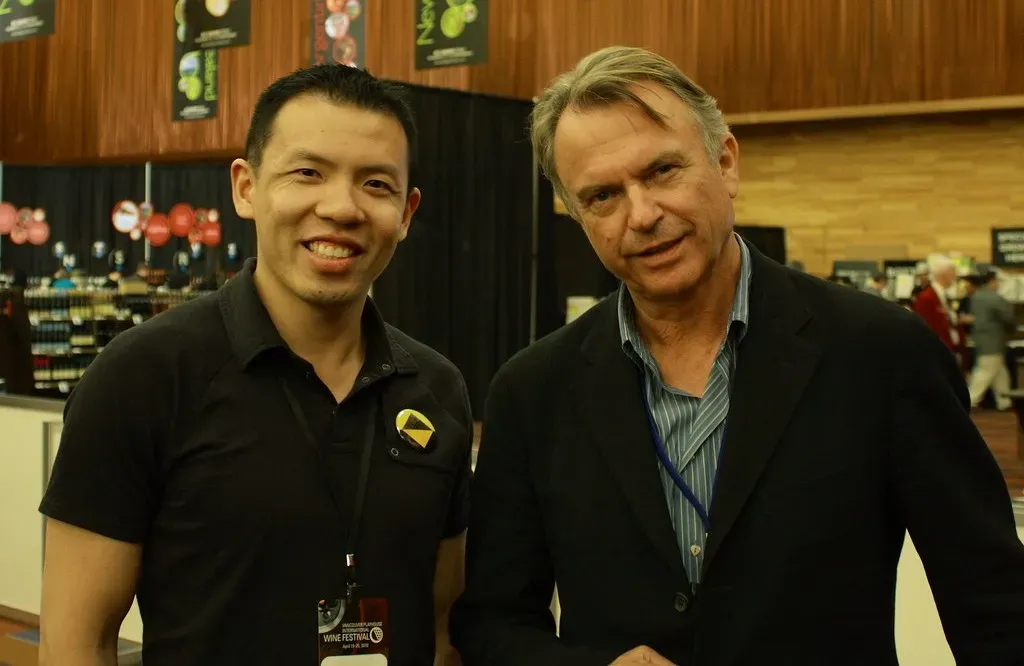
As a result of lousy marketing, Robin Williams’ 1999 film Bicentennial Man has been one of the actor’s lesser-known films, despite being one of his best and most emotional. While Williams was brilliant in it, Sam Neill’s role as the conflicted Sir, who nurtures Andrew’s humanity but resists his freedom, stole the show. Bicentennial Man contains three especially touching and emotional scenes, and Neill’s performance is responsible for two. In an already underrated film, the Jurassic Park actor’s deeply under-appreciated performance fell victim to a needlessly poor box office showing.
Neill’s work here is the kind of quiet, internally complicated acting that rarely gets noticed precisely because it doesn’t call attention to itself. His character is the moral anchor of the story, and every scene involving the question of what it means to be human passes through him. These actors have delivered some of the greatest on-screen performances in cinema, many of which have been overshadowed or forgotten – and regardless, they deserve credit for their performance.
Jake Gyllenhaal in “Okja” (2017)
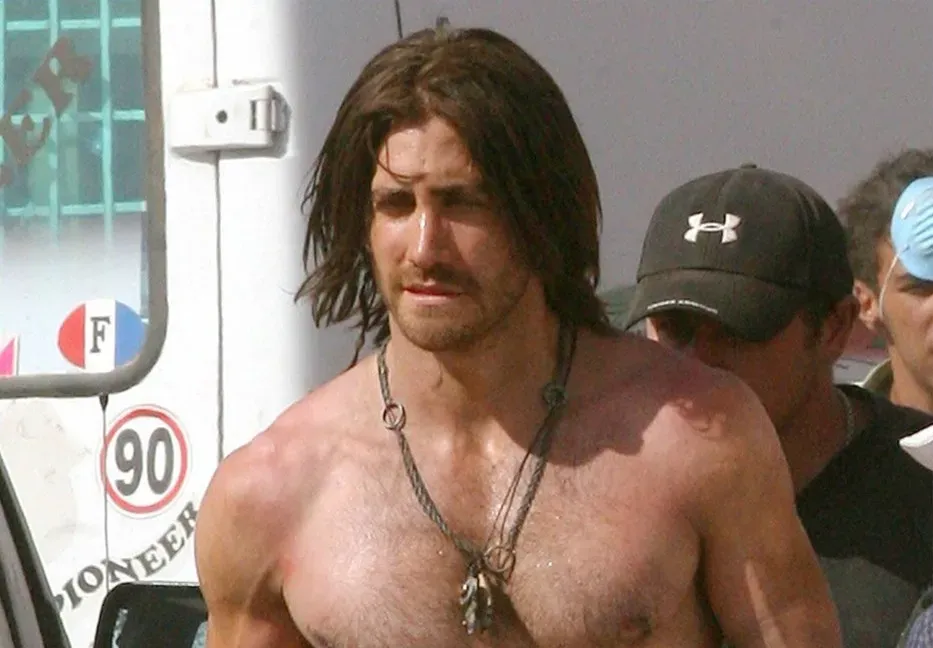
Many people are aware of Jake Gyllenhaal’s major Oscars snub after his tour-de-force performance in Nightcrawler. Although that performance may be his best, that film does not contain Gyllenhaal’s most overlooked performance. Before Parasite, Bong Joon-ho critiqued the food industry with Okja, a movie about a little girl who befriends a giant intelligent creature being raised on her grandfather’s farm for food. Gyllenhaal plays Johnny Wilcox, a zoologist and TV personality who becomes involved in the life of the little girl and her pet. Though a supporting role, Gyllenhaal presents witty banter and disturbed ideology so well that it’s difficult to realize viewers are watching the recognizable actor in a role that’s against type.
Okja was a Netflix original, which meant it bypassed the theatrical experience that tends to cement a performance in cultural memory. Streaming simply doesn’t generate the same word-of-mouth energy. Although Wilcox is funny and seemingly well-intentioned, Gyllenhaal’s dynamic acting makes it obvious that this man can’t be trusted. It’s one of the stranger, more daring choices in his career, and almost nobody brought it up at the time.
Rebecca Hall in “Christine” (2016)
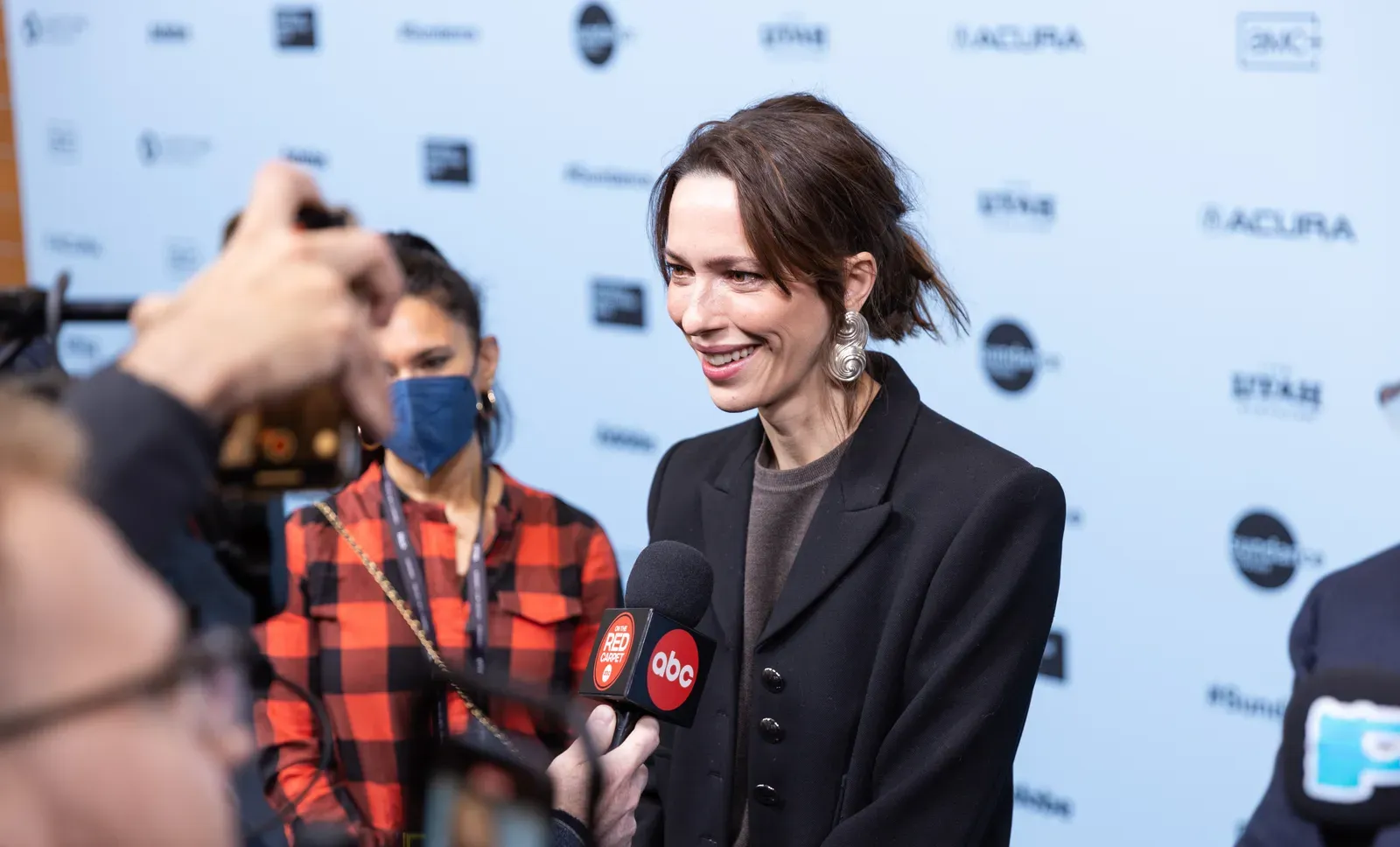
Rebecca Hall is not known enough in general, but her leading role in the 2016 independent drama Christine is award-worthy. Christine tells the story of Christine Chubbuck, a 1970s news anchor suffering with mental illness who shoots herself on live television. The film depicts the days leading up to Christine’s death. Present in almost every scene, Hall carries the entire movie.
The subject matter kept mainstream audiences at a distance, which is understandable, but it also meant that Hall’s genuinely extraordinary work went largely unseen. For every widely celebrated performance, there are several others that quietly slip through the cracks, often despite strong acting, fascinating subject matter, or even critical praise. Part of the reason comes down to timing, marketing, and tone. Some of these films lean heavily into introspection rather than spectacle, while others focus on lesser-known chapters of well-known lives. That can make them harder to sell to mainstream audiences, even if they’re rich in substance. Hall’s Christine is all of that, and more.
Sam Riley in “Control” (2007)
Directed by Anton Corbijn, Control chronicles the life of Joy Division frontman Ian Curtis, whose haunting voice and lyrics defined a generation of post-punk music. Played with striking intensity by Sam Riley, the film explores Curtis’s struggles with epilepsy, fame, and personal relationships leading up to his tragic death. Shot in stark black-and-white, it received strong critical acclaim for its authenticity and atmosphere. However, its somber tone and limited release meant it flew under the radar for mainstream audiences.
Riley had to learn to perform the band’s music convincingly, capture Curtis’s distinctive epileptic movements during concerts, and sustain a portrayal of deteriorating mental health over an entire film. He was largely unknown at the time, which perhaps worked against him in awards terms. Movie stars have given underrated performances in all kinds of genres since the beginning of film. Due to the nature of film, more popular movies are often going to get talked about more than less popular ones. Control never had the commercial engine to push Riley’s work into the broader conversation, and that remains one of the genuine quiet injustices of that era’s awards season.
What links these nine performances isn’t failure. Most of them were recognized in some form, by critics, by festivals, by a devoted smaller audience. What they share is a ceiling that their work never deserved. The films around them underperformed, the marketing missed, the timing was off, or the roles were simply too quiet for the noise of awards season. Talent doesn’t guarantee visibility. It never has. These nine actors knew that better than anyone.