There’s a specific kind of quiet that used to settle over living rooms on Thursday nights in the late 1980s. Dinner was over, the dishes were probably still in the sink, and families across the country tuned in to watch a fictional household in a Brooklyn brownstone navigate the same small crises everyone else was dealing with. It wasn’t just entertainment. For a solid chunk of a decade, one TV family became the yardstick against which real families quietly measured themselves. That family was the Huxtables, and the show was, of course, The Cosby Show. What made it stick wasn’t just the jokes or the sweaters. It was something closer to aspiration, and the way an entire country decided, almost overnight, that this was what a happy household was supposed to look like.
A show that arrived at exactly the right moment
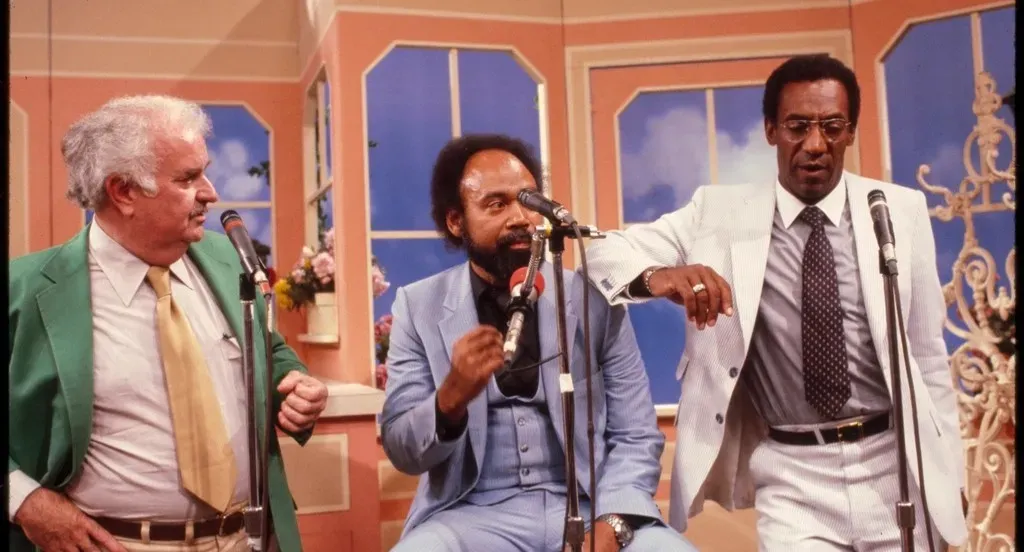
When The Cosby Show premiered in September 1984, network sitcoms were considered a dying format, propped up by tired formulas and shrinking audiences. From its first airing on September 20, 1984, the show was an immediate hit, and it quickly moved to the top position in the ratings, a place it held throughout the 1980s, reviving interest in the situation comedy format at a time when it was thought to be declining. NBC, which had been struggling for years, suddenly had a hit that reshaped its entire schedule.
It became a cornerstone of NBC’s legendary Thursday-night lineup and played a major role in turning the network into the ratings leader during the 1980s. That timing mattered. The country was heading into the Reagan years, and there was a cultural hunger for stability and warmth on screen, something the show delivered without ever feeling saccharine.
The Huxtables were not your average sitcom family

Starring Bill Cosby as Cliff Huxtable, a successful obstetrician, the show depicted an affluent African American family with relatable parenting challenges, setting it apart from prior representations of Black families in television. This was not the broad, exaggerated sitcom style that had dominated earlier decades. It was quieter, more grounded, and rooted in actual family dynamics rather than punchlines about mismatched personalities.
Featuring an affluent African American family, the show raised various questions about appropriate portrayals of African Americans on television, and it was a show about the American Dream. The Huxtable family concerned itself with few issues and concerns that most families, both Black and nonblack, had to worry about, and the family’s fundamental value was love, with race not mattering in the way the show was structured. That approach, intentional and carefully built, is a big part of why so many households across racial and economic lines saw themselves reflected back.
Cliff Huxtable became the template for TV dads
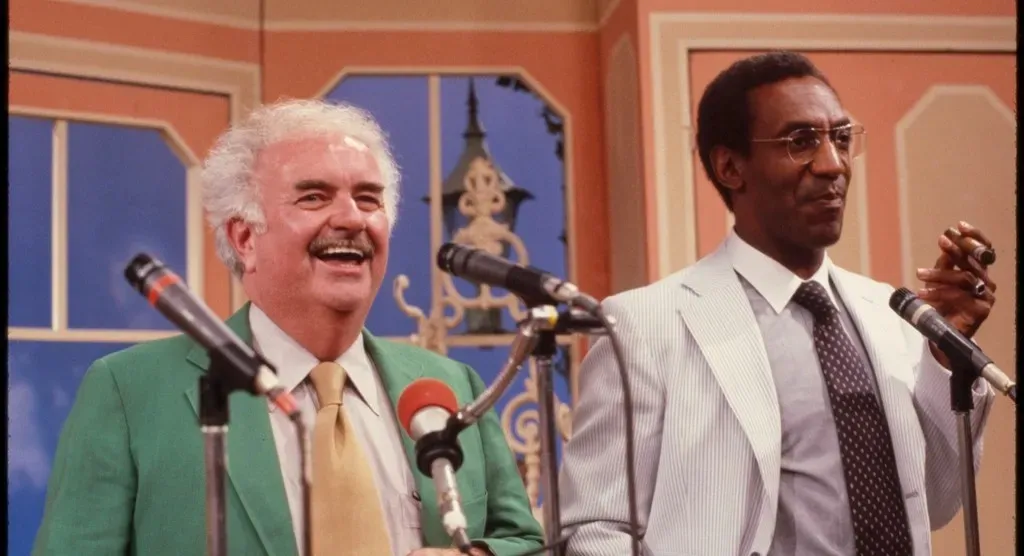
Bill Cosby’s portrayal of Cliff Huxtable redefined what a sitcom father could be on screen. He wasn’t the bumbling patriarch or the stern disciplinarian common to earlier decades of television. TV Guide named Cliff Huxtable as the “Greatest Television Dad” in 2014, when the magazine ranked its list of the 50 greatest shows.
Bill Cosby was nicknamed “America’s Dad” for his highly celebrated portrayal of Cliff Huxtable. The character was warm but not a pushover, funny without undercutting his authority, and involved in his kids’ lives in a way that felt genuinely new for the format. It’s part of why so many viewers, fairly or not, held their own dads up against him.
Clair Huxtable changed what a TV mom could be too
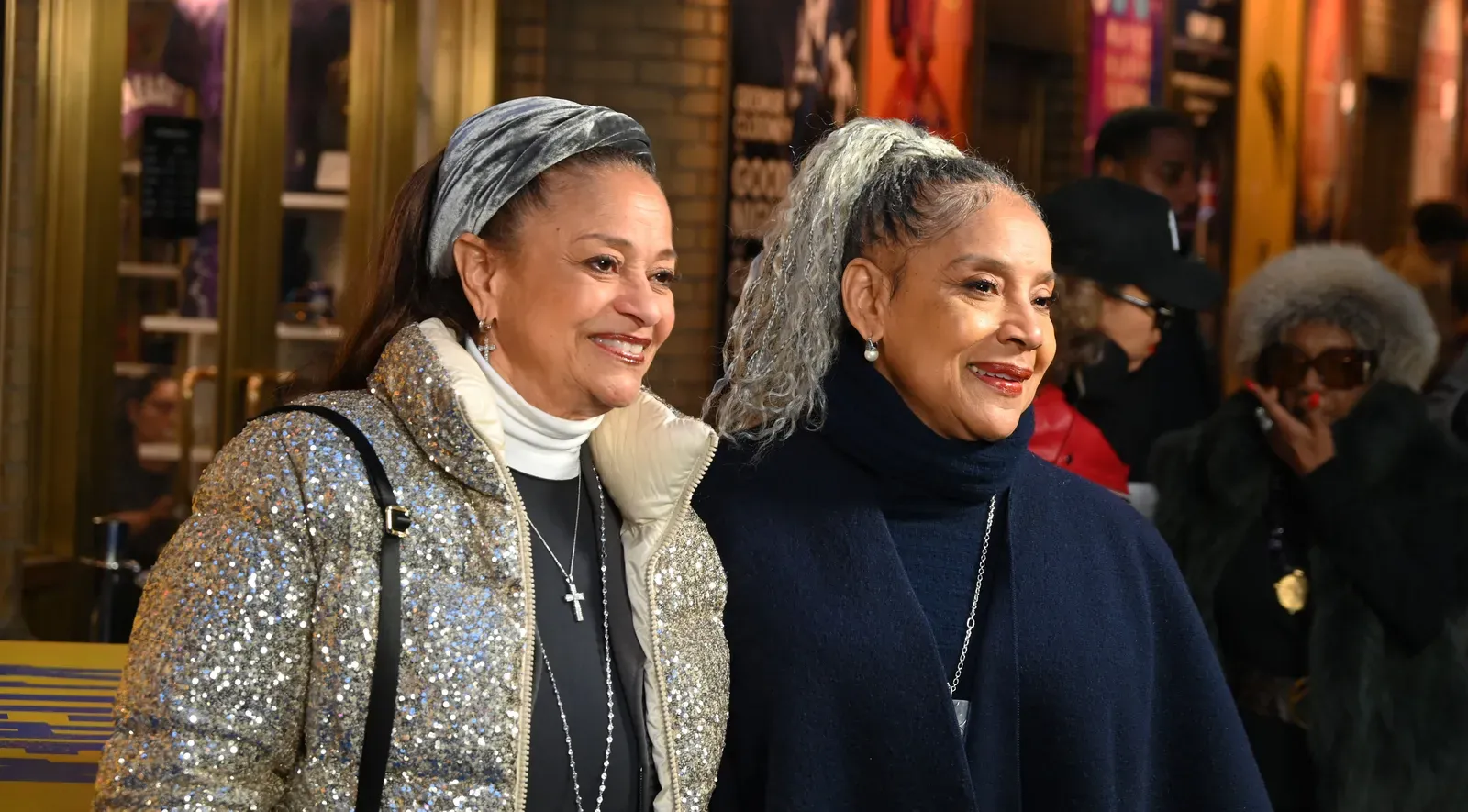
Just as influential was Phylicia Rashad’s portrayal of Clair Huxtable, a sharp, successful attorney who was never reduced to a background character. The portrayal of Clair Huxtable, the matriarch of the Huxtable family, by Phylicia Rashad sparked an international wave of working mothers on television dubbed the “Clair Huxtable effect.”
Before Clair, plenty of sitcom mothers existed mainly to worry about the kids or manage the household. Clair argued cases, held her own in every scene, and was treated by the show, and by her on-screen husband, as an equal partner rather than a supporting character. For working mothers watching at home, that representation carried weight far beyond the sitcom format.
The ratings numbers are almost hard to believe now

From 1985 through 1990, The Cosby Show was the number one show on television for five consecutive seasons, a rare feat in the competitive world of network TV. It is one of only two sitcoms in Nielsen ratings history, the other being All in the Family, to finish at number one for five seasons, remaining in the top 20 for its entire run.
To put that in perspective for anyone used to today’s fragmented streaming landscape, this was appointment viewing on a scale that simply does not exist anymore. An estimated 62 million people tuned in every Thursday night during the early seasons. One single episode, according to Metacritic’s broadcast records, received a 41.3 rating, 56 share, and was seen by 64,980,000 viewers.
Partner offer
It quietly reshaped what was possible for Black families on TV
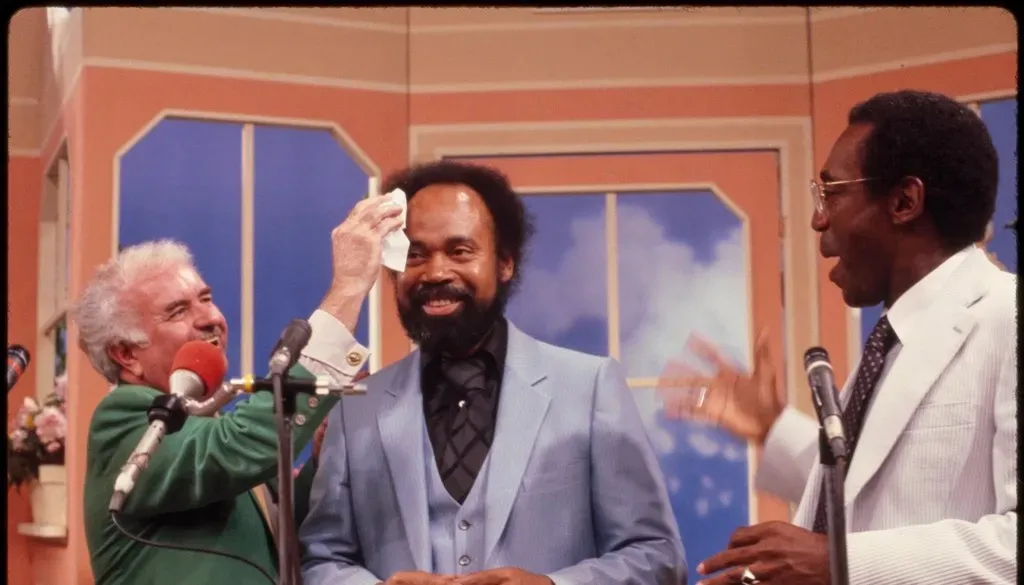
The show’s impact went well beyond its own run. In May 1992, Entertainment Weekly stated that The Cosby Show helped to make possible a larger variety of shows with a predominantly Black cast, from In Living Color to The Fresh Prince of Bel-Air. Its success proved, to a skeptical industry, that a show centered on a Black family could dominate mainstream ratings rather than being treated as a niche program.
It also remains the only scripted TV show with a predominantly African American cast to top the Nielsen ratings, and to do so more than once. That record still stands decades later, which says something about how singular the show’s success really was, and how rarely television has managed to replicate it since.
The house, the sweaters, and the small details that stuck

Part of the show’s staying power came from the specifics. Cliff Huxtable’s colorful, patterned sweaters became genuinely iconic. The colorful sweaters he wore as Cliff became a fashion trend for a time which was temporarily revived in the early 2010s.
The Huxtable brownstone in Brooklyn Heights, filled with artwork by Black artists, also carried intentional meaning. Much of the artwork that hung on the walls of the Huxtable home was by renowned African American artists Synthia Saint James and by the painter Varnette Honeywood. Every visual choice reinforced the sense of a household that was warm, cultured, and rooted in identity without ever making a spectacle of it.
A spin off that proved the formula could travel

The show’s influence extended into its own universe when Denise Huxtable headed off to college. It produced a spin-off program, A Different World, set at a historically Black college and initially focusing on Bonet’s Denise character. That spin-off became a hit in its own right rather than a footnote.
Its spinoff, A Different World, also became a ratings hit, featuring in the top 5 of the ratings for four of its six seasons. For a network sitcom to spin off a companion series that itself became a genuine ratings success was almost unheard of at the time, and it spoke to how deeply the Huxtable universe had embedded itself in the culture.
The legacy is complicated, and that’s worth acknowledging
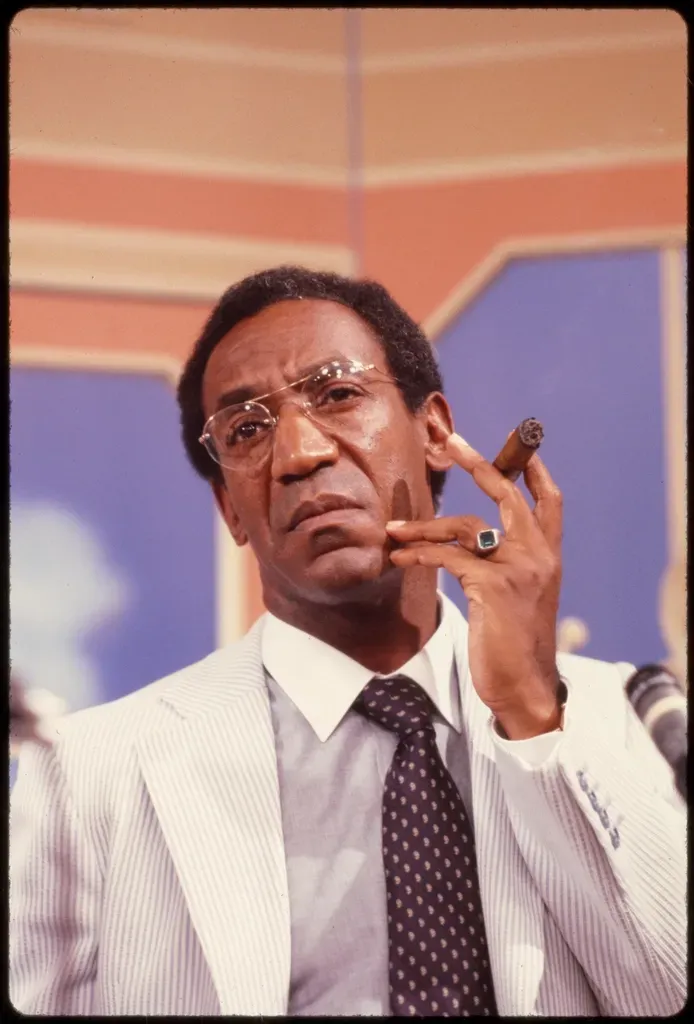
It would be incomplete to talk about this show’s cultural footprint without noting the shadow that later fell over it. Bill Cosby’s own personal history, and the serious allegations and legal proceedings that followed decades after the show ended, changed how many viewers now approach the series. Despite later controversies surrounding Bill Cosby, the cultural impact of “The Cosby Show” remains significant in discussions about representation and family ideals on television.
Critics and historians have largely separated the two conversations, treating the show’s cultural significance and its creator’s later legal troubles as distinct, if uncomfortable, threads of the same story. It’s a strange kind of duality, watching reruns of a show once considered comfort food for the whole country while knowing what came after for the man at its center.
Why the comparison still comes up decades later

Even now, when people talk about an “ideal” or “aspirational” TV family, the Huxtables are usually the reference point that comes up first, especially for anyone who grew up in the 1980s. The show is considered one of the most popular programs of the 1980s. That’s not just nostalgia talking. It’s a reflection of how thoroughly the show embedded itself into the era’s sense of what a functional, loving household should look like on screen.
No sitcom family since has managed to occupy quite the same cultural space, dominating ratings while also shifting how an entire demographic was portrayed on national television. It remains the only scripted TV show with a predominantly African American cast to top the Nielsen ratings, and to do so more than once, which is as much a statement about the show’s singular achievement as it is about how far television still has to go in matching it.
The takeaway
Partner offer
Planning a trip to Vegas?
Compare hotel rates and show tickets on VEGAS.com.