Every follow up starts with a handicap. The first film surprised people, and the second has to do that again while everyone is watching. Some sequels pull it off, but plenty don’t.
The eight films below are ones that audiences, critics, or both remember as letdowns. Each case is backed by box office numbers, awards history, or how the film was received when it came out. Opinions vary, of course, and a few of these have small groups of defenders.
Joker: Folie à Deux (2024)
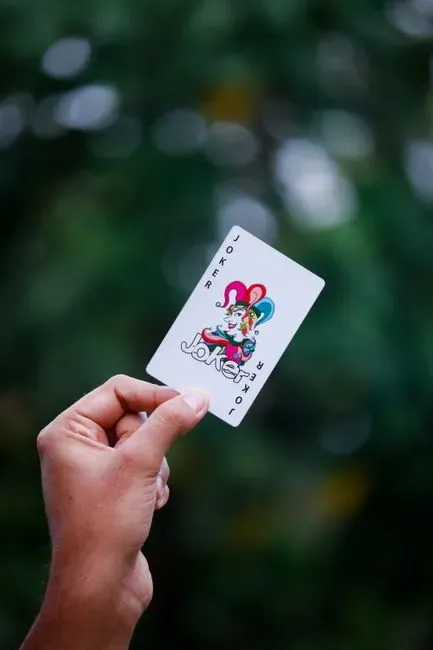
The 2019 original made over a billion dollars worldwide and won Joaquin Phoenix an Oscar. Its 2024 sequel turned the story into a musical courtroom drama, and many viewers didn’t see it coming. Audiences gave it a poor CinemaScore grade of D, which is rare for a big studio release.
The money reflected the mood. The film reportedly grossed around 200 million dollars worldwide against a budget in the neighborhood of 190 million. That’s a steep fall from the first film, and fans often said the songs got in the way of the character study they’d come for.
The Godfather Part III (1990)
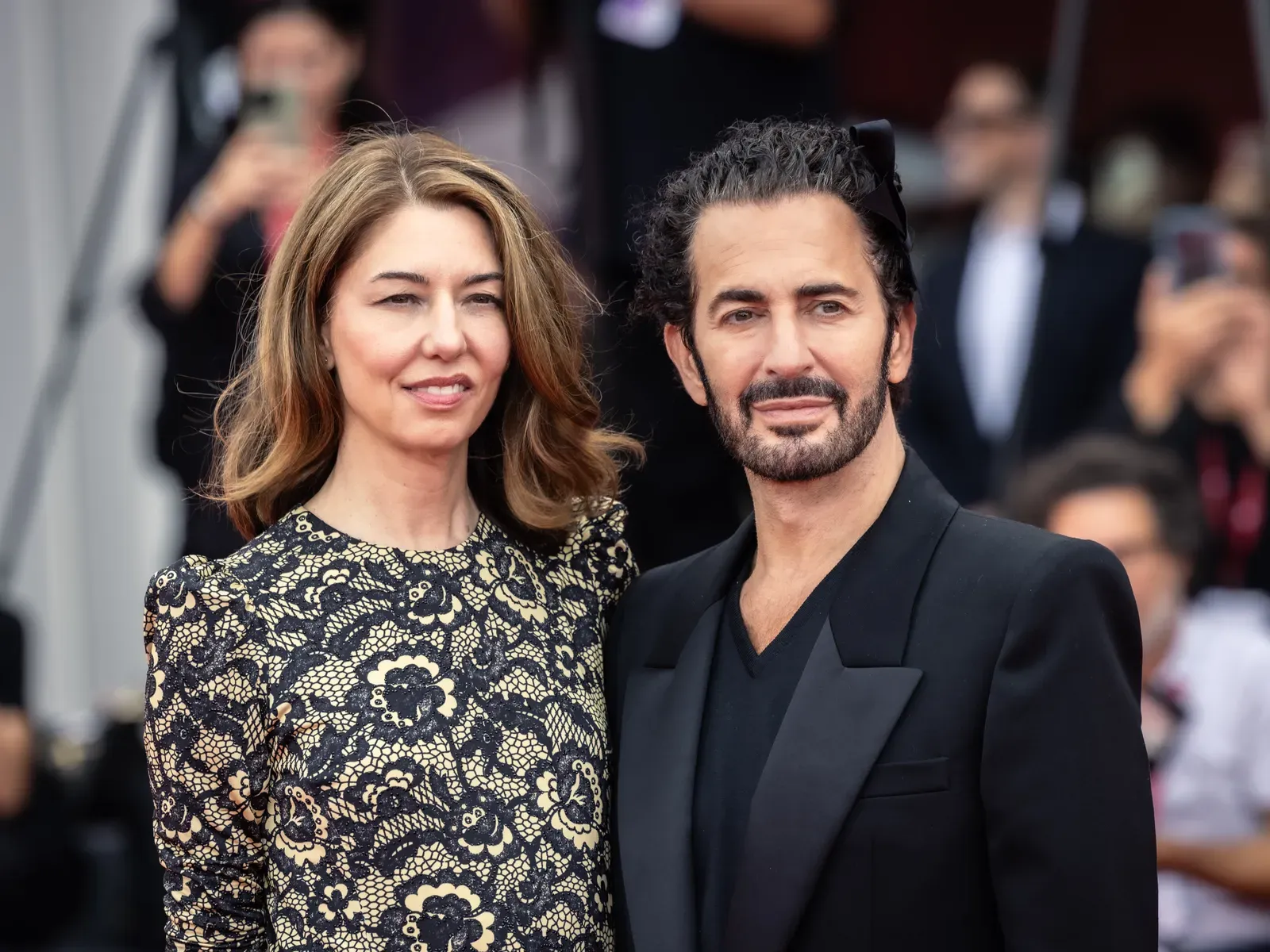
Following two films widely counted among the best ever made was always going to be brutal. Part III did earn several Oscar nominations, including Best Picture. Even so, it’s the entry most fans rank last in the trilogy.
The casting of Sofia Coppola in a major role drew heavy criticism at the time. Francis Ford Coppola later re-edited the film and released it in 2020 as The Godfather, Coda: The Death of Michael Corleone, with a new opening and ending. The fact that he revisited it at all suggests even its director felt it needed another try.
Batman & Robin (1997)
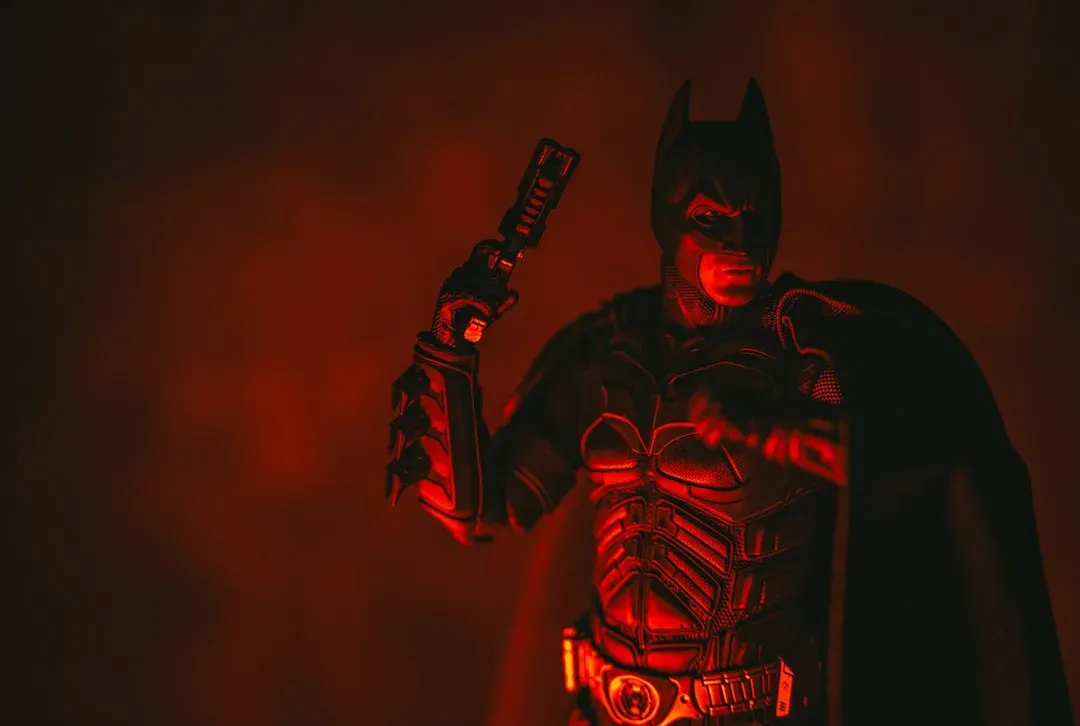
Batman Forever had done well, so the studio pushed the series toward a brighter, toy friendly tone. The result was a film packed with puns, neon, and costumes with sculpted nipples. Critics were harsh, and it collected multiple Razzie nominations.
It also stalled the franchise for years. Warner Bros. shelved the planned follow up, and the character didn’t return to the big screen until Batman Begins in 2005. Many fans still point to it as the low point of superhero filmmaking.
Speed 2: Cruise Control (1997)

The original Speed was a lean thriller about a bus that couldn’t slow down. For the sequel, the setting moved to a cruise ship, which is not exactly a vehicle known for its velocity. Keanu Reeves chose not to return, and Jason Patric stepped in opposite Sandra Bullock.
The film was expensive and struggled to earn that money back. It was a critical flop and picked up Razzie attention. Fans tend to bring it up as a textbook example of a title promising more than the concept could deliver.
Partner offer
Indiana Jones and the Kingdom of the Crystal Skull (2008)
After nineteen years away, Harrison Ford’s whip and fedora came back with a lot of goodwill behind them. The film made a large amount of money worldwide, so commercially it was no disaster. The complaints were about the story, especially the shift to 1950s science fiction and an alien themed finale.
Certain scenes, such as Indiana Jones surviving a nuclear test inside a refrigerator, became running jokes among fans. Many felt the movie leaned on computer effects where the earlier films relied on practical stunts. Its reception was noticeably cooler than the original trilogy’s.
Cars 2 (2011)
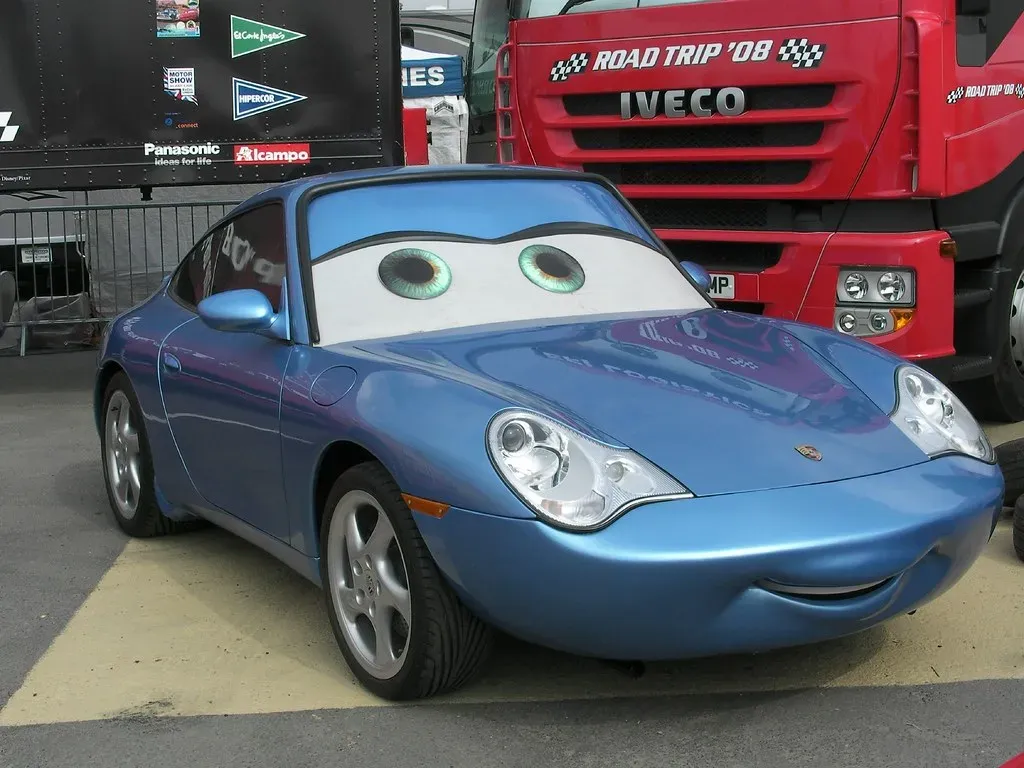
Pixar had built a reputation for near flawless critical reception before this one arrived. Cars 2 shifted the spotlight from Lightning McQueen to the sidekick Mater and turned the story into a spy caper. It’s widely remembered as the studio’s first real critical stumble.
Reviews were mixed to negative, and viewers often said it felt more like a marketing vehicle than a story. It still sold plenty of merchandise, which fed the suspicion that toys drove the decision to make it. Fans of the first film’s small town charm found little of it here.
Jaws: The Revenge (1987)
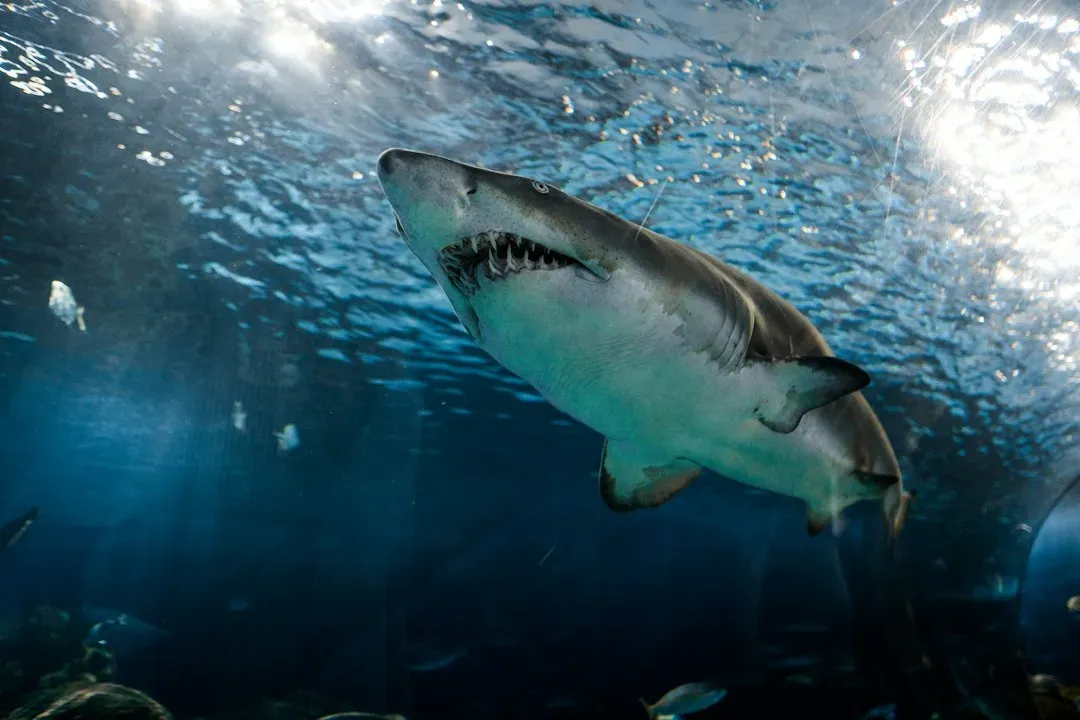
The first Jaws essentially invented the summer blockbuster in 1975. By the fourth film, the premise had reached the point of a shark seemingly targeting one family personally. Critics were unkind, and the film was nominated for several Razzie awards.
Its production was also rushed, and the story asks viewers to accept a lot, including a shark that roars. Audiences who loved the tension of the original were left with unintentional comedy. The film is often the first one people name when they talk about franchises that went too far.
The Matrix Resurrections (2021)
Nearly two decades after the trilogy ended, Lana Wachowski brought Neo and Trinity back. The film was released in theaters and on HBO Max at the same time, which likely hurt its box office. It earned roughly 157 million dollars worldwide, well below what the earlier films managed.
Fans were split on its heavily self aware approach, which commented on the idea of sequels and reboots themselves. Some admired the ambition, while others found it messy and short on the action that defined the original. It remains a divisive entry, and few would call it essential viewing.
Final Thoughts
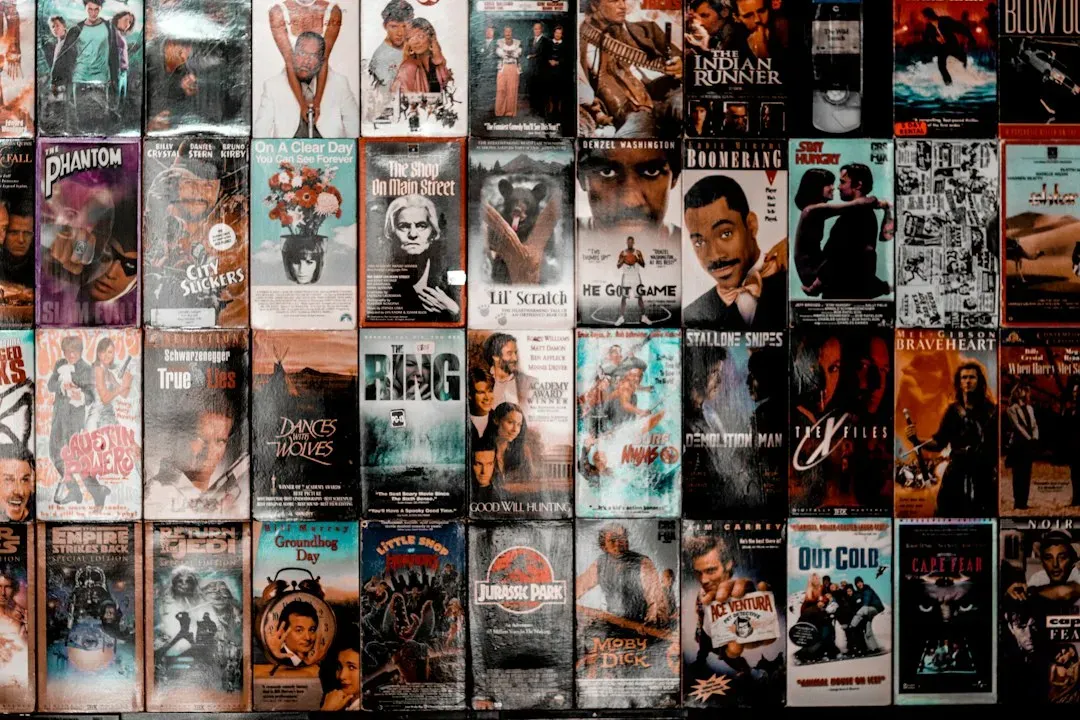
These eight films show that a big budget, a returning cast, or a famous name doesn’t guarantee a satisfying follow up. Whether the issue was tone, story, or timing, audiences noticed. The original films remain the ones most people go back to.
Partner offer
Planning a trip to Vegas?
Compare hotel rates and show tickets on VEGAS.com.