Most of us can hum a film theme long after we’ve forgotten the plot. A few notes are enough to bring back a shark, a desert planet, or a motel shower. Behind each of those tunes is a working composer, a director with opinions, and usually a few surprises.
The seven scores below come from different decades and genres. Each has a production story that shaped how it sounds and how people remember it.
Jaws (1975): Two Notes That Changed Suspense
John Williams built the shark’s theme on a simple alternating pattern that rises and repeats, getting faster as the danger closes in. Steven Spielberg has often said that his first reaction to the idea was to laugh, thinking it was too basic to work.
The simplicity is the whole point. The music lets viewers feel the shark before they see it, which suited a production famous for its malfunctioning mechanical shark. Williams won the Academy Award for Best Original Score for the film.
Star Wars (1977): A Space Opera With an Orchestra
George Lucas could have gone with futuristic electronic sounds. Instead he brought in John Williams, who wrote a big symphonic score in the late Romantic tradition. It was performed by the London Symphony Orchestra.
The choice gave a story about spaceships an emotional weight that felt familiar, almost like old adventure films. The score won the Oscar for Best Original Score, and the main theme is still among the most recognized pieces of film music ever written.
Psycho (1960): Strings Only, and Very Sharp
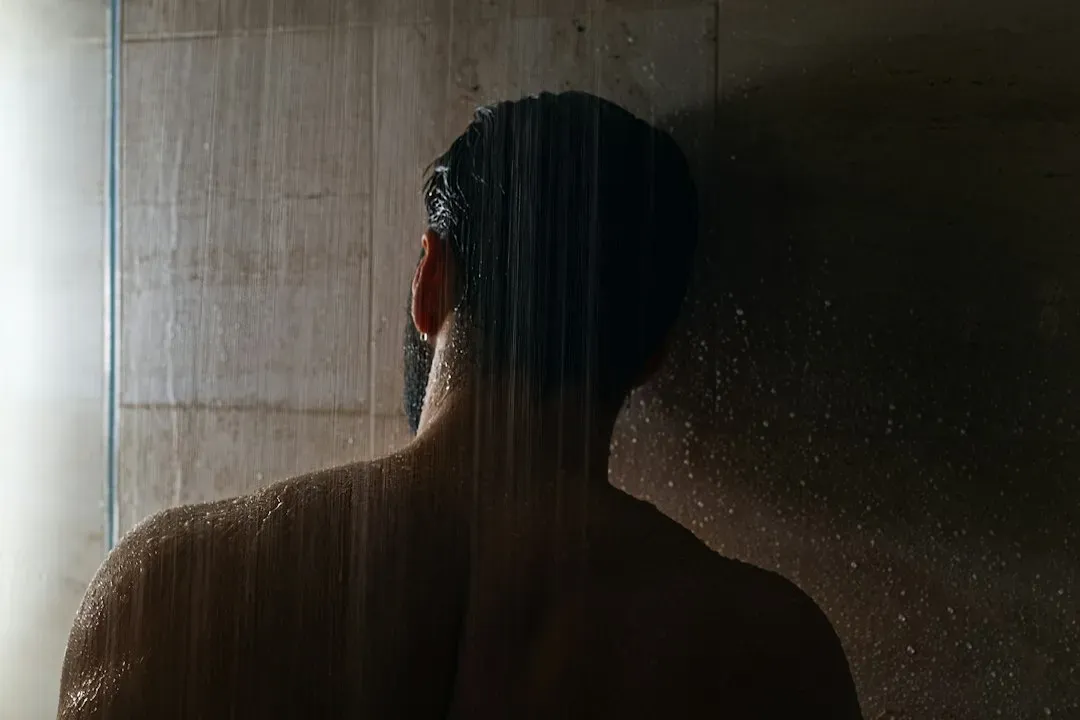
Bernard Herrmann wrote the Psycho score for string instruments alone. That limited palette gave the black and white film a cold, scraping sound that matched its look. Reports from the production say Alfred Hitchcock had not planned music for the shower scene, but Herrmann wrote a piece anyway.
Hitchcock listened and approved it. The screeching violins have been imitated in horror films and parodied elsewhere for decades. Herrmann showed that a small ensemble could sound more frightening than a full orchestra.
The Good, the Bad and the Ugly (1966): Morricone’s Western Voice
Ennio Morricone worked closely with director Sergio Leone, and the two developed an unusual method. Morricone often composed music before shooting, so scenes could be timed to the score instead of the reverse. The main theme uses a sound that resembles a coyote’s call, alongside whistling, electric guitar, and choir voices.
Partner offer
The result was far from the sweeping orchestral Westerns Hollywood had produced before. Morricone received an honorary Oscar in 2007. He later won a competitive Oscar for The Hateful Eight in 2016.
Blade Runner (1982): Vangelis and the Synthesizer
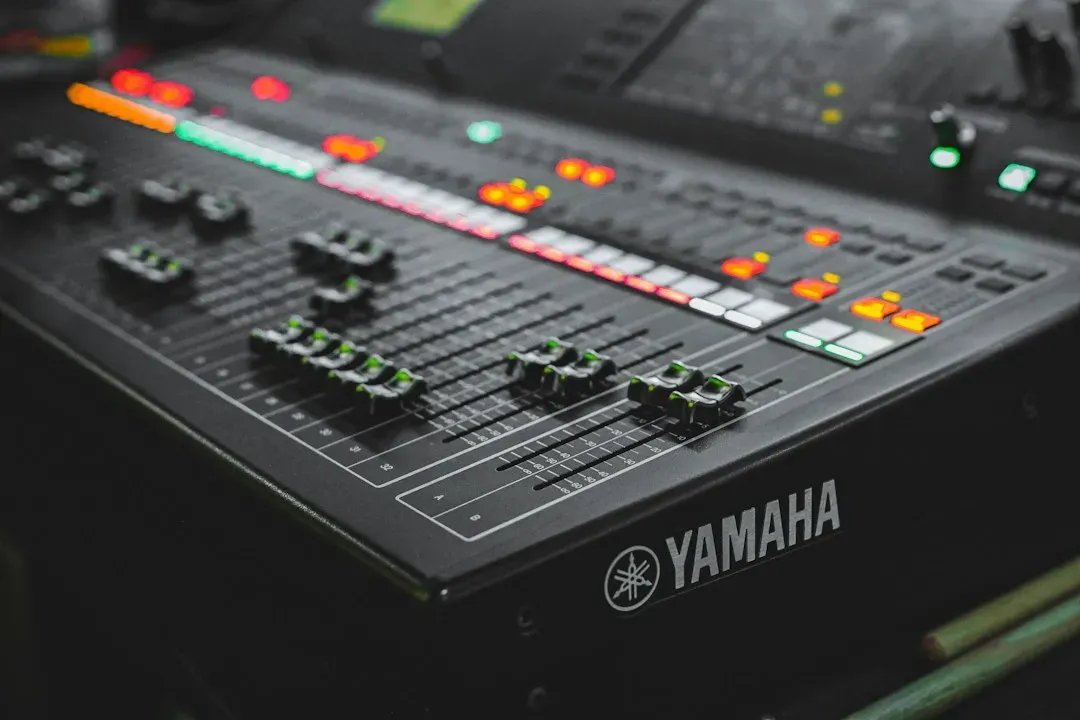
Vangelis, the Greek composer, created the Blade Runner score largely on synthesizers, with the Yamaha CS-80 playing a key role. The instrument’s warm, wavering tones gave Ridley Scott’s rainy, neon city an atmosphere that felt both futuristic and melancholy. It was electronic music that still sounded human.
Fans waited a surprisingly long time for a proper album. The official soundtrack was not released until 1994, more than a decade after the film came out. In the meantime, unofficial recordings circulated among enthusiasts.
Purple Rain (1984): A Film Built Around an Album
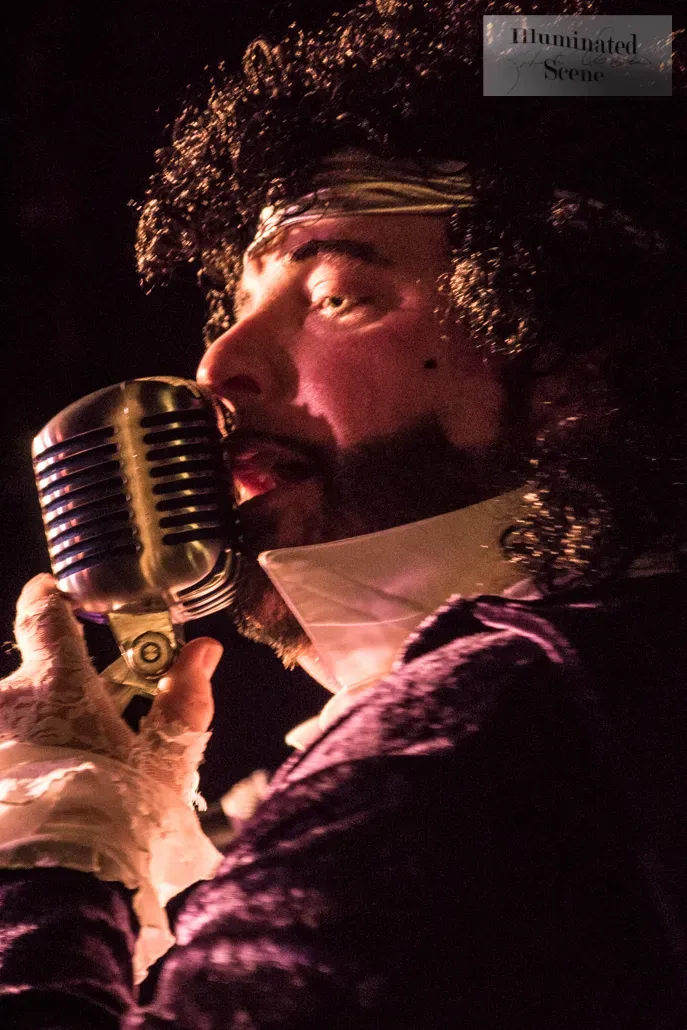
Prince starred in Purple Rain and wrote its songs with his band, the Revolution. The music was recorded largely for the film, and much of it was captured in live performance. The soundtrack album spent 24 weeks at number one on the Billboard 200, nearly half a year.
The project also earned Prince an Academy Award for Best Original Song Score. It remains one of the clearest examples of a film and its music promoting each other. Many listeners know the album far better than the movie.
Oppenheimer (2023): A Violin at the Center
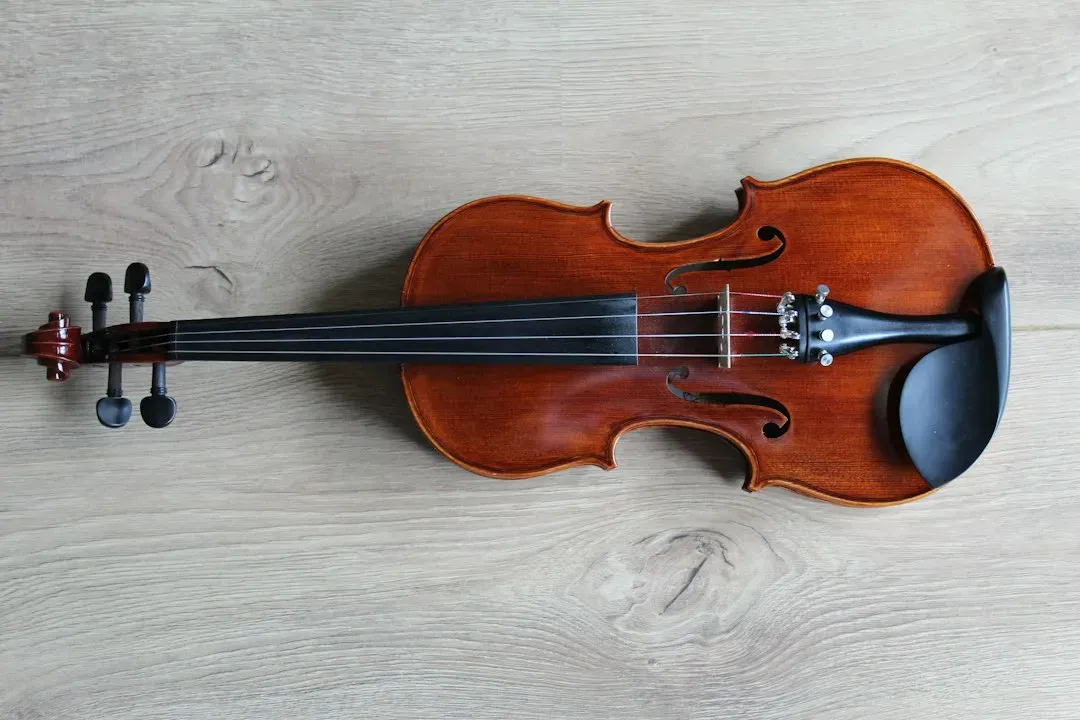
Ludwig Göransson composed the score for Christopher Nolan’s biographical drama about the atomic bomb. The music relies heavily on violin, giving it an anxious, restless quality that matches the film’s tightly wound structure. Göransson had previously worked with Nolan on Tenet.
The score won the Academy Award for Best Original Score at the 96th Oscars in March 2024. It stands as one of the most recent soundtracks to win that award and to gain wide cultural attention.
Where These Scores Stand Today
The Oscars for Williams, Morricone, Prince, and Göransson show how differently great film music can be made. Herrmann’s strings and Vangelis’s synthesizers offer two more approaches.
Three of these scores date to the 1970s and 1980s, and they are still widely performed and streamed. The newest, Oppenheimer, arrived in 2023 and won its award in 2024.
Partner offer
Planning a trip to Vegas?
Compare hotel rates and show tickets on VEGAS.com.