
Walking out in front of hundreds of strangers sounds like the last thing a shy person would choose. Yet a surprising number of well-known performers describe themselves as quiet, anxious, or self-conscious kids who ended up in the spotlight anyway.
Their routes differ, and none of them is a magic trick. Still, a few patterns show up again and again, from a push by a teacher to the safety of a character. Here are seven of them, drawn from what these actors have said publicly over the years.
Harrison Ford and the Required Drama Class
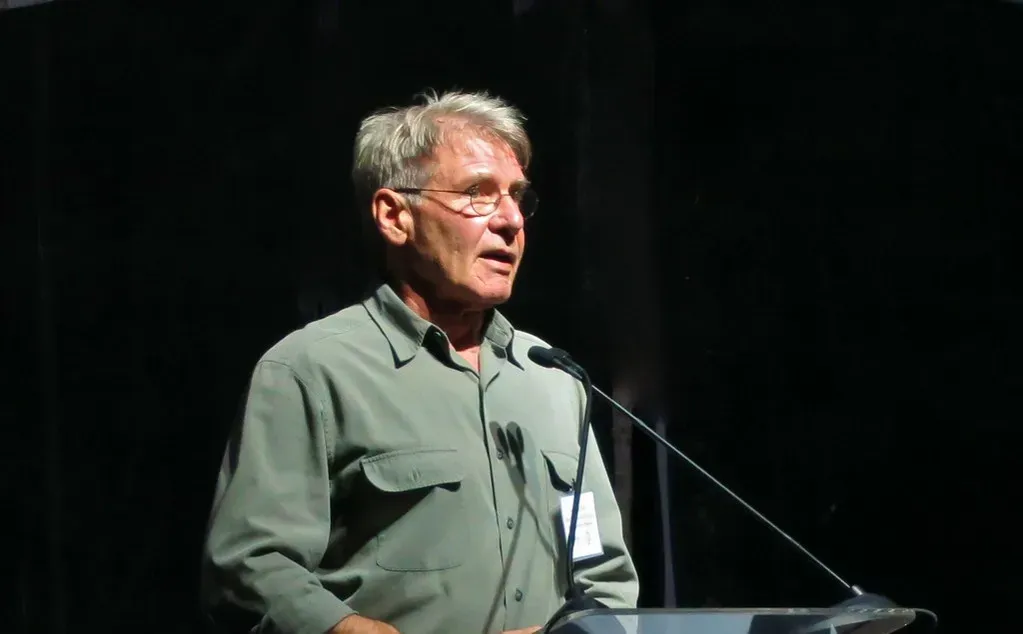
Harrison Ford has often said he was painfully shy as a young man. At Ripon College in Wisconsin, he signed up for a drama course, reportedly to fill a requirement and to push himself out of his shell. It was a small decision with a very large payoff.
The lesson here is about structure. Ford didn’t wait to feel brave first. He put himself in a class where speaking and moving in front of others was simply the assignment, and confidence followed practice.
Emma Stone and the Power of Improv
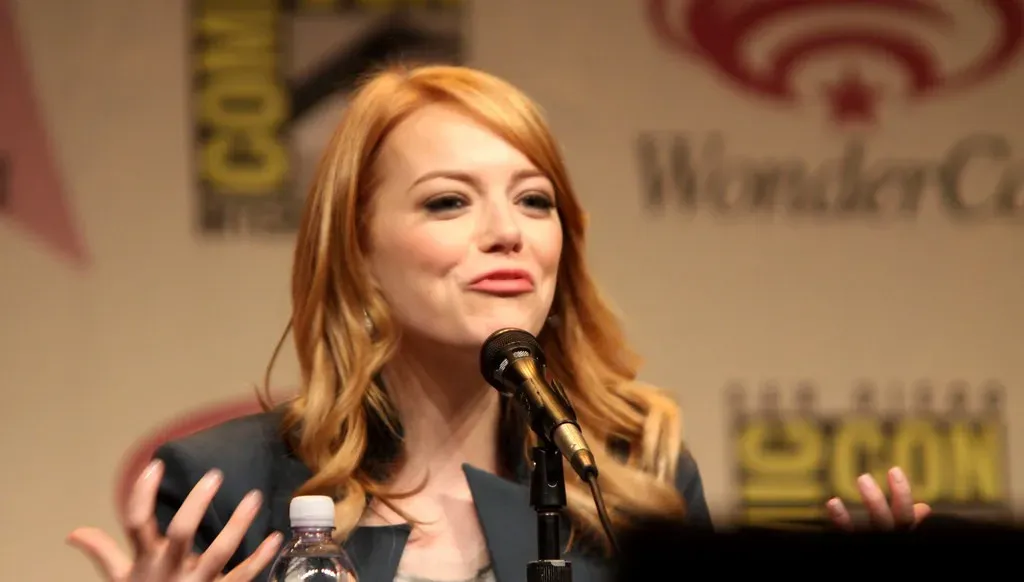
Emma Stone has spoken openly about childhood anxiety and panic attacks, and about starting therapy at a young age. She has also credited acting and improvisation as an outlet that helped her feel more at ease. As a teenager in Arizona, she performed with Valley Youth Theatre before moving to Los Angeles.
Improv is a useful tool for nervous people because there’s no script to forget. You listen, respond, and support your scene partner, which shifts attention away from yourself. Stone later won two Academy Awards for Best Actress, including for Poor Things, which was honored in 2024.
Emily Blunt and a Teacher Who Noticed

Emily Blunt grew up with a stutter that made school and speaking in public hard. She has said a teacher encouraged her to try a school play and to use a different voice, and the stutter eased while she performed. She has since supported stuttering organizations, including the American Institute for Stuttering.
Her story shows how a character can act as a bit of a shield. Speaking as someone else removed some of the pressure, and over time she built skills she could carry into her own speech. One encouraging adult made a lasting difference.
Bill Hader and Learning to Live With Anxiety
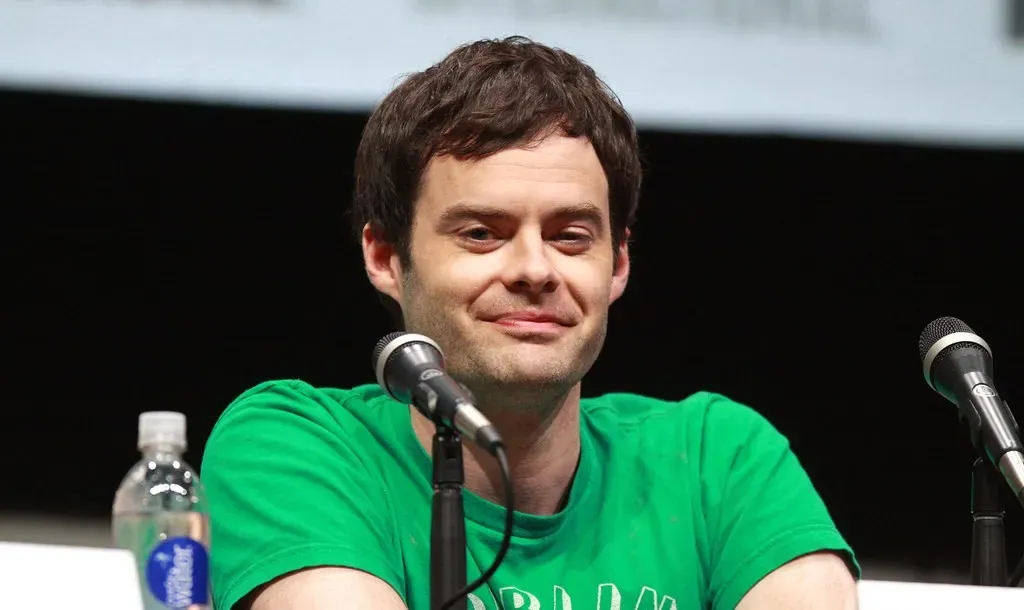
Bill Hader has talked about intense anxiety during his years on Saturday Night Live, including nerves before going on air. He has also said that he found ways to keep working through it rather than waiting for it to disappear. Later he channeled some of that experience into Barry, which he co created and starred in.
His example is a useful correction to the idea that shy performers must become fearless. Many simply learn to function alongside nerves. Preparation, a trusted creative team, and the discipline of showing up all helped him keep going.
Daniel Radcliffe and Finding Footing Beyond the Franchise
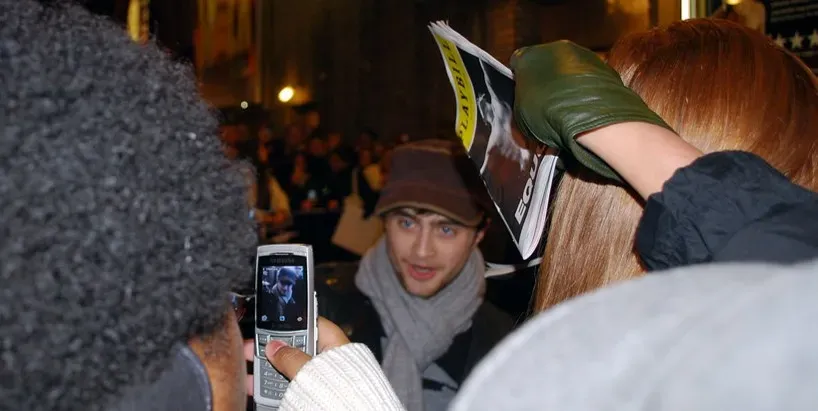
Daniel Radcliffe has described being shy and awkward as a child, and he has been open about having dyspraxia, which affects coordination. After growing up on the Harry Potter film sets, he moved into stage work and gradually took on physically demanding, risky roles. In 2024 he won a Tony Award for Merrily We Roll Along on Broadway.
Live theater asked a lot of him, including singing, hitting marks, and sustaining a performance night after night. That kind of repetition can build trust in your own body. For someone who once felt clumsy, it was a striking turnaround.
Kate Winslet and Choosing Craft Over Comfort
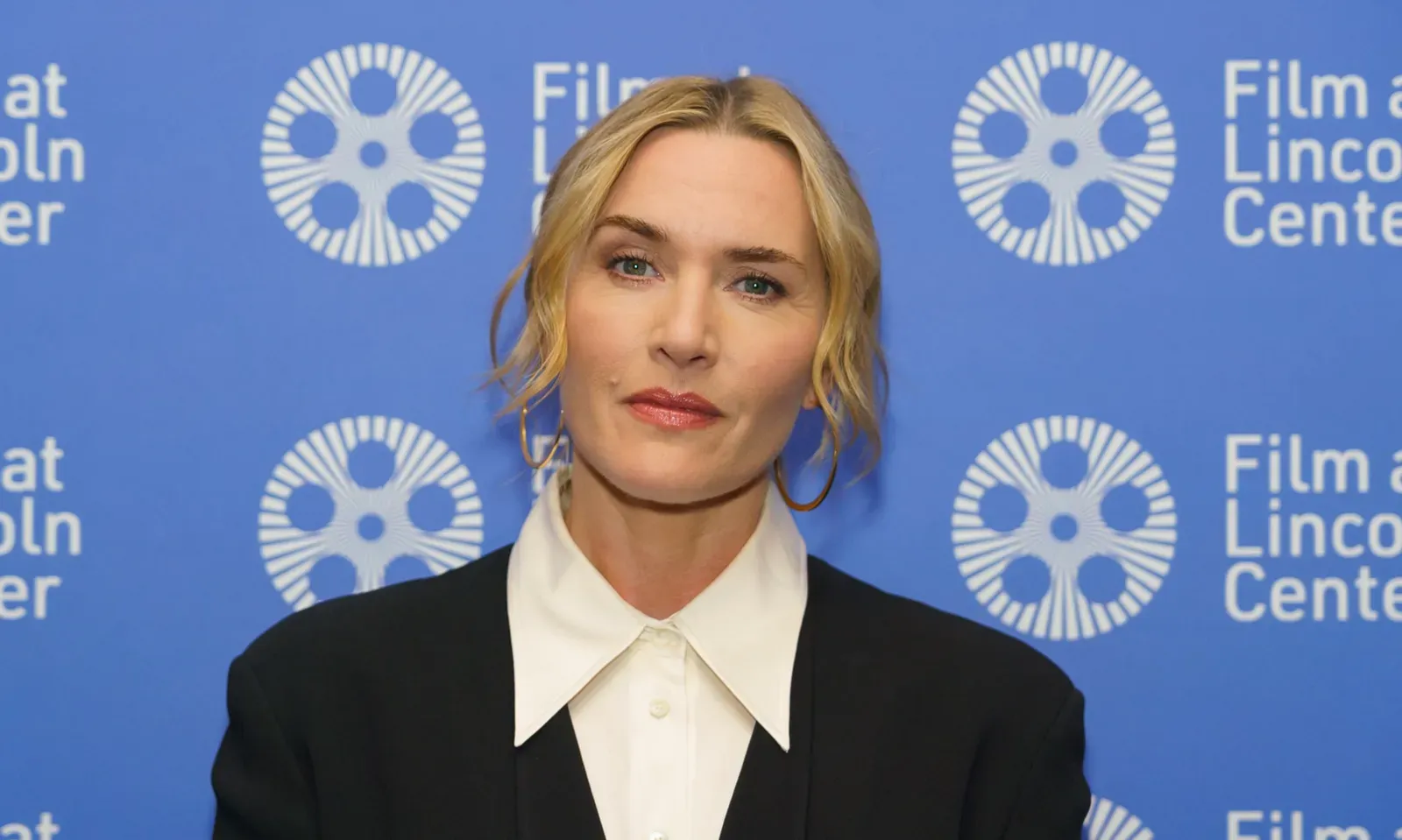
Kate Winslet has said she was teased as a teenager, and she has spoken about the self doubt that came with it. She trained in performing arts from a young age and kept pushing toward roles that interested her. Her breakthrough on screen came in the mid nineties, and she has stayed active across film, television, and stage since.
What stands out is her focus on the work itself. Putting attention on the craft, rather than on how she was being judged, gave her a steadier base. It’s an approach plenty of shy people can borrow in everyday life.
Practical Habits Shy Performers Keep Using
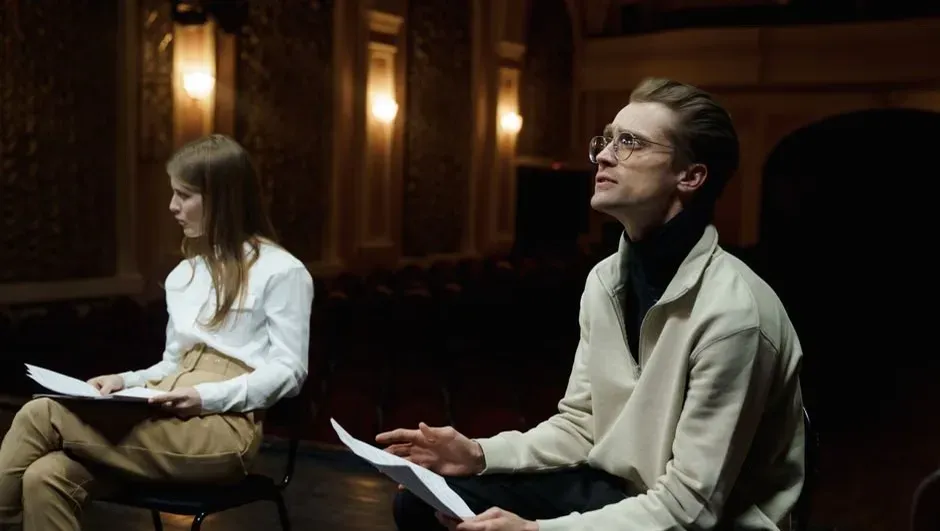
Looking across these stories, the recurring habits are modest and very learnable. Take a class that makes speaking aloud routine. Rehearse until the material is automatic. Lean on scene partners rather than trying to carry everything alone.
Many performers also use a character as a way to step into a bolder version of themselves. Therapy and open conversations about anxiety have helped some, as Stone and Hader have described. Shyness doesn’t have to vanish for someone to give a memorable performance, and for these actors it never fully did.