Watch a veteran performer in the minutes before curtain, and you’ll notice something odd. Not much seems to be happening. There’s no frantic energy, just a quiet kind of routine.
That calm isn’t luck or talent alone. It’s usually built from small, repeatable habits that tell the body and mind what’s coming. Here are seven that experienced performers tend to rely on, along with what research generally says about why they work.
Warm Up Your Body Before You Warm Up Your Nerves

Physical preparation comes first because the body is the instrument, whether you sing, play, act, or dance. Gentle movement raises muscle temperature and blood flow, which sports science has long linked to better readiness and lower strain risk. Musicians and dancers often add targeted stretches for the hands, neck, shoulders, and back.
A warm-up also gives your attention somewhere to go. Instead of replaying worst-case scenarios, you’re counting breaths or rolling out your wrists. Many seasoned performers keep the same sequence every time, so it works almost like a signal that the show has begun.
Use Your Breath to Settle the Room Inside You
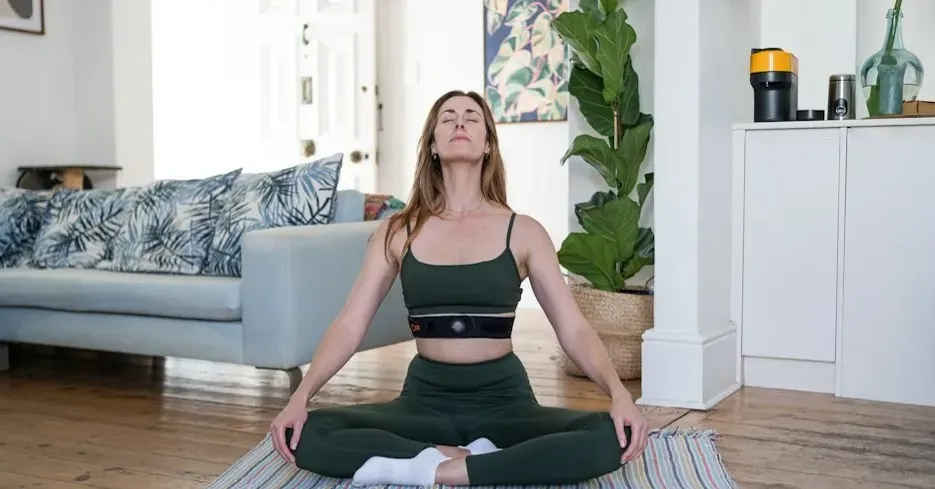
Slow, controlled breathing is one of the simplest tools for managing pre-performance anxiety. Reviews of breathing practices suggest that slower breathing can support a calmer physiological state, including lower heart rate. Singers and wind players already train breath control, but actors and speakers benefit just as much.
A common approach is to breathe in through the nose for a few counts and then exhale longer than you inhaled. Longer exhales are often used to encourage relaxation. Try it a few minutes before stepping on, not for the first time at the wings.
Run a Short Mental Rehearsal
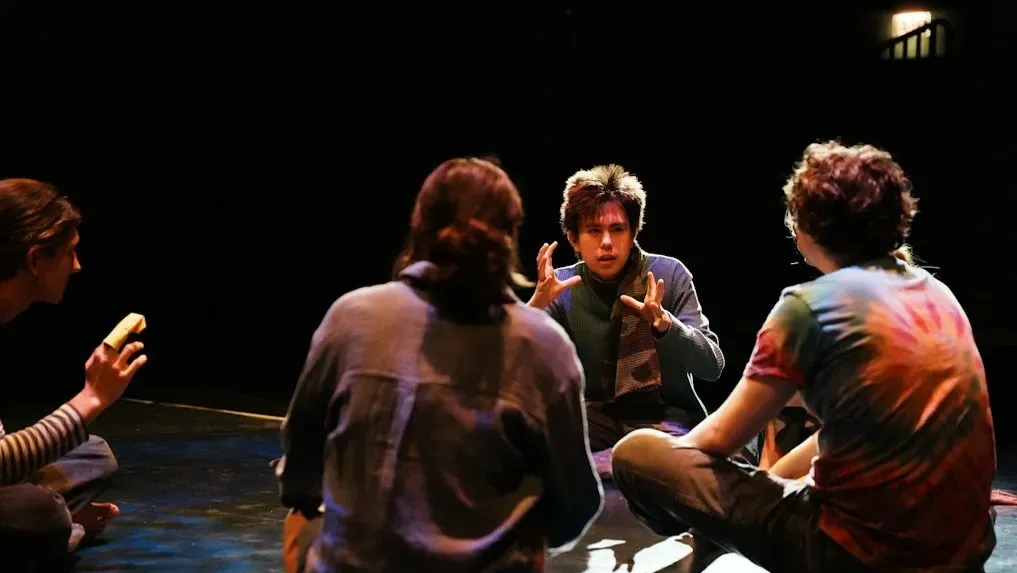
Mental imagery is well studied in music and sport. Research on performers has found that imagining a performance in vivid detail can support preparation, especially when combined with physical practice. It doesn’t replace practice, but it fills in gaps practice can’t reach, like walking out under lights.
Keep it concrete. Picture the entrance, the first line or note, and one tricky moment handled well. Seasoned performers also imagine small hiccups and how they’ll recover, which makes surprises feel familiar rather than threatening.
Check Your Gear and Space Early
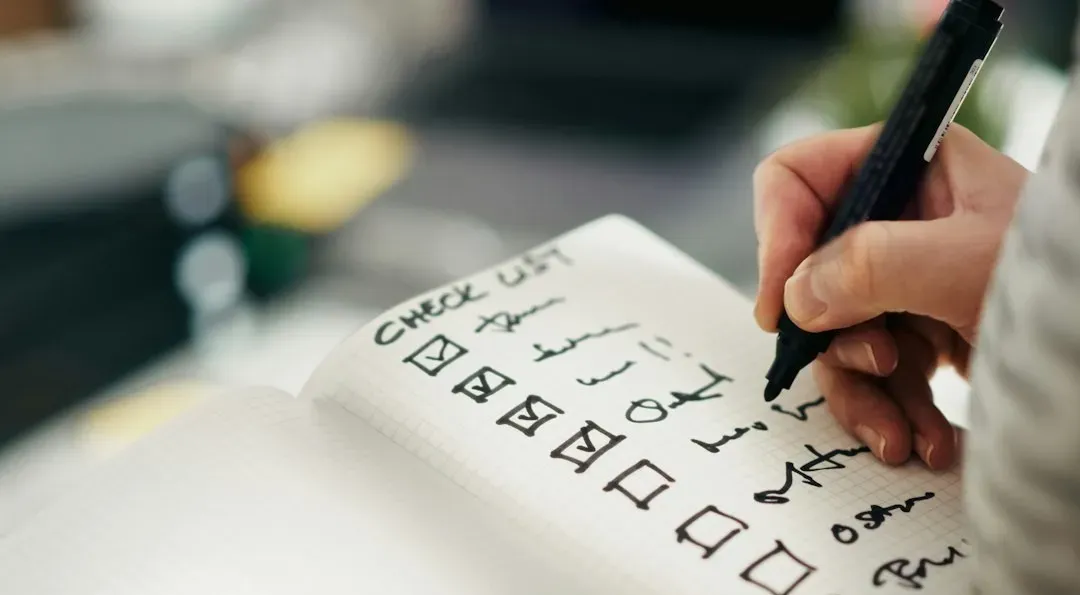
Experienced performers arrive with time to spare. They test microphones, tune instruments, check cables, props, and costumes, and walk the stage to learn where the floor feels different. Most onstage panic comes from small unknowns, and early checks remove many of them.
It helps to keep a checklist, even a mental one. Pilots and surgeons use checklists because memory gets unreliable under pressure, and the same logic applies backstage. When the practical stuff is settled, your head has more room for the actual performance.
Eat, Hydrate, and Skip the Extremes

Performing is physically demanding, and a poorly timed meal can wreck it. Many performers eat a light, balanced meal a few hours beforehand and keep water close. Dehydration can affect concentration and, for voice users, vocal comfort.
Caffeine deserves some caution. It can sharpen focus, but it can also make nerves feel worse and add shakiness, particularly for people already anxious. The point is to learn what works for you on ordinary days, then stay consistent on show days.
Reframe Nerves as Energy

Feeling nervous doesn’t mean you’re unprepared. Racing heart, sweaty palms, and a tight stomach are the same signs your body shows when excited. Research on anxiety reappraisal, including work from Harvard’s Alison Wood Brooks, found that people told to view anxiety as excitement tended to perform better on tasks like singing and public speaking.
So rather than telling yourself to calm down, which often backfires, you can say you’re excited. It’s a small shift in wording, yet it points the same arousal toward the task. Veterans often describe nerves as a sign they still care.
Set One Simple Intention and Keep Your Ritual

Before going on, many seasoned performers pick a single focus, such as connecting with the audience, listening to a scene partner, or staying present in the phrasing. One clear aim beats a long list of corrections. Technical fixes belong in rehearsal, not in the final minutes.
Rituals can help too. Studies on pre-performance routines, including research on rituals and anxiety, suggest that even simple, repeatable actions can reduce nervousness and improve confidence. It could be a playlist, a few words with castmates, or a quiet minute alone, as long as it’s yours and you do it every time.