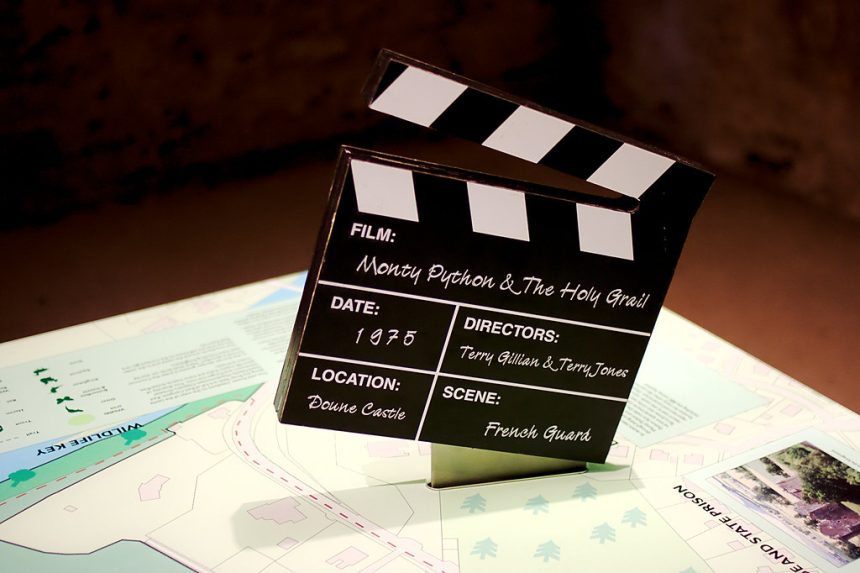
Most movies wrap in a few months. Some take years, and a few take decades, stretched by storms, lawsuits, illnesses, money troubles or plain stubborn ambition.
The eight productions below are well documented, and each one ran long for a different reason. Some ended in triumph, some in disaster, and one is still reshaping how a whole franchise gets made.
Boyhood and the Twelve Year Shoot

Richard Linklater began filming Boyhood in 2002 and finished in 2013. He gathered the same cast for a short shoot each year, so the story of a boy growing up unfolded in real time. Ellar Coltrane was a young child at the start and a college aged adult by the end.
The film reached theaters in 2014 and earned six Oscar nominations. Patricia Arquette won Best Supporting Actress for her role. The long schedule was the whole idea rather than a problem, since the movie needed actual time to pass.
The Man Who Killed Don Quixote

Terry Gilliam first tried to film his Don Quixote project around 2000. Flash floods hit the Spanish location, military jets disrupted the sound, and lead actor Jean Rochefort fell ill. The production collapsed, and the failed attempt became the documentary Lost in La Mancha.
Gilliam kept returning to the idea for nearly two decades and lost several financing deals along the way. The finished film premiered as the closing title at the Cannes Film Festival in 2018. Reviews were mixed, but simply getting it made was widely treated as an achievement.
Apocalypse Now in the Philippines

Francis Ford Coppola started shooting Apocalypse Now in the Philippines in 1976, expecting a relatively short schedule. It stretched well past a year. A typhoon wrecked sets, Martin Sheen suffered a heart attack, and Marlon Brando showed up unprepared and heavier than the role demanded.
Coppola then spent a long stretch in the editing room, and the film didn’t reach audiences until 1979. It went on to win the Palme d’Or at Cannes. The chaos of the shoot was later recorded in the documentary Hearts of Darkness.
Cleopatra and the Studio That Nearly Fell


Cleopatra started production in London in 1960, then moved to Rome after weather problems and the illness of star Elizabeth Taylor. Directors changed, sets were rebuilt, and costs kept climbing. The film opened in 1963.
Partner offer

The spending nearly bankrupted 20th Century Fox. It became a standard warning about runaway budgets in the studio era. The film did earn strong box office, yet its costs were so high that it was long seen as a financial catastrophe.
Megalopolis and Coppola’s Long Wait

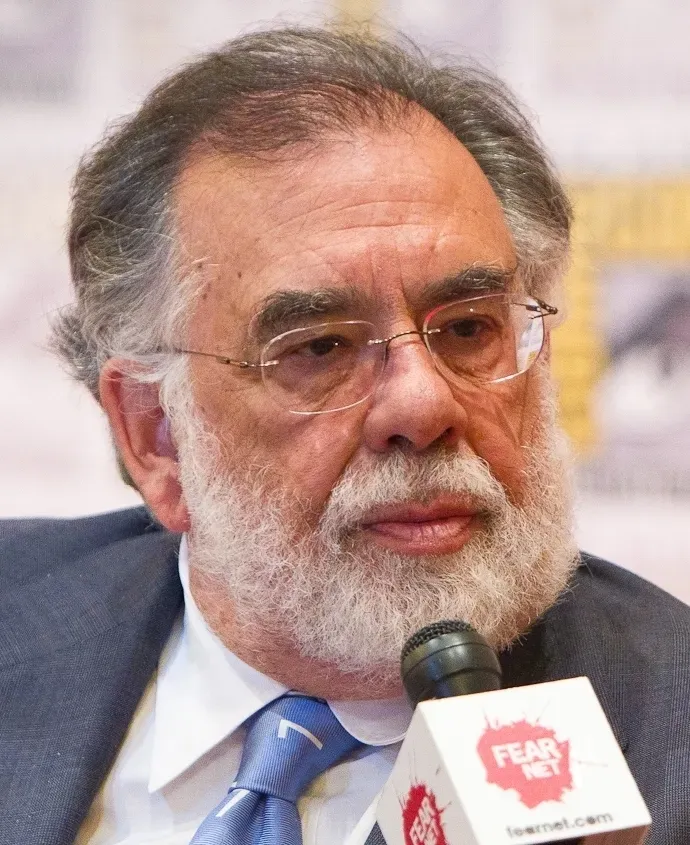
Coppola first developed Megalopolis in the early 1980s and returned to it repeatedly over the following decades. Plans stalled more than once, including after the September 2001 attacks disrupted an earlier attempt. He eventually financed the film himself, largely by selling part of his wine business.
The movie premiered at Cannes in May 2024 and opened in theaters in September of that year. Reported costs ran to roughly one hundred twenty million dollars. Critics were sharply divided, but few disputed how unusual its road to the screen had been.
The Lord of the Rings Trilogy


Peter Jackson shot all three Lord of the Rings films at the same time in New Zealand. Principal photography ran about fourteen months, from late 1999 into 2000. Crews worked on multiple units across a huge range of locations.
The films came out one per year, from 2001 to 2003, and Jackson kept refining them with additional filming in between. The final chapter, The Return of the King, won eleven Academy Awards. Filming three movies together was a major gamble that paid off.
Avatar and the Waiting Game

James Cameron had the idea for Avatar in the 1990s, but he waited until technology could deliver what he imagined. The film arrived in 2009, and the sequel, The Way of Water, followed in 2022. The third film, Fire and Ash, was scheduled for December 2025.
Cameron shot much of the sequels’ performance capture material together, including extensive underwater work. That approach let the productions overlap instead of starting from scratch each time. Even so, the series has taken well over a decade and a half to reach its third installment.
Heaven’s Gate and the Runaway Budget

Michael Cimino’s western Heaven’s Gate began filming in 1978 with a budget of roughly eleven million dollars. Perfectionism, repeated takes and elaborate period sets pushed the cost past forty million. United Artists watched the schedule slip while the money disappeared.
The first cut ran more than three and a half hours, and audiences and critics rejected it on release in 1980. The failure badly damaged United Artists, which was soon sold to MGM. Today the film is remembered as much for what it cost the studio as for its reappraisal by some critics.
Partner offer
Planning a trip to Vegas?
Compare hotel rates and show tickets on VEGAS.com.