Some of the most important records in music history very nearly didn’t exist. Not because the songs weren’t there, but because the process of capturing them spun into chaos – swallowed by addiction, perfectionism, legal battles, or the simple fact that making something genuinely new is almost impossible to plan. The studio, for all its promise, can become a trap as easily as a launching pad.
What’s remarkable isn’t just that these albums survived their own production. It’s that the struggle itself seems to have pressed something irreplaceable into the grooves. The friction, the delay, the near-collapse – all of it shows up in the finished work, whether listeners can name it or not. Here are the records that came closest to never arriving, and reshaped music when they finally did.
Brian Wilson’s SMiLE – A “Teenage Symphony to God” That Took Nearly Four Decades

Conceived by Brian Wilson as a “teenage symphony to God,” SMiLE was set to eclipse the Beach Boys’ landmark 1966 album Pet Sounds in ambition and artistry. Combining modular songwriting, psychedelic whimsy, and Van Dyke Parks’ surreal lyrics, it promised to revolutionise pop. Mounting pressure, intra-band tensions, and Wilson’s fragile mental state halted progress. Wilson, already increasingly reliant on drugs, suffered a crisis of confidence. He believed the follow-up single “Heroes and Villains” would eclipse both “Good Vibrations” and “Strawberry Fields Forever” by the Beatles. It failed to do so, and Wilson retreated into himself.
He had soon clocked up significant spending on substances and was playing piano in a custom-built sandbox. He finally had a breakdown and SMiLE was shelved, becoming one of the great lost albums of the Sixties. In September 2004, with his reputation as a pop icon restored, Wilson finally dusted down and completed the recordings, and the project was released as Brian Wilson Presents SMiLE. The wait was nearly four decades, and yet the record arrived as something genuinely revelatory – proof that some visions survive their own collapse.
My Bloody Valentine’s Loveless – Nineteen Studios and a Label That Nearly Went Under
Loveless was recorded between February 1989 and September 1991, with vocalist and guitarist Kevin Shields leading sessions and experimenting with glide guitar technique, non-standard tunings, digital sampling, and meticulous production methods. The band recorded at nineteen different studios and hired several engineers during the album’s prolonged recording. With bills stacking up, their label, Creation, began to worry about studio costs, which were surging past £250,000. The strain got so much that Dick Green, Creation’s second-in-command, woke one morning to discover his hair had turned grey overnight.
After its release, Creation owner Alan McGee dropped the band from the label as he found Shields too difficult to work with, a factor alleged to have contributed to the label having to sign a co-ownership deal with Sony Music to stay financially afloat. Loveless proved to have a lasting influence, inspiring bands such as Radiohead, Smashing Pumpkins, Mogwai, Nine Inch Nails, and more. It also retrospectively won the Mojo Award for Classic Album in 2008. Since its release, Loveless has been widely cited by critics as one of the greatest and most influential albums of all time, a landmark work of the shoegaze subgenre.
Steely Dan’s Gaucho – Car Accidents, Lawsuits, and a Missing Masterpiece
The recording sessions for Gaucho demonstrated the group’s typical obsessive nature and perfectionism, as they used at least 42 different session musicians, spent over a year in the studio, and far exceeded the original monetary advance given by the record label. Steely Dan’s 1980 album Gaucho has one of the more troubled productions in rock music history. Guitarist and songwriter Walter Becker was hit by a car before recording began, and while recovering from leg injuries, developed other infections which further delayed recording. After his recovery, he developed dependencies on the painkillers he had to take, which he supplemented with illegal drugs, causing a rift between him and band co-leader Donald Fagen.
Misfortune struck early when an assistant engineer accidentally erased most of “The Second Arrangement,” a favorite track of the production team, which remained lost until a recording was discovered in 2020. The making of the album was plagued by creative, personal, and professional problems, and once it was completed, there was a three-way legal battle between MCA, Warner Bros., and Steely Dan over the rights to release it. After the album was released, jazz pianist Keith Jarrett sued Walter Becker and Donald Fagen for copyright infringement, claiming the title track plagiarized one of his compositions from 1974, and he was given a co-writing credit. Gaucho remains a marvel of studio perfection, proof that genius often comes wrapped in torment.
Guns N’ Roses’ Chinese Democracy – Fourteen Years and Thirteen Million Dollars
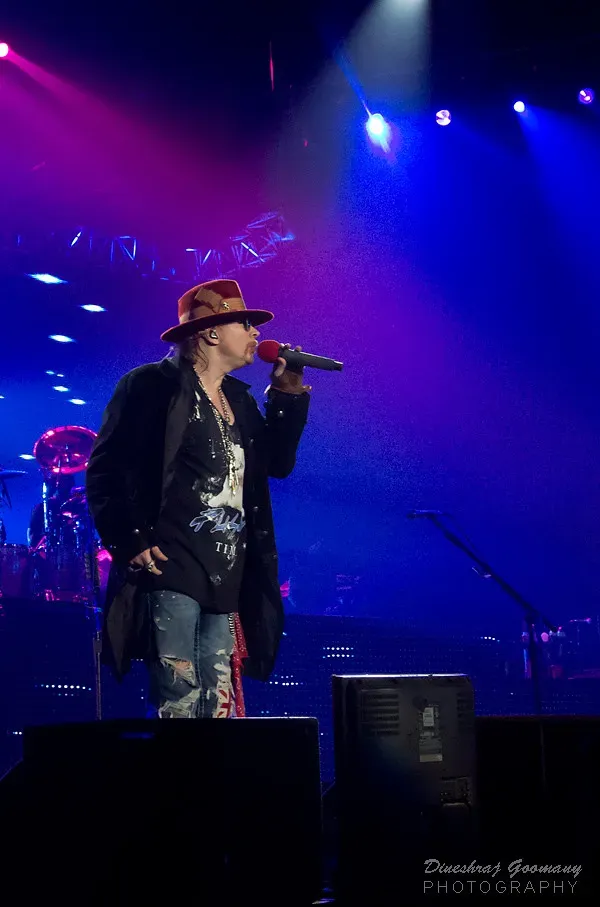
The album’s development spanned over a decade, becoming one of the most protracted and expensive recording processes in rock history, with reported costs exceeding $13 million. Recording began in 1998 with the intention of producing multiple albums; although more than 50 tracks were completed, Rose’s inconsistent studio schedule and repeated re-recordings caused substantial delays in the project’s progress. Lead guitarist Slash wanted to return to the band’s blues-based roots with a Rolling Stones/Aerosmith type sound. Singer Axl Rose, on the other hand, wanted to modernize the band’s sound and bring in influences from groups like Pearl Jam and Nine Inch Nails.
The album was worked on by at least six producers and featured numerous musicians during its countless session hours, including guitarists Dave Navarro and Brian May and Skid Row singer Sebastian Bach. Chinese Democracy was not created to serve the needs of Guns N’ Roses; Guns N’ Roses was recreated to serve the needs of Chinese Democracy. Upon release, it debuted at number three on the Billboard 200. It was certified platinum, receiving generally favorable reviews for its ambition and vocal performances, though its production and lengthy recording process drew mixed reactions. Over time, the album’s legacy has become more nuanced – it is seen both as a fascinating, flawed art-rock project and as a symbol of perfectionism and “permanent liminality” in rock production.
The Beatles’ Let It Be – Collapse Dressed Up as a Record
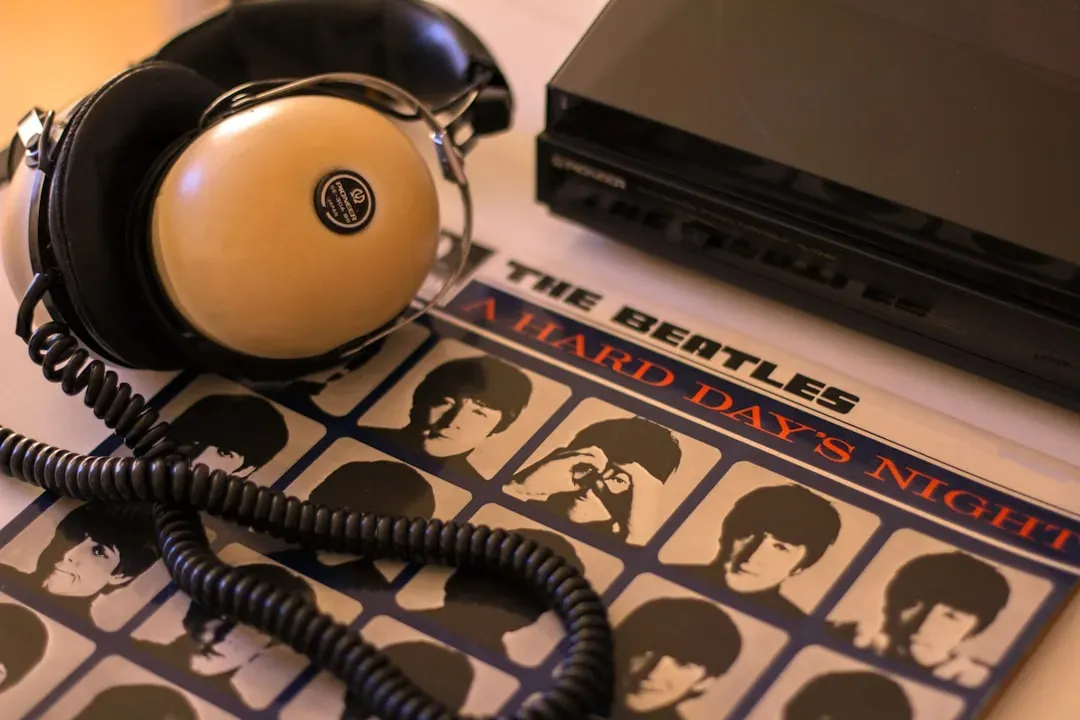
Planned as a back-to-basics return in 1969, Get Back was shelved amid tensions and creative disagreements. Intended to strip away the polish of the recording studio, it could have redefined The Beatles’ late-era image, showcasing raw energy and unity. The music itself felt stuck between two ideas – live spontaneity and studio perfection – satisfying neither. When the tapes piled up in a confused jumble, the Beatles abandoned the sessions. Months later, producer Phil Spector salvaged the material, reshaping it into a releasable album.
Let It Be survived not through unity, but through stubborn momentum and post-production surgery. The film of the sessions that eventually accompanied the album – released decades later as Peter Jackson’s Get Back documentary in 2021 – reframed the story considerably, showing moments of warmth alongside the fracture. In every case, the music was real – it just never reached its audience at the right moment. Some have since emerged in altered form, others still live on only in myth, bootlegs, and the imaginations of fans.
David Bowie’s Heroes – Recorded on the Edge in Cold War Berlin

Following the deeply experimental and commercially challenging Low, Bowie was still struggling with severe drug addiction and psychological distress while living in self-imposed exile in Berlin. In July 1977 he entered Hansa Studios, a cold, former Nazi ballroom on the border of the Berlin Wall, with immense creative energy but poor personal health. Crucially, the recording sessions were marked by frequent, intense clashes between Bowie and co-producer Tony Visconti, especially over Visconti’s use of a new harmonizer on Bowie’s vocals.
The creation of the preceding Station to Station was less a recording session and more a psychic break. Bowie later claimed he had “zero memory” of the Los Angeles sessions, inhabiting the icy persona of the Thin White Duke to mask his mounting paranoia. The music reflected this mental state – a cold, mechanical fusion of funk and European electronic textures. Despite the personal chaos, the result was a work of startling precision. It stands as a landmark of art-rock, captured at the exact moment a genius was drifting dangerously far from shore. The Berlin period that followed produced Heroes, which endured as arguably Bowie’s most beloved song and one of rock’s most emotionally vast recordings.
Steely Dan’s Aja – Over 40 Session Musicians and a Relentless Pursuit of the Perfect Take
The straw that nearly broke Aja’s back was the band’s notorious perfectionism, specifically that of core members Donald Fagen and Walter Becker. They embraced an uncompromising, studio-centric approach that involved bringing in over 40 session musicians – including some of the world’s most talented jazz and rock players – and subjecting them to brutal, exhaustive recording schedules. Many of the session musicians enlisted to play on the album were unenthusiastic about Becker and Fagen’s increasingly obsessive, perfectionist recording style. Mark Knopfler of Dire Straits, who was hired to play a guitar solo on the strength of his playing on “Sultans of Swing,” described the session as long and gruelling.
The resulting album was a commercial and critical triumph, winning the Grammy Award for Album of the Year in 1978 – a rare honor for a rock record. Steely Dan approached every song as if a single flawed bar could invalidate the whole effort. That obsession with sonic precision, exhausting as it was for everyone in the room, produced something that still sounds almost impossibly refined more than four decades later.
Tears for Fears’ The Seeds of Love – Four Years, a Mountain of Costs, and a Partnership at Its Limit
Tears for Fears’ third album took nearly four years, countless sessions, and a mountain of money to complete, becoming one of the most agonizing albums of the decade. After the success of Songs from the Big Chair, Roland Orzabal and Curt Smith wanted to move beyond synth-pop into warmer, organic territory inspired by The Beatles and jazz. Recording quickly became a nightmare. The duo brought in a rotating cast of musicians and began rebuilding the album from scratch multiple times, never quite satisfied with what they had.
When The Seeds of Love finally arrived in 1989, it was met with considerable critical praise and went to number one in the UK. The sheer weight of its creation had pushed the relationship between Orzabal and Smith to a breaking point – Smith left the band shortly after the album’s release, and the group wouldn’t record together again for over a decade. Some albums don’t just change music – they change the course of the artists who make them. The Seeds of Love is one of the clearest examples of that truth in pop history.
Nirvana’s In Utero – Label Pressure, Remix Wars, and a Sound That Divided Everyone

Nirvana’s third and final studio album, In Utero, had a couple of issues getting finished. While the recording sessions went by smoothly and with little trouble, the post-production process was a difficult time. The executives at Geffen Records didn’t like the initial mixes and felt that they wouldn’t sell, deeply dispiriting Kurt Cobain, who soon came to have a similar opinion. The band tried employing Bob Ludwig to remix the recordings, but despite Krist Novoselic’s approval, Cobain still wasn’t satisfied. They then went to producer Scott Litt for additional mixing help, but initial producer Steve Albini wouldn’t give the masters to him until Novoselic convinced him to do so.
The album eventually emerged in September 1993 and entered the US charts at number one. Steve Albini’s raw, abrasive production – exactly what the label feared – became part of the record’s identity and legacy. In Utero now stands as one of the defining documents of alternative rock’s early-nineties moment, a record that nearly buckled under institutional doubt before proving every skeptic wrong the moment it was heard.
David Bowie’s Toy – Shelved by a Label, Rescued by Time
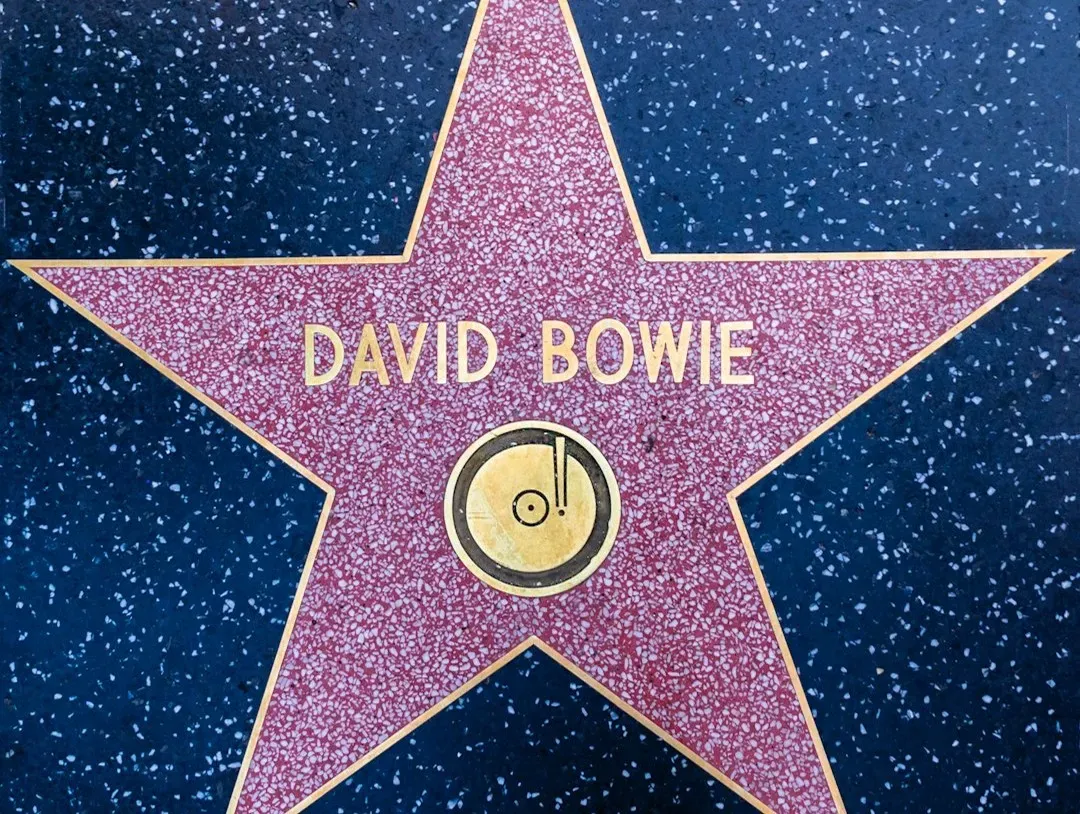
In 2001, David Bowie completed Toy, an album reimagining lesser-known 1960s songs with fresh arrangements. Intended for quick release, label disputes over its commercial viability shelved it. Had it emerged then, Toy might have bridged Bowie’s late 1990s experimentation with his later career renaissance, reaffirming his vitality and reframing his past for a new generation. Bootlegs kept its legend alive until its eventual 2021 official release.
Toy finally arrived as a formal release in January 2022, months after Bowie’s death – a bittersweet coda to one of the most fascinating catalogues in pop history. The album reminded listeners how much label politics could cost an artist’s timeline, holding back work that was complete and ready simply because it didn’t fit a commercial calculation at the time. Some albums fell victim to record-label politics, others to artistic self-doubt, sudden personal crises, or band implosions. Toy was quietly, plainly the first kind – a finished record that the machinery refused to release.