Sometimes the most magical moments in music history happen when two artists who seemingly have nothing in common find a way to connect. That’s exactly what happened when Frank Sinatra and Elvis Presley crossed paths in Las Vegas during the late 1950s. Their friendship, born in the glittering heart of the entertainment capital, would eventually lead to a collaboration that still gives people goosebumps today.
What makes this story so fascinating isn’t just the music they created together. It’s the journey of how two icons from completely different worlds found common ground in Sin City. Let’s dive into this remarkable tale.
When The King Met The Chairman

The year was 1960, and Las Vegas was buzzing with energy like never before. Frank Sinatra, already an established superstar, was performing regularly at the Sands Hotel. Elvis Presley had just returned from military service in Germany, still finding his footing in a rapidly changing music landscape. Their first meeting wasn’t some carefully orchestrated publicity stunt. It happened backstage at the Fontainebleau Hotel, where both were scheduled to perform.
Frank was initially skeptical of rock and roll. He’d publicly criticized it as a passing fad that lacked the sophistication of traditional pop music. Elvis, meanwhile, grew up idolizing crooners like Sinatra and Dean Martin. When they finally shook hands, there was tension in the air. But something unexpected happened that night.
They started talking about music theory, vocal techniques, and the craft of performance. Elvis surprised Frank with his knowledge of jazz standards. Frank was impressed by Elvis’s genuine respect for the art form. By the end of the evening, they’d agreed to grab dinner the next night.
Vegas Nights and Unexpected Conversations

Their friendship developed over late-night meals at the Sands’ Copa Room and impromptu jam sessions in hotel suites. Elvis would show up after his shows, still wearing his stage makeup. Frank would be nursing a Jack Daniel’s, unwinding from his own performance. They’d swap stories about dealing with fame, the pressures of constant touring, and the loneliness that came with being at the top.
What’s striking about their bond was how different they were in almost every way. Frank was sophisticated, urbane, comfortable in tailored suits and fine dining establishments. Elvis was younger, more raw, still adjusting to the overwhelming attention that followed him everywhere. Yet they found something authentic in each other.
Frank’s daughter Nancy later recalled seeing them together at the family home. She said they’d sit for hours, just talking about music and life. Elvis would ask Frank for advice about career decisions. Frank would ask Elvis about connecting with younger audiences.
The Idea That Almost Didn’t Happen


The duet idea came up during one of those late-night conversations in 1965. They were discussing how music was changing, how the British Invasion was reshaping American popular music. Elvis mentioned he’d always wanted to record “Witchcraft,” one of Frank’s signature songs. Frank laughed and said he’d been secretly listening to “Love Me Tender” on repeat.
Someone, nobody remembers who exactly, suggested they record something together. The idea seemed crazy at first. Their record labels were different. Their styles were miles apart. The logistics would be a nightmare. But the more they talked about it, the more excited they became.
They decided on a medley that would blend their styles, combining elements of traditional pop with rock and roll energy. The song they chose to rework was “Love Me Tender” merged with “The Way You Look Tonight.” It was ambitious, possibly insane, but that’s what made it brilliant.
Studio Magic in the Desert

Recording sessions took place at United Recording Studios in Las Vegas, not the typical Hollywood locations most people expected. They wanted privacy, away from the industry buzz and media frenzy. The sessions stretched over three days in late September 1965. Engineers who were there said the chemistry was immediate and undeniable.
Frank would lay down his smooth, controlled phrasing on the verses. Then Elvis would come in with his more emotional, raw delivery on the bridge. They’d harmonize on the chorus, their voices blending in ways that shouldn’t have worked but somehow did. Producer Jimmy Bowen said he got chills during the first complete take.
There were disagreements, of course. Frank wanted more orchestration. Elvis preferred a stripped-down sound. They compromised, creating an arrangement that featured lush strings during Frank’s sections and a rock and roll rhythm section during Elvis’s parts. The result was something neither could have created alone.
The Vegas Premiere That Stopped Traffic

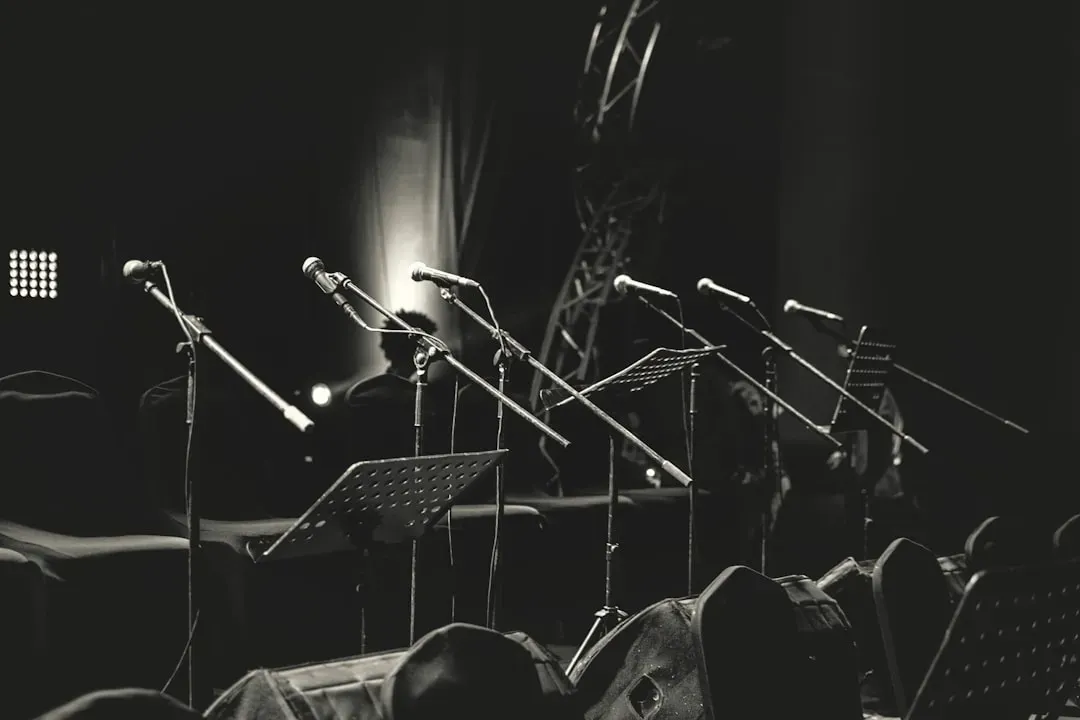
They debuted the song live at the Sands Hotel on October 15, 1965. The show was supposed to be a regular Sinatra concert, but word had leaked about a special guest. By showtime, every major figure in entertainment was crammed into the Copa Room. The fire marshal later said they were at triple capacity.
When Elvis walked out during Frank’s set, the room erupted. They performed the duet with a full orchestra backing them. Witnesses said it was transcendent. Dean Martin was spotted wiping his eyes. Sammy Davis Jr. gave them a standing ovation before the song even finished. The performance lasted roughly four minutes, but it felt like time stopped.
Partner offer

Las Vegas newspapers the next day called it the musical event of the decade. Billboard magazine sent reporters to cover it. The recording was rushed into production, hitting stores within weeks. It climbed to number three on the Billboard Hot 100, an impressive feat considering how experimental it was.
How Vegas Shaped Their Creative Partnership
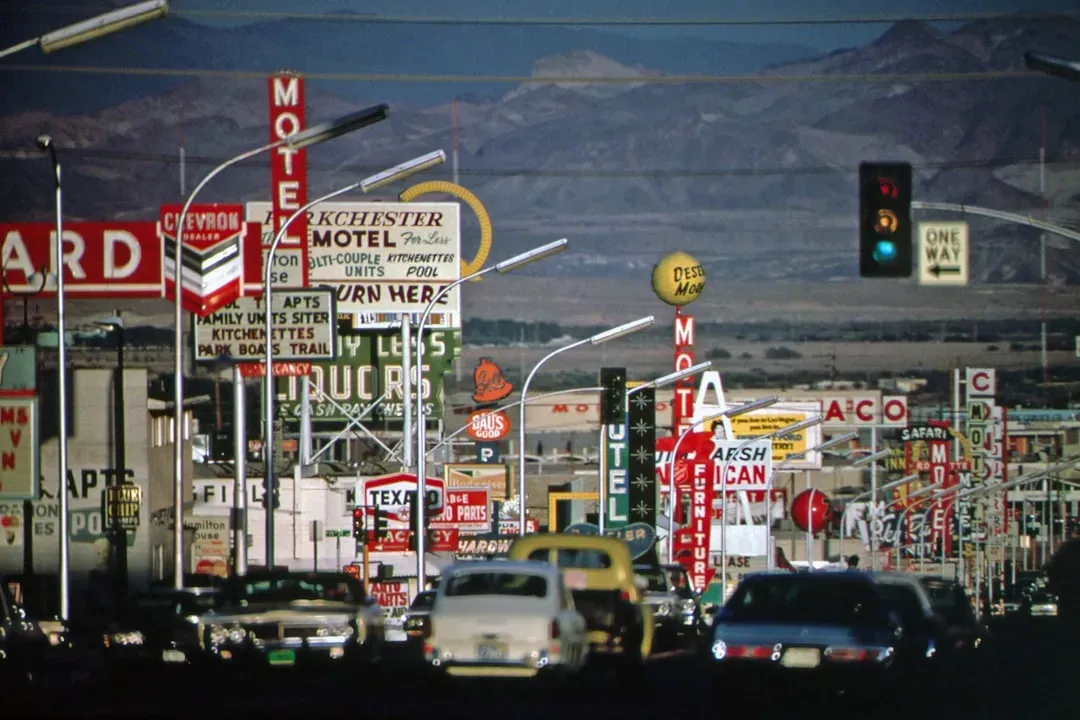
Las Vegas wasn’t just a backdrop to their friendship. The city itself influenced their collaboration in profound ways. Vegas in the 1960s was where artistic boundaries dissolved, where jazz musicians jammed with country singers, where high culture met popular entertainment without judgment.
The freedom of Vegas, its anything-goes spirit, gave Frank and Elvis permission to try something that would have seemed ridiculous in New York or Los Angeles. They could experiment without the weight of tradition or industry expectations crushing their creativity. The desert city’s unique energy seeped into their music.
They’d walk the Strip together after midnight, drawing crowds wherever they went. Those walks became legendary. Frank would point out architectural details of the new hotels. Elvis would talk about his dreams of performing in more intimate venues. Vegas was their neutral ground, the place where their different worlds could coexist.
The Ripple Effect on Music History

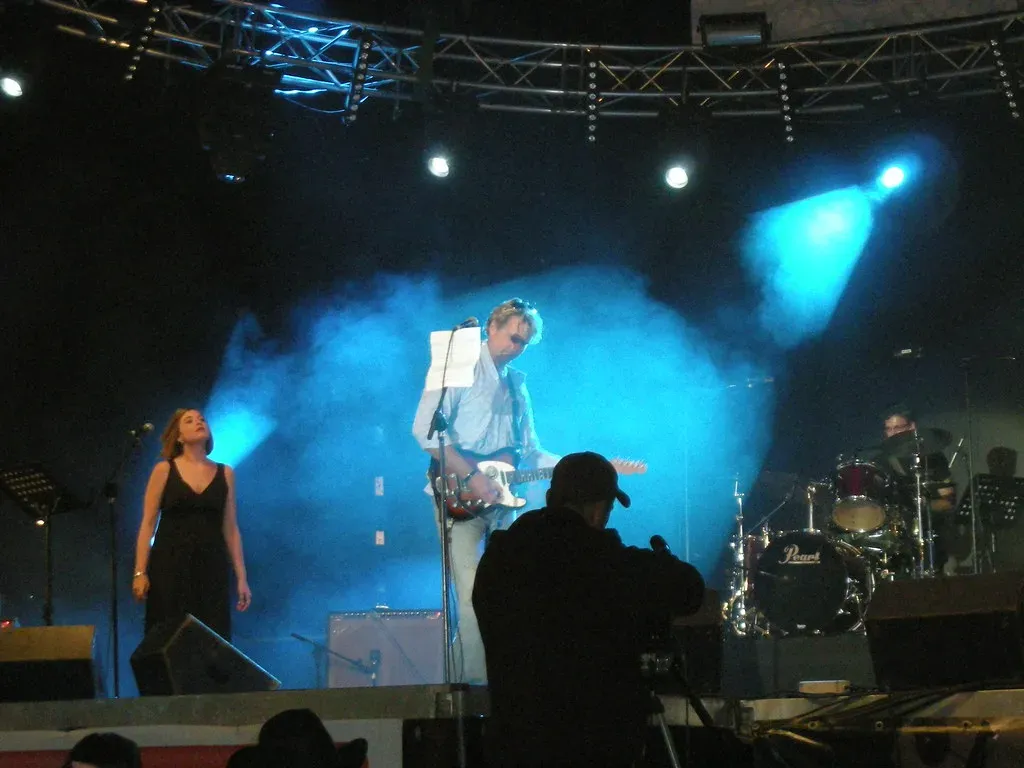
Their collaboration changed how people thought about musical genres. Before their duet, the lines between rock and roll and traditional pop were rigid, almost hostile. Artists stayed in their lanes. Cross-genre collaborations were rare and often viewed with suspicion by both critics and fans.
After Frank and Elvis proved it could work, other unlikely pairings started happening. Johnny Cash collaborated with Bob Dylan. Tony Bennett worked with The Beatles. The music industry realized that great artistry transcends genre labels. Their friendship opened doors that had been firmly closed.
Music historians often point to this moment as the beginning of modern collaborative culture in popular music. The idea that any two artists, regardless of style or generation, could create something meaningful together became normalized. It’s hard to imagine today’s diverse musical landscape without that shift in thinking.
The Personal Impact on Both Icons

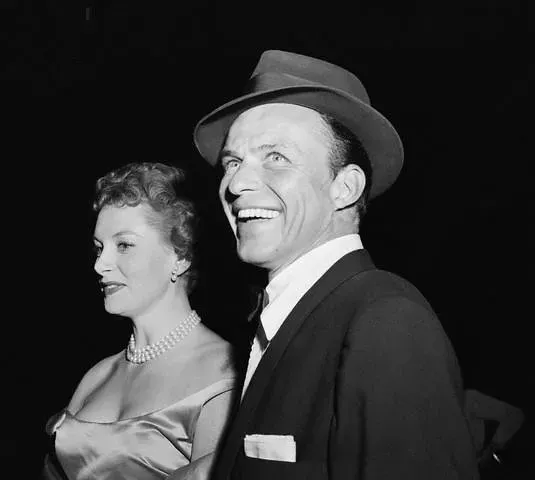
For Frank, working with Elvis rekindled his passion for taking risks. He’d been comfortable, perhaps too comfortable, performing the same standards night after night. Elvis reminded him what it felt like to push boundaries, to surprise audiences. Frank’s later career showed more willingness to experiment with contemporary material.
Elvis gained something equally valuable from Frank. He learned discipline, the importance of vocal control, and how to sustain a long-term career without burning out. Frank’s approach to professionalism, his meticulous preparation for performances, influenced how Elvis approached his own craft in subsequent years.
Their friendship lasted until Elvis’s death in 1977. Frank spoke at a private memorial service, delivering a eulogy that few people heard but those present never forgot. He called Elvis “a true artist and a true friend,” his voice breaking with emotion.
Why It Still Matters Today

More than five decades later, their duet remains a touchstone for how collaboration should work. It’s studied in music schools as an example of artistic compromise done right. Modern artists like Bruno Mars and Lady Gaga have cited it as inspiration for their own unlikely partnerships.
The recording still gets radio play, especially on stations that focus on classic American music. Younger generations discover it through streaming services, often surprised that Frank Sinatra and Elvis Presley ever worked together. The comments sections are filled with people wishing more contemporary artists would take similar risks.
Las Vegas still celebrates their partnership. The Neon Museum has an exhibit dedicated to their friendship. Tour guides point out the locations where they performed together, where they hung out, where musical history was made. The city recognizes that their collaboration is part of its cultural legacy.
Looking Back at What They Built


The unlikely friendship between Frank Sinatra and Elvis Presley created more than just one great duet. It created a template for how artists from different backgrounds can find common ground. It showed that respecting each other’s craft matters more than protecting genre boundaries. Their collaboration proved that sometimes the most magical art comes from the most unexpected places.
Las Vegas provided the perfect environment for their friendship to flourish. The city’s unique culture of acceptance and artistic freedom allowed two legends to become friends first and collaborators second. That foundation made all the difference in the music they created together.
What do you think made their partnership work so well? Share your thoughts in the comments below.
Partner offer
Planning a trip to Vegas?
Compare hotel rates and show tickets on VEGAS.com.