Every generation gets an album that makes parents nervous and radio programmers reach for the mute button. Some of these records earned their notoriety through shocking cover art, others through lyrics that crossed lines nobody had drawn yet, and a few simply arrived at the wrong moment in history. What follows isn’t a ranking of the “worst” or “best” controversies, just a look at nine albums whose backstories are stranger, messier, and more interesting than the outrage itself ever let on.
Body Count’s Self-Titled Debut and the “Cop Killer” Firestorm


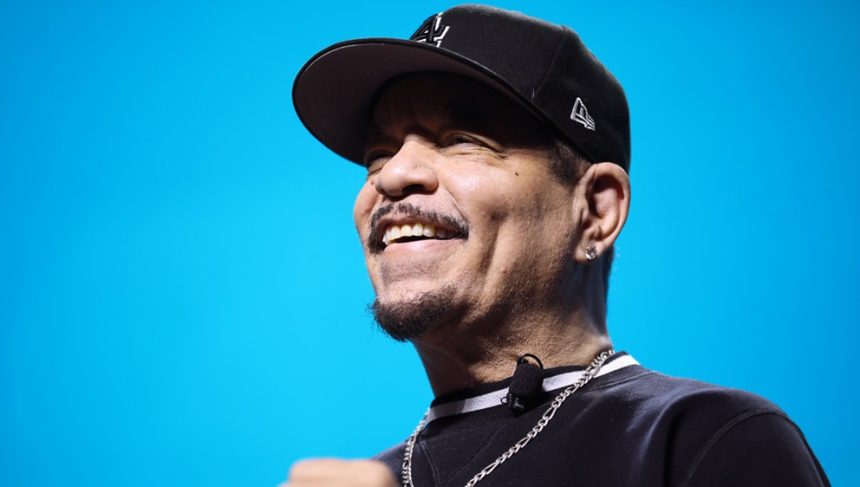
When Body Count, Ice-T’s metal side project, released their debut album in 1992, few expected it to become a national talking point. The track “Cop Killer” was written as a fictional, first-person response to police brutality, but it landed just weeks after the Rodney King verdict sparked riots in Los Angeles. Politicians, police unions, and even then-President George H.W. Bush publicly condemned the song, turning a metal record into a flashpoint for debates about free speech and artistic responsibility.
The pressure eventually became too much for Warner Bros. Ice-T voluntarily pulled the song from later pressings of the album, a decision he framed as protecting his label rather than backing down on principle. The episode remains one of the clearest examples of a single track overshadowing an entire body of work, since much of the album’s exploration of violence and inequality got lost in the noise.
N.W.A’s Straight Outta Compton and the FBI’s Attention


N.W.A’s 1988 debut turned gangsta rap into a mainstream flashpoint almost overnight. The track “Fuck tha Police” drew a formal warning letter from an FBI assistant director, an almost unheard of response to a piece of music at the time. Concert promoters in several cities canceled shows out of fear that police wouldn’t provide security, and the group found itself detained by officers in Detroit simply for performing the song live.
What often gets lost in retellings is how grounded the album actually was in the group’s own experiences growing up in Compton during an era of aggressive policing. The controversy gave the record a reputation as pure shock value, but the anger driving tracks like “Straight Outta Compton” came from lived frustration, not calculated provocation. Decades later, the album is widely treated as a foundational text of West Coast hip hop rather than a cautionary tale.
The Beatles’ Yesterday and Today and the Infamous “Butcher Cover”

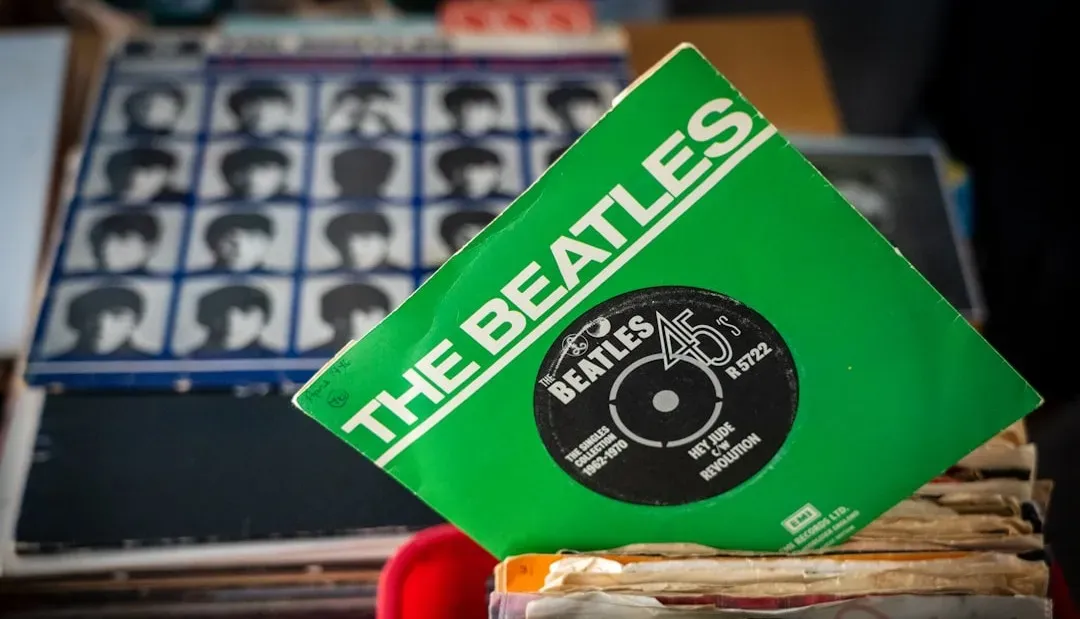
In 1966, Capitol Records released a U.S. compilation called Yesterday and Today with cover art showing the Beatles in white butcher smocks, surrounded by raw meat and dismembered baby dolls. The band later explained it as a comment on how record labels chopped up their work for different markets, but retailers and the public saw something far more disturbing. Within days of release, Capitol scrambled to recall the album.
The company pasted a tamer image directly over the original artwork rather than destroying the printed sleeves, a cost-saving fix that inadvertently created one of the most valuable collector’s items in music history. Original uncovered “butcher covers” now sell for thousands of dollars at auction. The incident also marked one of the earliest examples of a major label treating album packaging as seriously as the music itself.
Prince’s Lovesexy and Its Nude Cover Art

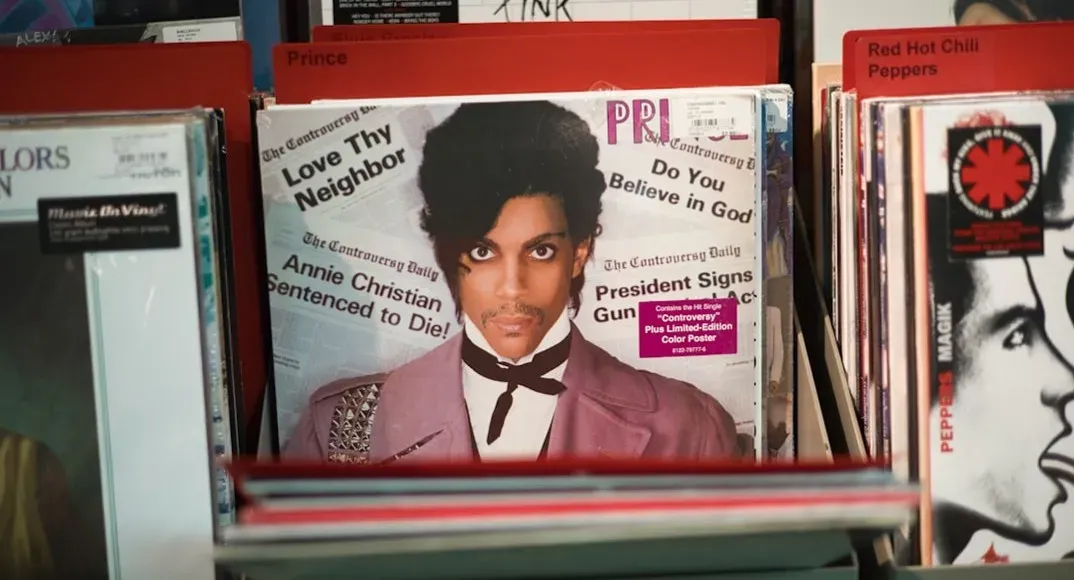
Prince’s 1988 album Lovesexy featured him nude, seated among flowers in a pose inspired by religious and mythological imagery. Several major retailers, including some in the United States, refused to display the cover openly or sold it shrink wrapped in opaque packaging. The controversy was less about explicit content than about a Black male artist presenting his own body in a way that felt unapologetically sensual rather than aggressive.
Prince has said the imagery was meant to represent purity and spiritual awakening rather than provocation for its own sake, a theme that ran throughout the record’s exploration of faith and desire. The backlash did little to slow the album’s momentum, and it remains one of the more artistically ambitious entries in his catalog. Looking back, the outrage says as much about the era’s discomfort with nudity as it does about the record itself.
Frankie Goes to Hollywood and the BBC Ban on “Relax”


Frankie Goes to Hollywood’s 1984 debut Welcome to the Pleasuredome arrived riding the momentum, and the baggage, of its lead single “Relax.” The BBC banned the song from radio and television over what it deemed overtly sexual lyrics and innuendo, a decision that ironically sent the single straight to the top of the UK charts. Radio host Mike Read’s on-air objection to the song is often credited with sparking the ban in the first place.
The album itself leaned even further into themes of sexuality and excess, cementing the band’s reputation as provocateurs of the New Romantic era. Ironically, the controversy did more to build the group’s mystique than any marketing campaign could have. Frankie Goes to Hollywood never quite escaped the shadow of that single ban, but it turned them into one of the defining pop stories of the decade.
Nirvana’s In Utero and the Anti-Christ Panic

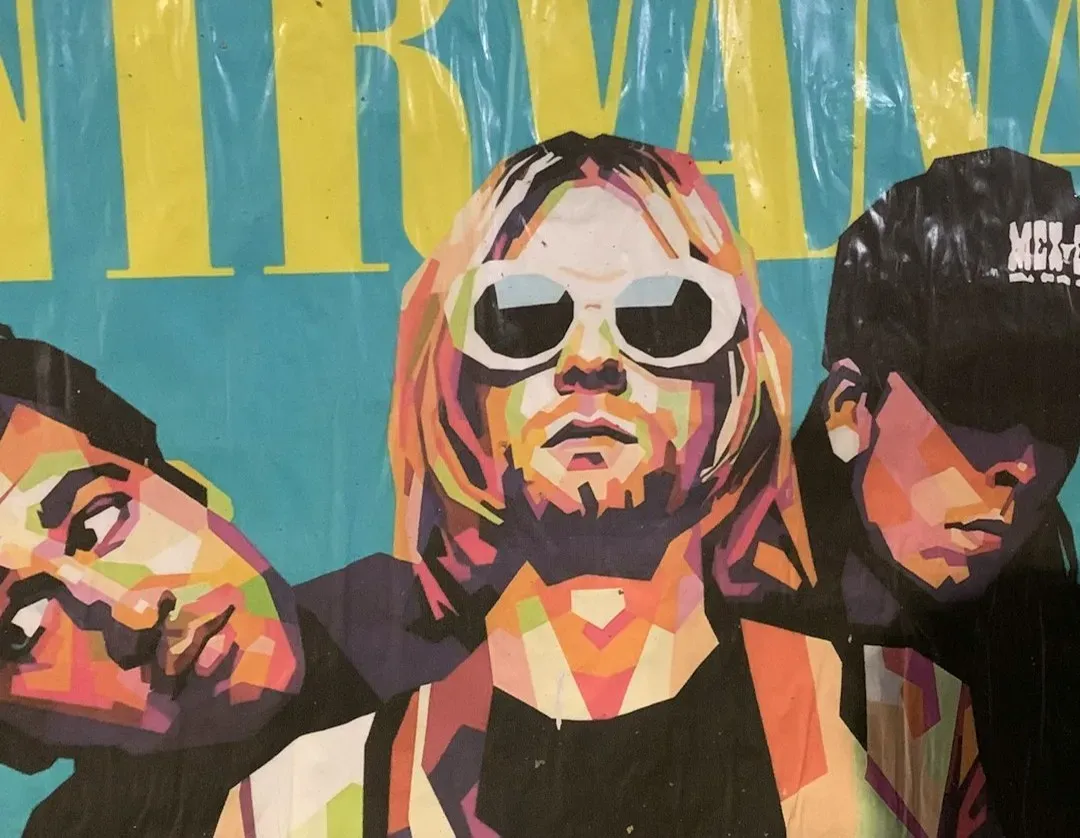
Nirvana’s 1993 album In Utero ran into resistance before it even reached shelves. Some retail chains objected to the original artwork, which featured a transparent anatomical model surrounded by flowers alongside collages including fetuses, prompting Nirvana to alter certain elements for wide retail distribution. The back cover, showing a collage that some interpreted as anti-Christian, also drew complaints from religious groups and conservative retailers.
Kurt Cobain resisted major changes to the music itself, insisting the album’s raw, abrasive production reflected exactly what the band wanted after the polished sound of Nevermind. The retail disputes over packaging turned into a minor referendum on how much creative control artists should retain versus store chains policing content. In hindsight, the album is regarded as one of the most artistically honest statements of the grunge era, controversy aside.
Death Grips’ No Love Deep Web and Its Uncensored Cover

The album’s release was met with strong attention from online magazines largely due to its sexually explicit album cover, which features a picture of an erect penis with the title written across its length. Recorded from May to August 2012, it exhibited what the group described as a darker, more minimal style, and was leaked by Death Grips themselves due to complications over its release date with their label Epic Records, who subsequently dropped them in November 2012.
The band later made the album available through their own imprint alongside Harvest Records, essentially turning a corporate dispute into an act of defiance. The photo drew major attention from music press and the cover was eventually censored, and the band ended up canceling most of their scheduled festival performances the following summer. Whether the image was meant as genuine provocation or simple rebellion against label control, it succeeded in making the record impossible to ignore.
Lil Nas X’s Montero and the Backlash Over “Satan Shoes”

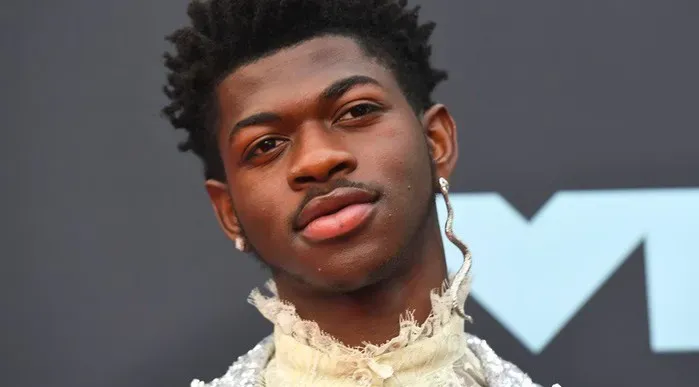
Lil Nas X’s 2021 debut album Montero arrived already primed for controversy thanks to the “Satan Shoes” promotional stunt tied to the single “Montero (Call Me by Your Name),” which reportedly contained a drop of human blood and drew a lawsuit from Nike over trademark concerns. Conservative commentators and several public figures criticized the imagery in the accompanying music video, which depicted the artist sliding down a pole into hell and giving a lap dance to a devil figure.
The album itself explored themes of sexuality, fame, and self-acceptance with a directness that felt deliberately confrontational after years of coded language in mainstream pop. Lil Nas X leaned into the outrage rather than distancing himself from it, treating the backlash as part of the album’s rollout strategy. The record ultimately became a commercial and critical success, suggesting the controversy amplified rather than damaged its reach.
Kanye West and Ty Dolla Sign’s Vultures 1 and Its Troubled Rollout


The original artwork for Vultures 1, revealed by West in January 2024, was believed to be inspired by the cover art for Filosofem, an album by black metal artist Burzum, handled by neo-Nazi musician Varg Vikernes, as well as painter Caspar David Friedrich. The imagery drew controversy since Friedrich was reportedly one of Adolf Hitler’s favorite painters. Before release, the album’s rollout was complicated by Ye’s history of antisemitic comments, causing his team to struggle to find a distributor as several major labels refused to work with him.
The controversy was further fueled by a lyric on the title track reading, “How I’m anti-Semitic? I just fucked a Jewish bitch.” When the album finally released, it carried new cover art featuring West completely obscured by black clothing standing beside his partner, Bianca Censori, with her back turned and wearing minimal clothing. The record went on to top charts despite, or perhaps partly because of, the sustained media attention surrounding both its imagery and its creator’s public statements.
Death Grips’ Government Plates and the Ongoing Pattern of Defiance
Following the fallout from No Love Deep Web, Death Grips continued releasing music on their own terms, and 2013’s Government Plates extended the band’s habit of bypassing traditional label expectations altogether. The album arrived with little promotion and an aesthetic built around surveillance and institutional distrust, themes that felt like a direct extension of their earlier clash with Epic Records. Critics noted that the record’s abrasive sound seemed designed to alienate casual listeners who had only shown up out of curiosity about the earlier scandal.
The band’s refusal to explain themselves in interviews only deepened the sense that controversy had become part of their creative identity rather than an unfortunate side effect of it. Where most artists caught in a scandal try to smooth things over, Death Grips consistently doubled down on unpredictability. That approach cost them mainstream radio play, but it built one of the most fiercely loyal cult followings in modern experimental music.
What These Albums Have in Common