Hollywood loves a comeback story, but some of its most fascinating chapters belong to the women who never needed one because they never planned to leave the spotlight for good, they simply stopped showing up. While most careers fade gradually through fewer roles and quieter years, a select group of actresses closed the door while the cameras were still rolling and the offers were still pouring in. Their reasons varied wildly, from royal marriages to burnout to a simple craving for anonymity, but each decision left an audience wondering what might have been.
Greta Garbo and the film that never got made
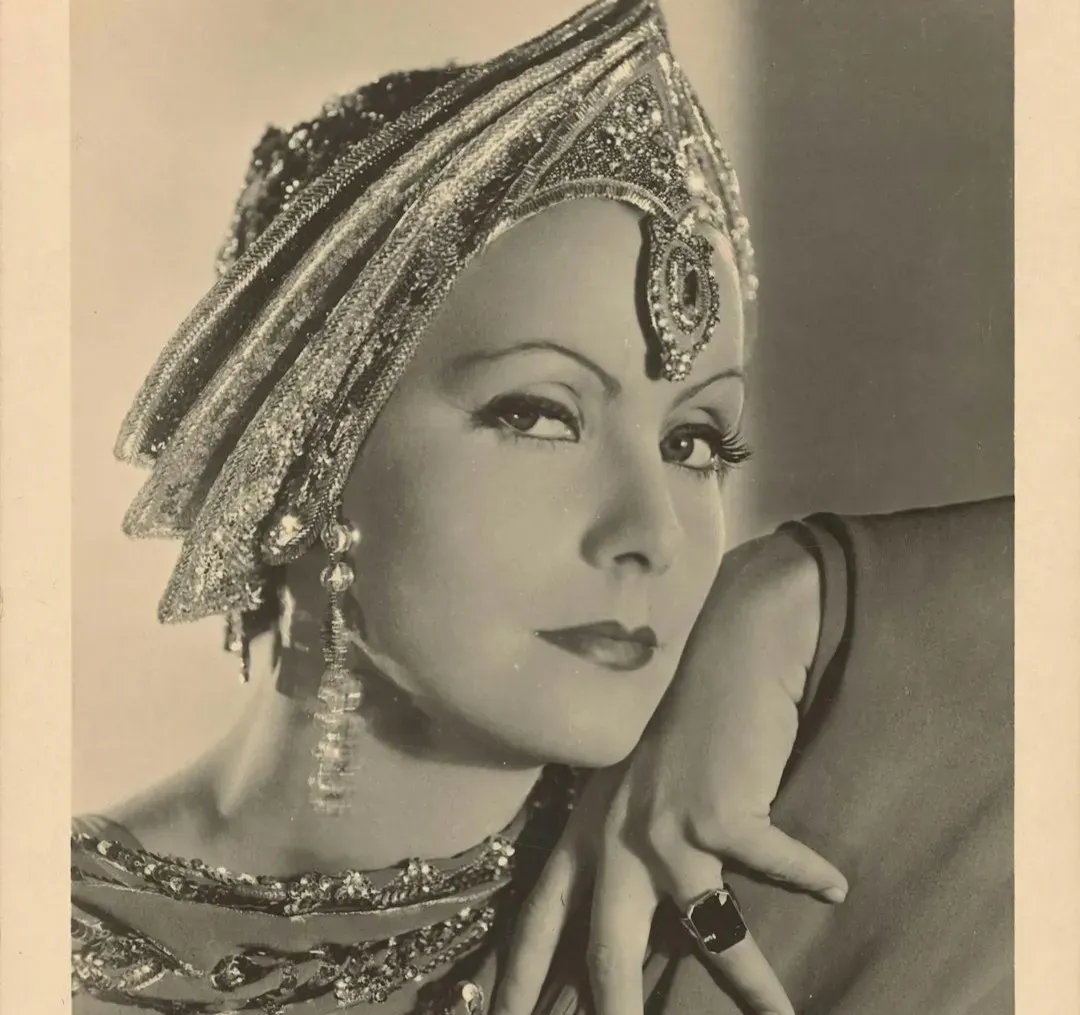
Greta Garbo was arguably the biggest female star of Hollywood’s golden age, a Swedish import whose mysterious screen presence in films like “Anna Karenina” and “Ninotchka” made her a global icon by the late 1930s. When her 1941 comedy “Two-Faced Woman” flopped with critics and audiences, MGM shelved plans for her next project, and Garbo simply never returned to acting again despite living for another four decades.
She spent the rest of her life in New York, famously avoiding interviews and photographers, and turned down every script sent her way, including offers reportedly worth small fortunes. Garbo’s refusal to explain herself only deepened the mythology, and she remains the gold standard for a star who vanished completely rather than fade slowly.
Grace Kelly traded Hollywood for a palace
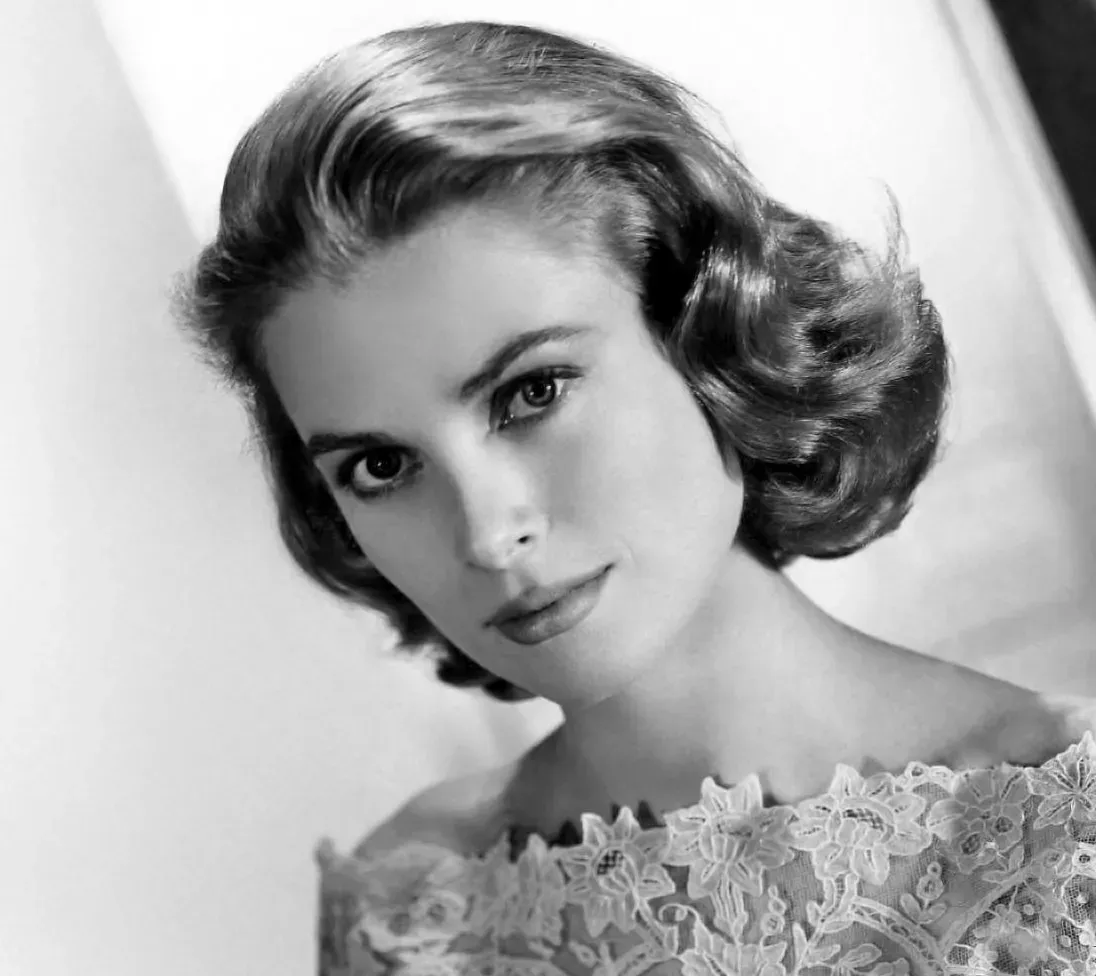
Grace Kelly won the Best Actress Oscar for “The Country Girl” in 1955 and was, by nearly every measure, at the top of her profession when she met Prince Rainier III of Monaco. Her final film, “High Society” alongside Frank Sinatra and Bing Crosby, was released in 1956, the same year she married the prince and became Princess Grace, effectively ending her acting career at just 26 years old.
Studio contracts and royal protocol made a return to film essentially impossible for the rest of her life, though she reportedly considered a comeback with Alfred Hitchcock in the 1960s before Monaco’s government objected. Kelly’s transition from screen icon to head of state remains one of the cleanest and most permanent exits in film history, cut short only by her death in a 1982 car accident.
Brigitte Bardot chose animals over applause
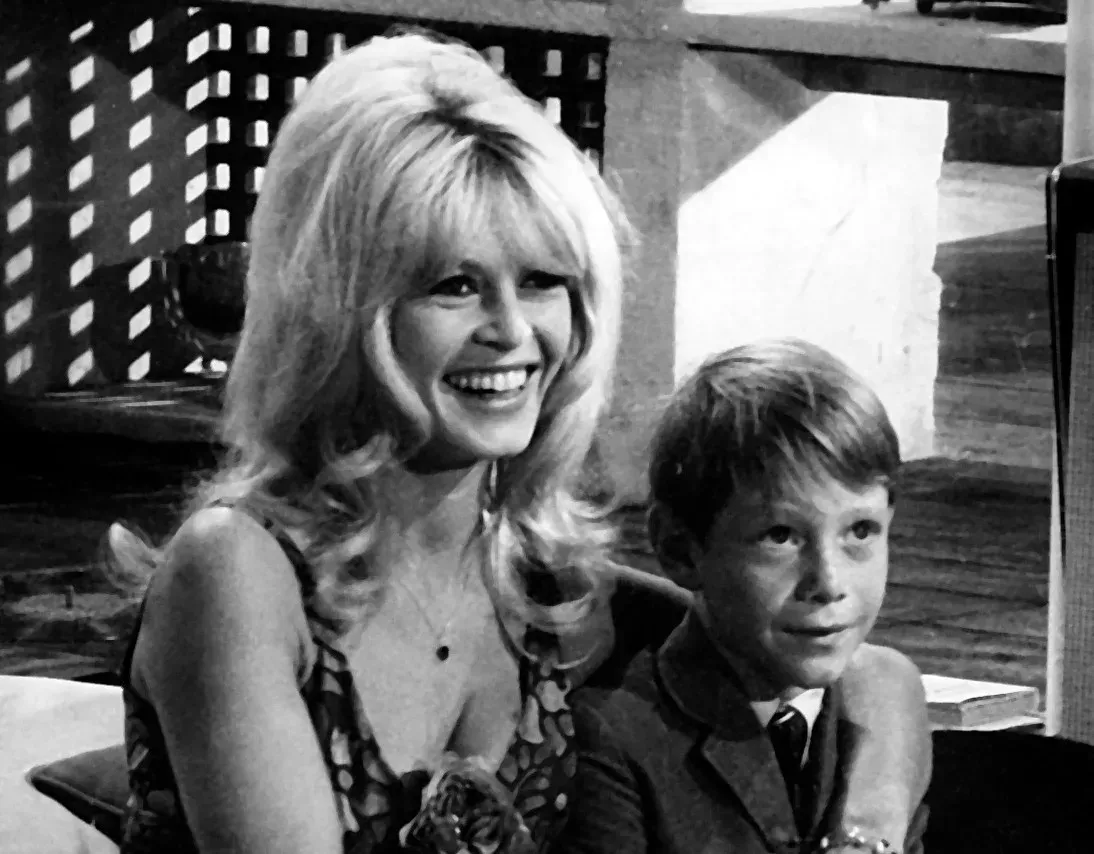
Brigitte Bardot spent the 1950s and 1960s as French cinema’s most photographed export, a sex symbol whose films like “And God Created Woman” made her a household name well beyond Europe. In 1973, at 39 years old and still very much in demand, she announced her retirement from acting after her final film, “L’Histoire très bonne et très joyeuse de Colinot Trousse-Chemise.”
Bardot has spent the decades since as one of the world’s most outspoken animal rights activists, founding her own foundation and largely avoiding the entertainment industry entirely. She has occasionally stirred controversy for other public statements over the years, but she has never wavered on the acting decision itself, treating her old career as a closed chapter rather than something to revisit.
Doris Day stepped back into a quieter life
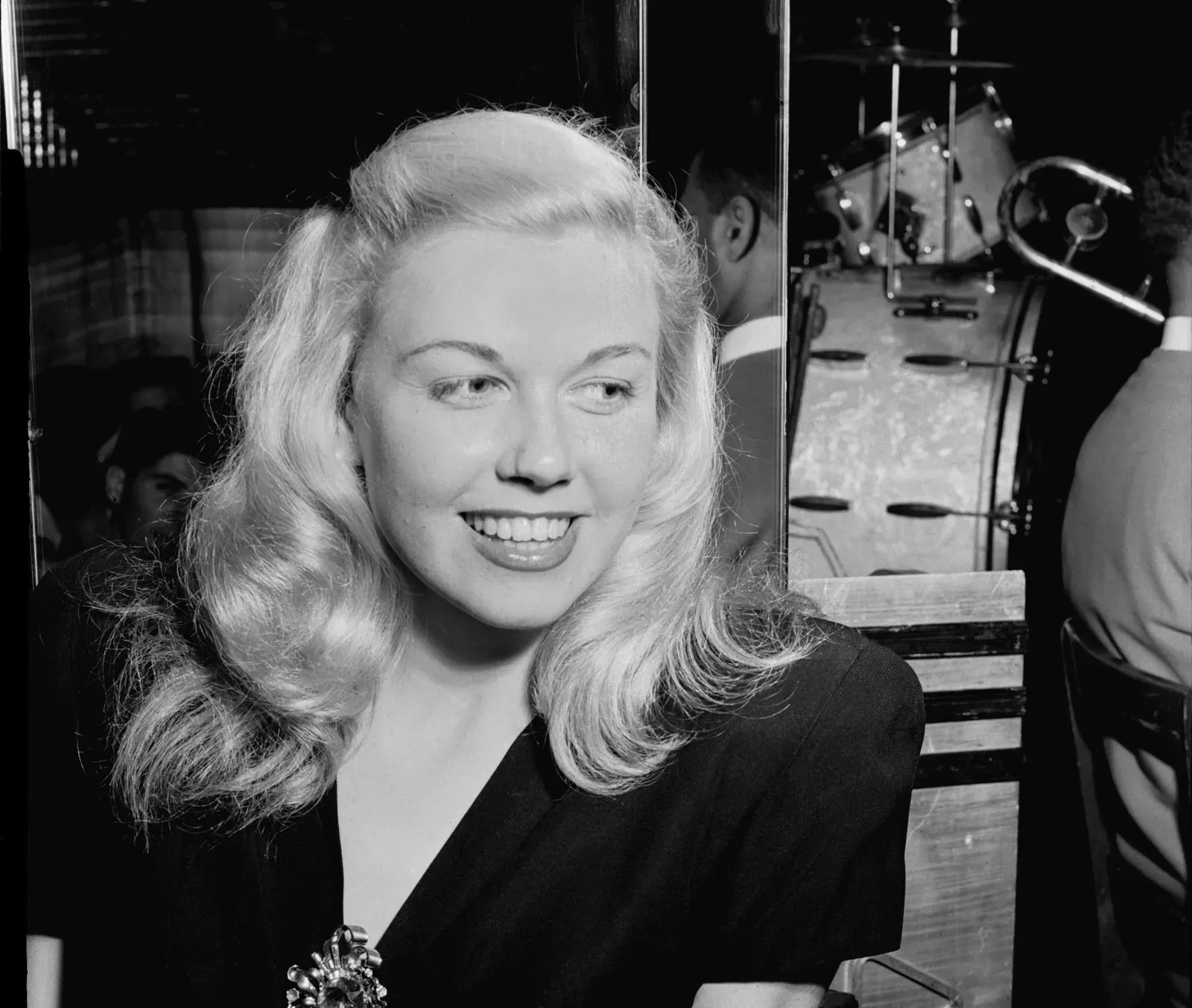
Doris Day was the top box office draw in America for several years running during the 1960s, a rare feat for any actress, with hits like “Pillow Talk” and “That Touch of Mink” cementing her as a defining star of the era. She made her last theatrical film in 1968, then transitioned briefly into television with “The Doris Day Show” before withdrawing almost entirely from public life by the mid-1970s.
Day later revealed she had been left in financial ruin by her third husband’s mismanagement of her earnings, which made the transition away from acting less a triumphant retirement and more a forced recalibration. She spent her remaining decades focused on animal welfare work through the Doris Day Animal Foundation, rarely granting interviews and living far from Hollywood’s social circuit until her death in 2019.
Sherry Stringfield left television’s biggest hit behind

For Sherry Stringfield, the decision to walk away from the fame and fortune that came with her starring role in “ER” was a simple choice, and her exit sent a small shock wave through Hollywood when she quit television’s highest-rated show. Her exit episode in November 1996 attracted 37 million viewers, the biggest night for NBC that season, and she quit just as a syndication deal was closing that would have guaranteed the cast millions, meaning she effectively walked away from a fortune.
Stringfield told reporters she was quitting to do, well, nothing much, saying all she wanted was to live a more normal life. She did eventually return to the show in 2001 following the birth of her daughter, then left again in 2005, proving that her original exit was less about acting itself and more about the grueling pace and loss of privacy that came with the role.
Partner offer
Jennifer Grey never chased the follow up to “Dirty Dancing”
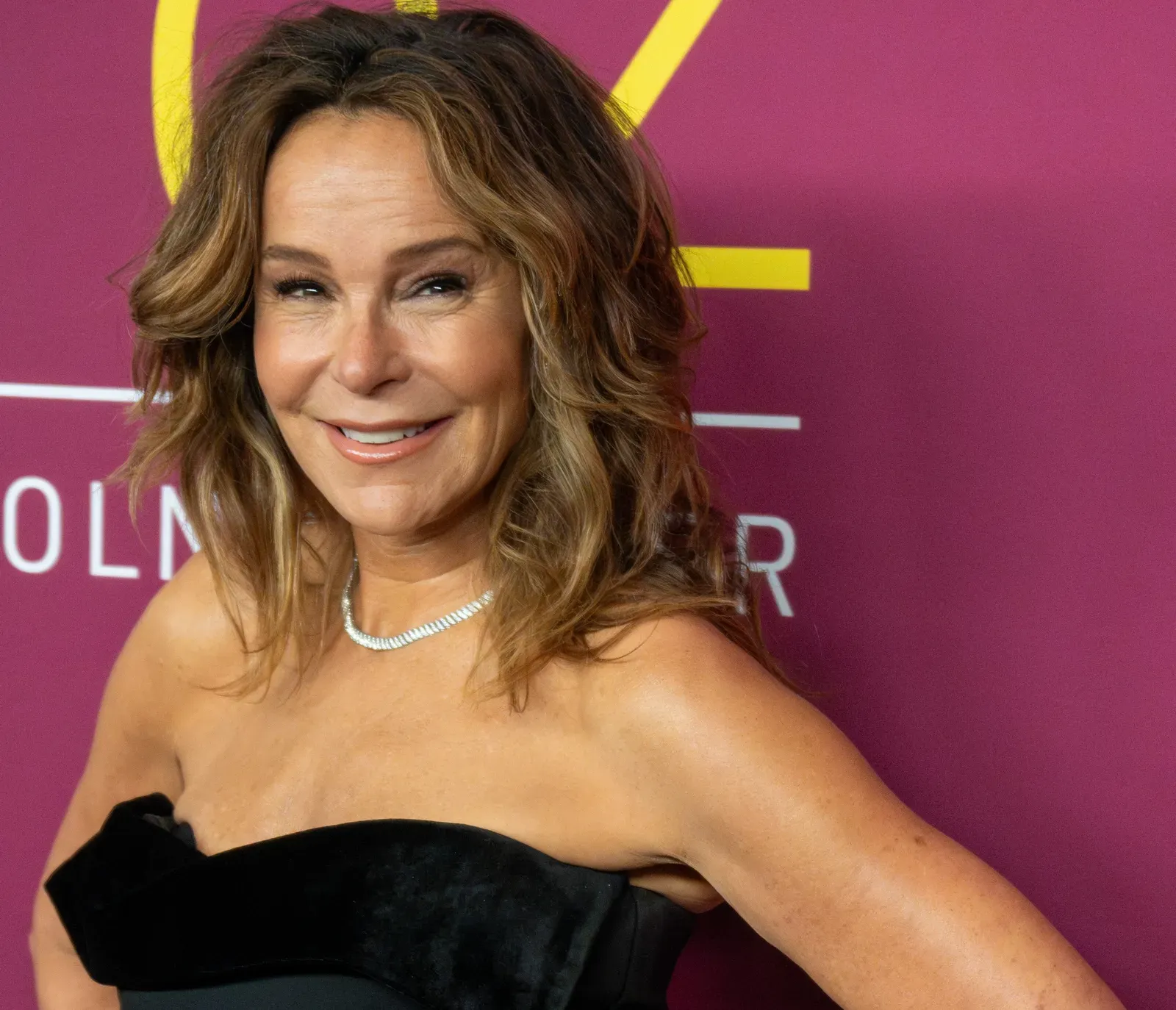
Jennifer Grey became an instant star in 1987 with “Dirty Dancing,” a film that grossed far beyond expectations and turned her into one of the most recognizable faces in America almost overnight. Rather than parlaying that success into a string of leading roles, Grey largely stepped back from major film stardom in the years that followed, taking smaller parts and working steadily but never again at that same scale.
She has spoken publicly over the years about how the sudden fame felt disorienting and how a widely discussed change to her appearance affected how casting directors and audiences perceived her afterward. Grey later found a different kind of visibility by winning “Dancing with the Stars” in 2010, but she has largely made peace with never repeating the “Dirty Dancing” moment on the big screen.
Cameron Diaz walked away for a decade, then reconsidered
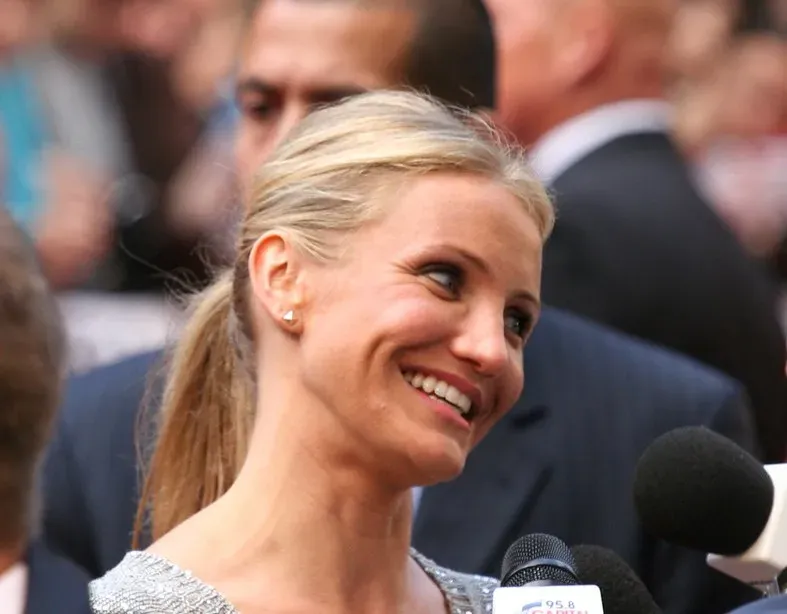
For 20 straight years, Cameron Diaz was a Hollywood staple, appearing in at least one film per year from her 1994 debut in “The Mask” until her final appearance in 2014’s “Annie.” She later explained that stopping acting was something she just had to do, saying it felt like the right thing to reclaim her own life and that nobody’s opinion or offer could change her mind about taking care of herself.
Despite the success of her multi-decade run, Diaz has said the best years of her life came after she left movies behind. After starring in three comedies in 2014, she retired from acting to focus on her family, but made a return to the profession with the action comedy “Back in Action” in 2025. Diaz’s case stands apart from the others here because her vanishing act turned out to have an expiration date, and she has since signed on for additional films including a reunion with Keanu Reeves and a reprisal of her Shrek voice role.
Amanda Bynes retired at 24 rather than keep performing through pain
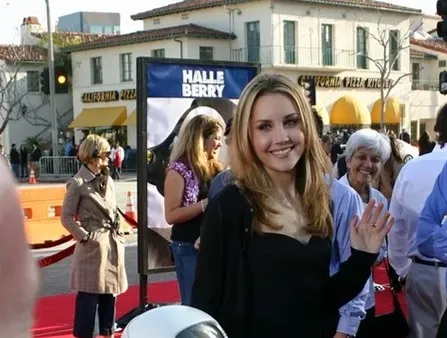
Bynes announced her retirement via Twitter in June 2010 at age 24, later explaining that a combination of body image struggles related to her role in “She’s the Man” and the onset of bipolar disorder made performing a source of distress rather than joy, and that she chose her mental health over her career. Her final film was “Easy A” alongside Emma Stone in 2010, and she revealed in a later interview that she literally couldn’t stand her appearance in that movie and became convinced she needed to stop acting after seeing it.
Bynes had been a professional performer from the age of seven, and by the time she retired at 24, she had spent more than half her life hitting marks and performing for an audience that increasingly felt entitled to her. Her conservatorship was officially terminated by a California judge in March 2022 after nearly nine years, and she has been legally and financially independent since then. The word “comeback” is being used carefully by people around her, though she has not used it herself, and that restraint feels intentional rather than accidental.
The pattern behind the exits
What ties these eight women together is not a single motive but a shared willingness to reject the idea that visibility equals happiness. Some, like Grace Kelly and Brigitte Bardot, traded fame for a specific alternative life they actively wanted. Others, like Sherry Stringfield and Amanda Bynes, were responding to the toll that constant exposure took on their wellbeing rather than moving toward something new.
Cameron Diaz’s return proves that a vanishing act does not always have to be permanent, while Greta Garbo’s decades of silence show the opposite extreme is equally possible. Together, these stories complicate the assumption that leaving stardom behind is always a tragedy, since for several of these actresses, walking away was the healthiest decision they ever made.
Partner offer
Planning a trip to Vegas?
Compare hotel rates and show tickets on VEGAS.com.