Las Vegas has long operated at the edge of American excess, but in 2026, the city has become a genuine frontier in a quieter and more consequential contest: the battle over what constitutional privacy protections actually mean in an age of mass surveillance technology. Drones patrol the sky. Cameras log your license plate. Cell data flows to police databases without a judge ever signing off. The Strip may still be about showmanship, but behind the spectacle, Las Vegas is now one of the most heavily surveilled cities in the United States.
What makes it particularly striking is how much of this happened with minimal public debate, shielded from democratic scrutiny through private donations, legal loopholes, and technological complexity that few ordinary residents fully understand. The Fourth Amendment was written to protect Americans from exactly this kind of unchecked government reach. Whether it still does that in Las Vegas is a genuinely open question.
The Fourth Amendment and Why Technology Keeps Testing It
The Fourth Amendment prohibits unreasonable searches and seizures without a warrant, and law enforcement must generally obtain one when a search would violate a person’s “reasonable expectation of privacy.” The problem is that the definition of “reasonable” keeps shifting as technology evolves faster than the law.
As technology advances, the definition of “reasonable” is undergoing a reexamination. Courts have repeatedly been forced to revisit constitutional boundaries that were drawn in an era when police knocked on doors rather than queried algorithms. The gap between what technology can do and what the law clearly prohibits has become one of the most contested zones in American jurisprudence.
In Carpenter v. U.S. (2018), the Supreme Court ruled that accessing historical cell-site location information without a warrant violates the Fourth Amendment, highlighting the need to update privacy protections in light of new technologies. That landmark ruling helped, but it didn’t close every loophole. Las Vegas has become a showcase for just how many loopholes remain.
Drones Over Las Vegas: A Sky Full of Cameras
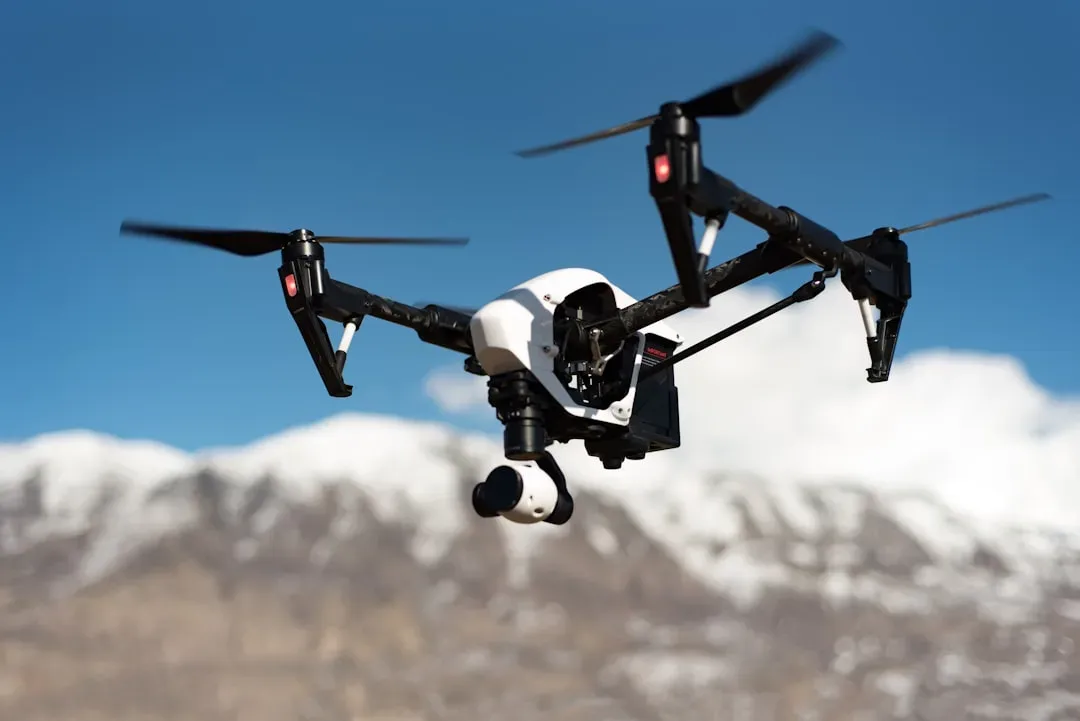
In 2024, Metro police created the Drone as First Responder Blue Sky Program, mimicking an emerging surveillance model used by thousands of police agencies across the country. The program grew with striking speed. The loophole in the law, alongside drone donations and a local emphasis on surveillance technology, has allowed the department to make its program one of the largest in the U.S., with Metro flying more than 10,000 drone missions last year, the highest number in the country according to the department.
Metro went from deploying drones 345 times in May 2025 to 2,270 times in April of this year, a seven-fold increase, according to data published by the department. In 2026, police anticipate 20,000 missions. That’s a remarkable escalation in aerial surveillance over a civilian population.
Metro said its program’s end goal is a “24/7 aerial response infrastructure capable of responding within seconds to calls for service across Clark County,” and the program is now in Phase 3, operating 75 drones and 13 Skyports across the county. Privacy and civil rights experts, while acknowledging the utility of drones to quickly react to emergencies, worry first responder programs and law enforcement’s use of drones in general might violate Fourth Amendment rights, which protect residents from unreasonable searches and seizures by the government.
The Legal Loophole That Makes It Possible
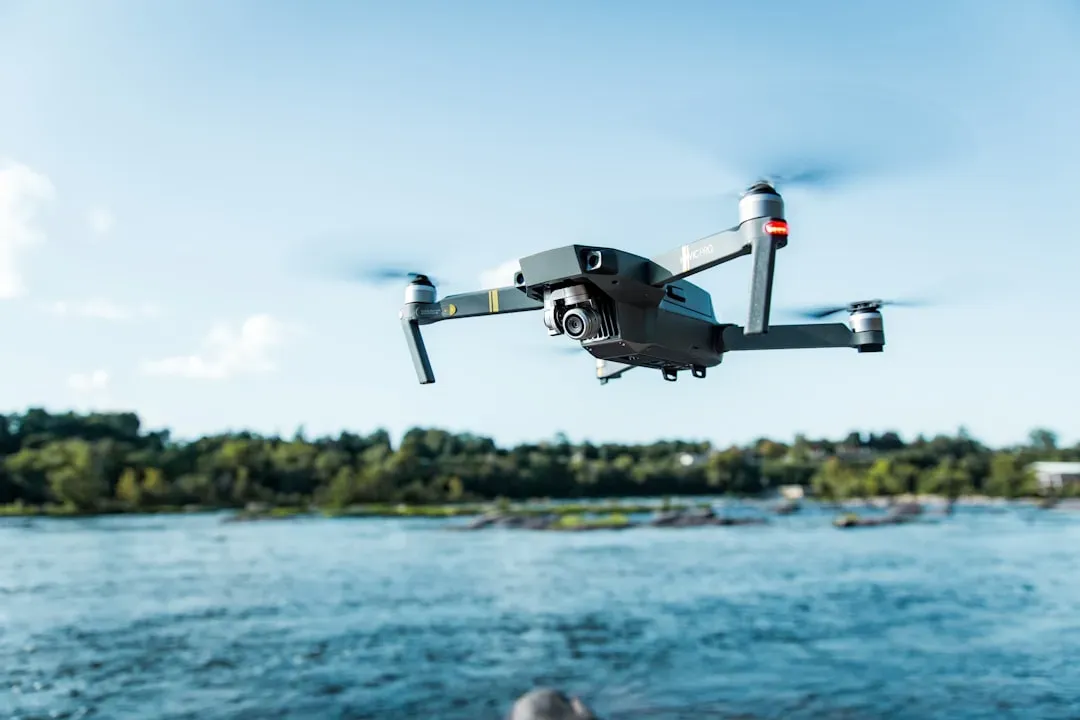
Nevada law prohibits law enforcement from flying over residents’ yards without a warrant, including their curtilage, the area surrounding a home, and another law deems all footage captured during municipal drone inspections inadmissible in court. First responder programs sidestep these protections. That’s the critical gap. By categorizing drone dispatches as emergency first responder activity rather than routine surveillance, police have effectively created a constitutional workaround.
Constitutional experts say drones give officers access to areas they would otherwise be barred from, which might be useful for canvassing a neighborhood for a missing child, but also allows them to see onto people’s private property. Some of the drone cameras can record action happening up to 2,000 feet away in high definition.
Despite privacy concerns, Metro is working within the law, according to Brent Skorup, a legal scholar for the libertarian Cato Institute and an expert on the Fourth Amendment, though his concerns lie in the expansion of these programs to include civil enforcement. The distinction between legal and wise is one lawmakers in Nevada have yet to fully confront.
License Plate Readers Blanketing Nevada Roads

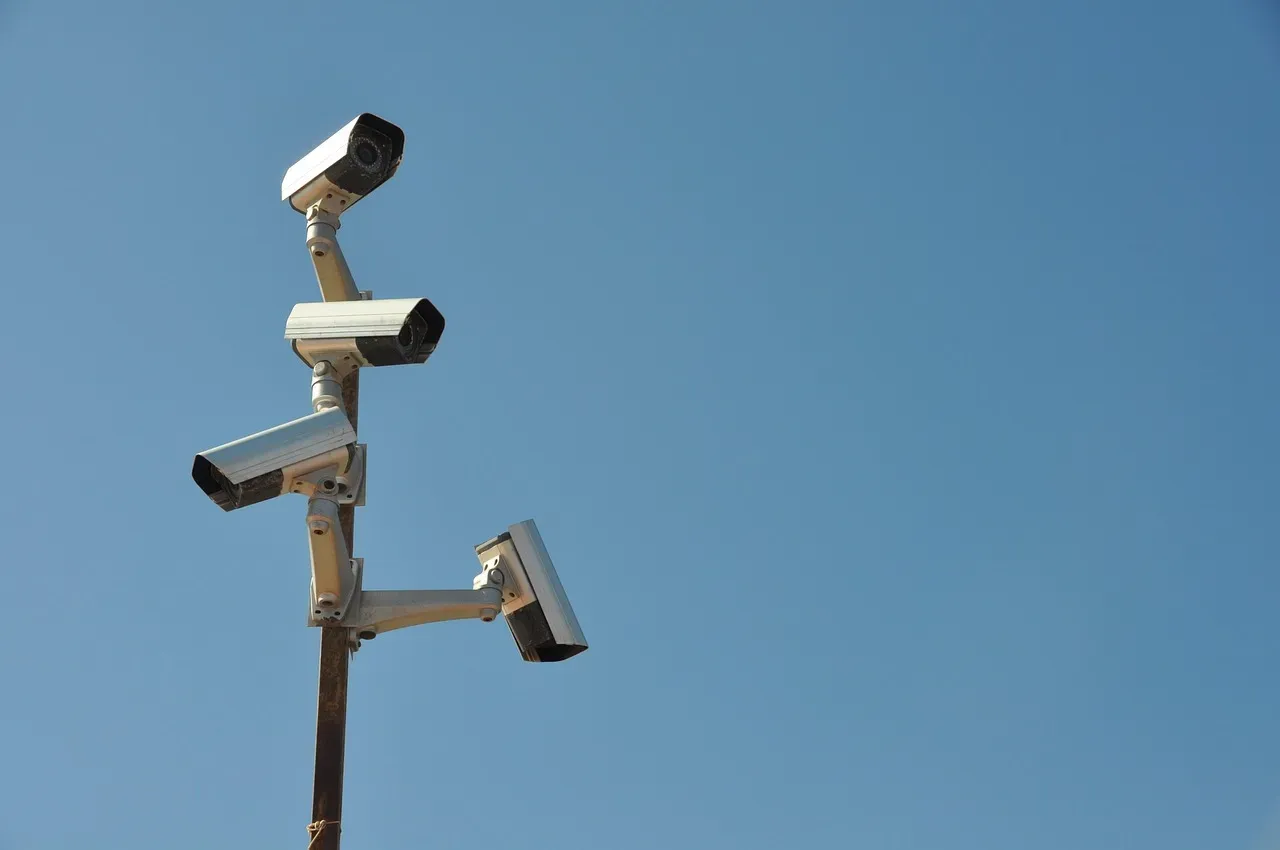
The Las Vegas Metropolitan Police Department quietly entered an agreement in 2023 with Flock Security, an automated license plate reader company, and unlike many other police departments around the country, Metro funds the project with donor money funneled into a private foundation, an arrangement that allows Metro to avoid soliciting public comment on the surveillance technology.
The technology, provided by Flock Safety, captures more than just license plates, offering a full picture of the vehicle, including make, model, color and identifying features. ALPRs have been instrumental in cases such as tracking a Cybertruck involved in a New Year’s Day explosion at the Trump International Hotel in 2025 and locating a gunman after a deadly shooting during an illegal street takeover. The tools produce real results. The concern is the scope.
As networks of cameras blanket the state, little has been done by state lawmakers to address mounting privacy concerns, especially as the Flock network allows for the tracking of a vehicle’s location virtually in real time, and policymakers have said it’s been difficult to keep up with the pace of the technology. Clark County has at least 200 Flock cameras operating right now, and LVMPD signed Flock’s contract without any public discussion, no city council vote, no press release.
Private Money, Public Surveillance, Zero Oversight
Venture capitalist Ben Horowitz sidestepped the necessity for public discussion by donating approximately $6.3 million to a private foundation, Friends of Metro, which then gifted the Flock contract to LVMPD. This funding structure is unusual and raises its own questions. When surveillance infrastructure is donated rather than procured through normal government channels, it bypasses the public meetings and transparency rules that would ordinarily apply.
As recently as October of last year, the Horowitz Family Foundation donated almost $1.9 million for Flock license plate readers and another $2.47 million for supporting software, and because the donations go to the nonprofit LVMPD foundation, any discussions on the cameras’ use aren’t subject to Nevada’s open meeting laws.
Partner offer
Flock’s most recent contract with Metro, signed in 2023, stipulates that the company retains all rights in any recordings or data provided by the service and that Flock can use any of the data for “any purpose” at the company’s discretion. That’s a striking provision. Residents’ movement data, captured on public roads, can be used commercially without any restriction or resident consent.
Cell Phone Tracking Without a Warrant
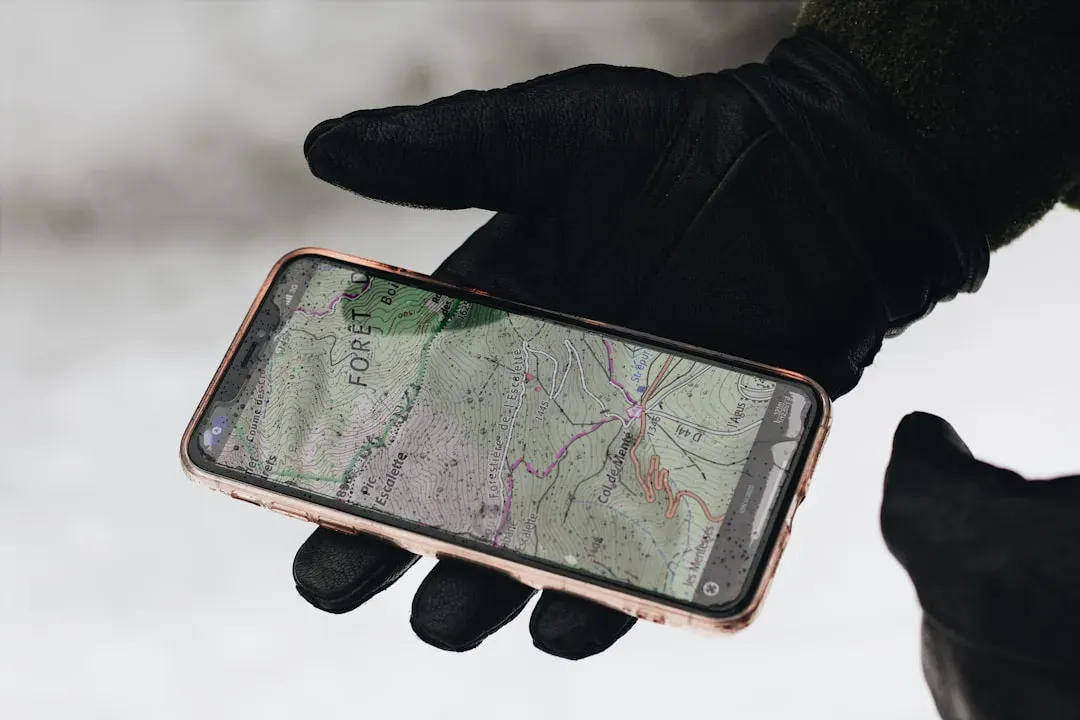
In 2013, LVMPD acquired a cell-site simulator that mimics cellphone towers and can sweep up signals from entire areas to track individuals, with some models capable of intercepting texts and calls, and police have not released detailed information about the technology since then. That decade-long information blackout makes independent scrutiny nearly impossible.
There has been increasing discussion about the lack of guardrails around surveillance technology in Nevada, especially as political tensions heighten, and in March, Nevada Attorney General Aaron Ford signed onto a letter calling on Congress to regulate use of data broker information. State lawmakers have raised alarms, but no concrete legislation has followed.
Experts have also raised concerns that location-tracking technology could be used to track protesters or people exercising their First Amendment rights, as it would be very easy for officers to search an area where a protest occurred and trace cell data back to people’s homes, and without clear audit mechanisms, there are many opportunities for abuse.
The Data Broker Loophole: Buying What a Warrant Would Require
Intelligence and law enforcement agencies can buy the same sensitive personal data from commercial data brokers without a warrant, and while the Fourth Amendment requires a warrant to collect data directly, current law allows the purchase workaround. This is one of the most significant grey areas in modern surveillance law, and it operates entirely in the open.
Polling from YouGov shows roughly four in five Americans support a warrant requirement before purchasing data, and more than three quarters want a warrant requirement before agencies can search Americans’ communications. Public opinion is clear. Congressional action has been slower to follow.
In 2024, a bipartisan majority in the U.S. House passed the Fourth Amendment Is Not For Sale Act. It stalled in the Senate. Some of the key architects of artificial intelligence have warned how the advent of AI dramatically heightens the risk of warrantless mass surveillance. As AI tools grow more capable of stitching together location, financial, and behavioral data, the practical stakes of closing this loophole grow higher.
Facial Recognition: A Technology Nevada Has Not Regulated
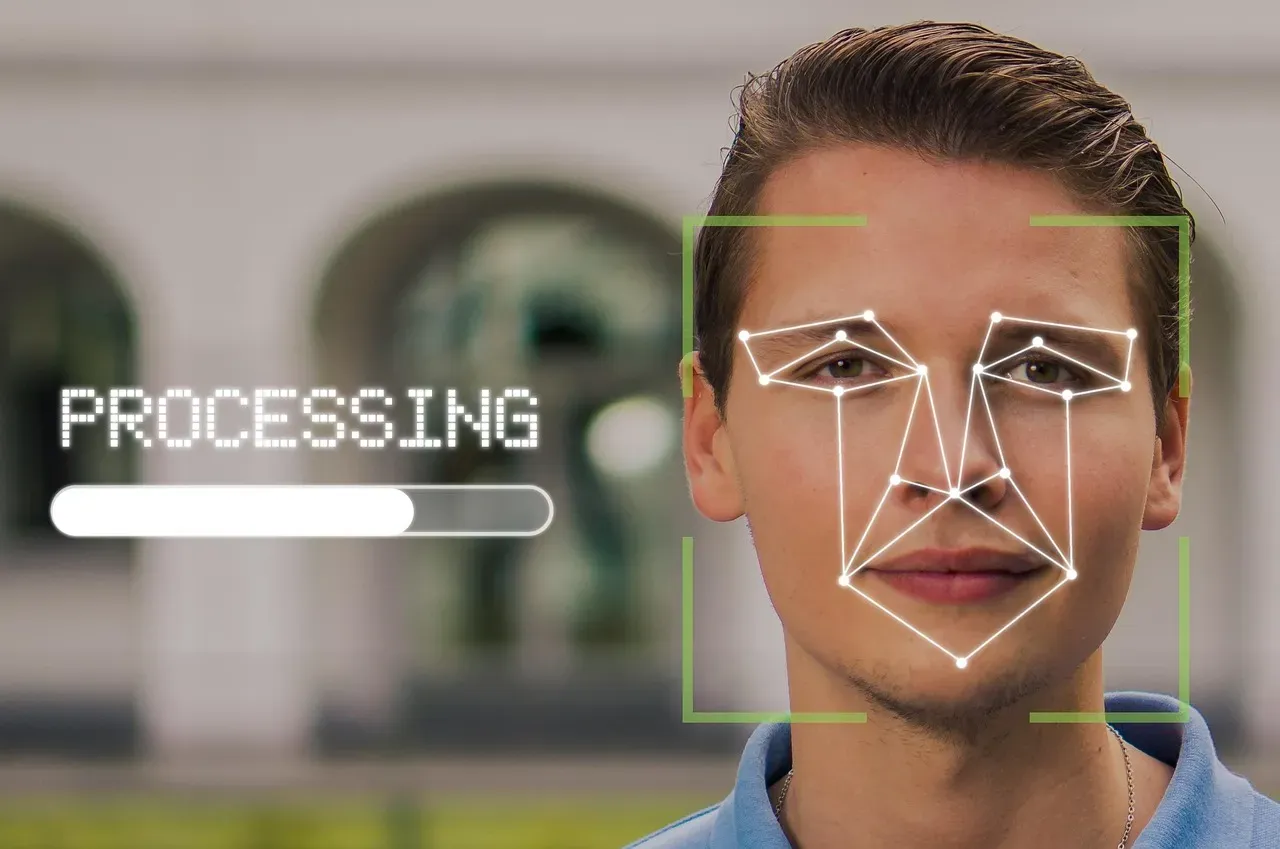
By the end of 2024, fifteen states have laws limiting police use of facial recognition, with increasingly strong guardrails, and these laws will protect the civil rights and civil liberties of millions of Americans. Nevada is not among them. Facial recognition stands out as an AI technology that is already broadly deployed and presents significant dangers to civil rights and civil liberties, and although federal legislation to place guardrails on law enforcement use has been introduced, Congress has not acted.
There may be Fourth Amendment implications if a facial recognition system is unreliable and leads to the mistaken arrest of misidentified persons, and few courts have considered probable cause challenges to purportedly unreliable systems, though cases involving other potentially unreliable sources suggest that reliability may be subject to scrutiny.
There are laws on the books in California, New Hampshire, and Oregon that prevent law enforcement from using facial recognition technology obtained from body camera recordings, primarily because of its questionable accuracy and potential for bias, especially against certain demographic groups, as the software is more likely to misidentify suspects with dark skin. Without similar protections in Nevada, Las Vegas residents face a higher risk of misidentification errors with no clear legal remedy.
Geofence Warrants: Courts Divided, Supreme Court Weighing In
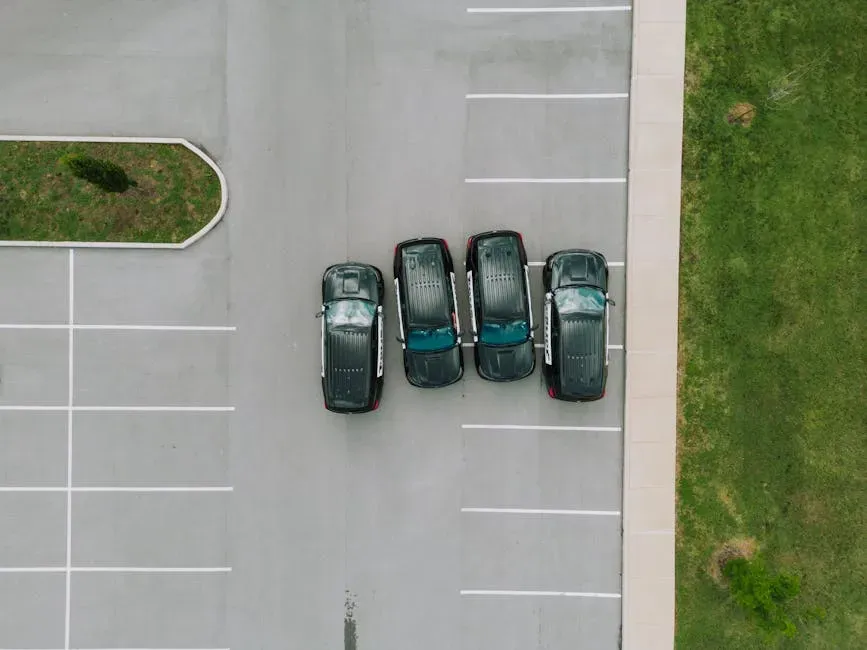
In 2024, the U.S. Courts of Appeals for the Fourth and Fifth Circuits issued diverging opinions on whether a geofence amounts to a Fourth Amendment search, and both cases involved warrants for Google Location History. These tools allow law enforcement to request data on every device present in a given location during a defined time window, which in a city as dense and tourist-heavy as Las Vegas raises obvious questions about scale.
On January 16, 2026, the Supreme Court granted certiorari in Chatrie v. a case that will likely determine the constitutional future of geofence warrant use in the United States. That ruling, when it comes, could reshape how law enforcement in Las Vegas and elsewhere conducts location-based investigations.
In 2023, Google announced it would begin storing location information locally on the underlying devices and reduce the default retention period for that data, a move that some observers believe could significantly curtail the use of geofence warrants. Still, other commercial data sources remain available, and the legal debate is far from settled.
Where the Law Stands and What Comes Next

In 2025, a federal court ruled that warrantless searches of U.S. citizens’ communications under Section 702 were unconstitutional, emphasizing that using foreign intelligence collection as a means to investigate domestic individuals without judicial oversight undermines core privacy rights, though Section 702 remains in force and the ruling marked a significant legal challenge.
In March 2026, the FISA Court found that compliance problems the DOJ claimed to have fixed are in fact ongoing and extend beyond the FBI, with the use of filtering tools to perform queries of Americans’ information described as an issue “across the intelligence community.” For Las Vegas residents, these national compliance failures have very local implications.
As one observer put it, this is “a classic case of tech accelerating ahead of governance.” Nevada still has no legislation regulating automated license plate readers, no facial recognition guardrails, and no comprehensive framework governing how surveillance data collected by private foundations can be used or shared. The Fourth Amendment remains on the books. Whether it functions as a real constraint on surveillance in Las Vegas in 2026 depends entirely on whether courts, legislatures, and the public decide to demand that it does.
Partner offer
Planning a trip to Vegas?
Compare hotel rates and show tickets on VEGAS.com.