Las Vegas has a talent for keeping secrets. Behind the neon and the noise, there’s a city with a crime history so layered that even its most famous unsolved cases can sit dormant for decades before suddenly generating new headlines. Private investigators and retired detectives know this better than anyone. Between 1980 and 2019, Nevada recorded approximately 7,203 homicides, of which around 4,852 have been solved, leaving more than 2,300 cases unsolved. Las Vegas and Clark County carry the lion’s share of those mysteries. What follows is a gallery of five cases that have refused, stubbornly, to close.
Case 1: The Murder of Tupac Shakur (1996) – Sin City’s Most Famous Open Wound
On September 7, 1996, rapper Tupac Shakur was shot in a drive-by shooting in Paradise, Nevada. The shooting occurred when the car carrying Shakur was stopped at a red light at East Flamingo Road and Koval Lane, where he was struck by four rounds fired from a .40-caliber Glock. Shakur died from his injuries six days later.
Though the killing occurred on the bustling streets of Sin City, it remained unsolved for nearly 30 years, mired in police scandals, turf wars, and a street code that frowns upon cooperation with law enforcement. On September 29, 2023, 27 years after Shakur’s murder, Duane “Keefe D” Davis was arrested after being indicted by a grand jury for the first-degree murder of Shakur.
Davis’ lawyers filed a motion to delay the trial, citing the need for new witness interviews and further investigation. The motion claimed that new witness testimony from a private investigator could prove that Davis was not in Las Vegas at the time of Shakur’s killing, and that new evidence could prove someone else orchestrated the shooting.
As of late 2025, Davis’ trial was again delayed, this time to August 10, 2026. In October 2024, reports surfaced that the family of Tupac Shakur had hired an investigator to explore whether the murder could be linked to Sean “Diddy” Combs. Nearly three decades on, the full truth behind that night on Flamingo Road remains stubbornly out of reach.
Case 2: The Lake Mead Barrel Body – A Mob-Era Homicide Resurfaces

Previously submerged deep underwater on the floor of Lake Mead, a barrel was exposed as water levels plummeted to historic lows due to prolonged drought. Boaters made the gruesome discovery on May 1, 2022. Inside the barrel, police said, were the remains of an adult male who died from a gunshot wound to the head.
Investigators found clues inside the 55-gallon oil drum: a watch, Kmart clothes, and sneakers that put the time of the murder from around 1975 to 1985. Both the time period and manner of death fueled public speculation that the killing was carried out by the mob. At the time the man was killed, mobsters still had an influence on Las Vegas as quiet operators and owners of the casinos.
Two years of investigating by the Clark County Coroner’s Office, the Las Vegas Metropolitan Police Department, and the FBI produced no credible leads, even after the FBI released a digital reconstruction of the victim’s face. Nearly three years after the body was discovered inside the barrel near Hemenway Harbor at Lake Mead, the remains have yet to be identified.
Several names have been suggested as possible victims of a mob hit, with historians pointing to a man named Johnny Pappas as a likely candidate. Before Pappas went missing, he was reportedly considering becoming a government witness. No identification has been confirmed as of 2026.
Case 3: The Disappearance of Irma Mkrtchyan (2014) – The Woman Who Vanished Without a Trace
It has been more than 12 years since Irma disappeared without a trace. Her brother Davit said she was last seen near South Durango Drive and West Desert Inn Road on January 19, 2014. Police discovered her car at the Allanza Apartment complex at Starboard Drive near South Durango, and investigators found Irma’s keys in the gas tank cap.
The case started as a missing person investigation, but a month later police began treating it as a homicide. No one has ever been charged, and Irma has never been located. Her family has maintained from the beginning that she would never simply walk away from her children and her mother.
According to the police report, Irma’s case has been described as among the most mysterious in the history of Nevada. Private investigators who have reviewed the file point to the strange placement of her keys and the lack of any electronic or financial footprint after her disappearance as the details that continue to defy explanation.
Case 4: The Murder of Viola Odell (1997) – A Retired Sergeant Killed in Her Own Garage
Viola Odell, a 68-year-old retired Air Force sergeant, was found brutally murdered in her northeast Las Vegas home on October 15, 1997. Despite extensive media coverage and police efforts, her killer remains at large, leaving friends and family still searching for answers 27 years later.
Odell was discovered deceased in her garage with multiple stab wounds. Investigators speculated she may have interrupted a burglary, as she was found with groceries partially unpacked, appearing to have returned home and taken some groceries inside before she was killed.
Despite the lack of forced entry, a bloody screwdriver was found at the scene, but no fingerprints or DNA were recovered. Friends of Odell have expressed hope that advances in forensic technology might eventually provide new leads in a case that has otherwise gone nowhere for nearly three decades.
Case 5: The Oldest Unsolved Homicide in Las Vegas – Union Money, Desert Graves, and No Answers
It is the oldest unsolved homicide case in Las Vegas history, one that investigators say deals with missing union money, an extortion ring, and shakedowns. During 1954, a body was found buried in the desert near what is now Harry Reid International Airport.
The case is the oldest unsolved homicide on record in Las Vegas and reads like something taken directly from the mob’s handbook, though investigators believed it was connected to union misdeeds rather than organized crime in the traditional sense. Shortages of funds from a labor union were discovered, with police estimating the missing amount was somewhere between $5,000 and $30,000.
After chasing down leads and questioning possible witnesses, police repeatedly ran into dead ends. To this day, no one has been charged for this crime. The case sits at the very bottom of a long list of open files in Clark County, a reminder that some secrets get buried long before investigative tools existed to uncover them.
The Scale of the Problem: Over 1,000 Unsolved Murders in Las Vegas Alone
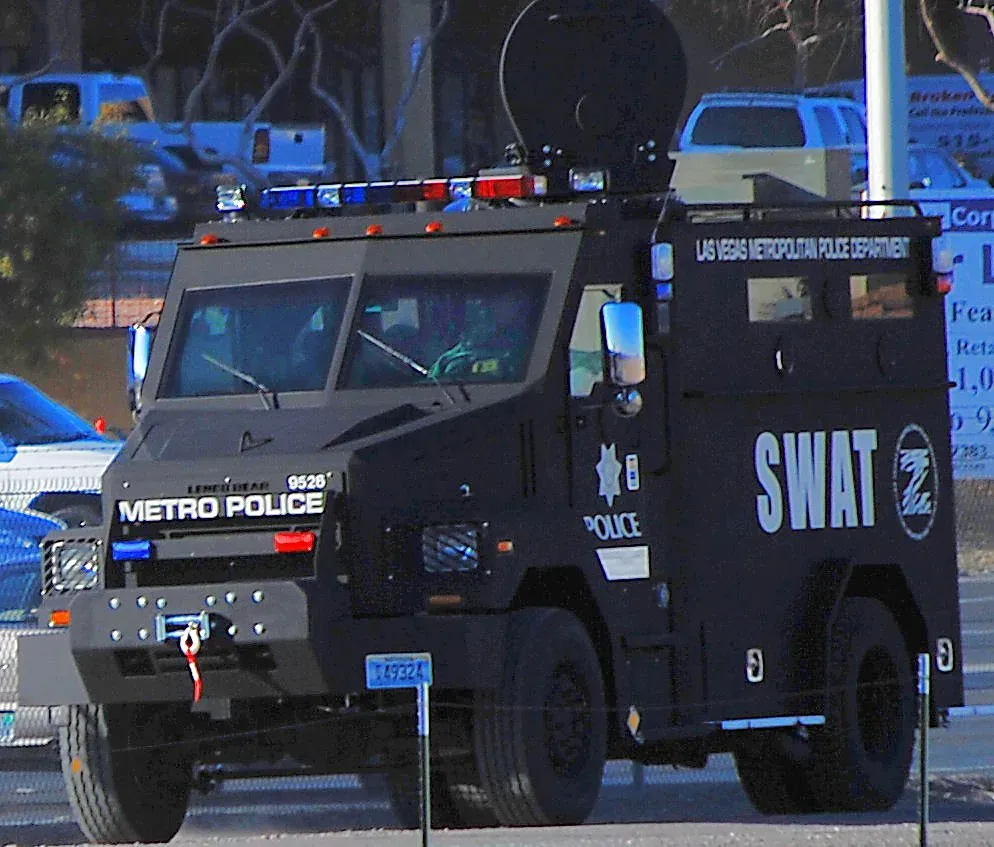
The Las Vegas Metropolitan Police Department launched a dedicated Cold Case Homicide Unit in 2022, leading to active reinvestigations of more than 1,000 unsolved murders. The sheer scale of that number puts individual cases in a sobering light. Resources are stretched, and the queue is long.
Partner offer
Cold cases become cold when the probative investigative leads available to the primary detectives are exhausted. The case then remains unsolved in an open status, sometimes for years. Sometimes law enforcement needs a helping hand to gather and develop new leads, and there are times when they simply don’t have the resources or time to conduct additional investigative tasks.
According to Clark County Coroner Melanie Rouse, there are currently 305 unidentified people registered on the national database known as NamUS. Each number on that list represents a family still waiting. That quiet, persistent waiting is something investigators describe as one of the hardest parts of the job.
How Private Investigators Approach What Police Leave Behind
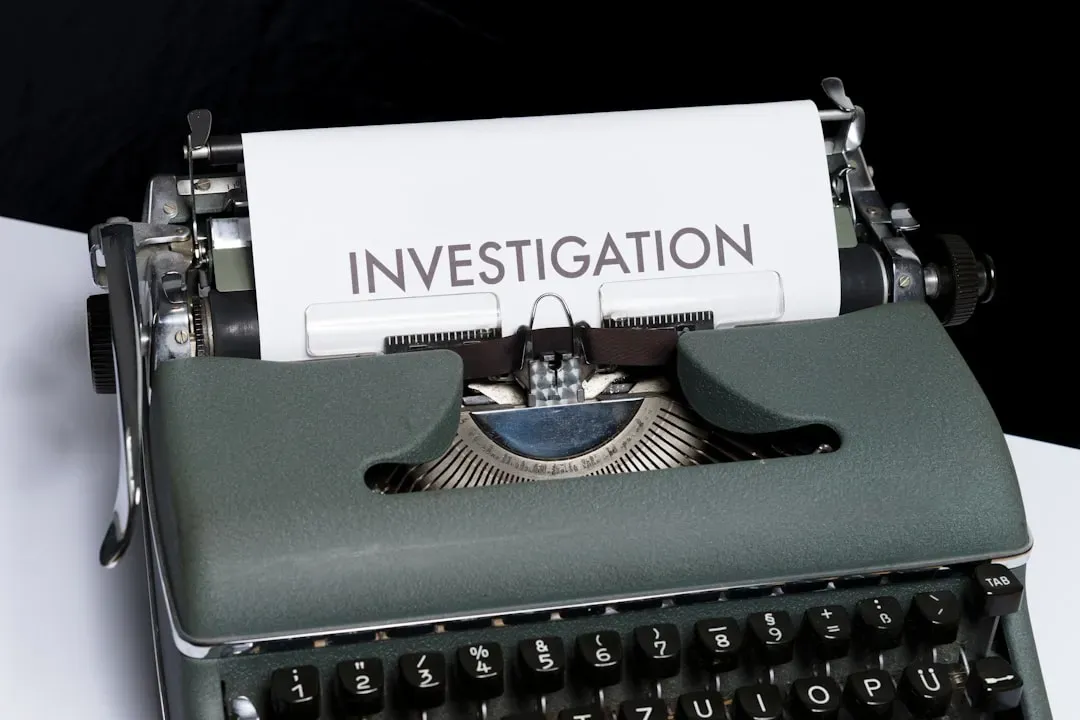
Private investigators with previous law enforcement backgrounds can lend new eyes to a cold case, offering a fresh perspective and perhaps a more trusted face with whom reluctant witnesses are more willing to speak. In a city like Las Vegas, that last point matters enormously.
Sometimes cases are shelved for months or even years, and in these scenarios, private investigators can utilize specific skill sets to point the investigation in a new direction that has not yet been explored. The Tupac case is a direct illustration of this dynamic, with defense-side private investigators in 2025 actively interviewing new witnesses and raising alternative theories about the night of the shooting.
What private investigators cannot do, however, is compel testimony or access sealed forensic records. They work in the margins, sometimes successfully. The Viola Odell and Irma Mkrtchyan cases both have active private interest, with families periodically commissioning independent reviews. So far, those reviews have not produced prosecutable conclusions.
Forensic Genealogy and the New Hope for Old Cases
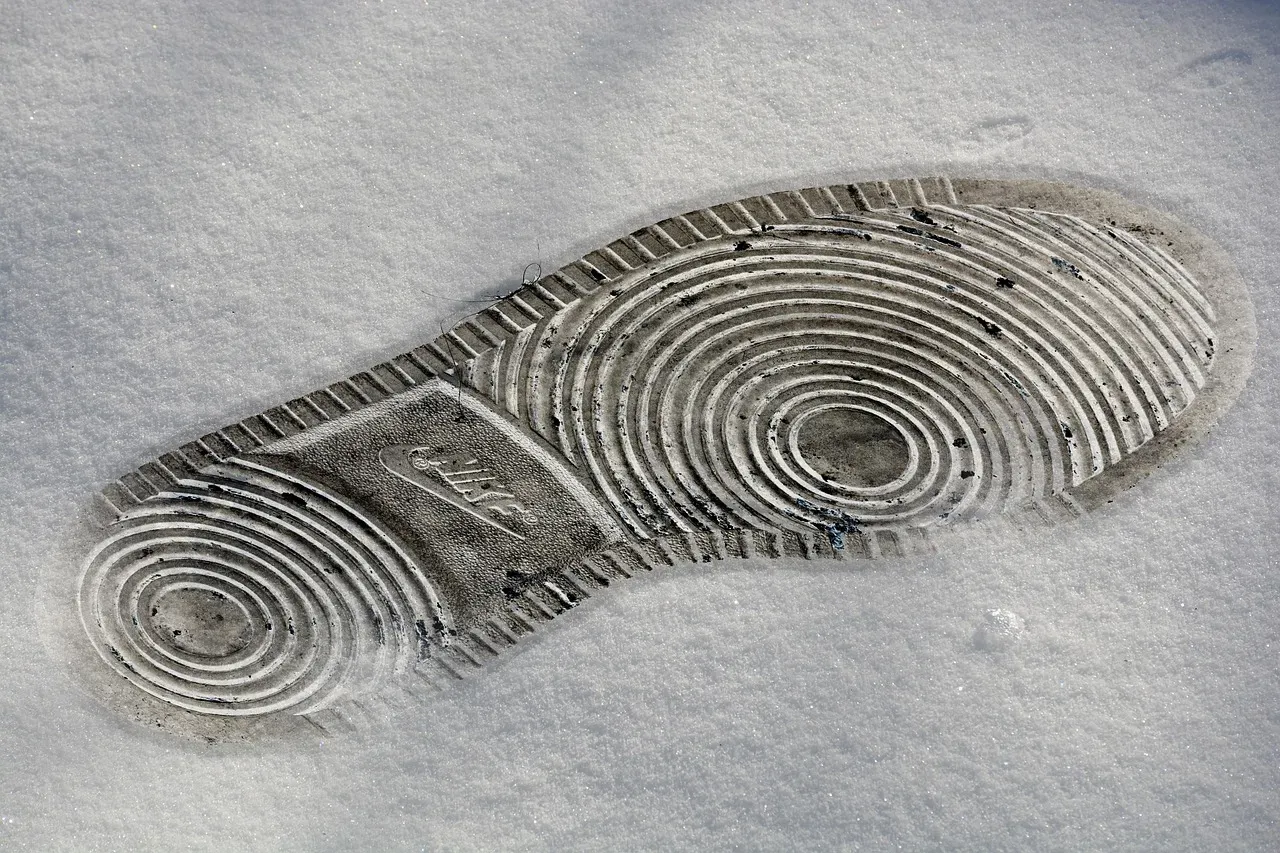
In 2023, through DNA and forensic genealogy, the long-unidentified “Sahara Sue,” discovered in 1979 near the Strip, was identified as Gwenn Marie Story, a 19-year-old from Cincinnati. Her killer remains unknown, but the identification opened a new chapter in the investigation.
Forensic genealogy also revealed the identity of “Arroyo Grande Jane Doe,” a teenager found in the Nevada desert, as Tammy Corrine Terrell from Roswell, New Mexico. That case’s success helped inspire new legislation and the formation of cold case units throughout southern Nevada.
The technology has genuine momentum. The problem is that identifying a victim is only the first step. Knowing who someone was does not automatically tell investigators who killed them or why. For cases like the Lake Mead barrel, even the victim’s name remains unknown as of 2026, making the forensic genealogy path unavailable until that foundational identification is made.
Families Living in the Permanent Present Tense of Unsolved Crime

Cold cases have lasting impacts on the loved ones of victims, but they also stay with investigators. Those chilling effects make the pursuit of justice that much more important. For families, the case never actually closes, regardless of what the file says.
Steve Land lost his daughter Sydney and her boyfriend, who were found shot to death in their apartment. Police say no one has ever been arrested in this case. Nearly a decade later, the pain remains very raw.
Retired LVMPD detective Phil Ramos described the motivation plainly: the biggest driver for investigators is getting justice for families that have lived with this nightmare for decades. That sense of obligation is what keeps retired detectives taking on cold case work long after they’ve left the force.
The Vegas Unsolved Initiative: Media, Community, and New Tips
News 3 launched a “Vegas Unsolved” series in collaboration with Metro police to aid victims and their families in seeking justice, featuring exclusive monthly interviews with cold case investigators and spotlighting two cases at a time in hopes of generating new leads.
Upcoming segments in the series have focused on cases like the 2002 murder of 17-year-old Nyeisha Monique Johnson, revisiting circumstances of the case and sharing what investigators still need to solve the mystery. Public attention, it turns out, remains one of the most reliable ways to shake loose a dormant tip.
In 2024, Henderson Police Department’s cold case unit solved the cold case of Vicki Radig, who had been murdered in 1981. That result, after more than four decades, is a reminder that closure is sometimes possible, though it demands patience measured not in months but in generations.
What Keeps These Cases Cold: The Real Obstacles to Justice
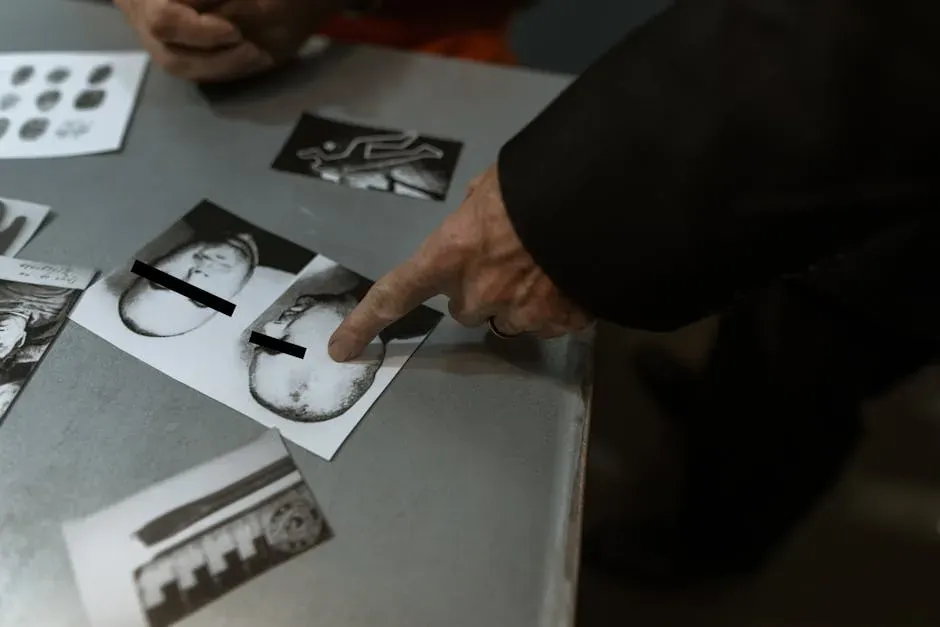
Witness silence is the single most consistent obstacle across every one of these Las Vegas cases. Cold case researchers and investigators have noted that there is always the threat, either implied or direct, that if someone speaks, they or their family could face consequences. That culture of silence predates social media and survives into 2026.
For cases involving older remains, the advanced stages of decomposition make it difficult to extract usable DNA. Even when investigators have solid evidence, if there is no existing comparison profile in a database, a confirmed identification is simply not possible. Science has limits that even the most determined private investigator cannot overcome.
The cases in this gallery span seven decades of Las Vegas history. They range from mob-era barrel burials to a rapper shot at a red light to a woman who vanished leaving only a set of keys in a gas tank. Each one represents a different kind of failure: a failure of witness courage, of early forensics, or simply of luck. What they share is that none of them has surrendered yet. The files stay open. The investigators keep returning. Somewhere in Las Vegas, the answers exist.
Partner offer
Planning a trip to Vegas?
Compare hotel rates and show tickets on VEGAS.com.