Something has shifted in the way people relate to famous faces. The parasocial goodwill that once felt nearly unconditional is wearing thin, and audiences are quicker than ever to notice when a celebrity’s behavior doesn’t sit right. It’s not about expecting perfection. It’s about a creeping sense that the gap between what stars project and what they actually do has grown too wide to ignore.
Blocking celebrities as a form of protest highlights the shifting dynamics of their reach and influence in the digital age. Audiences are no longer passive consumers of content but active participants in cultural and political discourse. These 11 behaviors, in particular, have been generating the most friction between stars and the public right now.
1. Preaching Environmentalism While Flying Private Constantly

Celebrities who do advocacy work are becoming subject to growing scrutiny, with fans calling out public figures whose activism is perceived as inconsistent or performative. Actor Leonardo DiCaprio, for instance, has come under fire for using private jets and superyachts while actively advocating for environmental protection. The contradiction is hard to look past when it’s this visible and this consistent.
In April 2025, pop superstar Katy Perry boarded a Blue Origin suborbital rocket for a highly publicized space tourism flight. Nine months later, she arrived in Davos to raise awareness about environmental protection during the World Economic Forum annual summit. The optics were impossible to ignore. At the heart of the controversy lies a growing public frustration with what many perceive as elite hypocrisy, where celebrities and billionaires promote climate awareness while engaging in some of the most carbon-intensive luxury activities on Earth.
2. Pricing Fans Out of Their Own Fandoms
Average ticket prices increased by roughly a quarter in 2023, a trend that the trade publication Pollstar says has only continued – between 2024 and 2025, the average ticket price for a stadium show rose by 18.3 per cent. For many fans, going to a concert has become a financial stretch rather than a casual night out. The numbers tell a clear story.
Billboard Boxscore data shows average ticket prices rising from $98.64 in 2019 to $130.36 in 2024, marking a substantial increase over five years. While the average price dipped slightly in 2025, revenue from ticket sales plateaued, signaling potential resistance from consumers. Following record-breaking tours by major stars, industry experts note increasing fan pushback against costly tickets. When fans are taking on debt just to see their favorite artist, something has gone genuinely wrong.
3. Overloading Social Media With Inauthentic Brand Deals
Celebrities should strike a balance between promotion and authenticity. Overloading social media with brand endorsements can turn followers off, especially if the promotions feel disconnected from the celebrity’s true persona. Audiences notice when a feed stops feeling human and starts reading like a sponsored-content conveyor belt.
Celebrities, often in the limelight for their behavior and public image, can easily slip up, making a poorly timed or ill-advised post that could harm their reputation, alienate their fans, and lead to significant backlash. While many celebrities have successfully harnessed the power of social media to enhance their careers, others have made disastrous missteps that have damaged their brand and generated negative publicity. The line between a genuine recommendation and a cash grab is thinner than ever, and fans have developed a sharp eye for it.
4. Weaponizing PR Campaigns Against Each Other
In December 2024, Blake Lively filed a lawsuit against Justin Baldoni, accusing him of orchestrating a media smear campaign against her in retaliation for her complaints about sexual harassment on set. Blake accused her co-star and director of creating a “hostile work environment.” Months later, Justin countersued Blake and her husband, Ryan Reynolds, for $400 million on claims of civil extortion, defamation, and invasion of privacy.
As lawsuits mounted, both stars faced a worsening PR nightmare in 2025. It’s evident that this back-and-forth quarrel is majorly harming both stars’ public appeal. Watching two public figures use publicists and legal teams as weapons against each other has a corrosive effect. It makes the whole machinery of celebrity feel ugly, strategic, and hollow.
5. Erratic and Hateful Social Media Behavior
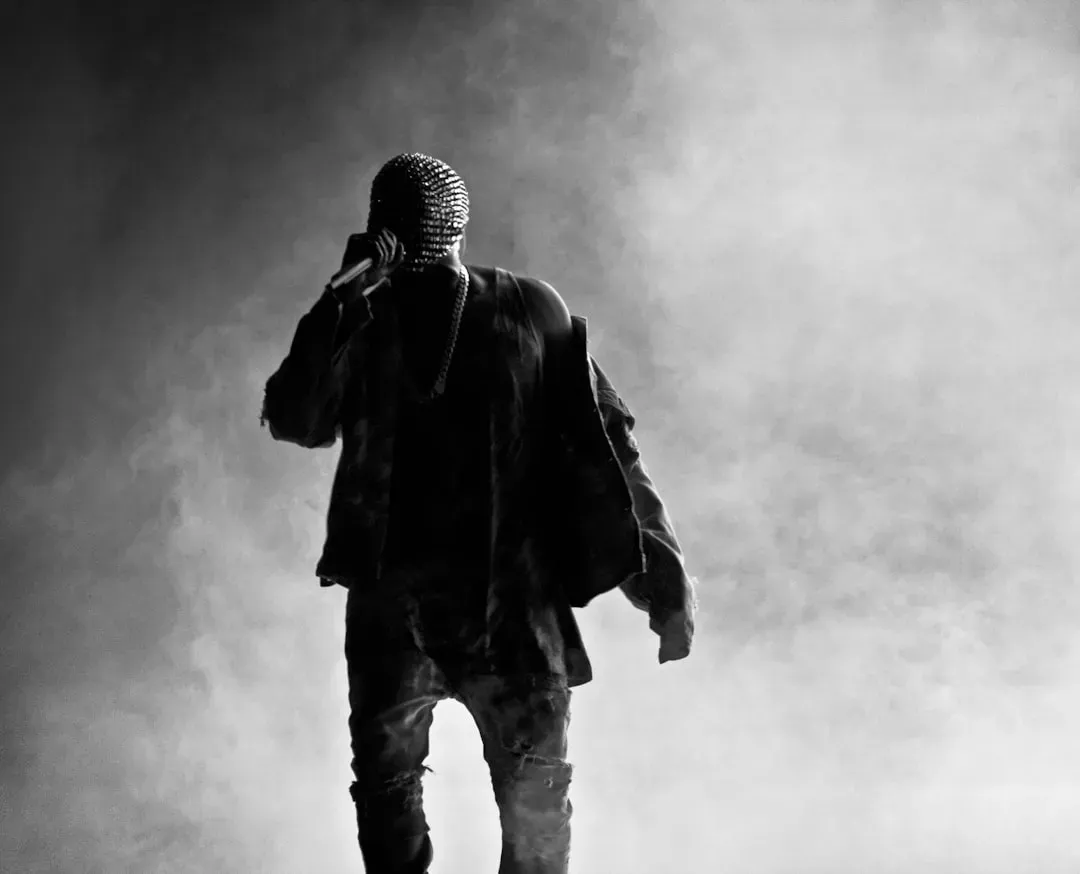
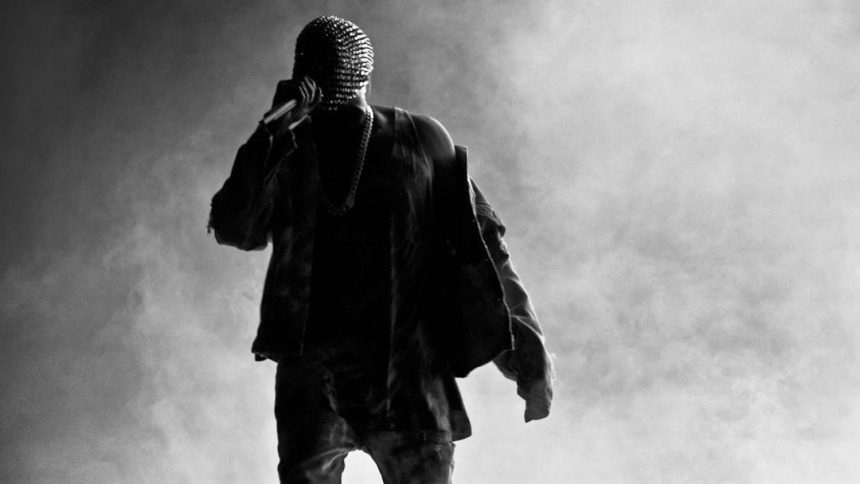
Kanye West’s ongoing controversies, marked by antisemitic remarks, strange behavior, and provocative stunts, have strengthened his status as one of pop culture’s most polarizing figures. He sparked outrage by selling highly offensive shirts featuring a hate symbol on his website. He also faced backlash for his ex, Bianca Censori’s, nearly nude appearance on the Grammys red-carpet, reportedly his idea.
Despite the criticism, Kanye remains outspoken, posting erratically on social media and leaving the public both perplexed and increasingly concerned about his well-being. What was once interpreted as artistic eccentricity has long since crossed into something that many people find genuinely harmful. Erratic online behavior from someone with a massive platform carries real-world weight, and audiences are no longer willing to frame it purely as performance.
6. Tone-Deaf Reality Branding During Personal Crises
The Baldwins have been called out over their new reality series. The “fly on the wall” look at their family in the lead up to Alec’s “Rust” trial was lambasted for being in extremely poor taste. The pair’s social media presence has also done little to help their reputation, with many calling their posts out of touch.
Partner offer
There’s a particular kind of discomfort that comes from watching someone treat a genuine tragedy as a brand opportunity. Turning a fatal on-set shooting and its legal aftermath into the premise for a family reality show struck most viewers as a fundamental failure of judgment. In 2025, the spotlight on celebrities often reveals more than just their talent or fame. Public opinion can shift fast, driven by actions, words, or controversies that spark widespread criticism.
7. Charging Fans to Work at Their Own Concerts
JoJo Siwa’s “Dream Guest VIP” concert package sparked a mixed reaction from the public. Priced at over $900, it includes fans helping her crew “set up” and “put together” her concert. With many decrying the nature of the perk, Siwa continues to be one of the most talked about and criticized figures in show business.
The logic of charging a fan a substantial sum of money for the privilege of doing unpaid labor is one that most people struggle to follow. Following the backlash that surrounded the Ticketmaster and Eras Tour debacle, and fan awareness of the predatory practices employed by ticket marketplaces, it seems people are waking up to how expensive and exploitative modern pop fandom has become. A concert ticket should feel like a gift, not a transaction with hidden obligations attached.
8. Performative Activism That Doesn’t Hold Up Under Scrutiny
If a celebrity’s actions don’t align with their words, the backlash is swift and merciless. Leonardo DiCaprio’s climate activism is regularly mocked due to his penchant for private jets. Kendall Jenner’s infamous Pepsi ad attempted to package protest movements into a feel-good marketing stunt, and the internet never let her forget it.
There’s also the risk of drowning out actual activists. When a celebrity becomes the face of a movement, they often overshadow those with lived experience. Their well-meaning interventions can sometimes ignore the needs of local communities, offering simplified solutions to deeply complex problems. Audiences have grown sophisticated enough to tell the difference between someone who has thought deeply about a cause and someone who hired a publicist to recommend one.
9. Hiring Private Firefighters While Posting Climate Concern

During the 2025 LA wildfires, multiple reports stated that celebrities had hired private firefighting teams to safeguard their estates, a luxury unavailable to most people, highlighting the stark differences between the haves and the have-nots. Furthermore, when air quality plummeted and evacuation orders were issued, the wealthy had the option of second homes, private jets, and a level of safety others simply could not afford.
Celebrities continued to send their prayers and thoughts and set up GoFundMe pages to raise money for the wildfires while contributing nearly ten times more to climate change than the average person. The image of someone simultaneously benefiting from systemic inequality and publicly performing solidarity is one that fans are increasingly unwilling to let slide without comment. The fires acted as a reason behind Hollywood celebrities trying to educate people on climate change, which only exposed the hypocrisy behind their words.
10. Dismissive or Half-Hearted Public Apologies
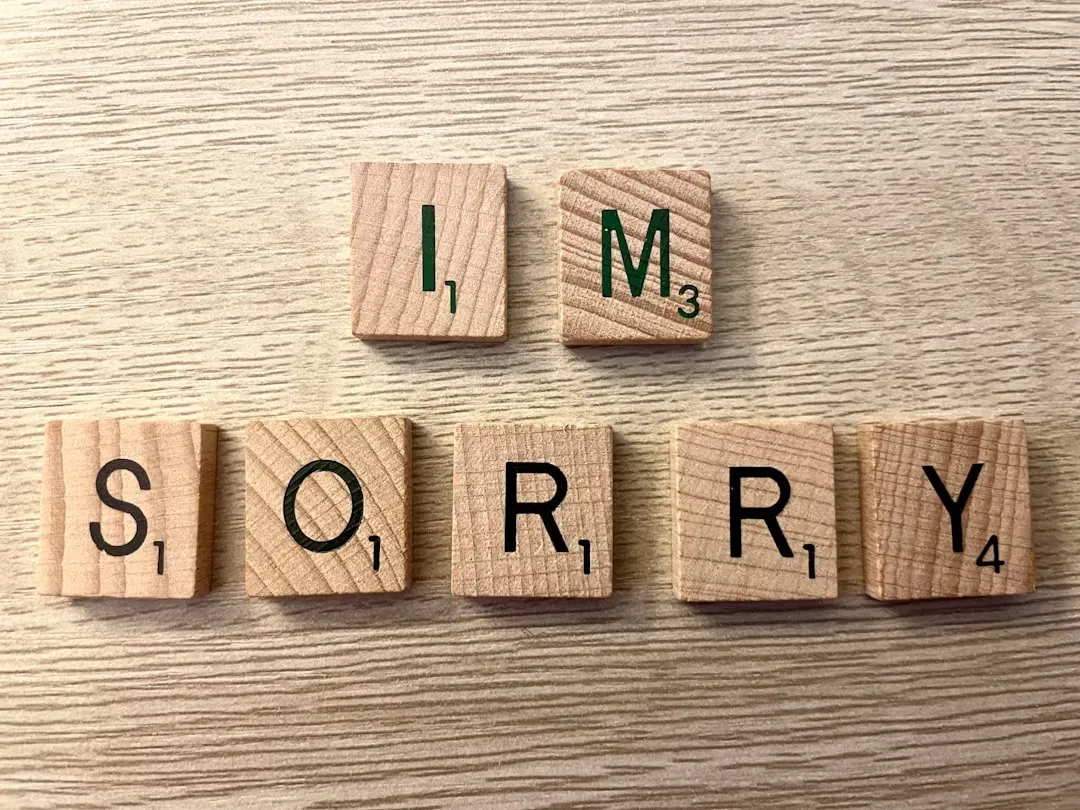
Many celebrities respond poorly to criticism, either by ignoring it, becoming defensive, or offering half-hearted apologies. A failure to address mistakes can make the situation worse, as fans and the public often expect a sincere acknowledgment of wrongdoing. The non-apology apology, where someone expresses regret that people were offended rather than regret for the actual thing they did, has become a recognized and deeply unsatisfying format.
Past online behavior, including bullying other celebrities, has haunted some public figures for years. Though apologies have been issued, many see the person as attention-seeking, and the regret hasn’t fully mended their image. Criticism has peaked in 2025, with fans calling out inconsistent sincerity, making certain figures frequent targets of disapproval. Sincerity is not complicated, but it is surprisingly rare, and audiences have learned to spot the difference quickly.
11. Total Overexposure Combined With Declining Authenticity
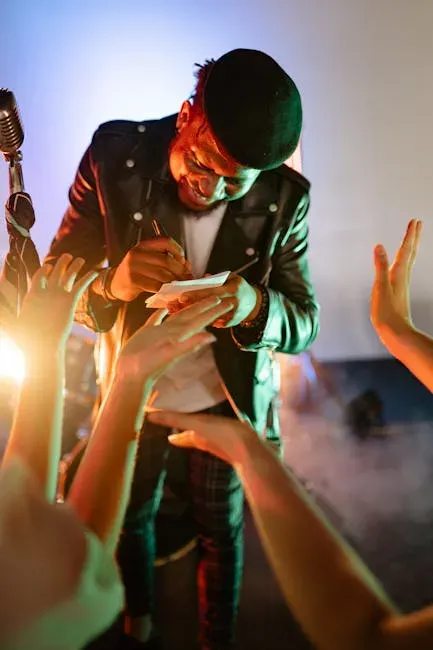
Social media has turned celebrities into influencers, blurring the lines between fame and relatability. Sharing every detail of their lives has made them seem smaller, not larger than life. There is a real irony in the fact that the more access fans have to a celebrity’s daily existence, the less interesting that celebrity often becomes.
In 2025, authenticity in celebrity branding is gaining traction. Influencers and celebrities who showcase their true personalities rather than polished versions foster deeper connections with audiences. The problem is that genuine authenticity cannot be manufactured, and when people try, the gap shows. Today’s audiences crave authenticity over perfection. Platforms like TikTok and Twitch are filled with real people who feel more relatable than the polished personas of Hollywood. The celebrities who are thriving right now tend to be those who seem to have figured that out organically, rather than those performing relatability as a strategy.
None of this is a call to turn on every public figure or approach fame with permanent suspicion. Most of what irritates people about celebrity behavior in 2026 is simply the growing mismatch between image and action, between what is said publicly and what is actually done. That gap has always existed. What’s changed is that audiences now have the tools, the information, and the willingness to close it.
Partner offer
Planning a trip to Vegas?
Compare hotel rates and show tickets on VEGAS.com.