Writers have always raided their own lives for material. Friends, lovers, and mentors tend to get the most obvious treatment, but the figures who leave the sharpest marks on an author’s imagination are often the ones they couldn’t stand. Resentment has a way of producing unusually precise portraits. The contempt sharpens the detail work.
What makes this pattern so fascinating is that these aren’t always villains. Sometimes the enemy ends up as the protagonist, the hero, or the tragic romantic lead. Authors can admire and resent someone at the same time, and those split feelings tend to produce the most complicated, most enduring characters in all of literature. The eleven cases below make that tension visible in ways their authors probably didn’t fully intend.
1. Heathcliff in Wuthering Heights by Emily Brontë – The Brooding Outsider Who Mirrors the Author’s Own Household Bitterness
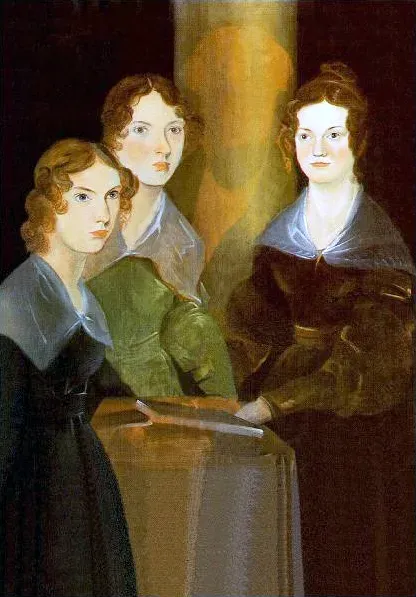
The character of Heathcliff may have been inspired by Branwell Brontë, Emily’s troubled brother, whose spectacular self-destruction through alcohol and opium dominated the last years of his life and cast a long shadow over the Haworth parsonage. Branwell was once the family’s great hope – talented, charismatic, and ultimately ruinous. Emily watched it all from very close range.
Owing to the novel’s enduring fame and popularity, Heathcliff is often regarded as an archetype of the Byronic hero, or the tortured antihero, whose all-consuming rage, jealousy and anger destroy both him and those around him. The parallel to Branwell’s wasted gifts and self-inflicted ruin is difficult to ignore, and it gives Heathcliff a specificity that purely invented characters rarely achieve. When Emily Brontë published Wuthering Heights in 1847 under the pseudonym Ellis Bell, outraged Victorian critics deemed it savage, indecent and immoral. What they were reading, without knowing it, may have been a portrait of someone Emily loved and resented in equal measure.
2. Jay Gatsby in The Great Gatsby by F. Scott Fitzgerald – The Gilded Rival Who Never Quite Becomes Real
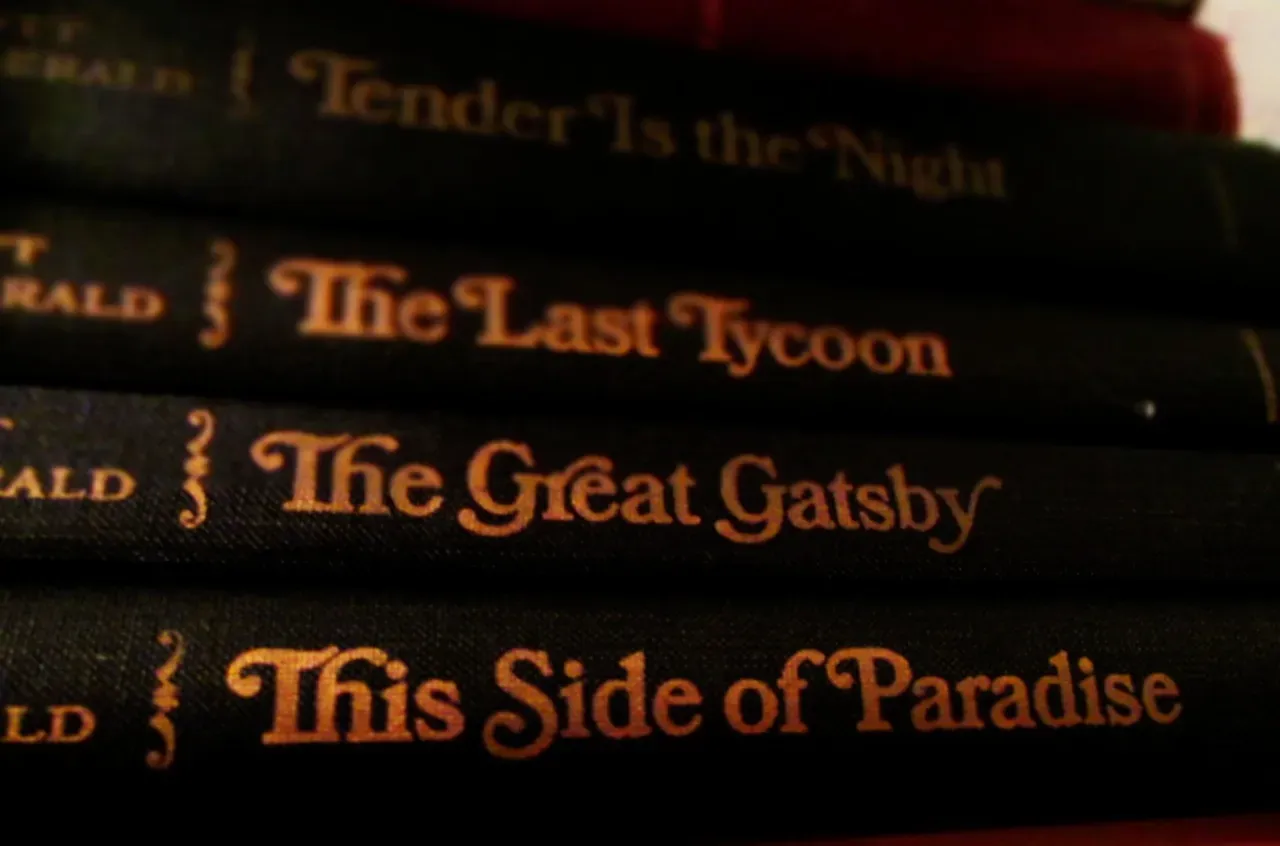
F. Scott Fitzgerald masterfully wove real-life inspiration into his characters in “The Great Gatsby.” In addition to Jay Gatsby, Daisy Buchanan and Tom Buchanan were based on individuals he encountered during his time in high society. Fitzgerald moved through the 1920s American elite with one eye on its glamour and the other on its cruelty, and his ambivalence toward the people he found there runs through every page of the novel.
Daisy, for example, was inspired by his own unrequited love, Ginevra King, while Tom’s characteristics echoed those of a wealthy friend. Fitzgerald’s ability to blend these inspirations into his characters allowed him to explore the themes of disillusionment and the American Dream in a deeply personal way. Gatsby himself carries traces of the self-made men Fitzgerald envied and distrusted – figures who had reinvented themselves so thoroughly that the seams showed. The novel’s sadness is partly Fitzgerald’s own, directed at people he both wanted to impress and could never forgive.
3. Ebenezer Scrooge in A Christmas Carol by Charles Dickens – A Miser Built From a Real-Life Grudge
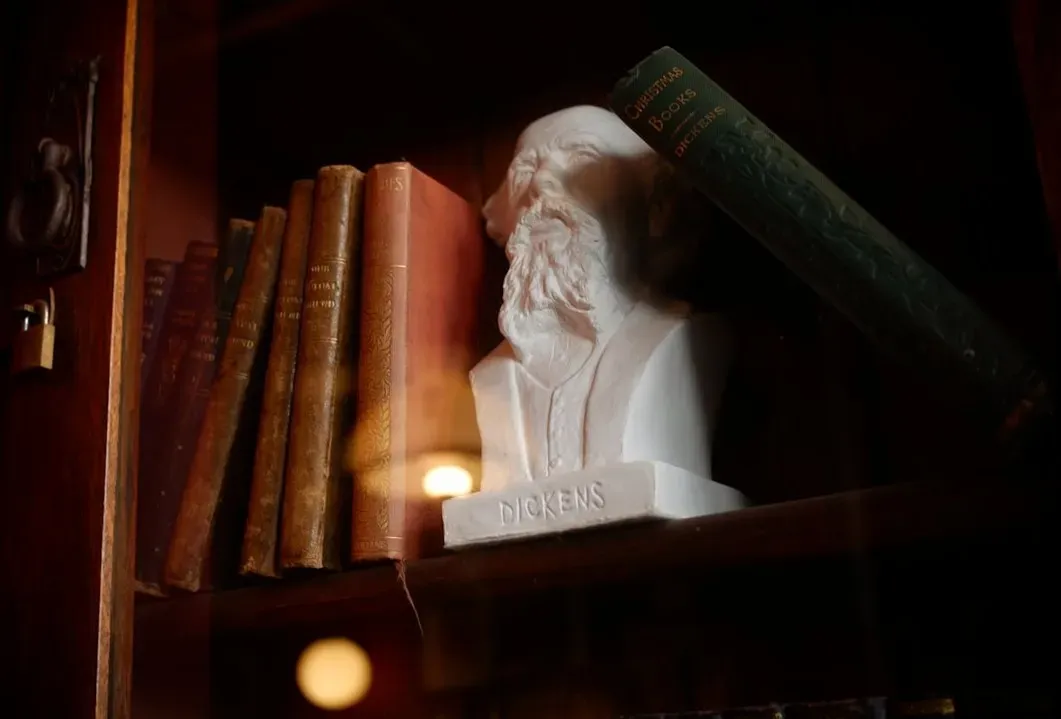
Ebenezer Scrooge was inspired by a real historical miser named John Elwes. Elwes inherited his uncle’s fortune and took up his eccentric behavior, going to bed as soon as the sun set to save on candles, wearing old clothing to avoid buying new ones, letting his house fall into disrepair to avoid costs to fix it, and even eating moldy food. Dickens, who had seen real poverty from the inside as a child, had particular contempt for wealthy men who chose deprivation as a philosophy.
Ebenezer Scrooge is a popular example of a dynamic character in literature. At the start of the story, he is a bitter miser, but by the end of the tale, he transforms into a kindhearted, generous man. The transformation is satisfying precisely because Dickens poured so much specific observation into the miserly phase. Scrooge before his redemption is too vivid to be a pure invention. He carries the weight of real resentment.
4. Severus Snape in Harry Potter by J.K. Rowling – The Bully in the Dungeon With a Real Name
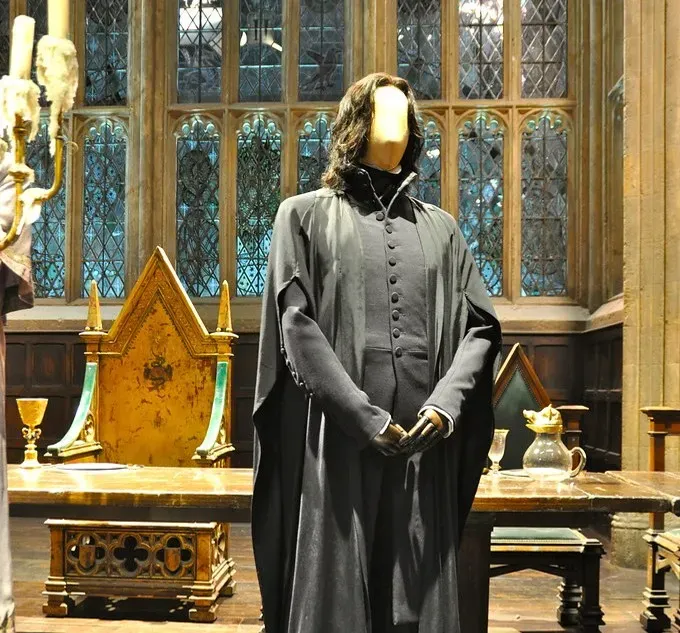
J.K. Rowling has confirmed that Severus Snape was partly based on John Nettleship, a chemistry teacher from her school years in Chepstow whose cold, demanding manner left a lasting impression. Rowling later noted that she found it amusing to create a teacher so obviously derived from someone who had genuinely unsettled her. Nettleship himself eventually acknowledged the resemblance with some degree of good humor, though the portrait is not particularly flattering.
From the first book of the Harry Potter series, Harry Potter and the Philosopher’s Stone, until the seventh book, Harry Potter and the Deathly Hallows, Rowling manipulated the theme of child abuse through her depiction of Severus Snape, using different types of abuse such as physical abuse, emotional abuse, verbal abuse, bullying, mobbing, and neglect. That specificity of cruelty is something writers tend to achieve only when they’re drawing from memory. Snape works as a character because Rowling knew, from experience, exactly how that particular kind of adult authority could sting.
5. Uriah Heep in David Copperfield by Charles Dickens – The Creeping Sycophant From Life
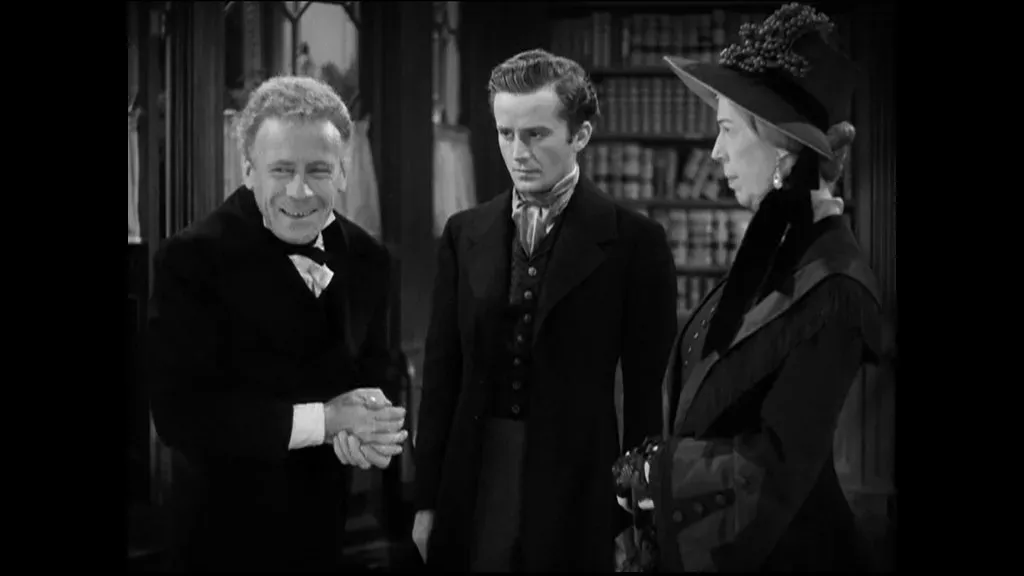
Characters such as Uriah Heep and Mr. Micawber were influenced by Dickens’s encounters with eccentric and financially troubled individuals in his lifetime. These characters added depth to the novel’s exploration of class struggles and societal inequities, further emphasizing how Dickens used real-life inspirations to craft memorable, multifaceted characters. Uriah Heep in particular has the quality of someone transcribed rather than invented, with his elaborate displays of humility masking a systematic, relentless ambition that Dickens clearly found deeply threatening.
Uriah Heep is perhaps the most cloying of all of Dickens’s dastardly creations, being patronising and insincere whilst using manipulation to hide his true motivation. Scholars have suggested that Dickens was drawing on his complicated feelings toward certain clerks and social climbers he encountered, men who performed deference while quietly maneuvering for advantage. The character’s skin-crawling quality suggests that the original source material got under Dickens’s skin in a very real way.
6. Robert Cohn in The Sun Also Rises by Ernest Hemingway – The Friend Who Became a Target
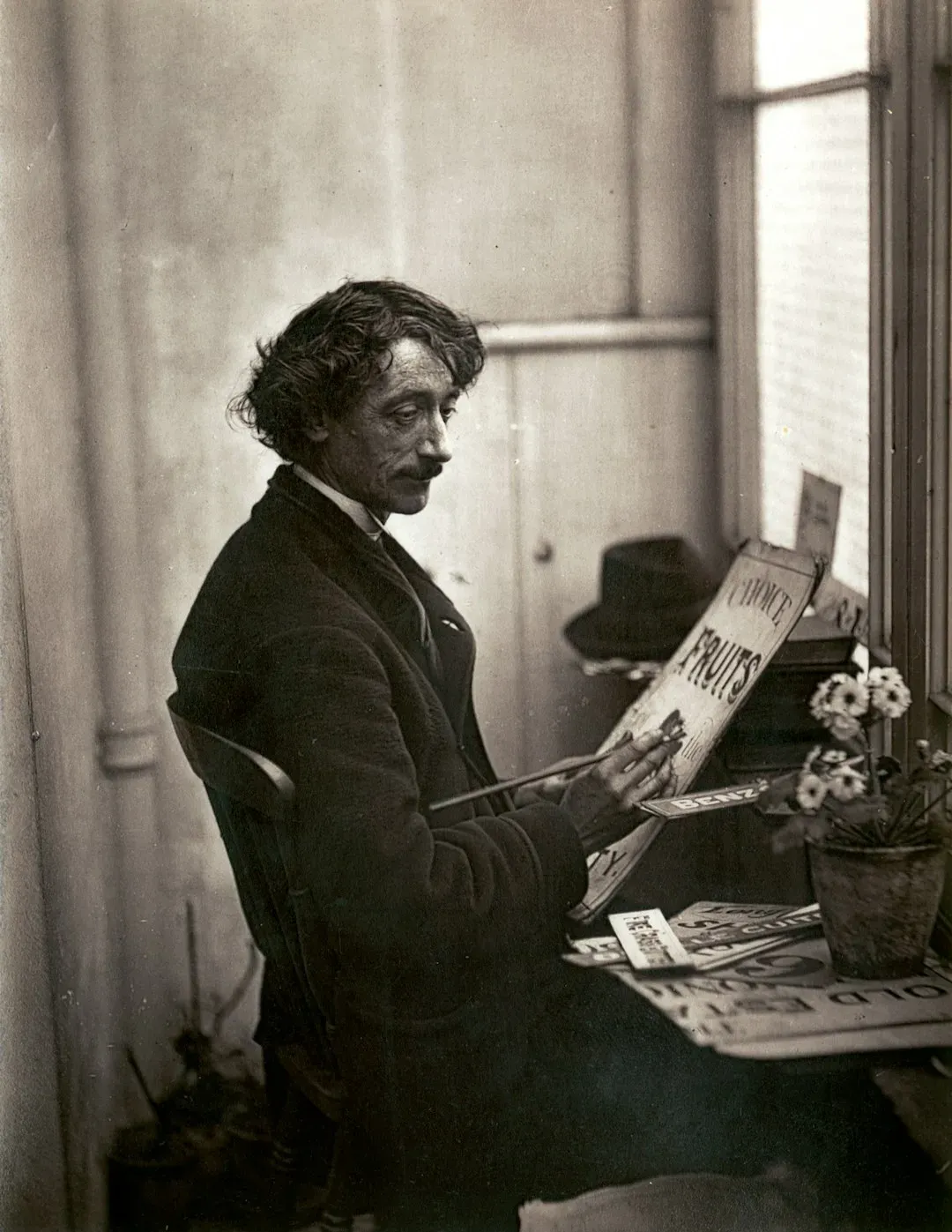
Robert Cohn in Hemingway’s 1926 novel was drawn almost directly from Harold Loeb, a writer and editor who had been part of Hemingway’s Paris circle in the early 1920s. The two men moved in the same expatriate crowd, and Loeb later wrote about his recognition of himself in Cohn with considerable pain. The portrait is unflattering in precise, targeted ways, emphasizing the character’s neediness, romanticism, and social awkwardness.
Partner offer
Literary history’s most famous frenemies, Hemingway and Fitzgerald, met in 1925 and soon became friends. But Hemingway wasn’t particularly grateful, and soon began badmouthing Fitzgerald. This pattern of curdled friendship was practically a Hemingway signature. What makes the Cohn portrait so sharp is that Hemingway understood Loeb’s vulnerabilities from the inside, having spent real time with him. The cruelty is that of someone who once liked you and decided to stop.
7. Tom Buchanan in The Great Gatsby by F. Scott Fitzgerald – The Wealthy Brute Who Deserved a Novel to Himself
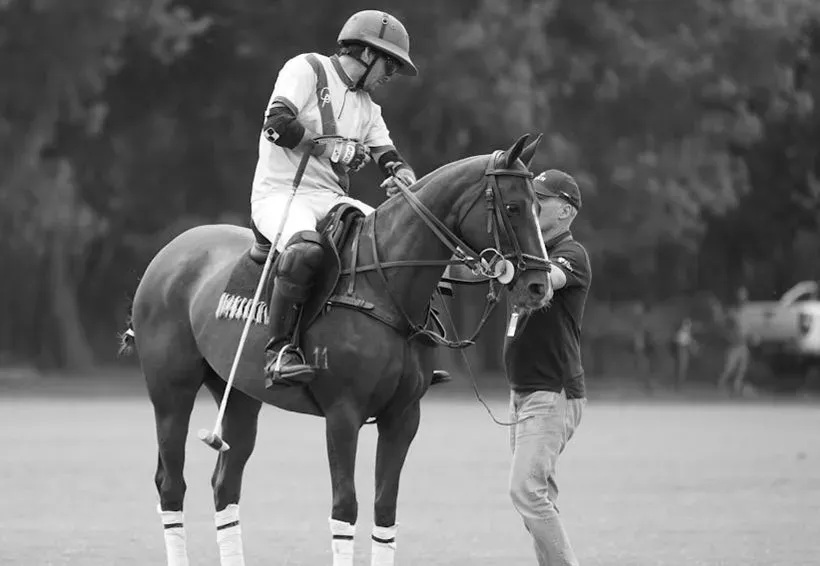
Tom Buchanan is widely considered one of American fiction’s most effective portraits of entitled brutality, and he didn’t come from thin air. Fitzgerald modeled him in part on Tommy Hitchcock, a celebrated polo player who embodied the casual arrogance of the old-money American elite, and on Ginevra King’s wealthy Chicago social world, which had made Fitzgerald feel economically inferior and quietly dismissed. The sting of that rejection went deep.
Hemingway was condescending about Fitzgerald’s work and mocked his former friend as a coward, a lap dog to the rich and a henpecked husband in thrall to a manipulative woman. This gives some context for the world Fitzgerald was navigating. Tom Buchanan is what Fitzgerald saw when he looked at the people who had made him feel small, rendered with the kind of accuracy that comes from years of close, unhappy observation. The character’s contempt for Gatsby is very possibly Fitzgerald’s memory of contempt directed at himself.
8. Jean Valjean in Les Misérables by Victor Hugo – The Fugitive Shaped by a Real Criminal’s Life
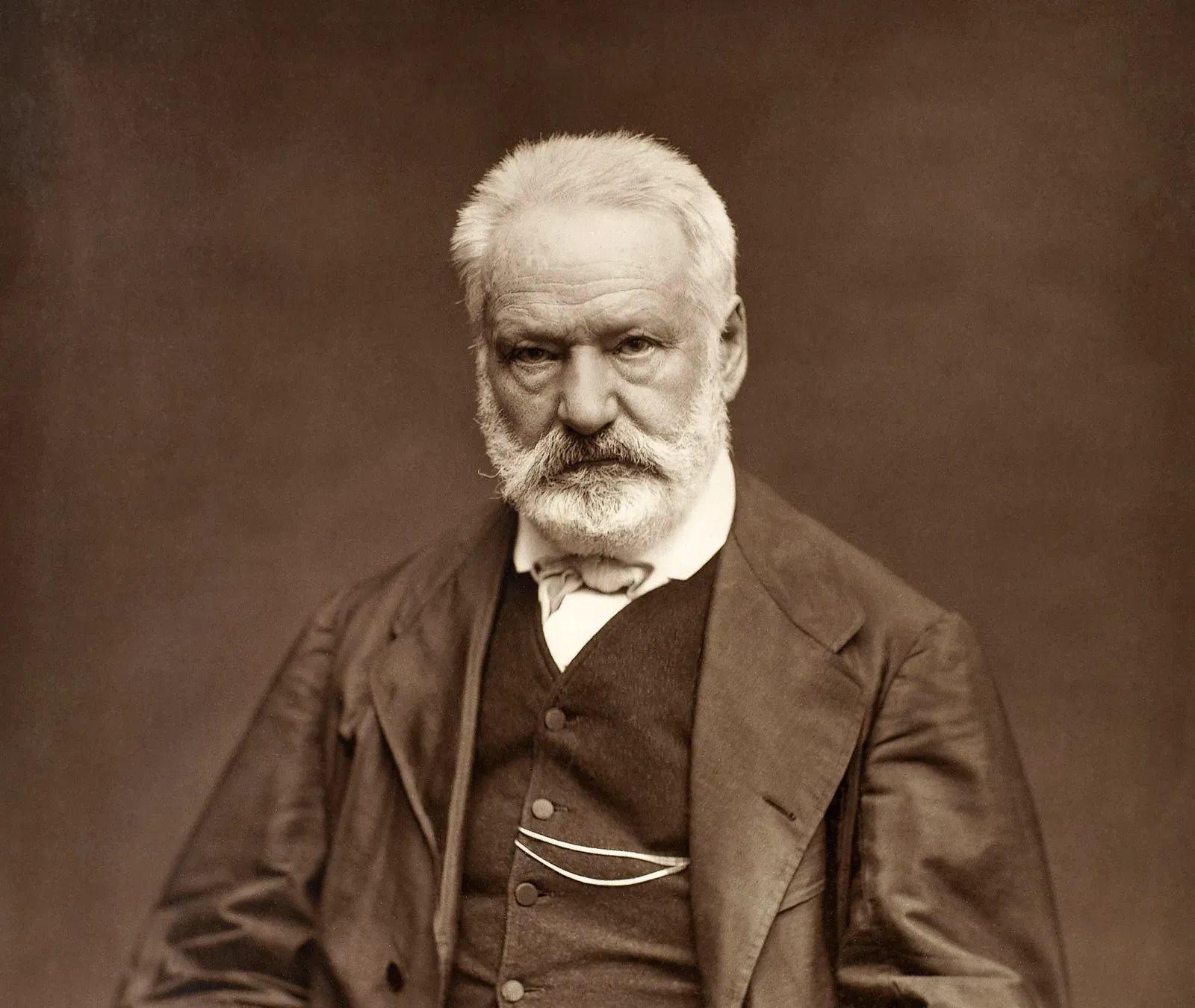
Both the “criminal” Jean Valjean, who was brought in for stealing a loaf of bread, and Inspector Javert were inspired by Eugène François Vidocq. In his life, Vidocq started out as the protagonist, escaping prison and going on the run for several years as a factory owner and businessman before becoming his own antagonist. Making a deal with authorities, Vidocq would go on to use his criminal wiles in order to hunt down and capture other criminals.
Hugo had complicated feelings about Vidocq, whose life story seemed to expose everything wrong with France’s criminal justice system. The man was both proof of the system’s injustice and an emblem of its compromises. By splitting Vidocq into Valjean and Javert, Hugo turned a real ambivalence about one controversial figure into one of the great moral conflicts in world literature. The tension between the two characters is so convincing precisely because it began as Hugo’s own internal argument.
9. Nick Adams in Hemingway’s Short Stories – The Author’s Self-Portrait Aimed at Everyone Who Doubted Him
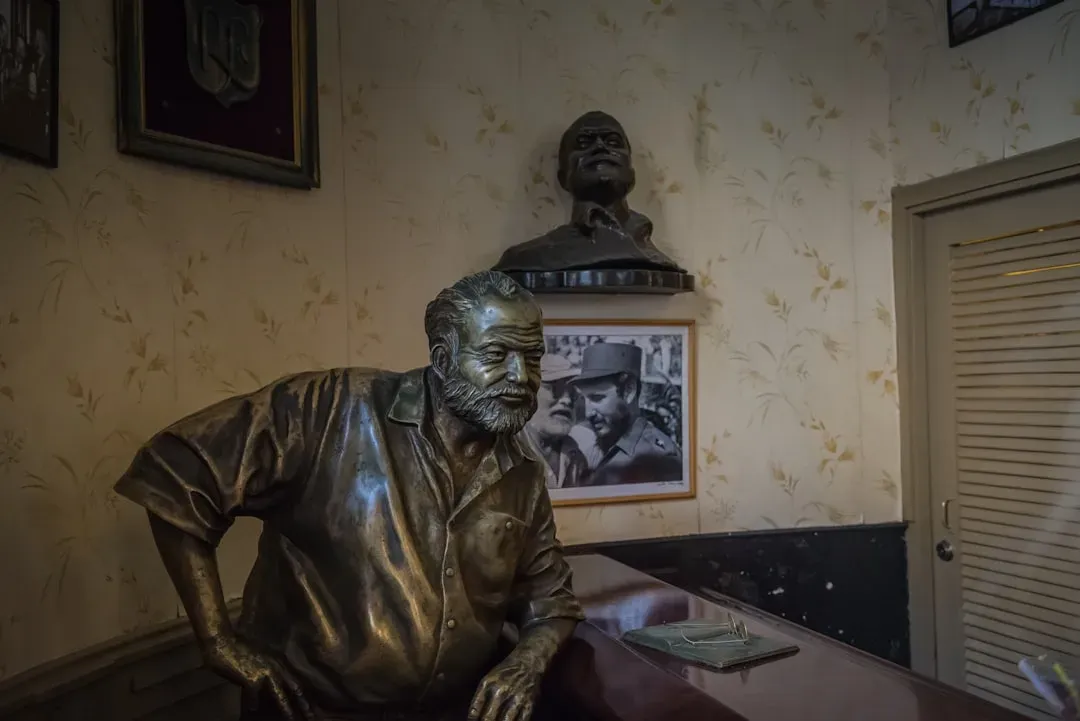
Nick Adams appeared across many of Hemingway’s early short stories as a thinly veiled self-portrait, but what makes the character interesting is how deliberately he was constructed to refute the people in Hemingway’s life who had dismissed him. His father, certain teachers, and the genteel literary establishment of the 1920s all find their way into the forces Nick Adams quietly defeats by surviving them with his dignity intact. The stories read as a form of patient, stylized score-settling.
Ernest Hemingway once said, “When writing a novel, a writer should create living people; people, not characters. A character is a caricature.” Hemingway believed this sincerely, which is part of why his autobiographical characters carry such weight. Nick Adams is too specific to be fictional in the conventional sense. He has the posture of someone who has been insulted and is walking away without appearing to hurry, which is a very particular and recognizable experience to transcribe.
10. Miss Havisham in Great Expectations by Charles Dickens – The Withered Eccentric Built From Composite Grudges

Three different spinsters were the proto-Miss Havisham in Great Expectations. Dickens drew on several real women in constructing this singular character, but the emotional core of Miss Havisham seems to have come from a specific kind of social figure he found both pitiable and faintly threatening: the woman of means who had been wronged and refused to let time move forward. Whether admired or disliked, the originals clearly lodged something in Dickens’s imagination that he couldn’t shake loose.
Miss Havisham’s famous refusal to let the clocks run, the decaying wedding cake, the dress she never takes off – all of these details have the specificity of observed behavior rather than invented eccentricity. Dickens may have composed her from several sources, but each one contributed a piece of something he found genuinely unsettling. The character’s menace is rooted in real unease, and readers have sensed that from the beginning.
11. Holden Caulfield in The Catcher in the Rye by J.D. Salinger – The Alienated Teenager as a Portrait of the Author’s Own Contempt
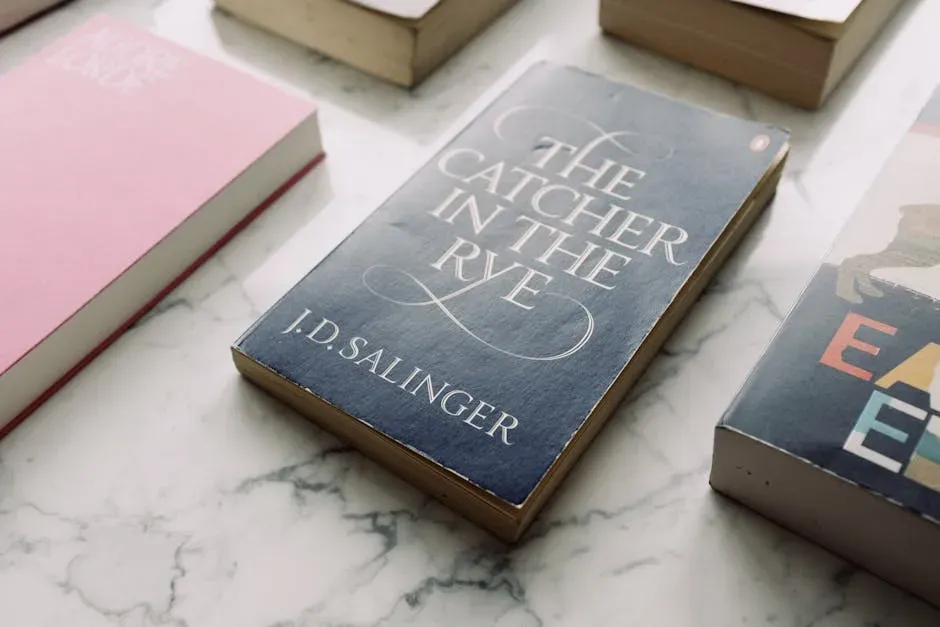
In J.D. Salinger’s “The Catcher in the Rye,” the protagonist, Holden Caulfield, is influenced by Salinger’s own adolescence. Salinger attended Valley Forge Military Academy in Pennsylvania, an experience he found alienating and suffocating, and he carried an intense contempt for the social conformity and adult hypocrisy he witnessed there. Holden is the instrument through which that contempt gets expressed, with a precision that could only come from direct experience of the original targets.
What makes Holden so potent is that Salinger didn’t simply reproduce his enemies – he gave the character the exhausting self-awareness of someone who recognizes phoniness everywhere partly because he fears it in himself. The result is a protagonist whose irritability reads as genuine rather than theatrical, because it was. Some writers build up fictional people entirely from imagination, and many are inspired by real individuals. Classic fiction is replete with memorable dramatis personae that owe their three-dimensionality to being based on real people in the first place. Holden Caulfield is perhaps the clearest proof of that principle in all of American literature.
There’s a certain justice to it, when you think about it. The people who frustrated, humiliated, or simply irritated these writers ended up achieving a strange kind of immortality they never asked for. Scrooge’s miser, Snape’s cold severity, Tom Buchanan’s brute confidence – all of them outlasted the originals by centuries. The writers got the last word, and they made it permanent.
Partner offer
Planning a trip to Vegas?
Compare hotel rates and show tickets on VEGAS.com.